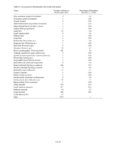
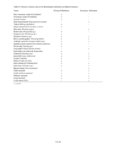
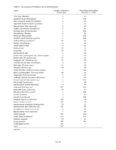
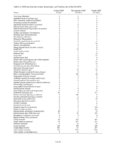
| OCR Text |
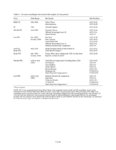
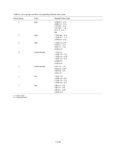
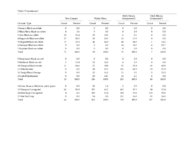
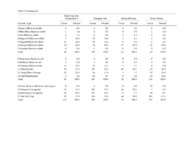
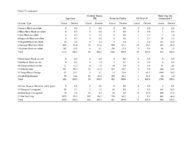
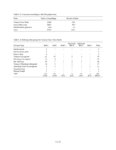
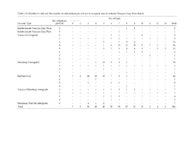
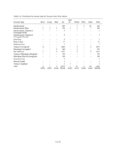
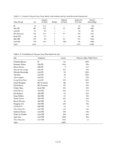
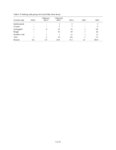
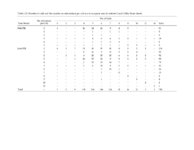
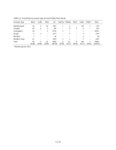
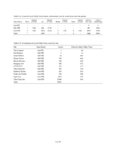
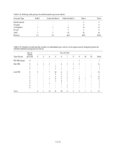
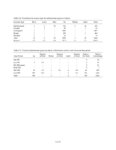
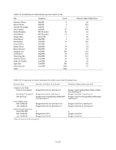
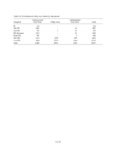
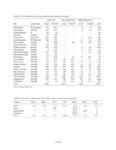
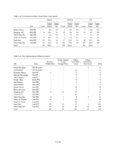
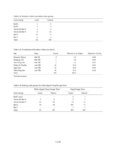
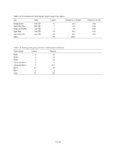
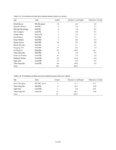
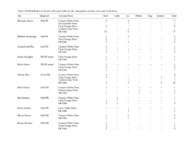
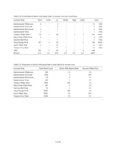
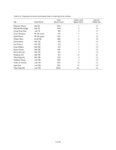
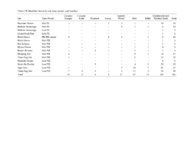
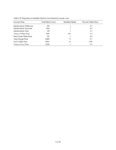
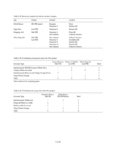
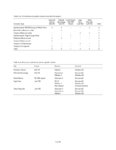
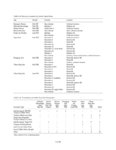
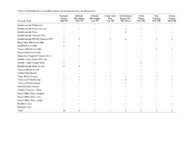
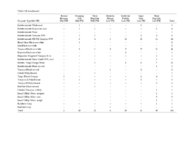
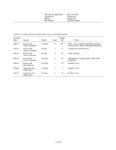
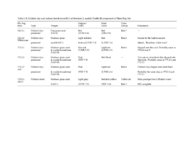
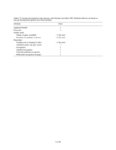
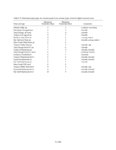
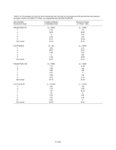
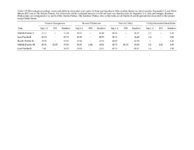
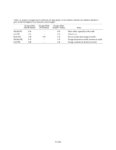
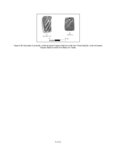
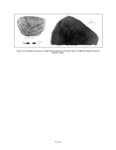
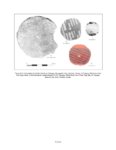
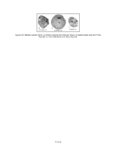
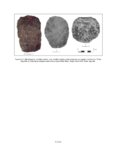
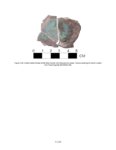
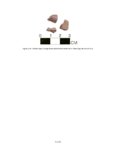
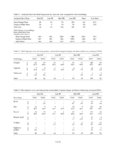
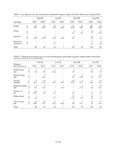
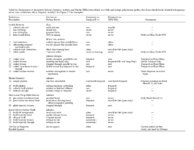
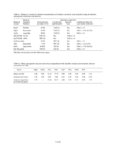
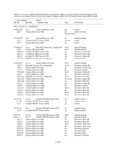
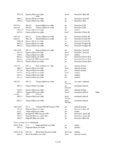
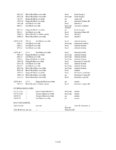
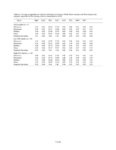
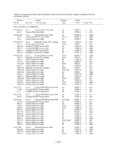
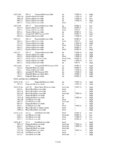
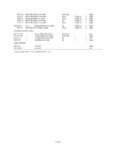
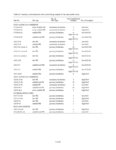
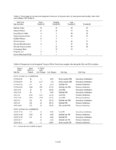
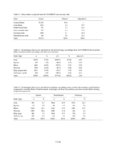
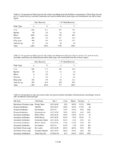
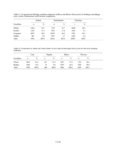
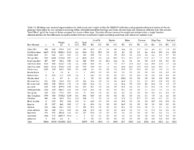
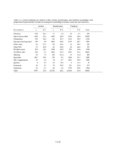
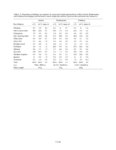
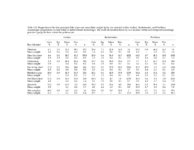
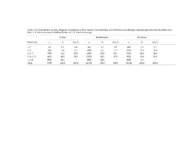
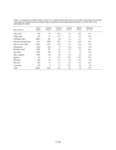
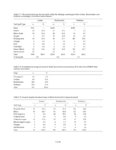
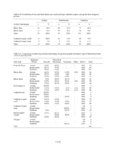
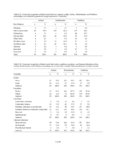
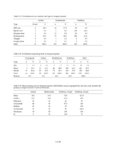
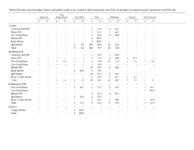
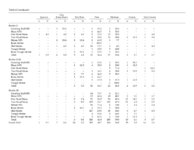
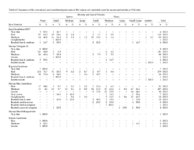
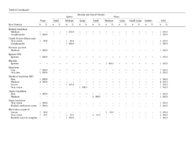
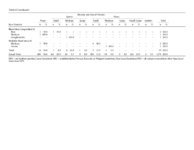
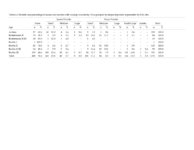
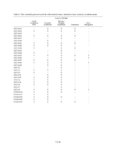
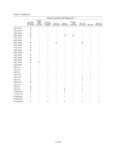
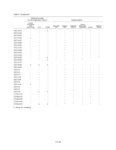
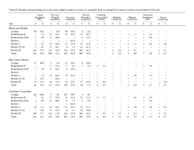
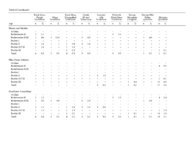
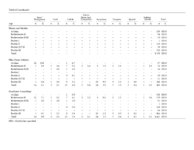
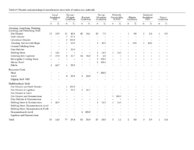
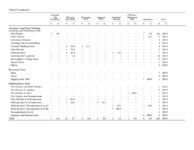
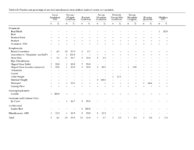
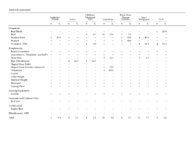
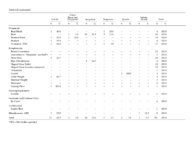
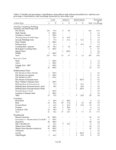
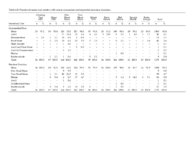
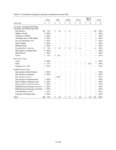
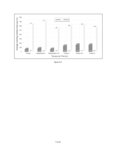
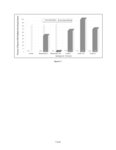
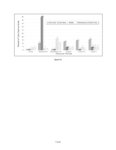
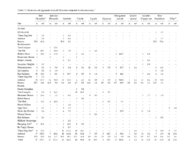
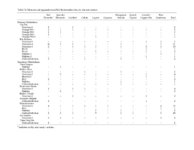
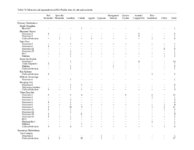
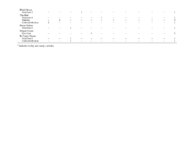
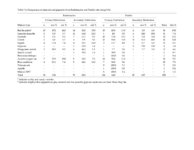
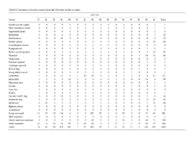
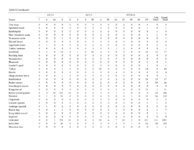
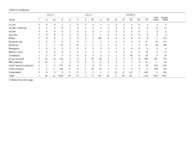
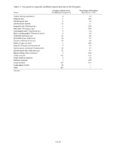
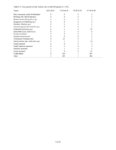
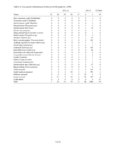
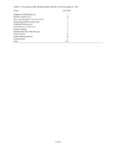
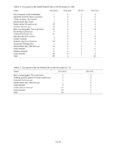
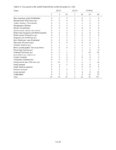
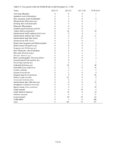
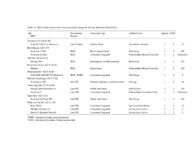
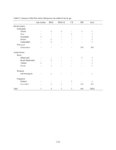
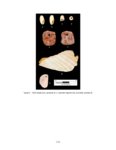
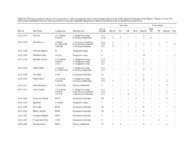
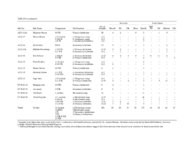
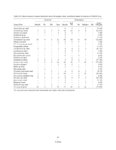
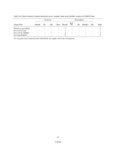
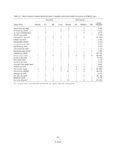
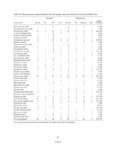
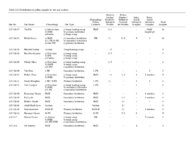
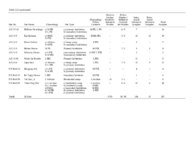
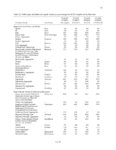
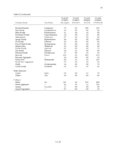
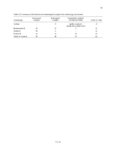
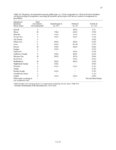
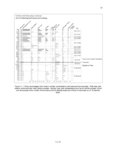
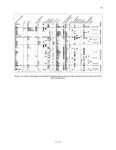
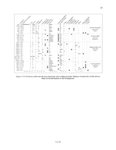
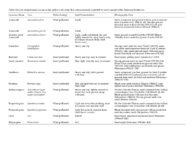
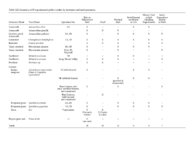
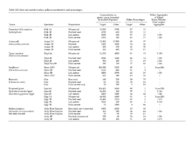
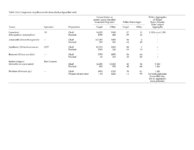
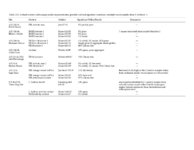
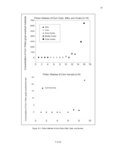
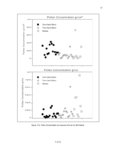
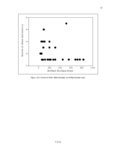
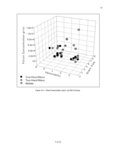
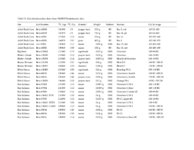
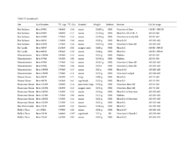
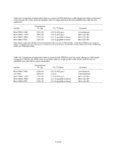
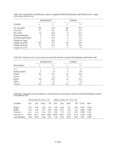
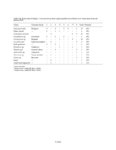
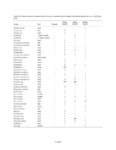
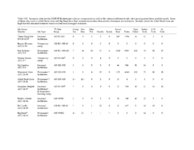
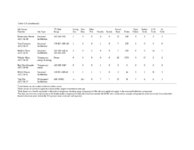
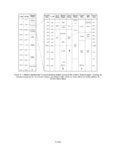
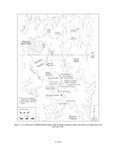
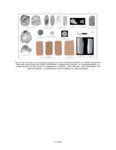
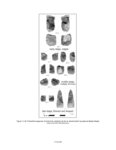
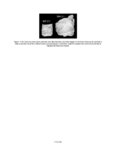
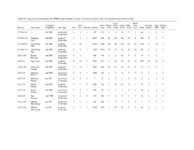
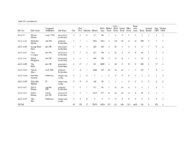
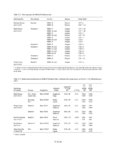
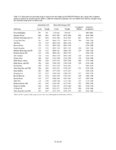
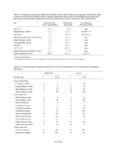
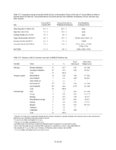
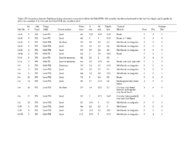
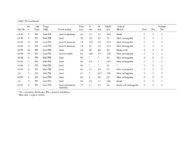
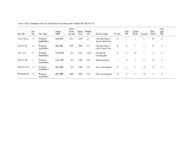
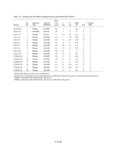
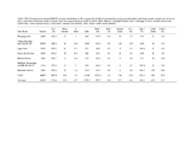
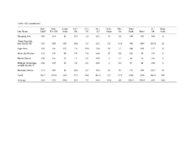
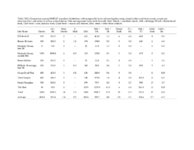
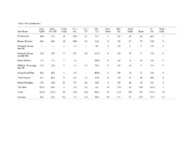
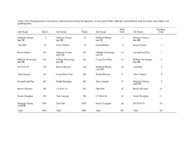
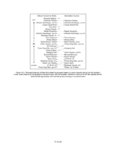
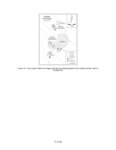
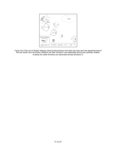
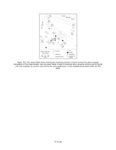
Show chrysocolla recovered from the N16 sites could have come from a local source, although they may also have arrived via long-distance exchange or procurement. As noted above, small pockets of high-grade copper ore exist in the Coppermine-Mormon Ridges area. Azurite and other copper minerals are also common in the western Verde Valley and the Prescott area, and to the west of Kingman (Hammons 1977). Green copper minerals are available from the south rim in the western end of the Grand Canyon as well (Weber and Seaman 1985). Turquoise does not occur in the Navajo Mountain region; the nearest sources are in the Verde Valley to the south or the Kingman area to the west (Hammons 1977; Johnston 1964; Pogue 1915). Other potential sources for this material include the Cerrillos Hills in north-central New Mexico or deposits in southern Colorado (Pogue 1915; Snow 1973). Thus it is not surprising that none of this material was recovered from the N16 sites. Turquoise is relatively rare at prehistoric sites in the Kayenta region, certainly far less common than in the Chaco Canyon region to the east (e.g. Judd 1954; Pepper 1996; Mathien 2001). Calcite and Gypsum White or translucent minerals are represented in the N16 collection by calcite and gypsum. Most of the 42 pieces of calcite recovered have good to excellent cleavage in one direction, producing thin (2-3 mm) tabular pieces that would have been suitable for manufacturing ornaments and beads. A few of the recovered pieces show evidence of abrasion, but most of the tabular calcite occurs as small unmodified fragments; even those without abrasion, however, probably represent lapidary debris. A few larger, rhombohedral calcite crystals were collected, but none of these show evidence of drilling or grinding. Tabular calcite is widespread in the local sandstones, deposited as a precipitate from ground-water movement through narrow fractures along bedding planes (Geib and Ambler 1985). Calcite is also available on Black Mesa and from the Chinle Formation exposed in canyons north of N16 (Foose 1982). Both tabular and crystalline calcite has been recovered from numerous other sites in the region (Anderson 1969:57, 1980; Beals et al. 1945:79; Geib 1985:404; Kidder and Guernsey 1919; Lindsay et al. 1968; Russell 1989:749, 754; Swarthout et al. 1986). Four pieces of gypsum were collected from the N16 sites, but only one exhibits evidence of grinding. All of the specimens are fibrous and white to translucent. The specific use of this material is conjectural, as it is too soft and friable to produce ornaments, and would be nearly colorless as a pigment. Two possible clusters of gypsum crystals, both light green in color, were recovered from Three Dog Site (these are listed as "Other" in Table 7.1). Gypsum occurs as precipitate deposits in the Chinle Formation, exposed in Piute Canyon. Gypsum crystals from excavations have been reported by Ambler et al. (1964:94) and Linford (1986:518), but the material is less common than other types of minerals at Anasazi sites. "White pigment" has been reported from excavations by Anderson (1980:38) and Foose (1982:326), and it is possible that such material is massive gypsum similar to that reported from excavations along the N21 road (Spurr 2002), although it might also have been fine white mudstone and siltstone like that reported by Russell (1989). Foose (1982:326) noted that selenite (clear, crystalline gypsum) occurs in the Wepo drainage on Black Mesa, but none of this material has been recovered from excavations west of that area. Manganese Nodules of manganese occur sporadically in Navajo Sandstone, where the material formed as a precipitate within joints and bedding planes. The nodules can be collected where they are separated from the sandstone through weathering (Geib and Ambler 1985). Thirteen samples of manganese were recovered from N16 excavations, the vast majority from three Basketmaker habitations. About half of the manganese exhibits evidence of abrasion, possibly to produce black powder for pigment. Manganese would have been an excellent source for the black paint on Tsegi Orange Ware, although the hardness of these small nodules may have prevented their use for this purpose; the lack of manganese nodules from Puebloan sites may support this. A more likely source of manganese for ceramic paint would have been pyrolusite (manganese dioxide), which is available as a soft earthy deposit at Marsh Pass (Beals et al. 1945:79) and northeast of Cow Springs (Harshbarger et al. 1957). No sources are known in the vicinity of the Rainbow Plateau, although we have not specifically searched for this material in our field surveys. No pyrolusite was recovered from the N16 excavations, although excavations near Kayenta produced bowls containing lumps of this material that were clearly intended for use as paint (Beals et al. 1945:79). Lignite V.7.4 |