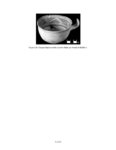
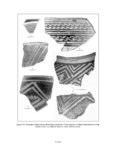
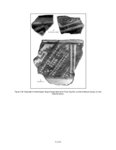
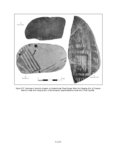
| OCR Text |
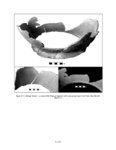
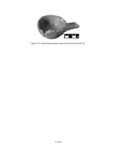
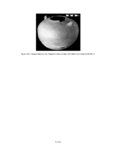
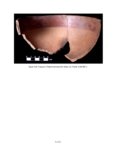
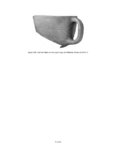
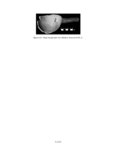
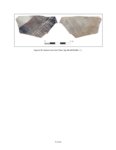
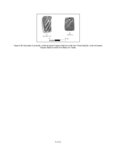
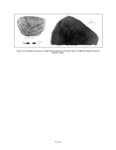
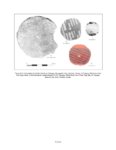
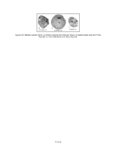
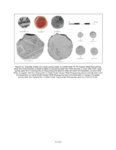
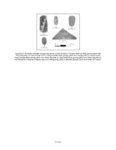
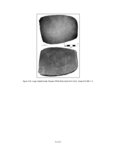
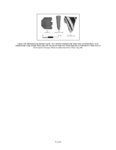
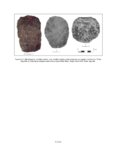
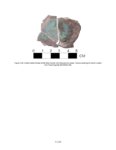
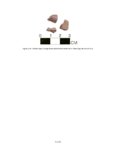
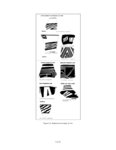
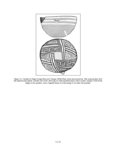
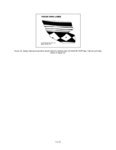
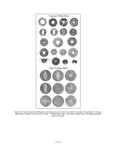
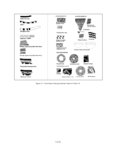
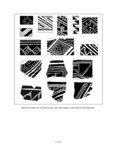
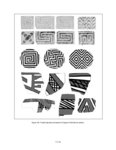
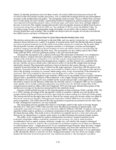
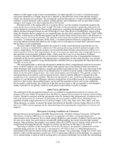
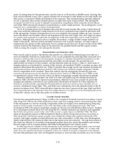
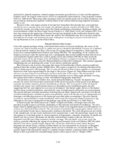
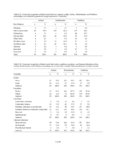
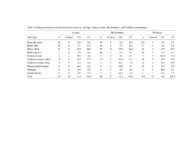
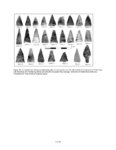
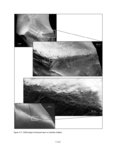
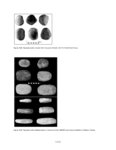
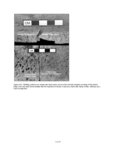
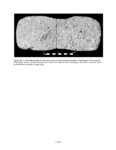
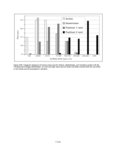
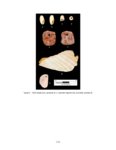
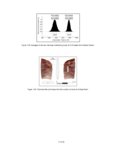
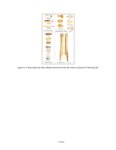
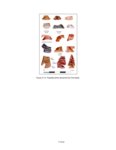
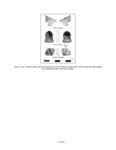
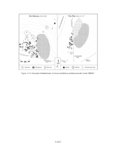
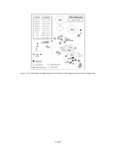
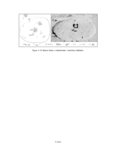
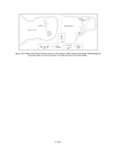
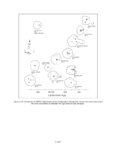
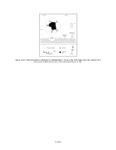
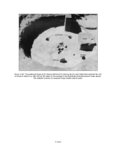
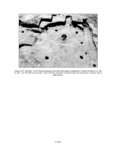
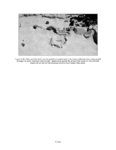
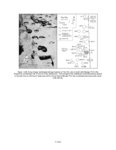
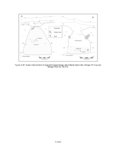
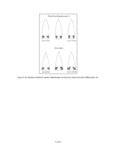
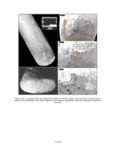
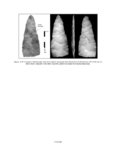
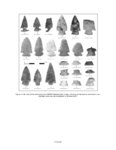
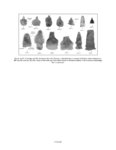
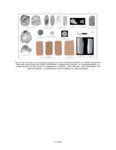
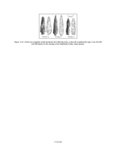
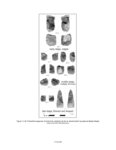
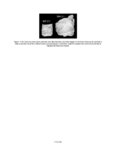
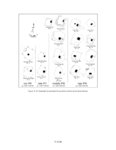
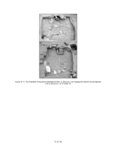
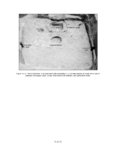
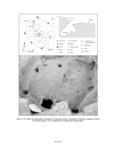
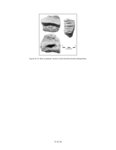
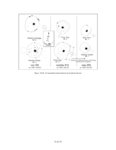
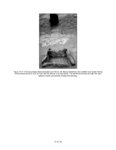
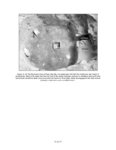
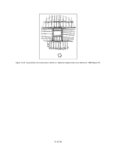
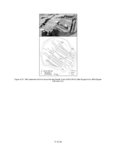
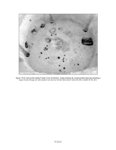
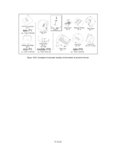
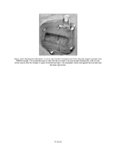
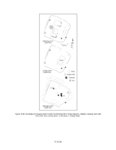
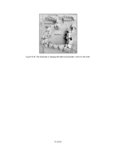
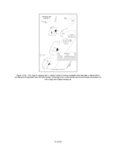
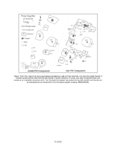
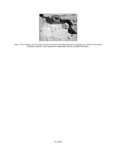
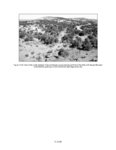
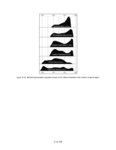
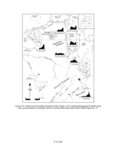
Show readily identifiable notching flakes than does the end of tool technique. Notching flakes were rarely identified at NMRAP Basketmaker II sites and the overall incidence was markedly lower than from Archaic sites: just 14 notching flakes were identified out of a total of 22,783 flakes from Basketmaker sites (0.1%) compared to 145 notching flakes out of a total of 9798 flakes from Archaic sites (1.5%). Horn Flakers and Point Morphology. To produce projectile points and large bifaces, western Basketmaker II flintknappers employed rods made of mountain sheep horn (Geib 2002, 2004). Excellent examples of these tools formed part of a hunter's tool bag cached at Sand Dune Cave (Cache 1, Lindsay et al. 1968:42; Geib 2004) at the foot of Navajo Mountain. Eight such mountain sheep horn rods or dowels were contained within a small bag made from the skin of a prairie dog, which was in turn within the overall dog skin bag. Detailed study of these specimens, including examination under a scanning electron microscope, has conclusively demonstrated that they had been used to fabricate flaked stone tools (Geib 2002). All but one of the eight tools from the cache contained minute fragments of silica embedded in their use-worn ends. The two size classes of horn flakers in the cache correspond with two distinct methods of stone tool reduction: robust horn flakers were used as punches for indirect percussion, and smaller horn flakers, once hafted to sticks with sinew and hide, functioned as composite pressure flakers. The limited work conducted at Atlatl Rock Cave in conjunction with this project also recovered an example of a Basketmaker horn flaker (Figure 14.36). This particular stubby rod (7.3 cm long, 1.6 cm wide, and 1.1 cm thick) is shaped like a flattened dowel in cross-section with a slight curve in long-section that follows the original arc of horn it was made from. This item is stained brown and exhibits a polish from handling and both ends exhibit extensive use-wear, consisting of pitting, grooves, and scratches. The usewear evident on the Atlatl Rock Cave specimen is consistent with using the flaker as an indirect percussion punch. Minute fragments of siliceous stone are embedded within pits on each worked end- certain evidence for use of the tool in working stone. The embedded silica fragments are visible under a light microscope but are most clearly viewed and imaged with a scanning electron microscope as shown in Figure 14.36. The horn flaking tool from Atlatl Rock Cave is quite different from the flakers of the Sand Dune Cave cache, which have a freshly worked appearance, exhibiting both a natural color and abrasion marks, but lacking polish; most are also much longer in length. The differences result because the Atlatl Rock Cave flaker is worn down in size from use and may have been discarded because it was no longer serviceable as an indirect percussion punch. Basketmaker II horn flakers created the distinct flaking pattern seen on western Basketmaker II projectile points (Figure 14.37). The horn flakers, whether used as indirect punches or for pressure flaking, produced wide flake initiations and corresponding wide flakes because of their large and somewhat soft contact areas. The resulting broad flake scars are readily appreciated on the 6 hafted points and 16 dart point preforms from the Sand Dune Cave cache (see Figure 14.35; also Geib 2002: Figures 18.9-18.12), bifaces doubtless made with the horn flakers from the same bag. The original production flake scars are best seen on points in primary condition, those that occur in caches and burial contexts and are evidently little used. As points are resharpened or morphologically changed through use for tasks other than as projectile tips, the original production scars become obscured. But in primary form, the flake scars observed on western Basketmaker II points appear to be principally from percussion flaking, likely indirect percussion, and these scars are from flakes that simultaneously thinned and shaped, such that finished points appear different from most Archaic corner-notched and side-notched dart points of the same region. The latter were usually finished by pressure flaking and have narrow flake scars and far more extensive edge trimming (see discussion in Geib 2002). An excellent example of western Basketmaker flake scars is provided by the biface (point preform) shown in Figure 14.37, which came from Pit 1 from the floor of Structure 3 at Kin Kahuna, a structure with a radiocarbon age of cal. AD 130-430. Resharpened & Use-Modified Points: The NMRAP Assemblage. Unlike the preform shown in Figure 14.37, none of the finished projectile points recovered from NMRAP Basketmaker sites can be considered to be in "primary form," all having been broken, resharpened, or otherwise use-modified (Figure 14.38). This is the usual state of affairs when dealing with collections other than cached artifacts or those placed with the dead. Even the two whole points in the upper left (a & b) appear to have been resharpened to their current small size and "b" exhibits use-wear from extensive cutting use. Those two and "c," despite being small in size, exhibit the classic morphology of western Basketmaker II side-notched points. Points "d-f" on the other hand can be considered corner-notched; the two whole examples appear to have been resharpened at least once. Point "i" is another good example of a western Basketmaker corner-notched point and in this case it is made of white siltstone from Black Mesa, a material type that was preferred by local Basketmaker groups on this mesa (see Parry 1987a:25, 1987b:209, Table 6-3). This point along with those that flank it on both sides in the figure (g-k) came from the site of Sin Sombra, and reflect the range V.14.46 |