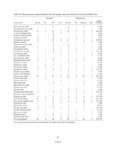
| OCR Text |
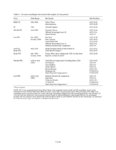
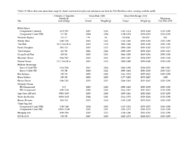
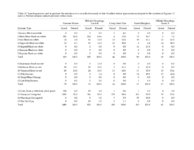
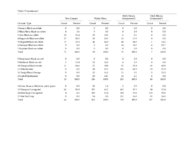
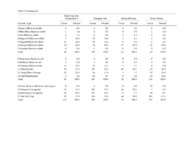
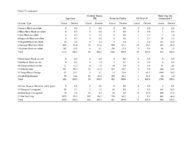
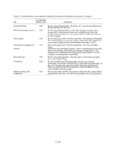
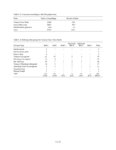
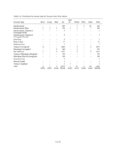
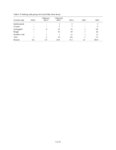
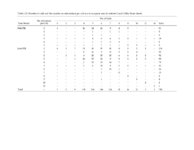
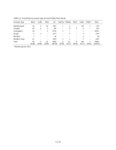
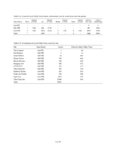
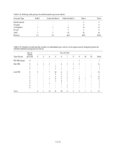
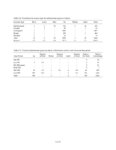
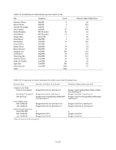
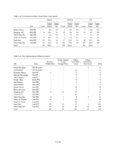
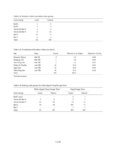
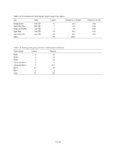
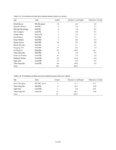
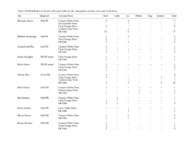
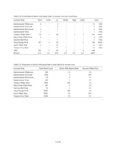
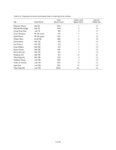
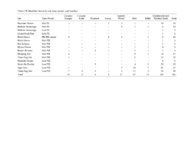
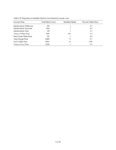
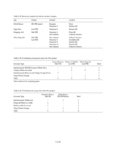
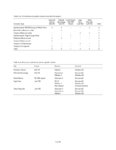
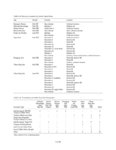
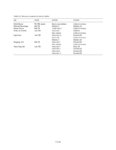
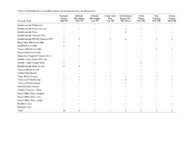
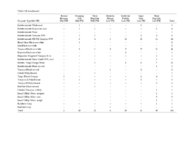
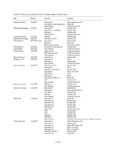
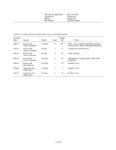
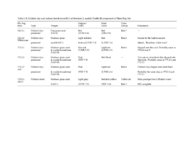
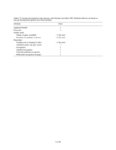
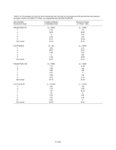
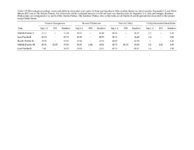
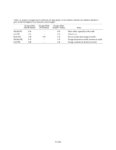
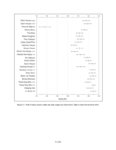
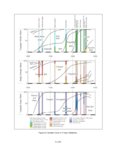
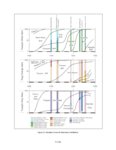
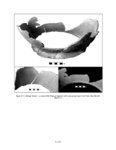
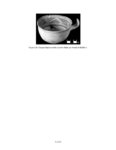
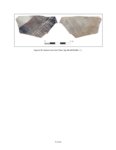
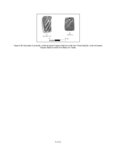
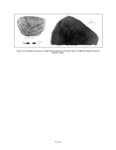
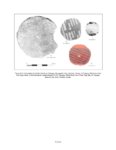
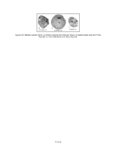
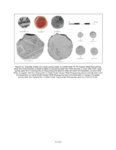
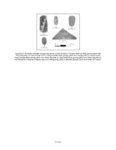
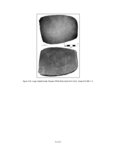
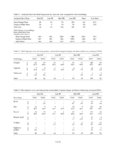
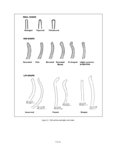
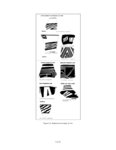
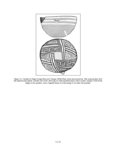
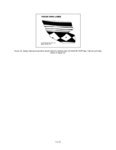
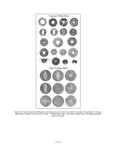
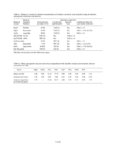
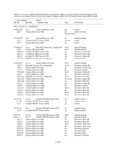
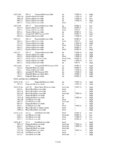
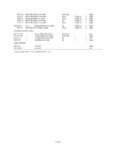
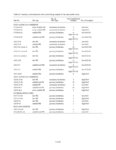
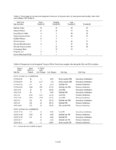
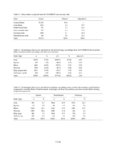
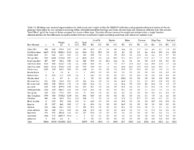
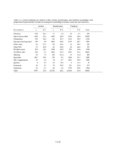
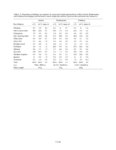
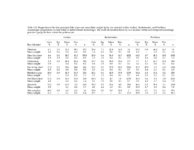
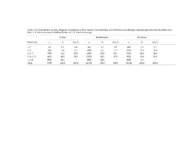
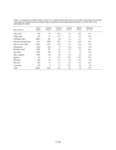
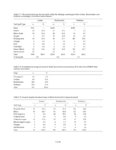
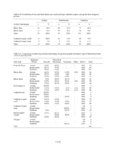
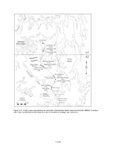
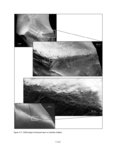
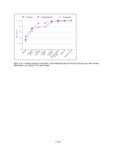
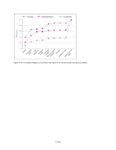
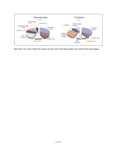
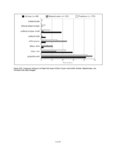
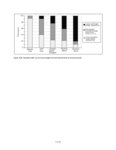
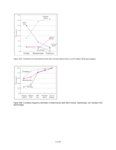
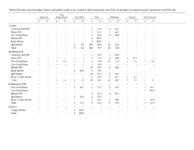
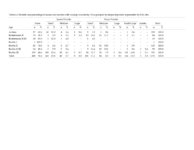
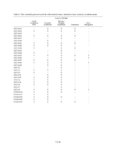
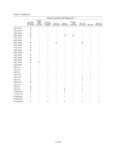
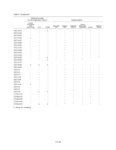
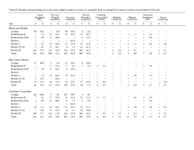
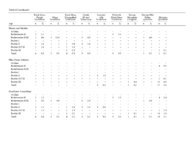
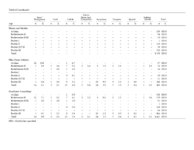
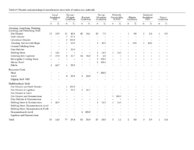
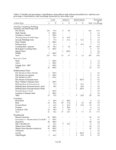
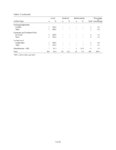
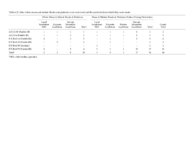
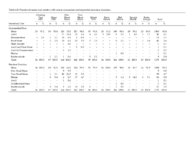
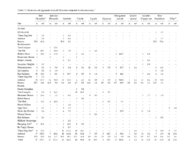
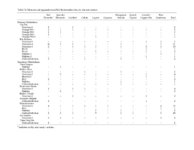
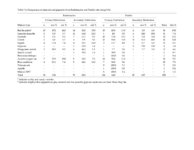
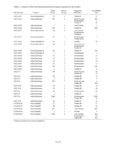
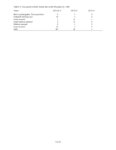
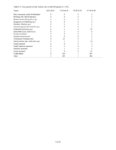
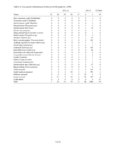
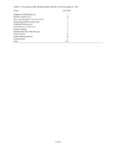
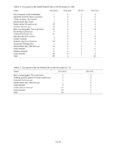
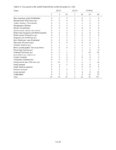
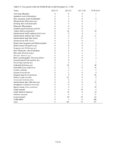
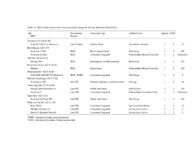
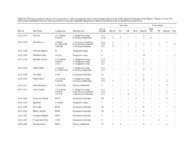
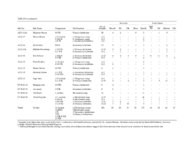
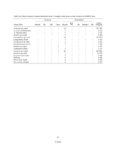
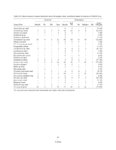
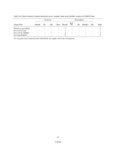
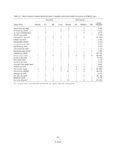
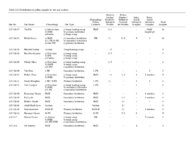
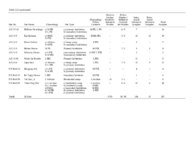
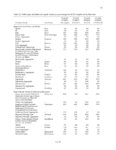
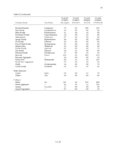
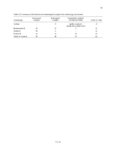
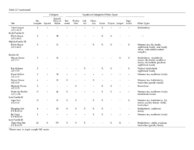
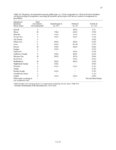
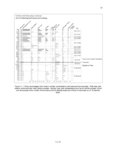
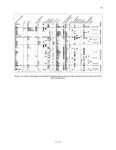
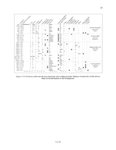
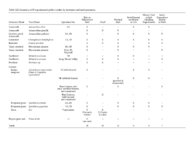
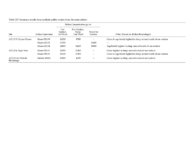
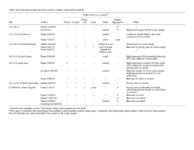
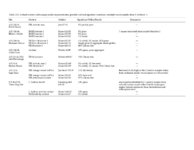
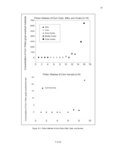
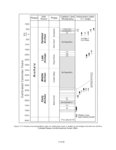
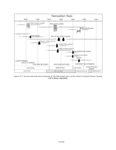
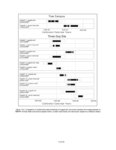
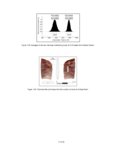
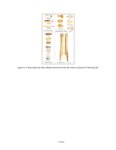
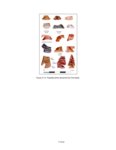
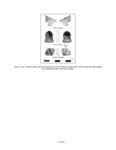
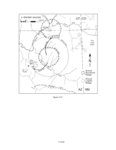
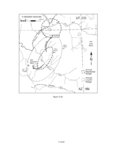
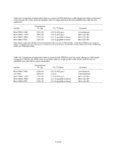
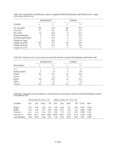
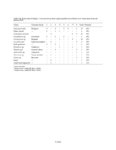
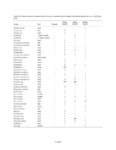
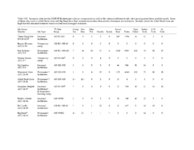
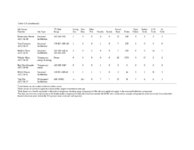
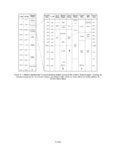
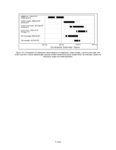
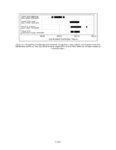
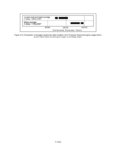
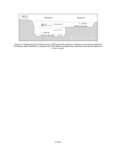
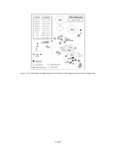
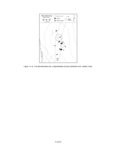
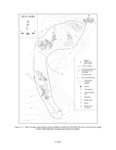
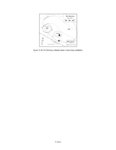
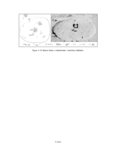
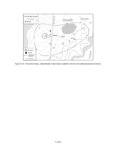
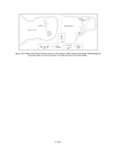
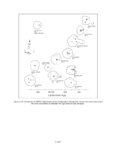
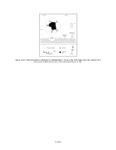
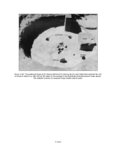
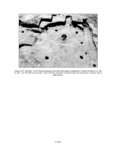
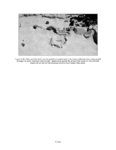
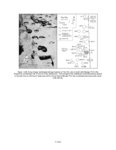
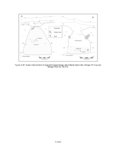
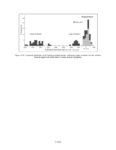
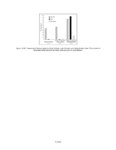
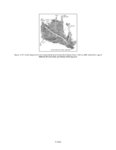
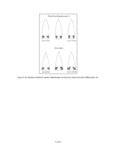
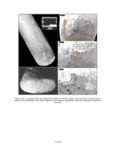
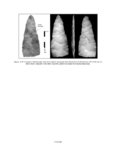
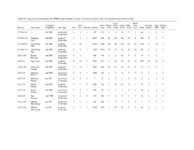
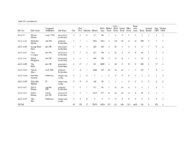
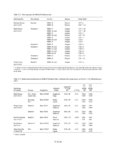
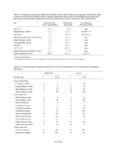
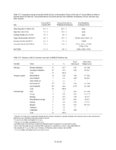
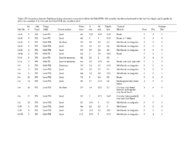
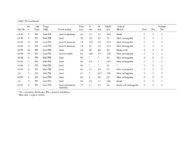
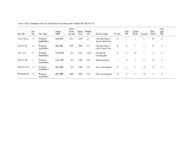
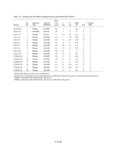
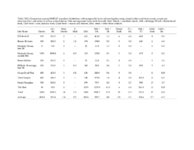
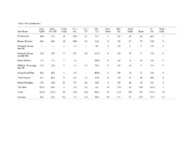
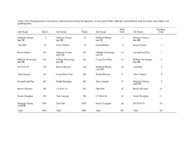
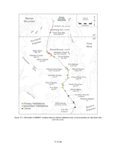
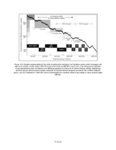
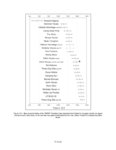
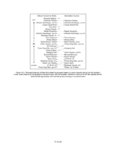
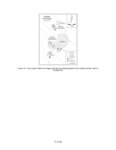
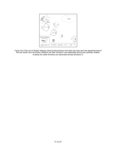
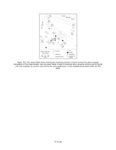
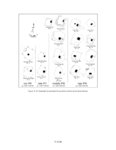
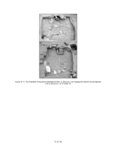
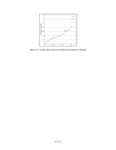
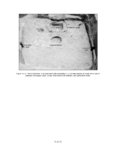
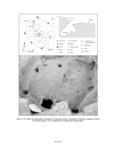
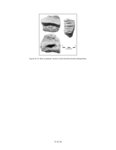
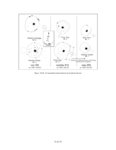
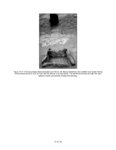
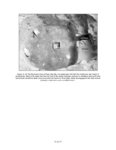
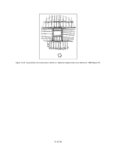
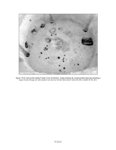
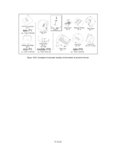
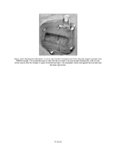
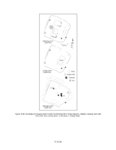
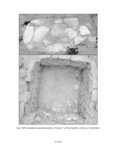
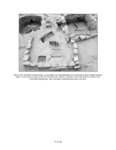
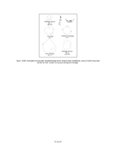
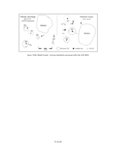
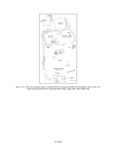
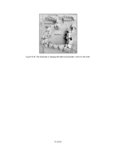
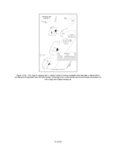
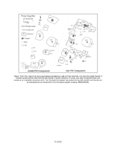
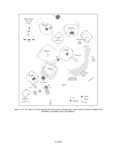
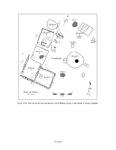
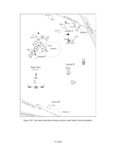
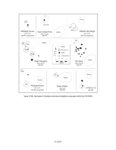
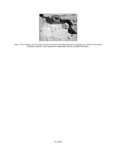
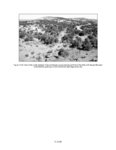
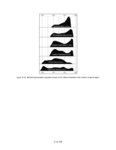
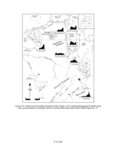
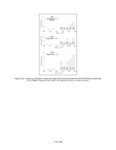
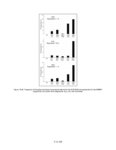
Show until the late Pueblo III aggregated pueblos, and perhaps not until the even larger Pueblo IV sites (Lekson 1988, 1989; Steward 1937). These "true" kivas had their genesis in the structures considered here and represent an evolved form of a long-standing architectural tradition and its important social concomitants. As can be seen from Figure 15.16, the six NMRAP structures classified as kivas represent a diverse lot, which is partly a temporal byproduct but not totally since the Pueblo III group was also highly variable. Indeed there appears to have been greater diversity in kiva form during Pueblo III in the Kayenta region than during Pueblo II. The diversity found on the NMRAP might be a consequence of different populations migrating to the Rainbow Plateau during Pueblo III (Ambler et al. 1983; see Appendix F this report), since kivas seem more variable from that time than from Pueblo II prior to evidence for the in-migration of populations from outside the Kayenta region proper. Although the Pueblo III kivas are variable in form, there is one aspect that is similar, which has to do with the simplification of floor features. Pueblo II and early Pueblo III kivas can have numerous and diverse floor features, such as the example from Hammer House, but by late Pueblo III the diversity and number of features had been reduced to the bare essentials. This issue, which seems to relate to the functional role of kivas, is examined in greater detail below. Kivas are fully subterranean, the deepest structures at any of the NMRAP Puebloan sites; all had ventilators and roof entries. Table 15.10 provides some basic measurements and data for each of these structures. They range in depth from 1.1 to 2.1 m, with the shallowest example being something of an outlier since the next value is 1.4 m and the mean kiva depth is 1.61 m. Sometimes the occupants had to work extra hard to ensure that adequate depth was obtained. Both of the small late Pueblo III kivas in the NMRAP sample were cut into the underlying sandstone bedrock, up to 35 cm at Sapo Seco and almost 60 cm at Waterjar Pueblo. Figure 15.17 shows the interior of the Sapo Seco kiva looking across the hearth at the ventilator shaft, which entered the structure on a slant at the top of the bedrock. Navajo Sandstone formed the lower wall of the structure, its surface dimpled from pecking; alongside the vent opening, the sandstone that formed the floor exhibited drill holes and a grinding slick from using the bedrock as a work surface. In their desire to achieve a certain minimum depth, the Kayenta were seldom stopped; at Pottery Pueblo there are kivas cut entirely into bedrock, with the sandstone then ground smooth (Stein 1984:110-128). Two of the NMRAP kivas have a recess, both at Three Dog Site (Figure 15.18). The lack of a recess on the middle Pueblo II kivas is to be expected since this feature appears to have been adopted after these sites were abandoned. Late Pueblo II kivas commonly have a recess-indeed it is unusual for them not to have such features. Nearly all other previously excavated kivas built after AD 1100 in the Kayenta area have this feature, and in the Navajo Mountain area they are nearly always partially, if not completely, lined with masonry (e.g., Small Jar Pueblo and Upper Desha Pueblo in Lindsay et al. [1969:128-130, 168- 171]; see also sites AZ-J-19-3, AZ-J-19-9, AZ-J-31-8, AZ-J-31-2, and AZ-J-31-5 in Schroedl [1989:153-159, 228-240, 340-349, 407-411, 465-467, and 471-476]). The BMAP excavation reports provide many examples as does the report for excavations for the Navajo Generating Station coal haul railroad (see summary in Germick 1989). This is partly what makes the examples from Sapo Seco and Waterjar Pueblo (Figure 15.19) stand out as outside the norm. Indeed, given their small size and lack of recess they appear like a throwback to an earlier form of pit house. Yet similar structures were in use into the start of Pueblo III at sites north and west of the Kayenta region, such as Coombs Village (Lister et al. 1960). It is not total speculation to imagine migrant groups from such outlying communities establishing settlements on the Rainbow Plateau and retaining some previous construction patterns. The similarity of the kivas at Water Jar Pueblo and Sapo Seco, and their dissimilarity from other kivas of the Kayenta region, hints that the same group or related individuals built both. Perhaps indicative of this is the refitting of a trough metate fragment from the Sapo Seco kiva with the two other fragments of this same tool recovered from the Waterjar Pueblo kiva. The largest portion of this tool came from within the ventilator of the Sapo Seco kiva, where it appears to have been placed to block or seal off the opening. The smaller fragments came from the fill of the Waterjar Pueblo kiva, including one portion from floor fill. The refit tool exhibits an impact blow to the non-work face that split the artifact into the three pieces, an activity that evidently occurred at Waterjar Pueblo when the kiva was abandoned. Whether struck to purposefully "kill" the tool or simply to split it in two because the whole slab was not needed to cover the ventilator opening at Sapo Seco, the tool provides a link between the two sites, which along with other evidence might reflect the resettlement of the Waterjar Pueblo occupants to Sapo Seco. The middle Pueblo II kivas exhibit the roof support pattern common to the Kayenta region of four posts partially recessed into the walls and "framing" the hearth. Two posts are placed along the wall where the ventilator enters, one to the SE and one to the NE. In later kivas with a recess these posts occur V.15.18 |