| OCR Text |
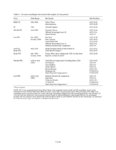
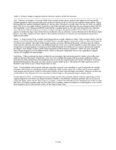
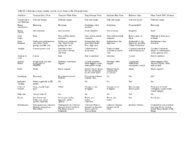
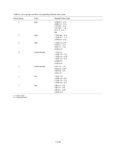
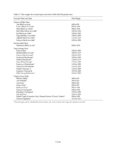
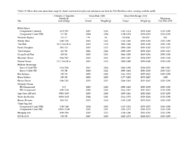
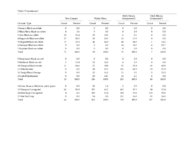
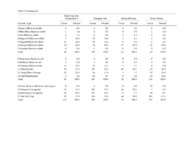
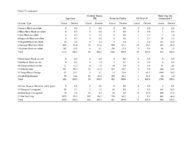
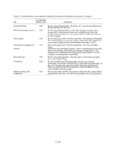
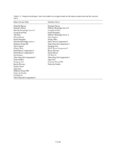
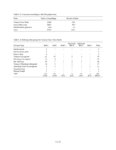
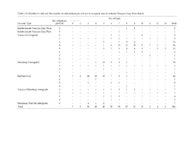
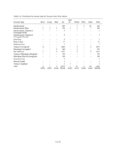
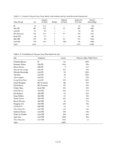
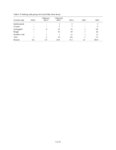
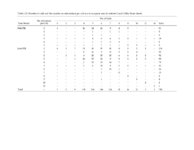
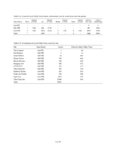
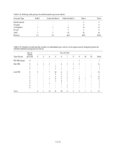
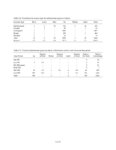
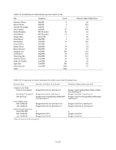
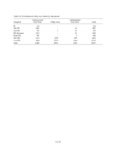
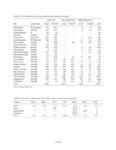
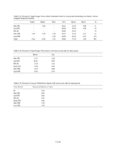
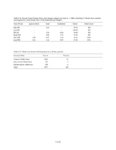
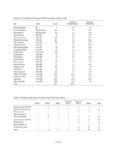
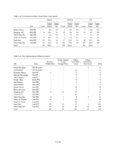
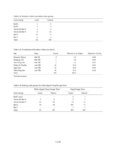
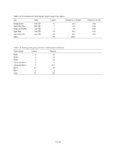
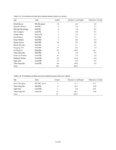
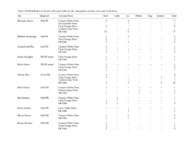
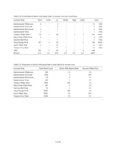
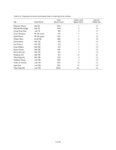
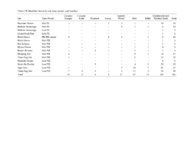
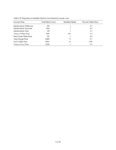
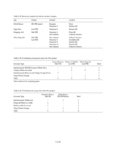
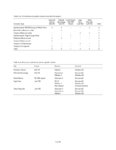
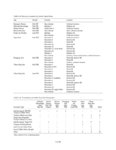
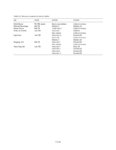
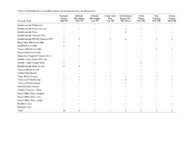
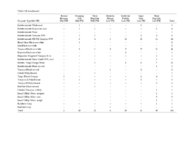
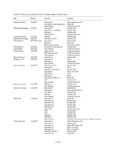
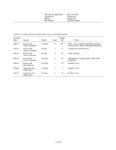
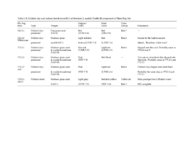
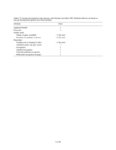
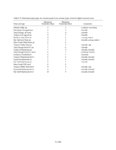
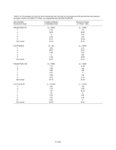
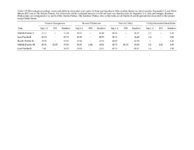
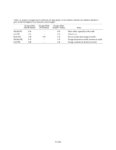
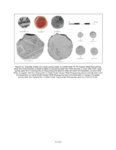
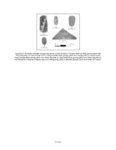
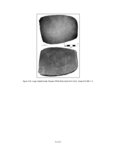
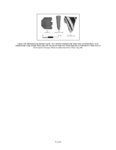
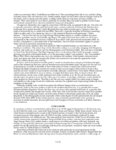
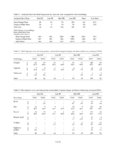
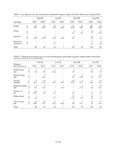
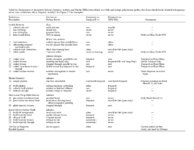
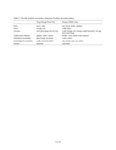
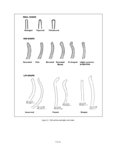
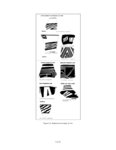
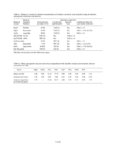
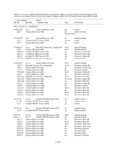
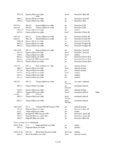
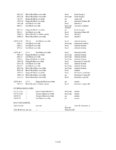
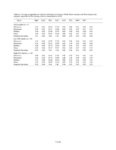
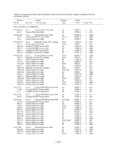
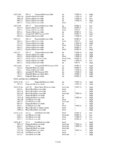
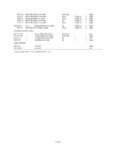
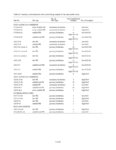
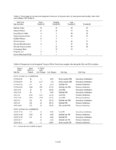
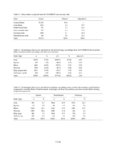
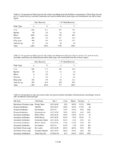
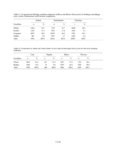
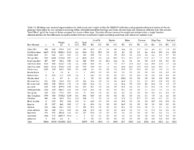
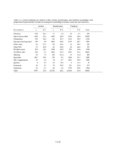
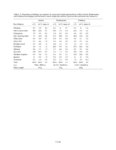
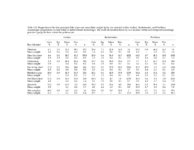
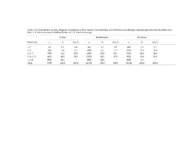
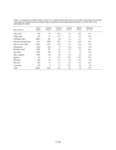
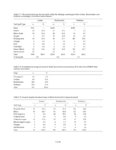
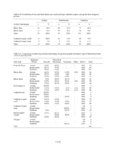
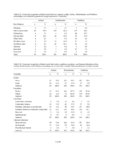
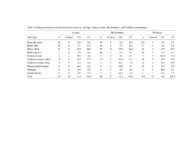
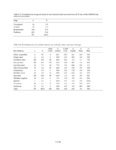
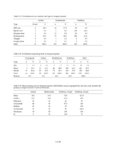
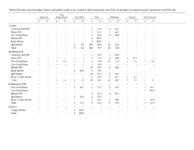
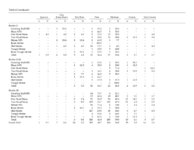
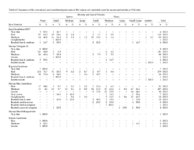
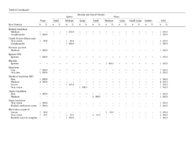
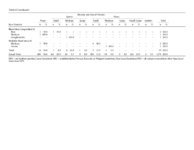
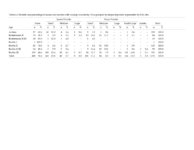
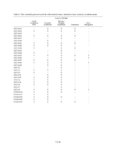
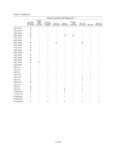
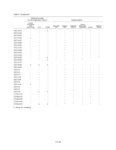
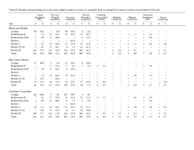
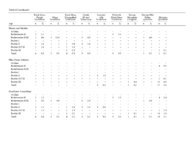
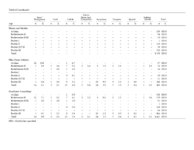
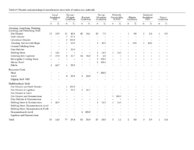
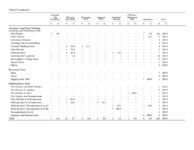
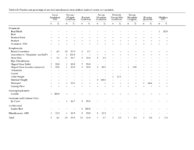
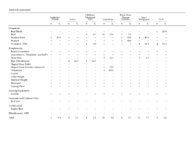
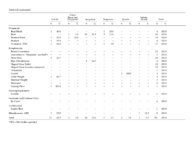
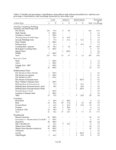
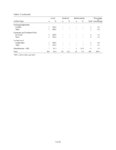
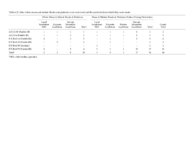
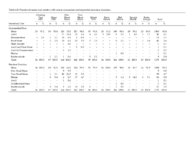
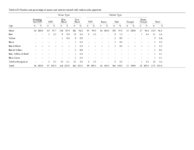
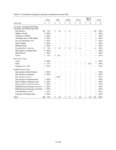
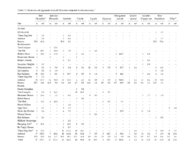
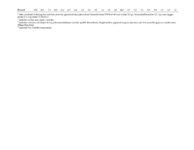
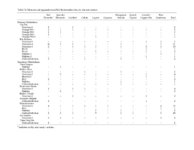
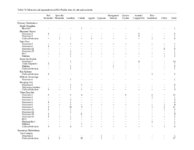
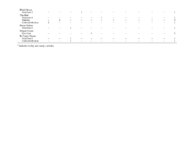
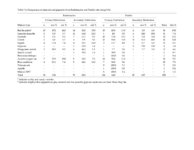
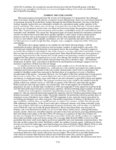
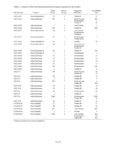
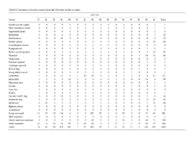
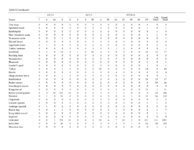
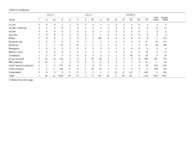
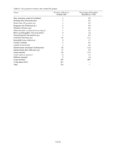
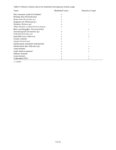
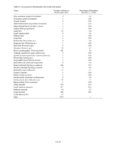
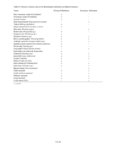
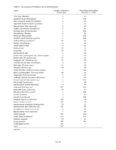
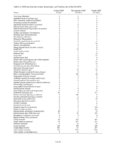
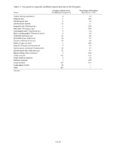
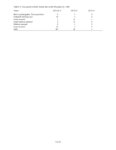
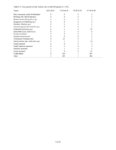
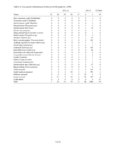
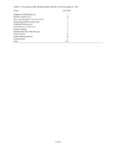
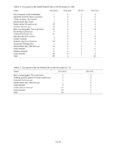
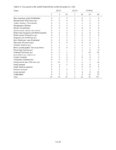
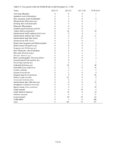
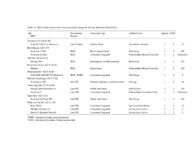
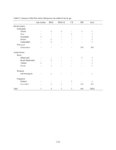
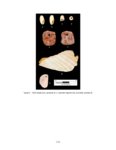
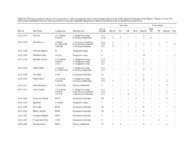
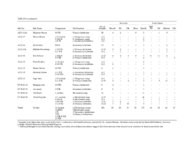
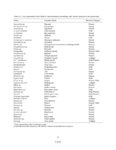
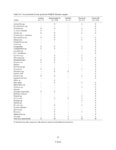
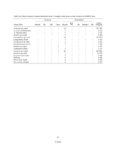
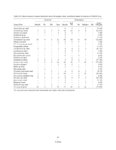
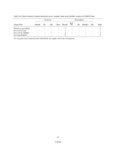
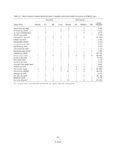
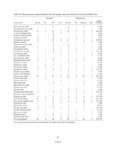
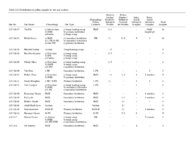
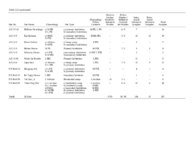
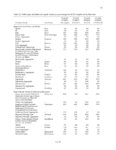
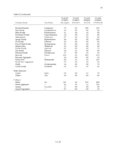
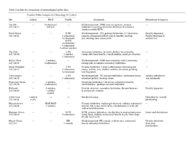
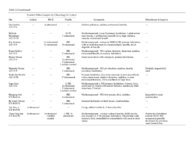
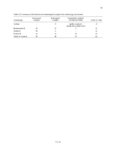
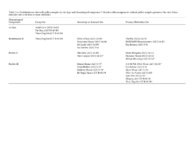
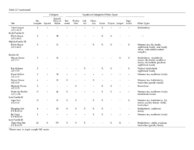
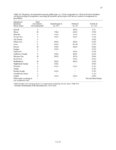
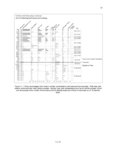
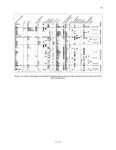
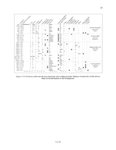
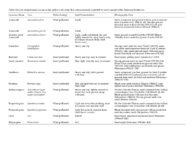
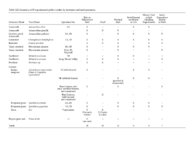
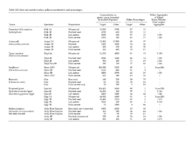
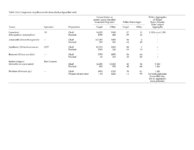
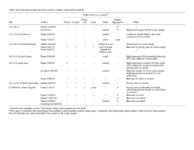
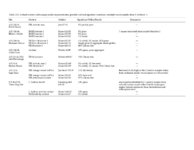
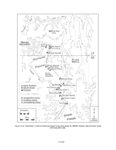
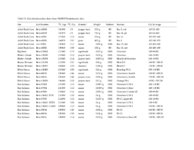
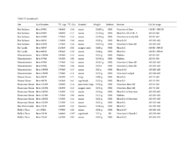
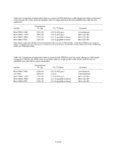
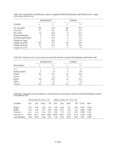
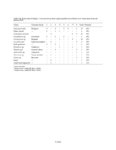
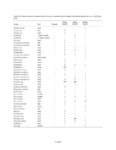
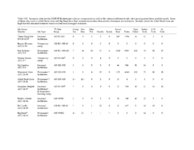
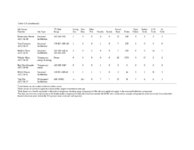
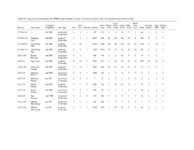
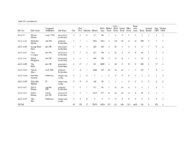
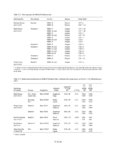
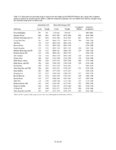
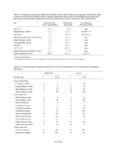
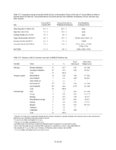
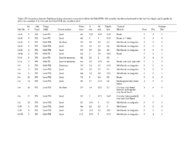
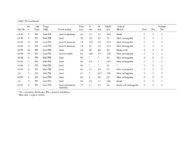
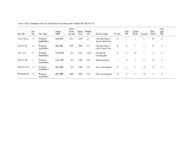
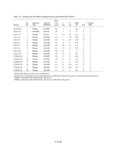
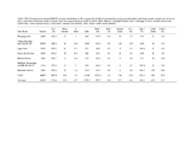
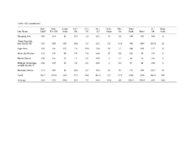
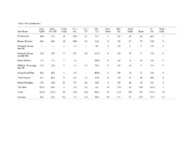
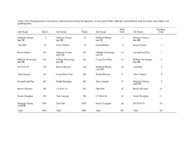
Show paste. Counting times for the spectrometer crystals were set at 30 seconds or 40,000 counts, meaning that each crystal collected X-rays from a specific element for 30 seconds or until 40,000 counts were made, and then analysis continued with the next element in the sequence. This standard setting provides adequate counts to precisely measure the elements present in major and minor concentrations. The microprobe computer converts X-ray counts to element concentrations using Bence-Albee correction factors (Bence and Albee 1968) and records elemental concentrations as oxide weight percents. The resulting data can be exported into a spreadsheet for statistical interpretation. Ten to 12 separate pieces of ash temper were analyzed on each ceramic thin section. Sherds from all sites were randomly intermixed during analysis to avoid any systematic error caused by electronic drift of the microprobe. Analysis of temper grains was not systematic (for example, following linear transects across the sherds) but included volcanic ash fragments of all sizes and shapes. For a few large ash pieces, two points were analyzed to confirm the homogeneity of the ash composition and to verify analytical precision. Although only volcanic ash was targeted for analysis, a range of other temper material was noted in the sherds. The EDS system identified inclusions such as quartz, feldspar, or small lumps of unprocessed clay present in the sherd paste. It was a simple matter, however, to pick out the ash for WDS analysis based on the distinctive shape of the crescentic and pointed shards and the angular centers, while scanning the samples in the microprobe chamber. Standardization and Detection Limits Prior to each analysis session, the electron microprobe was calibrated by determining count rates on a series of materials with known compositions. X-ray counts generated by analyzing these standards were stored in a reference file used by the microprobe computer to calculate elemental concentrations in the study samples. The standard material used for calibration of each element, the spectral line and spectrometer for analysis of the elements, and the detection limits are listed in Table 4.1. Each series of sample analyses was bracketed by analysis of the volcanic ash standard (VG568) to monitor accuracy and precision throughout the analytical run. Table 4.2 presents the average results and standard deviation for microprobe analyses of each element studied in the volcanic ash standard sample, compared with the known composition of the standard. These data indicate that the microprobe consistently produces accurate and precise analyses for rhyolitic volcanic ash (cf. Izett et al. 1988; Perkins et al. 1998), so the compositional analyses of the volcanic ash in the sherds and geologic samples should also be reliable. Detection limits for each element (see Table 4.1) were calculated using the method described by LeMaitre (1982:188-189). At low element concentrations, detected X-rays may actually be part of the background radiation rather than X-rays produced by the element of interest. It is thus important to determine detection limits, especially for elements that are present in minor or trace amounts. In our analysis, all elements except MgO, TiO2, and MnO were consistently above the detection limits at the 95 percent confidence level. TiO2 values fell below detection less than 2 percent of the time. MgO and MnO were frequently below the detection limit, but neither element is of significance for identifying the source of rhyolitic volcanic ash, so this data pattern is of little concern. Ceramic Sample Selection Our electron microprobe research began in 1996 with a sample of 16 sherds from test excavations at seven sites along N16. The results of this exploratory study were encouraging, both in demonstrating the utility of the microprobe as a tool for studying composition of the ash temper and in demonstrating intriguing patterns of ash temper distribution across sites that likely reflected exchange networks. The study continued in 1998 with analysis of geologic samples of volcanic ash collected from Blue Canyon. Analysis of 32 ash-tempered sherds from five sites along the N21 corridor increased our database and supported the distribution patterns noted in the initial N16 ceramic samples (Spurr and Wittke 2004). The final phase of microprobe analysis in 2002 included 62 sherds collected during data recovery excavation at sites along N16. Additional ceramic samples were studied from three sites explored during the 1996 analysis, and larger samples of sherds from four new sites were added. At this time, four ash-tempered sherds collected from the surface of other sites in the region were also analyzed. The long-term nature of this study has allowed us to include ash-tempered ceramics from sites across the northern and western Kayenta region and to compare patterns that reflect both geological and cultural factors. In selecting ceramic samples for the microprobe study, between six and eight sherds were included from most sites to characterize as broadly as possible the volcanic ash temper (Table 4.3). In cases with more than one spatial or temporal component, at least two sherds from each component were selected. For sites that produced only a few ash-tempered ceramics or were not fully excavated, only two or three V.4.4 |