| OCR Text |
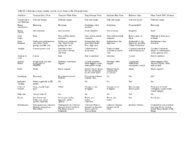
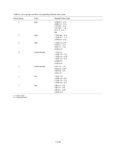
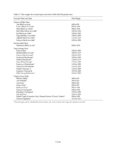
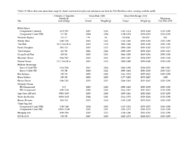
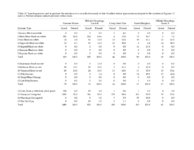
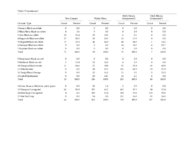
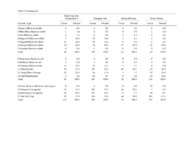
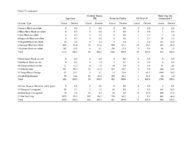
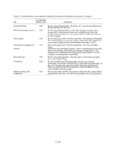
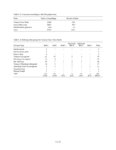
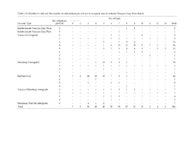
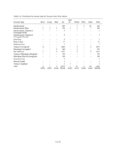
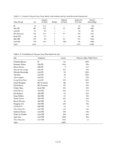
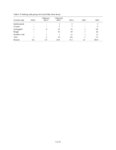
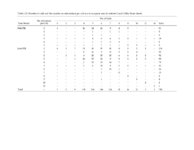
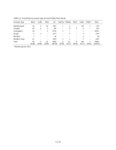
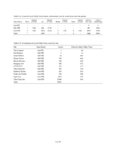
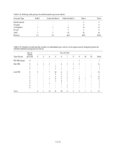
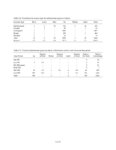
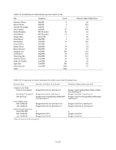
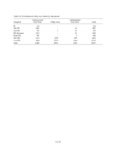
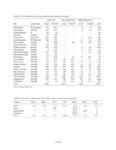
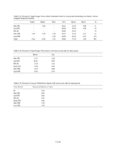
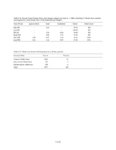
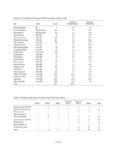
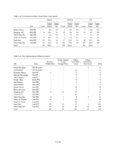
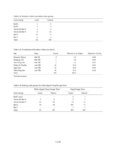
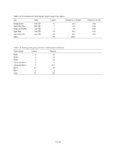
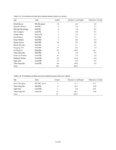
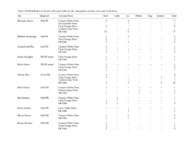
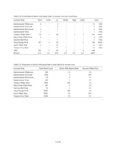
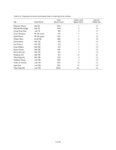
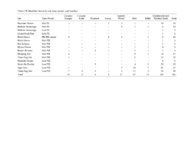
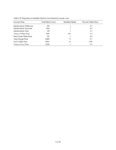
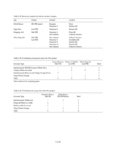
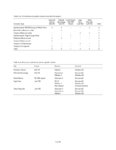
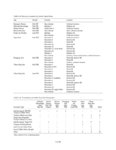
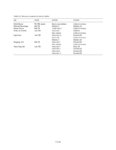
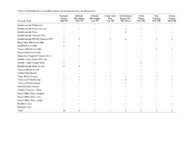
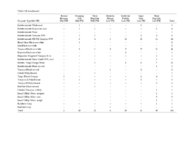
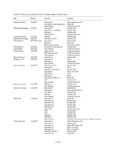
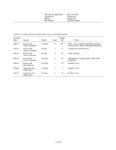
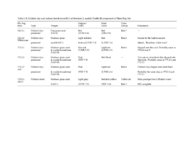
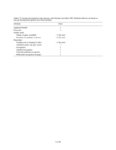
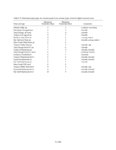
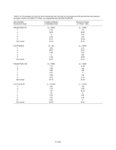
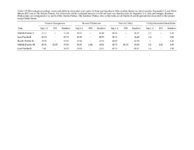
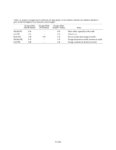
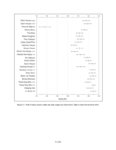
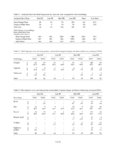
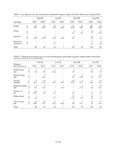
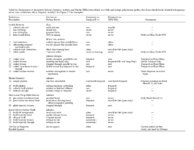
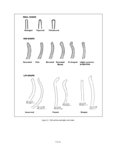
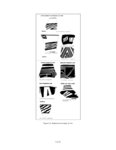
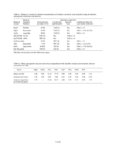
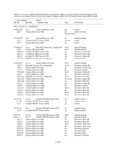
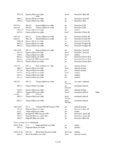
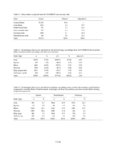
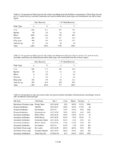
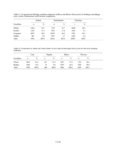
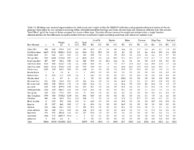
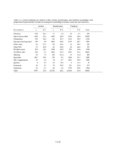
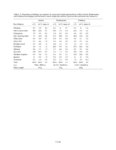
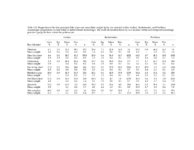
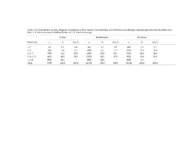
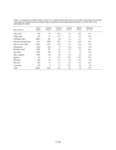
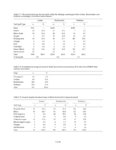
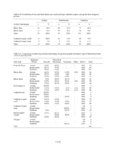
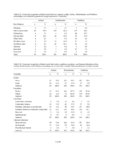
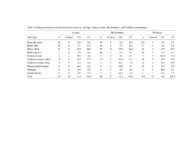
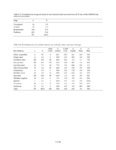
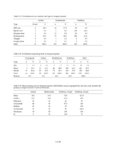
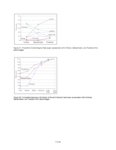
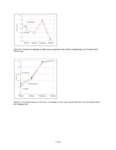
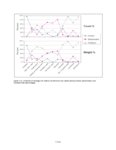
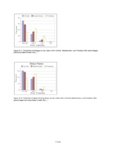
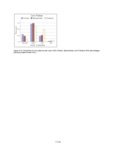
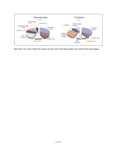
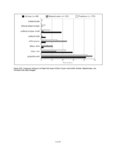
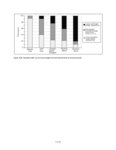
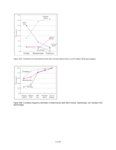
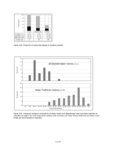
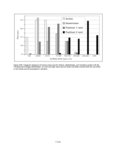
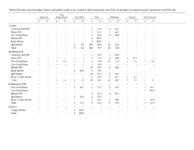
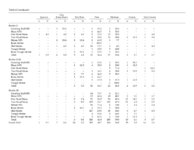
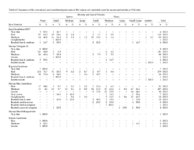
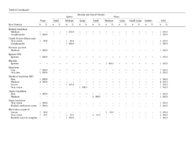
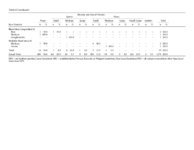
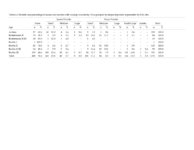
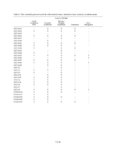
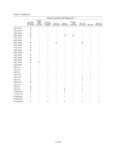
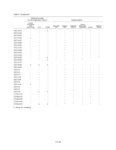
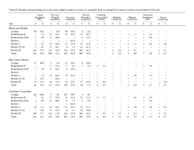
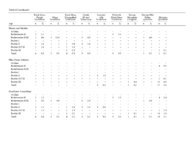
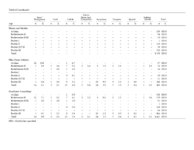
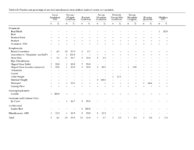
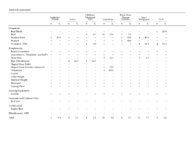
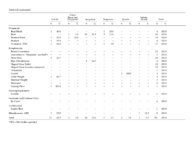
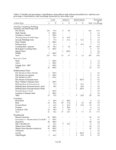
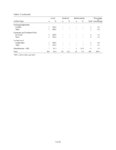
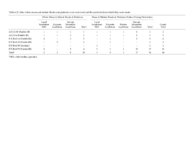
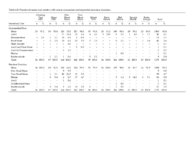
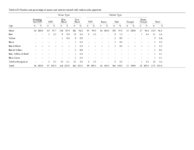
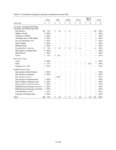
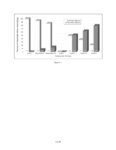
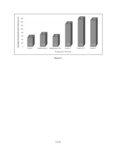
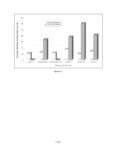
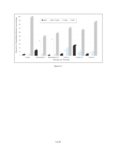
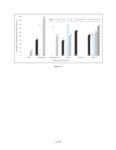
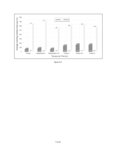
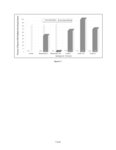
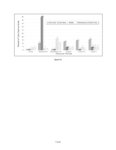
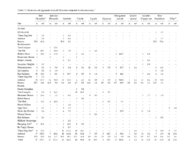
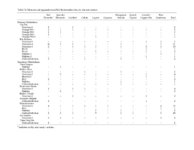
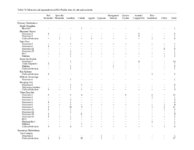
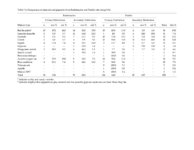
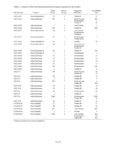
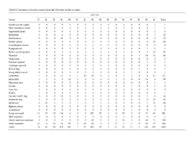
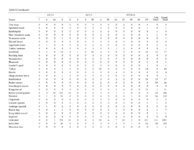
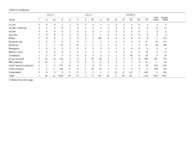
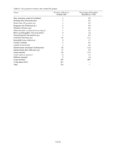
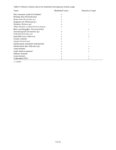
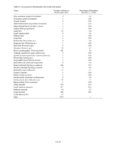
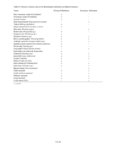
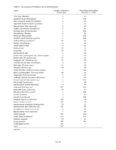
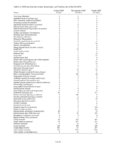
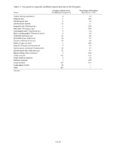
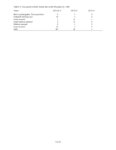
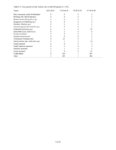
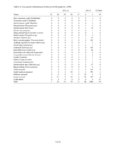
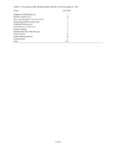
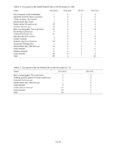
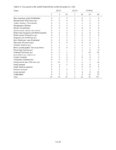
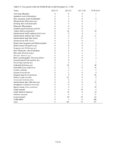
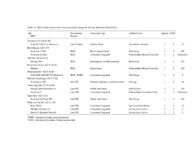
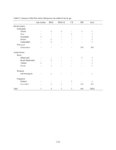
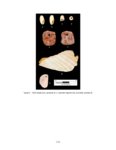
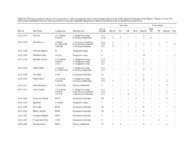
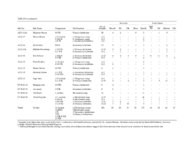
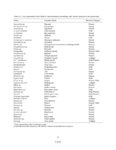
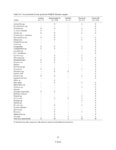
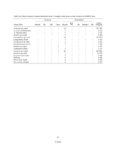
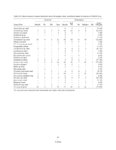
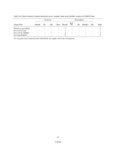
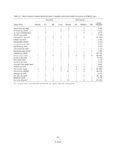
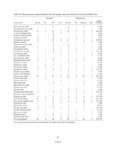
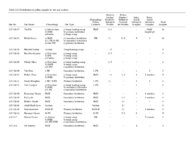
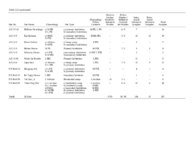
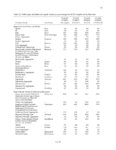
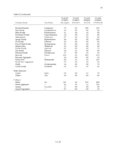
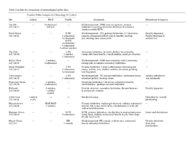
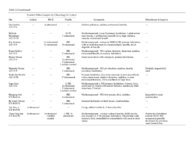
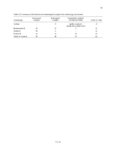
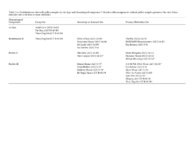
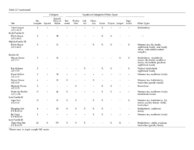
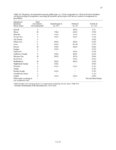
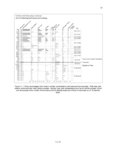
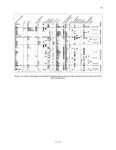
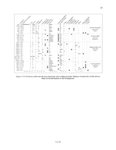
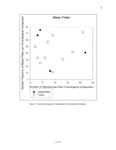
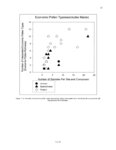
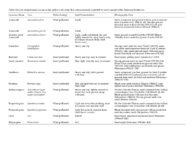
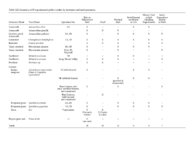
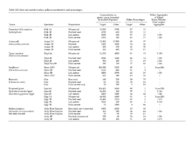
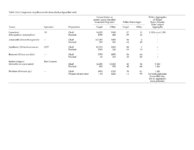
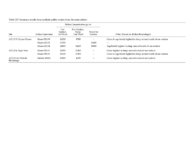
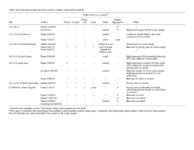
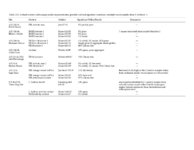
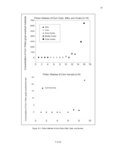
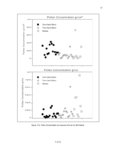
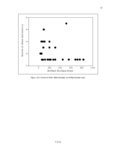
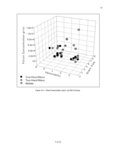
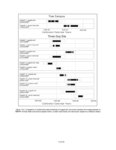
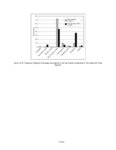
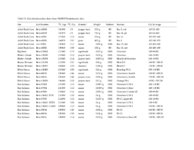
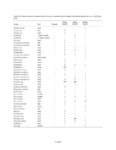
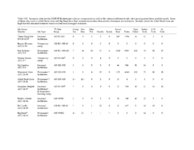
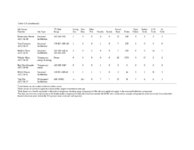
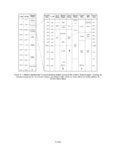
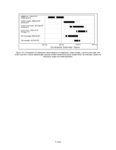
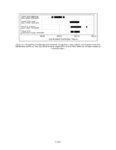
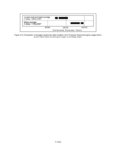
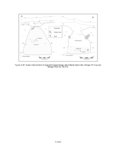
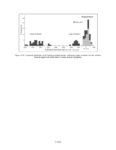
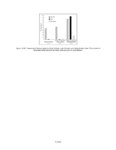
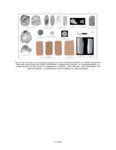
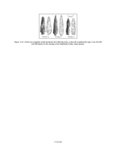
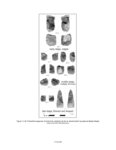
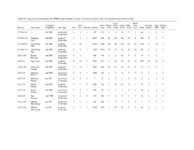
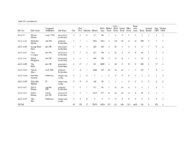
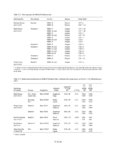
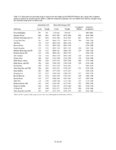
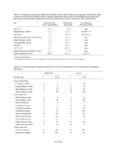
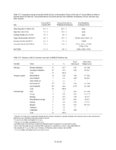
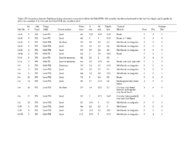
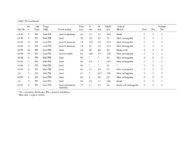
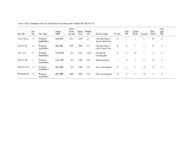
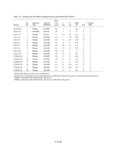
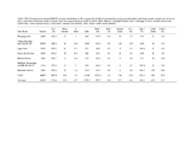
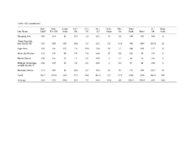
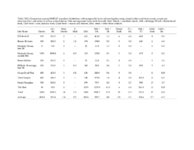
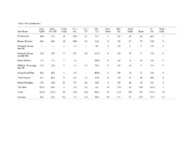
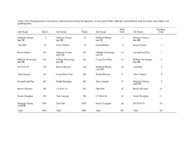
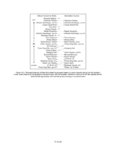
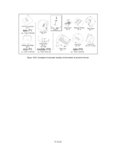
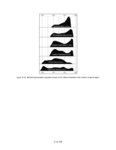
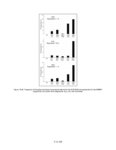
Show next chapter, only certain highlights are covered here, mainly pertaining to raw material use and production. Flaked Facial Tools There are 721 items in the entire collection that are classified as flaked facial tools (Table 5.18). As explained in the Methods section, this class included all items with flattened cross-sections and just two principal opposing faces (faciality) that had been shaped in plan or thinned in section by flaking. Production input on these tools might be quite minimal, as in a unidirectionally edged flake, or substantial, as with a projectile point that had been bifacially thinned by percussion flaking and then shaped by pressure flaking. Twenty-four of the tools could not be assigned to a specific temporal period, but the rest came from temporally assigned contexts with more than half derived from the Puebloan sites; just under 12 percent of the tools came from Archaic sites with 33 percent from Basketmaker sites. The high proportion of flaked facial tools from the Puebloan sites is interesting given the relatively small proportion of biface thinning and pressure flakes in the Puebloan debitage, especially when compared with the Archaic and Basketmaker assemblages. For much of this discussion only tools assigned to a temporal period are used but for a few comparisons, such as looking at the overall use of raw materials, the entire collection is used. Morpho-Functional Type This is a variable derived by collapsing the numerous categories of another variable designated as stylistic/morpho-functional type into seven principal tool "types" plus an indeterminate category. The types consist of projectile point, biface, drill, unifacial knife, unifacial scraper, bifacial edged scraper, and chopper (Table 5.19). These types are for the most part self-explanatory since they are categories regularly used by archaeologists, though a few words are in order. It is readily recognized that these categories are a hodgepodge of inferred function and descriptors of morphology or technology-as of yet no one has devised an alternative way for simple characterization of assemblages. Tools were designated on their inferred primary form at the time of discard. A projectile point is obviously a biface, but the former is a more specialized case of the latter, having been "stylized" so to speak, principally by haft design. These tools clearly could have been used for other tasks besides being a projectile, and this clearly seems to have been a common practice for Basketmakers, whose large darts were frequently used in a variety of tasks, some of which ultimately precluded the projectile function altogether (boring stone pipe bowls for example). A point so heavily modified for or from use in a non-projectile task such as drilling was classified as that rather than as a projectile point. Drills are also almost invariably bifaces but like projectile points, a more specialized form. Bifaces may have had a variety of functions, which may have shifted as the tool morphology changed, especially as they got thinner. As a quick means to parse out this aspect, bifaces were further specified as being either thick or thin (Table 5.20). The term unifacial knife was applied to a flake, usually a thin one, that had been retouched on one face in an invasive manner resulting in an acute edge, one that seemed to have been used for cutting rather than scraping. This is in contrast to items classified as unifacial scrapers, which have a rather steep edge angle and often micro-scarring indicative of scraping use. There are also tools evidently used for scraping that have been marginally flaked on both faces, hence the class bifacially edged scraper. The unifacial scraper class was also further specified as being either small or large (Table 5.20). A few items, often fragmentary, could not be specifically identified as a given tool form and thus got lumped into the indeterminate category. The temporal distribution of the morpho-functional types reveals several interesting patterns (Table 5.19). Tabulating the flaked tools like this without having the cores and nodular tools included makes the assemblages of the three temporal periods look moderately similar, especially with regard to projectile points and bifaces (Figure 5.18). This is true despite the marked differences between the three temporal periods evidenced by the debitage, as discussed earlier. Given the far greater reliance on biface reduction in the Archaic assemblage and the heavy emphasis on core reduction in the Puebloan assemblage, we would have perhaps expected to see a higher proportion of projectile points and bifaces in the former assemblage than the latter. However, the proportions are nearly equal and indeed the Puebloan assemblage has a higher proportion of projectile points. Bifaces alone account for 15 percent more of the Archaic assemblage than the Puebloan assemblage, and although a modest difference, this is not as large of a difference as might be expected based on the debitage. Bifaces and points combined account for 74 percent of the Archaic assemblage compared to 65 percent of the Puebloan assemblage. One obvious explanation for this trend is that a high proportion of the Puebloan projectile points were made by pressure flaking (Table 5.21), such that most or all of the production debris was never recovered. In an V.5.30 |