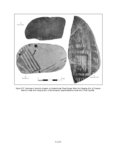
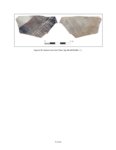
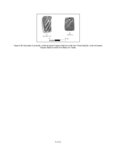
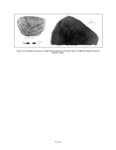
| OCR Text |
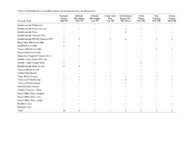
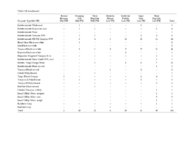
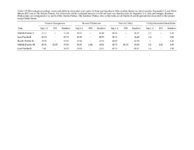
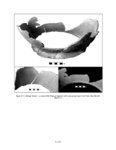
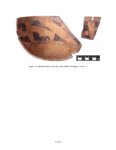
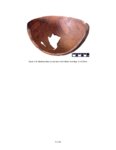
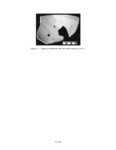
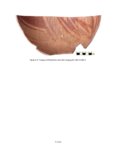
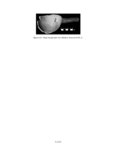
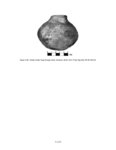
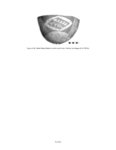
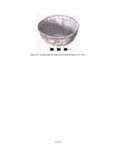
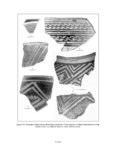
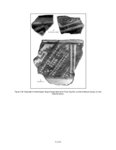
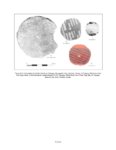
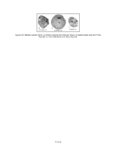
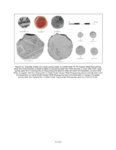
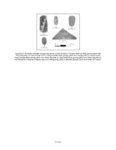
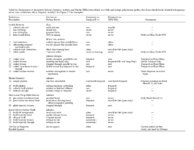
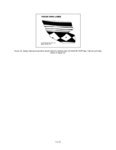
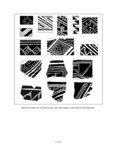
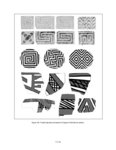
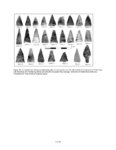
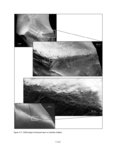
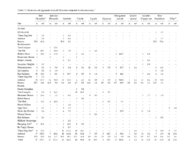
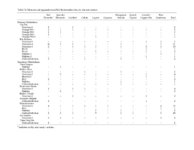
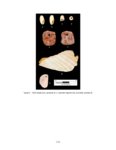
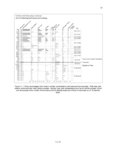
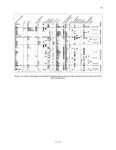
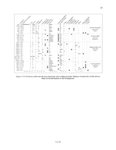
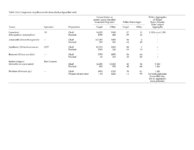
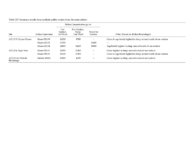
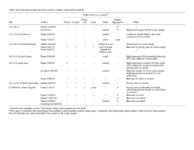
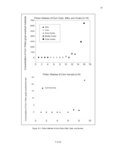
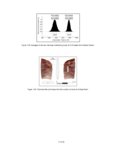
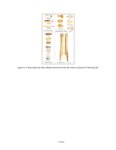
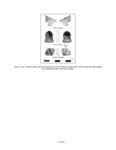
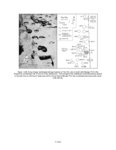
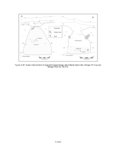
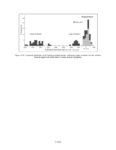
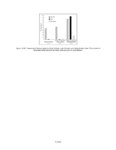
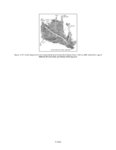
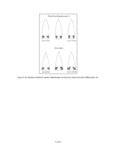
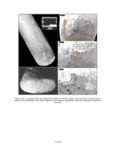
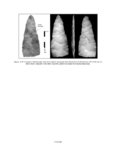
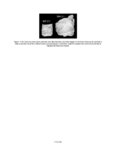
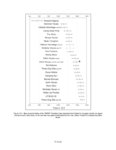
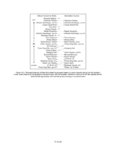
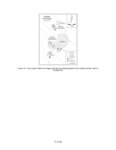
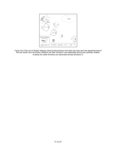
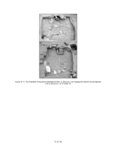
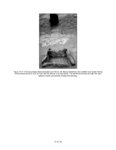
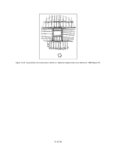
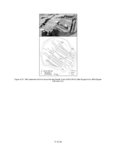
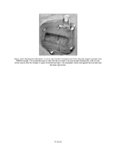
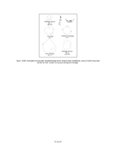
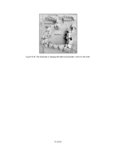
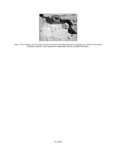
Show probably demonstrating participation in a common ideology or symbolic system. Is it possible to know anything about that symbolic system? This is another question entirely, one that archaeologists usually dismiss as unscientific and therefore not worth asking. Nonetheless, archaeologists are making significant inroads into understanding prehistoric symbolic systems in the Southwest (Plog 2003; Van Pool 2003; Ortman 2000a; Taube 2000; and others). What did painted pottery vessels represent to the makers and users of these vessels? Can we know anything about what the vessels meant, what the decoration meant, and what painting meant? In some cases, I think we can at least construct some plausible scenarios by using ethnography, metaphor theory coupled with some understanding of specific languages and cosmologies, and cross-media comparison. One can start with a search for patterns that cross media and appear in ethnography, and ask if the data set in question might fit a larger pattern. For example, white/orange, jar/bowl dichotomies and the dual decorative styles might be expressions of interpenetrating, complementary dualities that structure many other aspects of the Pueblo world, such as earth/sky, village/exterior spaces, this world/underworld, wet/dry, summer/winter, farming/hunting, and feminine/masculine. Do we see resemblances between pottery styles, shapes, or colors and dualistic patterns in other media? Do Puebloan languages refer to pottery and other containers or other clay items in terms that link them to other media, ritual practices, gender, or cosmological ideas? And finally, can we propose plausible symbolic meanings for Kayenta Anasazi pottery styles and forms that can be compared with those inferred for their neighbors and their probable Puebloan descendants? If so, we can add new clues to our understanding of cultural affiliation and the organization of pottery production as well as ancient ideologies. Metaphors Scott Ortman (2000a) makes a strong argument that in at least some parts of the Pueblo world, particularly the Mesa Verde area, pottery vessels were understood as visual metaphors for textiles and baskets. Mesa Verde area potters imitated particular features of coiled basketry in some styles, such as Mesa Verde Black-on-white, and plaited basketry in others. Textile patterns, and to a lesser extent basketry patterns, can be discerned in Little Colorado and Cibola whiteware traditions. Flagstaff and Tusayan black-on-white types in the Tusayan White Ware pottery strongly resemble contemporaneous textile patterns (Larralde 1977; Leavitt 1962). In comparing Tusayan White Ware and Tsegi Orange Ware with textiles, coiled baskets, and plaited baskets, I hope to demonstrate that whiteware refers most clearly to textiles and coiled baskets, while most Tsegi Orange Ware refers to plaited baskets. Ortman provides a series of correlations between features of ceramic decoration and their derivations from textile and basketry media. For example, a line painted around the entire circumference of a pottery bowl rim probably derives from the colored rim coil found on coiled baskets from Basketmaker times to around AD 1150. Systematic comparison of each of these features, particularly those we can identify on bowl rims, should yield consistent patterns of association between particular kinds of pottery and containers in other media. If Kayenta pottery does not correlate consistently with other media, this would indicate that Kayenta potters did not share the same metaphors as their Mesa Verde neighbors, an equally interesting result. Unfortunately, such a systematic comparison would be time consuming and beyond the scope of the research design. Instead, I perused the N16 project drawings of decorated bowl rims from middle to late Pueblo III contexts, and estimated relative frequencies of Ortman's diagnostic features. Note that only bowl rim sherds and partially reconstructible bowls are included. Results Tusayan and Kayenta Black-on-whites affiliate most closely to contemporaneous loom-woven cotton textiles, including intricate negative painted patterns with offset-quartered layouts structured by broad lines, dot-in-square motifs, and mosquito-bar and fine crosshatch underframes. These features echo those of large painted cotton blankets from the Kayenta area (Figure 3.8). While the majority of the black-onwhite bowl design field is filled with textile-like patterns, their interior walls below the rim often include framing devices derived from coiled basketry, such as thick-thin framing lines, and medium and broad framing lines. These vessels sometimes include features characteristic of plaited basketry as well, such as hatched elements, which could just as easily represent diagonal twill tapestry weave textiles. These Kayenta tradition black-on-white types lack many features identified by Ortman as characteristic of contemporaneous Mesa Verde Black-on-white from Colorado, such as ticked rims, braided rim motifs, and "musical notes" on parallel line frames on interior walls as framing devices. Resemblances between Kayenta types and textile-based western Mesa Verde styles (Ortman 2000a:638) are closer. This is no surprise, given the closer geographic proximity and the appearance of more western than eastern imported Mesa Verde sherds in the project area. V.3.9 |