| OCR Text |
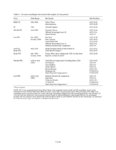
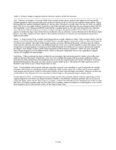
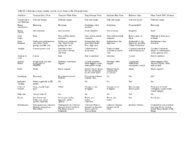
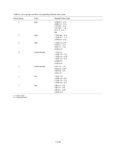
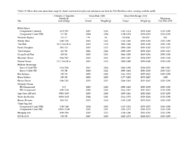
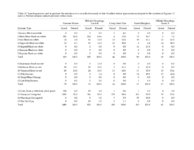
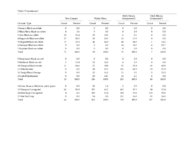
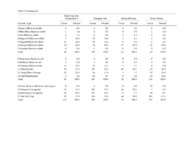
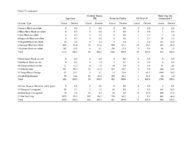
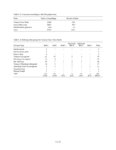
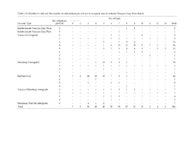
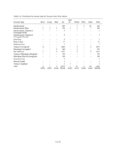
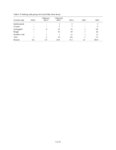
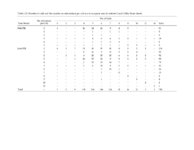
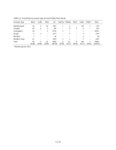
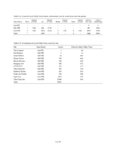
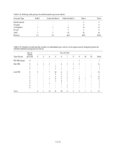
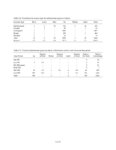
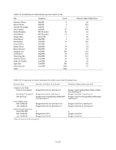
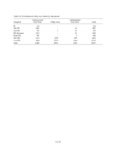
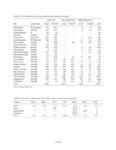
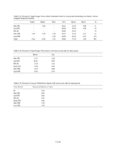
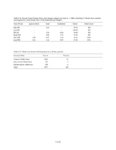
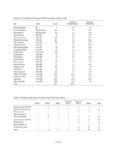
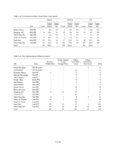
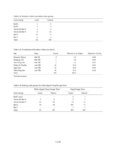
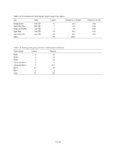
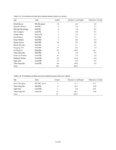
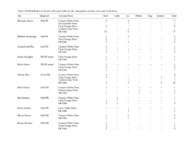
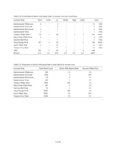
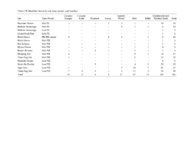
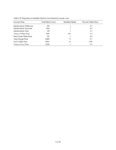
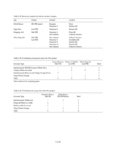
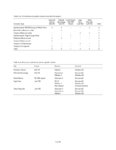
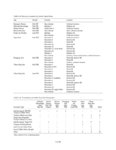
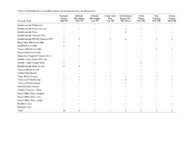
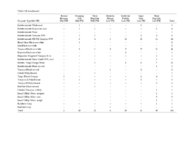
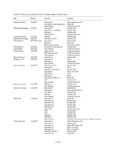
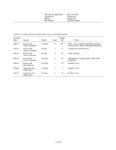
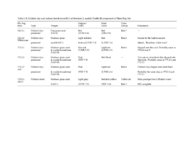
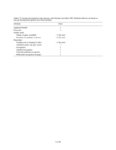
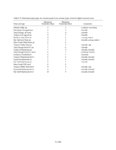
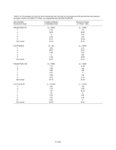
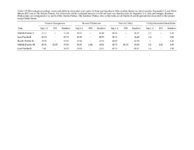
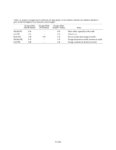
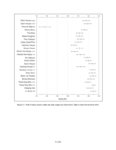
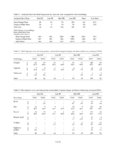
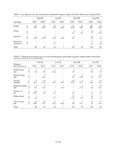
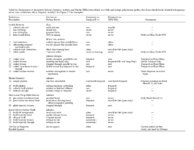
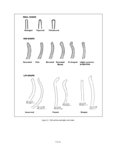
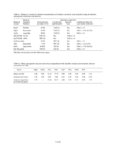
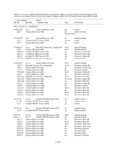
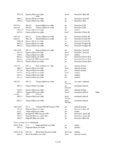
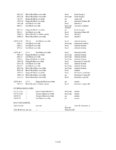
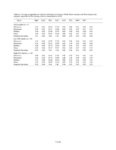
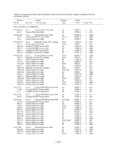
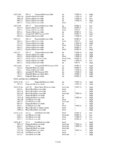
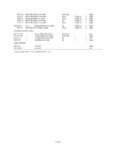
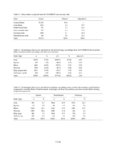
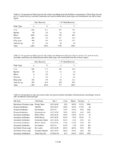
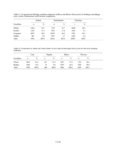
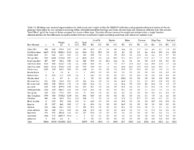
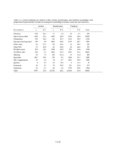
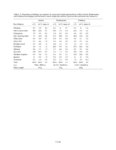
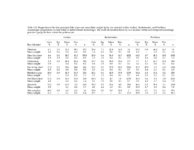
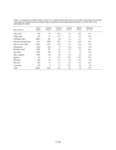
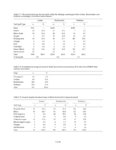
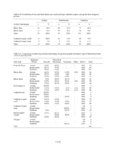
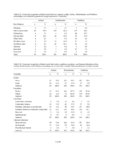
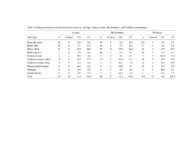
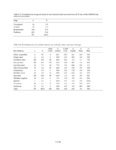
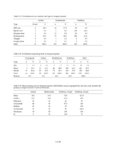
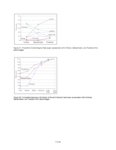
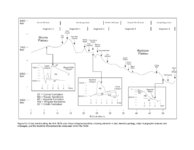
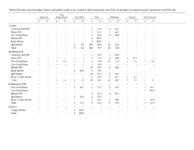
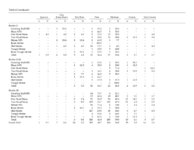
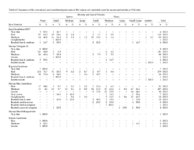
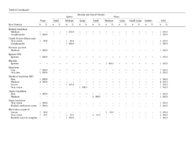
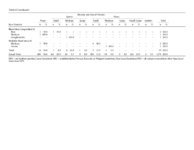
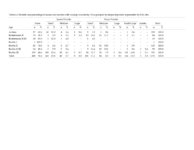
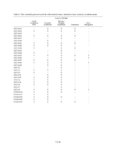
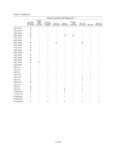
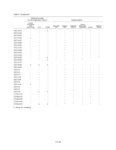
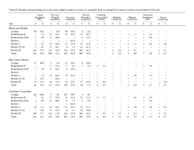
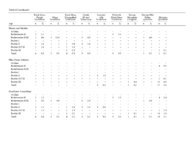
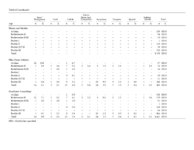
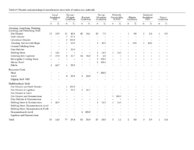
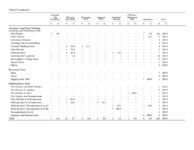
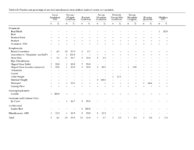
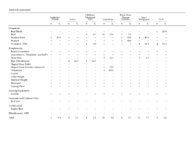
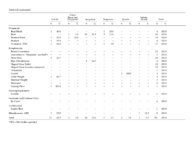
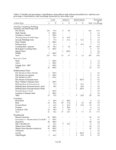
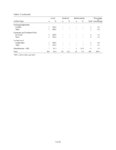
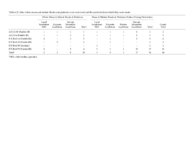
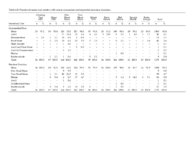
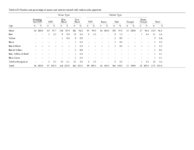
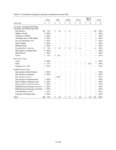
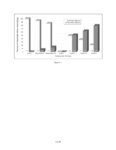
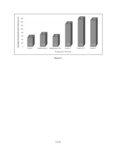
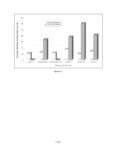
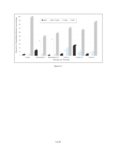
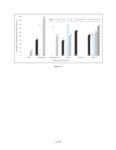
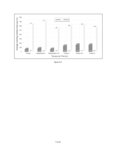
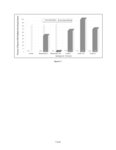
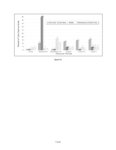
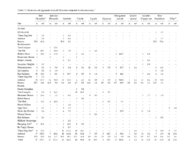
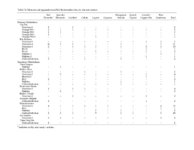
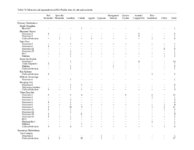
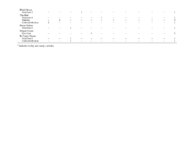
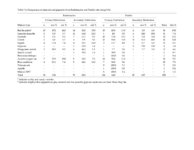
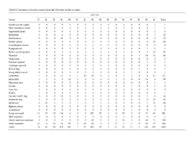
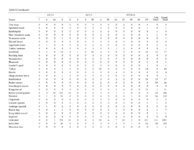
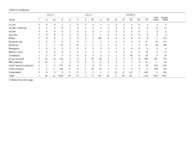
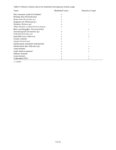
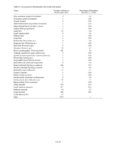
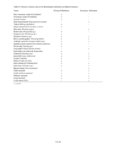
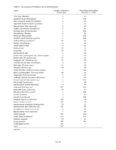
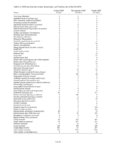
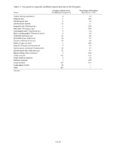
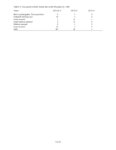
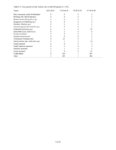
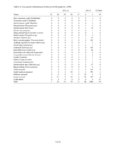
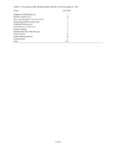
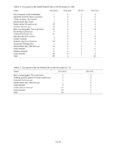
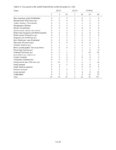
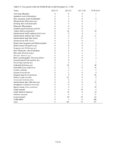
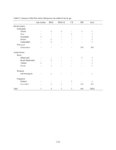
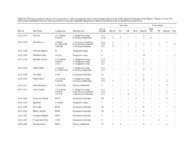
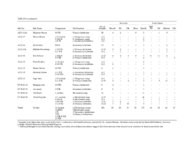
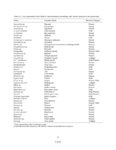
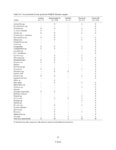
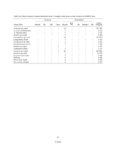
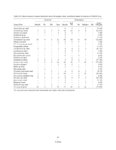
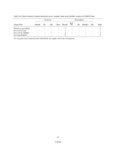
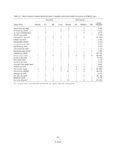
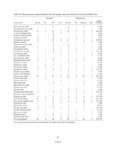
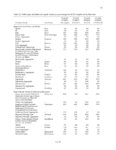
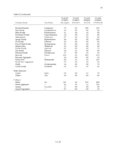
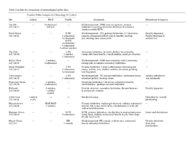
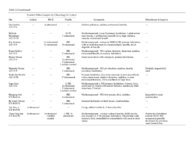
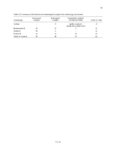
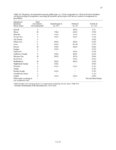
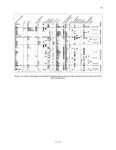
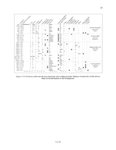
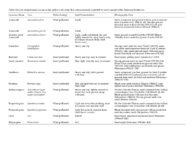
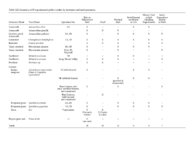
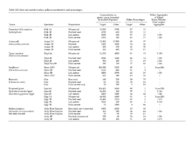
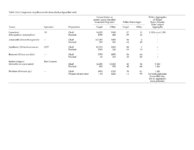
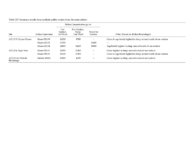
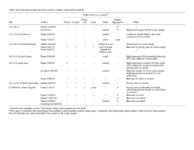
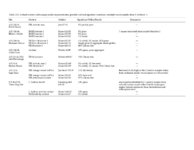
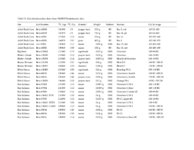
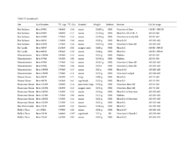
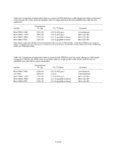
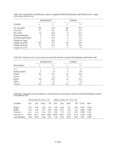
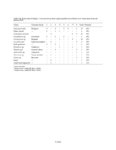
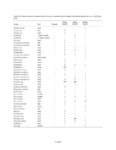
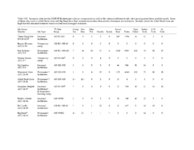
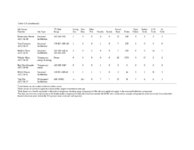
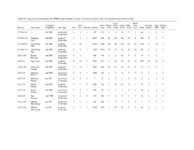
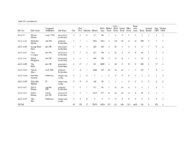
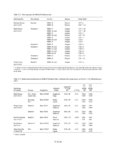
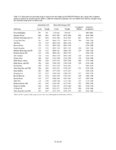
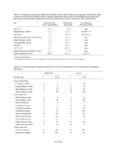
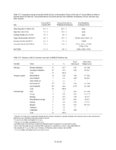
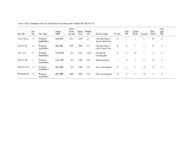
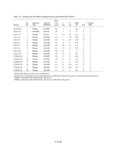
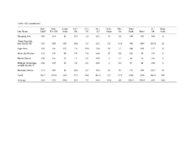
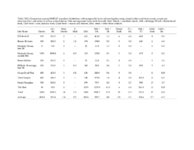
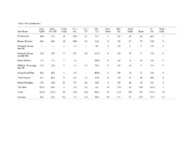
Show Late Archaic Four of the N16 sites dated to the Late Archaic (AZ-J-14-13 & -17 and UT-B-63-30 & -39). Two of the assemblages from these sites were very small (n = 1) and two were fairly large (n = 291 and 286). UT-B-6330 and UT-B-63-39 contained similar taxa although the taxonomic diversity was higher at the latter, they were about the same size, and overall they were fairly comparable. One of the sites (AZ-J-14-13) was identified as a temporary Late Archaic camp and the other three, all at the northern end of the N16 corridor in Utah, were identified as residential camps. In total, 155 bones from the Late Archaic period assemblages were burned; 36 of these were calcined, suggesting intense processing. None of the bones from this temporal component showed any signs of cultural or natural modifications; no butchering marks were present and none of the bones were worked. Table 8.13 shows the distribution of taxa identified at the Late Archaic period sites. The Late Archaic period faunal assemblages show more diversity in taxa and bigger sample sizes relative to the Early Archaic period. This is likely due to the fact that the Early Archaic sites were all identified as temporary camps, whereas the Late Archaic sites were dominated by residential camps. Because this implies an occupation that is both more intensive and longer, this is to be expected (Grayson 1984). But despite these differences, cottontail (Sylvilagus sp.) remains are still the most abundant followed by indeterminate artiodactyl (Artiodactyla) and rodent (Rodentia) remains. The Late Archaic assemblage does include increased numbers of reptiles, birds, and carnivores, but in general the emphasis on jackrabbits, cottontails, and artiodactyls is quite similar to the earlier period, suggesting that a generalist subsistence model likely suited the residents of the Kayenta region in both periods. Basketmaker II Eight of the N16 sites dated to the Basketmaker II period, with all but one (AZ-J-3-8) producing relatively small assemblages. The AZ-J-3-8 assemblage represents the largest collection of faunal bone from all of the N16 sites of any time period. As a result, the assemblage from this site was quite different from the other Basketmaker II sites in terms of taxonomic diversity and abundance. The seven small sites contained similar taxa and were fairly comparable. Seven of the sites, with the exception of AZ-J-3-8, were secondary habitations. As expected from the large assemblage at AZ-J-3-8, it was a primary habitation site with at least seven structures, more than 60 pits and hearths, and extensive midden accumulations. Twenty-six pieces of bone show signs of butchering/processing; eight show remnants of striae from grinding, three show cut-marks, one shows fractures from being smashed, and the remainder were modified into bone tools. Fifty-seven pieces of bone were culturally modified into a variety of tools: 11 beads, 5 gaming pieces, 21 awls or awl fragments, 3 bone tubes, 1 needle, and 16 unidentified pieces. In total, 558 pieces of bone from the Basketmaker II assemblages were burned; the majority of these (n = 509) were not calcined, suggesting a lack of intensive processing. Table 8.14 shows the distribution of taxa identified at the Basketmaker II sites. The Basketmaker II period faunal assemblages show more diversity in taxa and bigger sample sizes relative to both of the earlier Archaic periods. In fact, the Basketmaker II sample sizes are much larger than both the Archaic and Pueblo period assemblages, while the Basketmaker II taxonomic diversity is greater than the Archaic period but smaller than the Pueblo period. The large sample size present among the Basketmaker II sites is likely due to the fact that the majority of the sites were identified as secondary habitations, while AZ-J-3-8 was a large habitation site with a very large assemblage. An intensive and long-duration occupation like that of AZ-J-3-8 is expected to result in a large and diverse faunal assemblage (Grayson 1984). Despite assemblage differences, cottontail (Sylvilagus sp.) remains are still the most abundant taxon followed by artiodactyls (Artiodactyla), jackrabbits (Lepus californicus), and rodents (Rodentia). Unidentified mammal remains also comprise significant proportions of the assemblages. The Basketmaker II assemblage does include an increased number of reptiles, birds, and carnivores relative to the Archaic period, but in general, the emphasis on leporids and artiodactyls remains largely unchanged, suggesting that a generalist subsistence model continued to suit the inhabitants of the Kayenta Anasazi region. A Basketmaker II-III Transitional Site Site AZ-J-14-38 was considered transitional between the Basketmaker II and Basketmaker III periods because of its artifact assemblage-principally the presence of early brownware pottery (see Chapter 10 of Volume III). The site was a primary habitation located in the center of the project area; it was 100 percent excavated. The faunal assemblage from this site is fairly small (n = 156), but larger than many of the other N16 faunal assemblages. The assemblage is similar to most other Basketmaker II faunal assemblages in that it is dominated by (probably intrusive) rodent taxa, leporids (jackrabbits and cottontails), and unidentified mammal remains. Small and small-medium mammal remains are more abundant than unidentified large mammal remains, a characteristic that is distinct from many of the Late and Early Archaic period assemblages. Only 32 pieces of bone recovered from this assemblage show any V.8.5 |