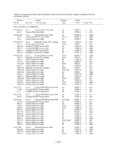
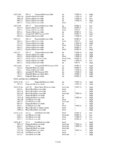
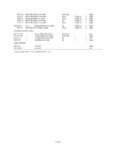
| OCR Text |
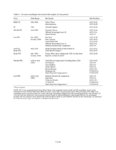
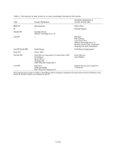
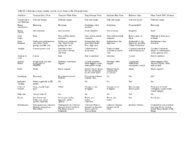
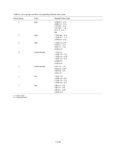
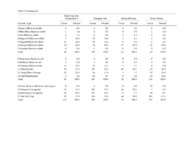
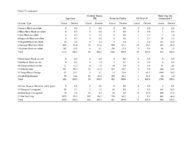
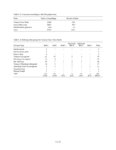
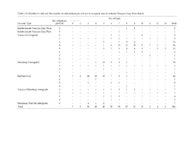
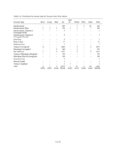
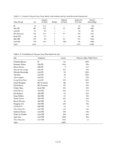
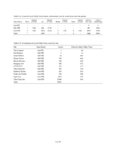
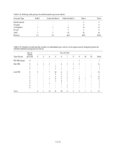
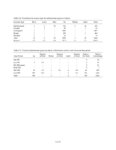
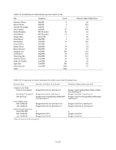
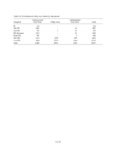
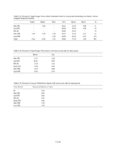
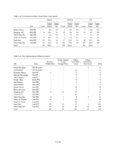
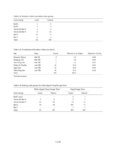
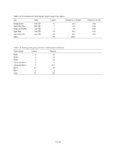
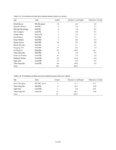
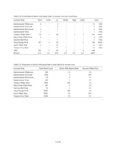
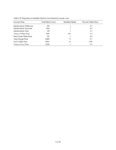
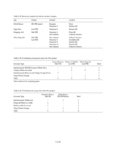
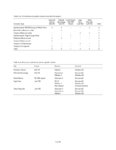
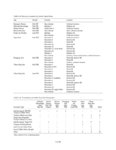
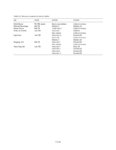
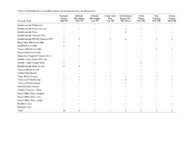
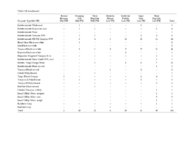
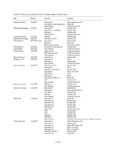
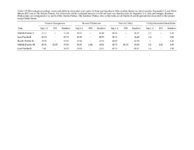
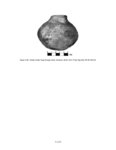
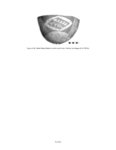
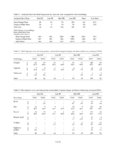
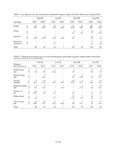
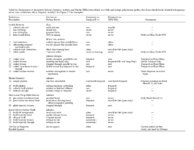
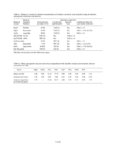
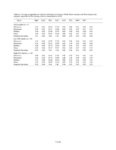
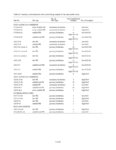
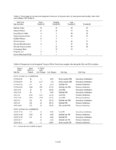
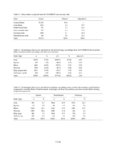
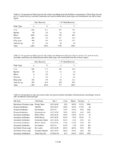
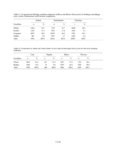
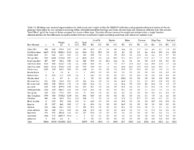
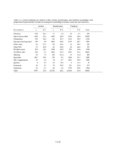
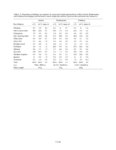
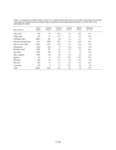
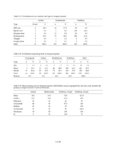
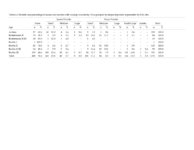
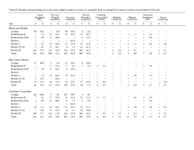
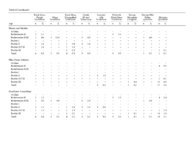
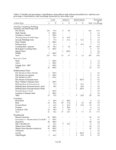
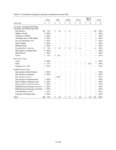
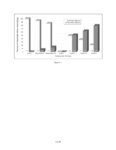
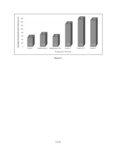
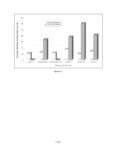
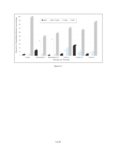
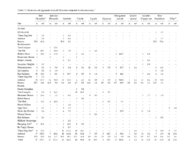
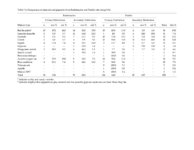
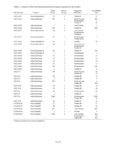
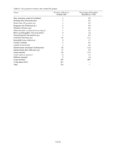
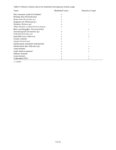
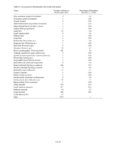
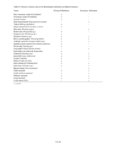
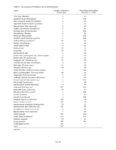
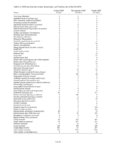
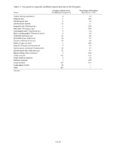
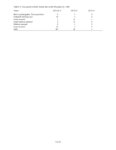
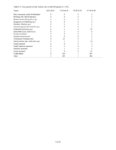
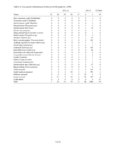
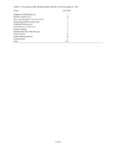
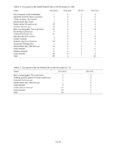
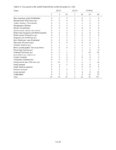
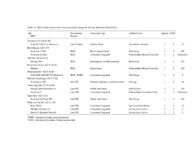
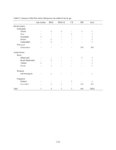
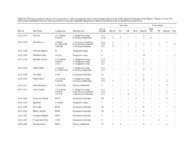
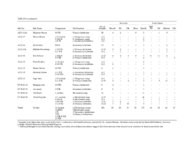
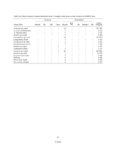
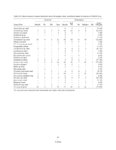
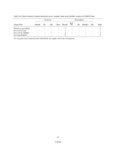
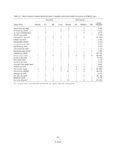
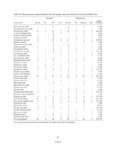
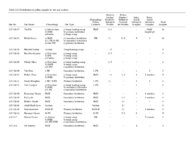
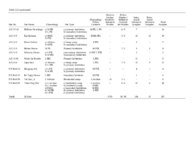
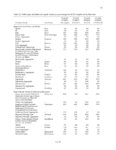
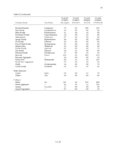
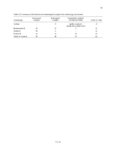
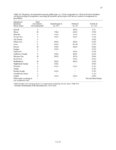
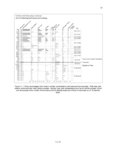
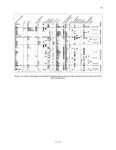
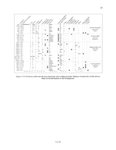
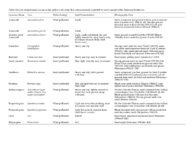
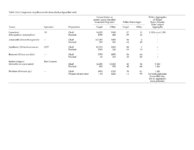
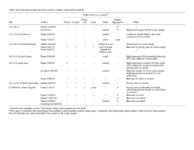
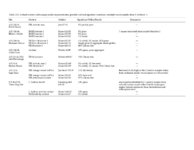
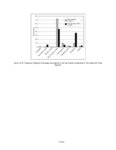
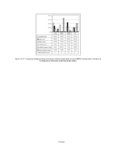
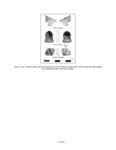
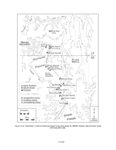
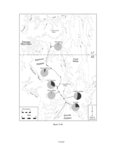
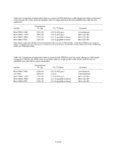
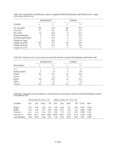
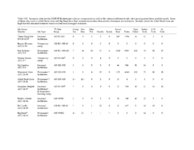
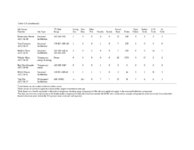
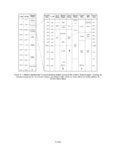
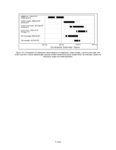
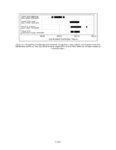
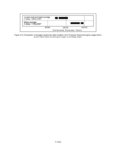
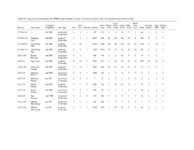
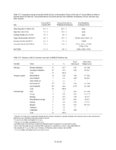
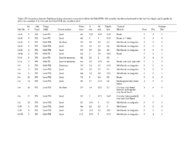
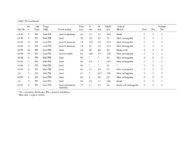
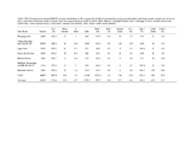
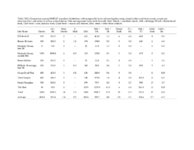
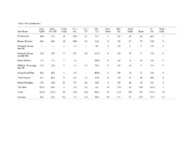
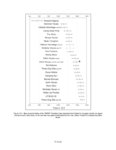
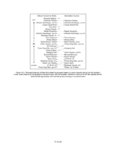
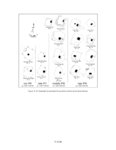
Show Schroedl 1989:95-98): an absence of Tsegi Orange Ware with a relatively high proportion of San Juan Red Ware (12% of the entire collection) and a high proportion of late neck-banded types (Coconino and Medicine). Despite this, the Tusayan White Ware consists almost entirely of Black Mesa Black-on-white with nearly no Kana-a (Wepo was not identified in this analysis; Schroedl 1989:34). Schroedl and Blinman assigned this assemblage to their "Period 1," which they estimate as having an approximate temporal span of AD 1020-1050 (1989: Table 12). Given the high incidence of Black Mesa Black-on-white we would place this assemblage within the middle Pueblo II ceramic period but much of the Black Mesa might well be classified as Wepo Black-on-white, hence an early Pueblo II designation could be warranted. The one vessel design that is illustrated (Schroedl 1989: Figure 18) is an unmistakable example of Black Mesa Black-on-white, so perhaps Wepo is poorly represented at this site. In any event, this assemblage is significant with regard to Sullivan et al.'s (1995:185) proposed shifting of the production start date for Black Mesa Black-on-white upwards from AD 875 to AD 1058. They admit not being surprised if "unambiguous examples of Black Mesa Black-on-white are recovered that date prior to AD 1050" (1958:185, footnote 2), and AZ-J-31-3 might well provide just such evidence. All in all, the Pueblo II sites considered here suggest that relatively fine parsing of the eleventh century is possible in the Kayneta region for single-component habitations. Late Pueblo II The next ceramic period is characterized by a preponderance of Sosi and Dogoszhi Black-on-white, the ascendance of Tusayan Black-on-red as the dominant type within Tsegi Orange Ware, and the initial production of polychromes, usually those made with black hatchure over bands of red slip or over unslipped bands of orange paste. This late Pueblo II interval was a time of Puebloan expansion throughout the Kayenta region and beyond. Ambler et al. (1983) suggested, like many authors before, that the proliferation of late Pueblo II habitations across the northern Kayenta region (Rainbow Plateau, Piute Mesa, and Cummings Mesa) resulted from migration rather than simple population growth, an inference based on the number of settlements that appeared within a fairly brief interval and the evident lack of local antecedents. Dean et al. (1985) have characterized the late 1000s and early 1100s as a relatively warm and wet interval favorable to farmers, a time that might have encouraged population movement into areas near the lower fringe of the present pinyon-juniper zone. Such a climatic optimum could well have promoted the use of regions previously considered too marginal for settlement because of limited precipitation. The NMRAP excavations included six late Pueblo II sites, all of which are classified as secondary habitations or otherwise limited-use sites rather than primary residencies like the middle Pueblo II sites just discussed. As an example of how late Pueblo II ceramic assemblages differ from those of middle Pueblo II, consider the same type ratios for whiteware and redware presented earlier. Table 15.5 lists these for the NMRAP late Pueblo II sites with the largest ceramic assemblages-Naakai Hooghan, Camp Dead Pine, and the late Pueblo II component of Hillside Hermitage, along with those from a few previously excavated late Pueblo II primary habitations. For Naakai Hooghan the ratio of Black Mesa Black-on-white to Sosi and Dogoszhi Black-on-white combined is 0.3 while the ratio of Medicine Blackon-red to Tusayan Black-on-red is 0.4. Moreover, the Naakai Hooghan ceramic assemblage contains polychromes and a few sherds of Flagstaff Black-on-white, types unrepresented in the middle Pueblo II assemblages. Hillside Hermitage presents a useful comparison because the assemblages from the late Pueblo II component at this site can be contrasted with that of the middle Pueblo II component. The late Pueblo II assemblage is quite small, but with sufficient typable sherds to provide a reliable temporal estimate, especially when looking at the composition of the overall assemblage and the within-ware types. Dogoszhi Black-on-white and Sosi Black-on-white are the preponderant identifiable types of Tusayan White Ware; Black Mesa Black-on-white, the only other whiteware type, accounts for just two sherds (the ratio of the latter to the former two types is 0.1 compared to 1.9 for the middle Pueblo II component). Regarding Tsegi Orange Ware at the late Pueblo II component, Medicine Black-on-red is absent and there are almost as many polychrome sherds (n = 12) as Tusayan Black-on-red (n = 15), with several different polychrome types represented. Tusayan White Ware and Tsegi Orange Ware sherds combined indicate that occupation probably occurred well after the middle Pueblo II structures had been abandoned, with perhaps several decades intervening. The sherd assemblage is certainly consistent with occupancy after AD 1100, perhaps after AD 1130, but likely before AD 1160. The ceramic assemblages from the late Pueblo II sites are too small to place great confidence in fine parsing of this interval. Naaki Hooghan has the largest assemblage at 930 sherds, but just 112 could be typed; Tres Campos is next with 83 typable sherds out of 413 and Camp Dead Pine has 62 typable out of V.15.10 |