| OCR Text |
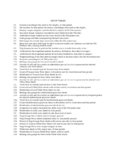
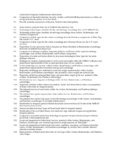
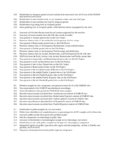
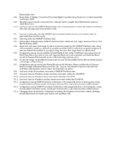
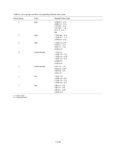
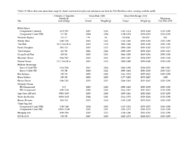
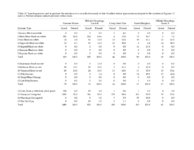
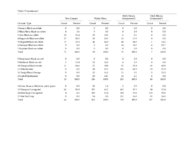
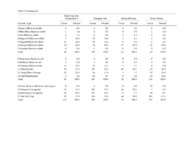
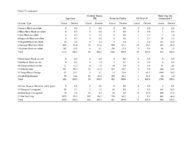
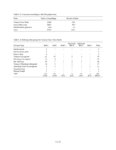
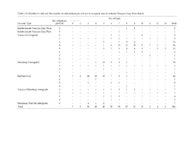
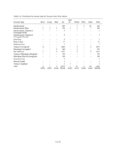
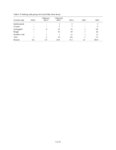
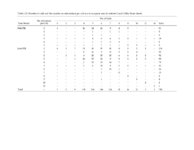
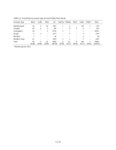
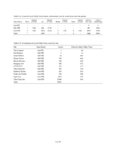
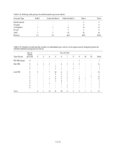
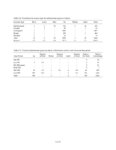
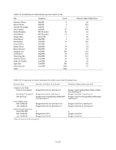
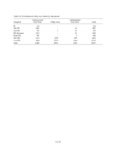
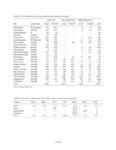
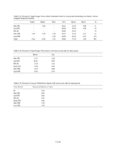
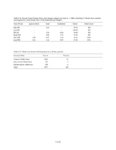
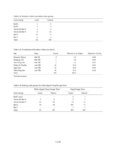
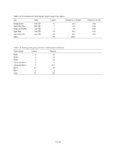
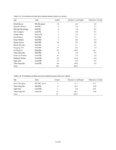
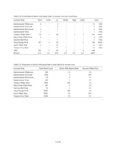
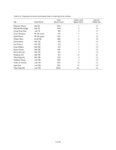
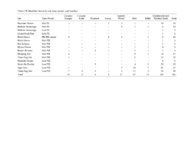
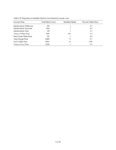
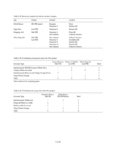
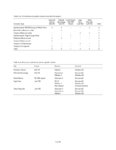
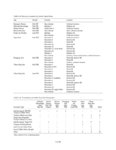
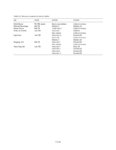
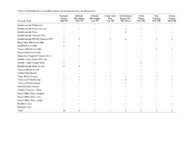
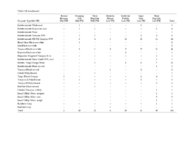
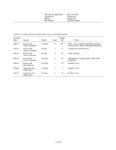
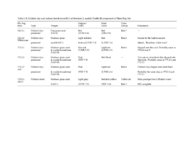
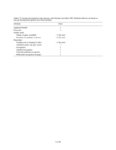
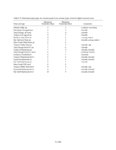
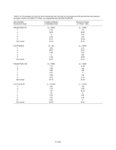
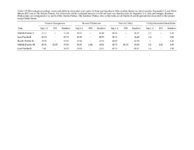
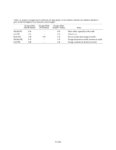
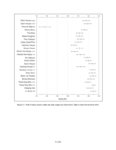
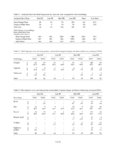
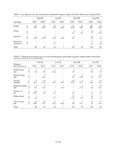
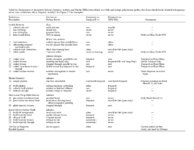
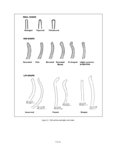
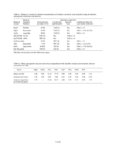
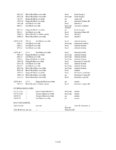
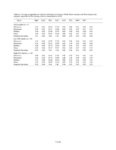
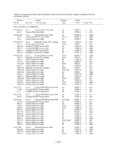
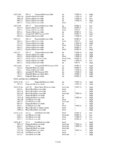
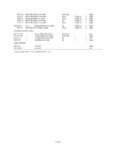
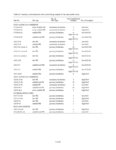
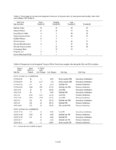
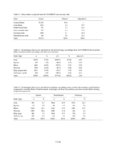
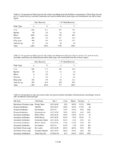
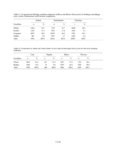
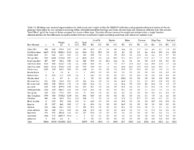
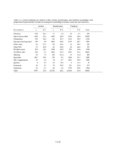
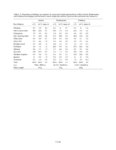
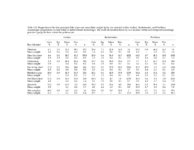
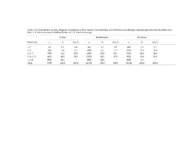
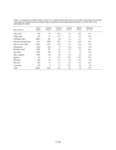
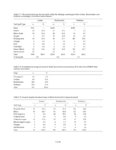
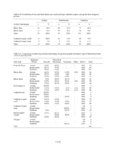
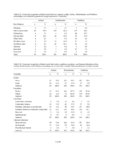
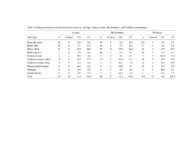
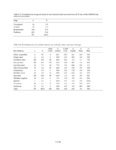
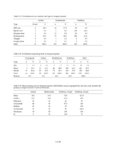
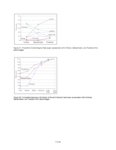
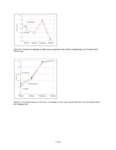
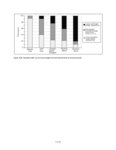
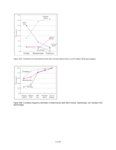
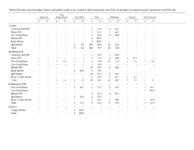
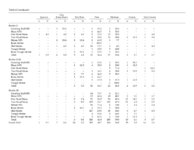
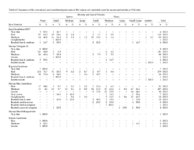
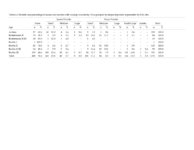
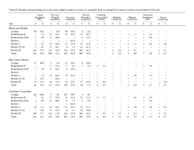
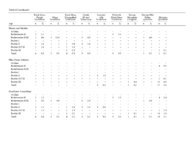
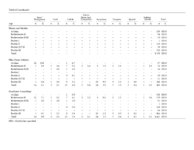
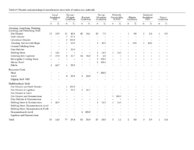
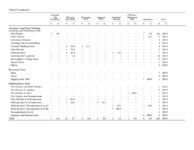
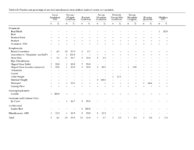
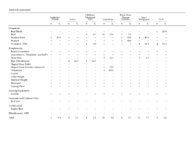
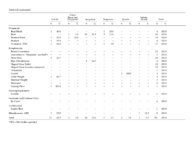
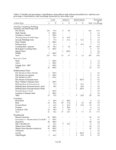
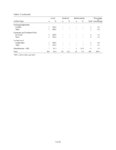
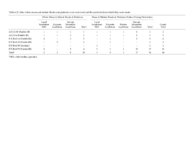
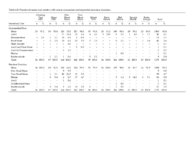
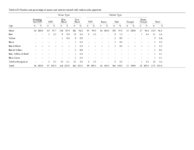
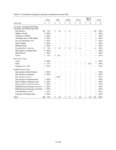
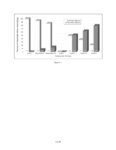
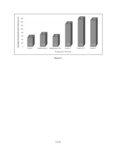
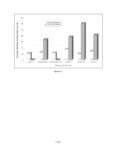
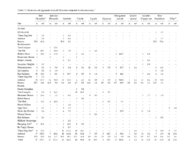
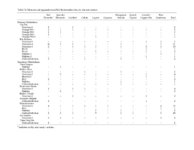
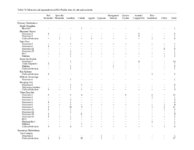
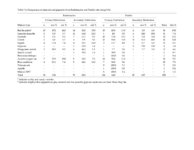
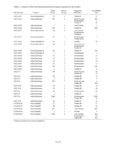
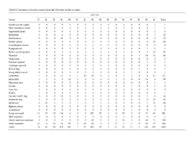
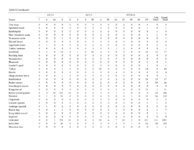
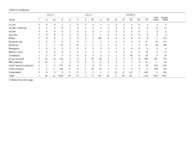
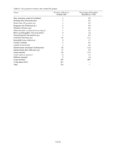
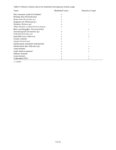
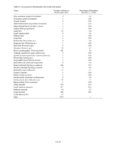
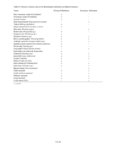
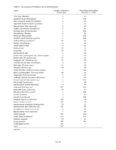
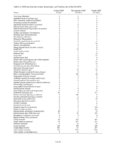
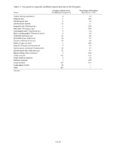
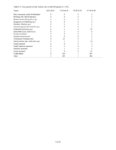
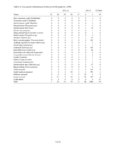
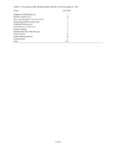
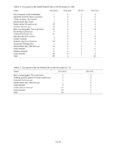
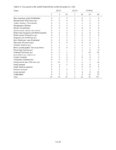
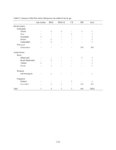
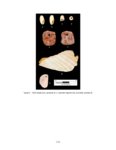
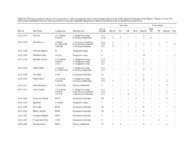
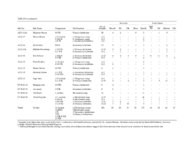
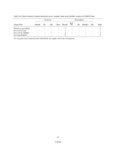
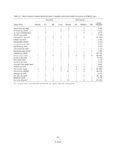
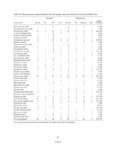
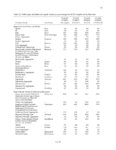
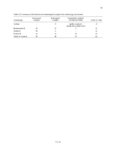
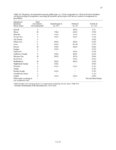
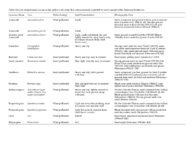
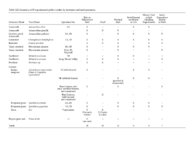
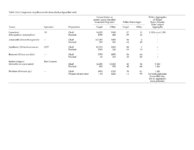
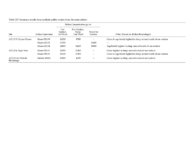
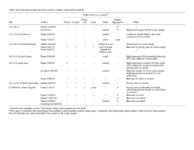
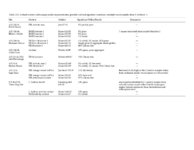
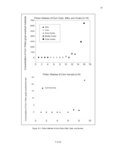
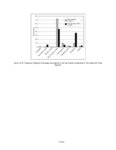
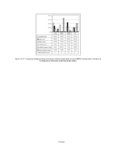
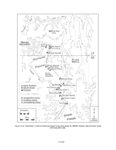
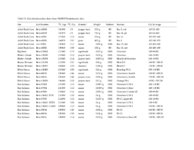
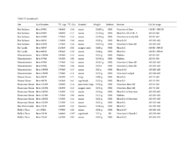
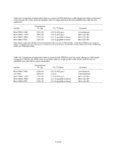
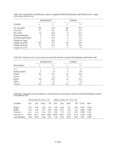
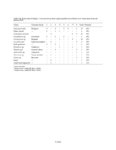
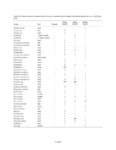
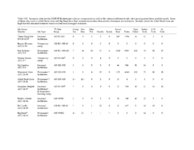
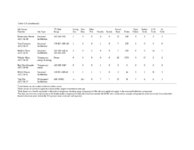
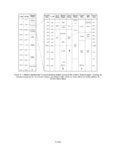
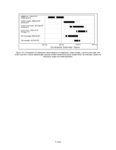
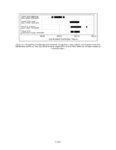
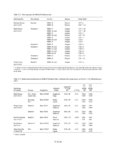
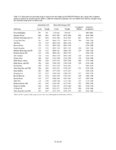
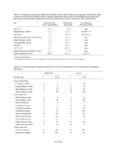
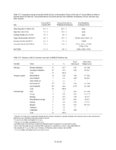
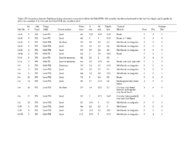
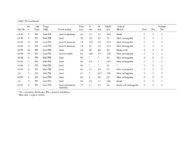
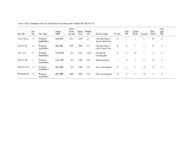
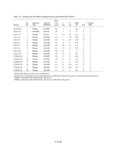
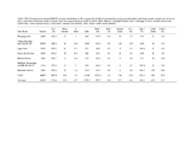
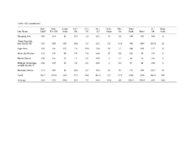
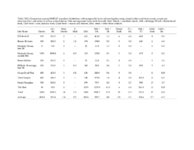
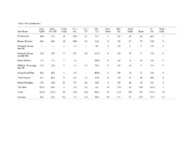
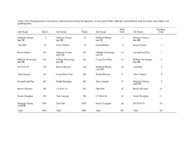
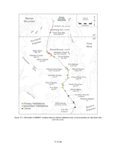
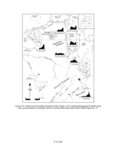
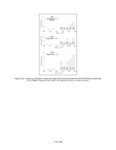
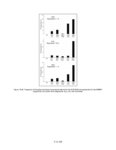
Show exterior surface increases over time, and includes bowls as well as jars (Table 2.34). This suggests changing patterns of vessel use. The 10 percent of sooted late Pueblo II sherds may be due to small sample size and only a few vessels, but the Pueblo III period samples are large enough to suggest a temporal trend toward increasing use of Tsegi Orange ware bowls and jars for cooking of some kind. That sooting on Tsegi Orange Ware sherds is likely due to use and not to accidents and discard practices is supported by comparing these data with the frequency of sooting on Tusayan White Ware sherds from the same deposits (Table 2.35). Fewer than 2 percent of all Tusayan White Ware sherds have exterior soot, even in the late Pueblo III time period, when nearly 9 percent of Tsegi Orange Ware bowl sherds and 7 percent of jar sherds do. If sooting was only due to accidents and discard practices, we would expect sherds of different wares and different vessel forms to be sooted in about the same frequencies. This is not the case. No colander sherd has soot and virtually no pitcher forms have soot. Oddly enough, about 3 percent of just under 200 ladle sherds have soot on one side and 10 percent have soot on both sides. While ladles are unlikely to have been used for cooking food over a fire, some may have been used for scooping ash and embers. Seed jars are the Tsegi Orange Ware vessel form with the highest frequency of soot deposits. This form has a restricted orifice but lacks a neck. In sherd form, seed jars can only be identified from rims. "Seed jar" forms were frequently used for cooking at early ceramic period sites, such as Mountainview, but in most areas they were supplanted by short-necked vessels by the AD 800s. Of 44 Tsegi Orange Ware seed jar sherds, 27 percent have exterior soot and about 7 percent have soot on both sides. This is curious because rims are the least likely part of a vessel to accumulate soot when used upright over a fire or coals, as the rim is oriented furthest from the fire if the vessel is upright. If the vessel is used on its side for parching dry seeds, however, sooting on the rim might be expected. In summary, the diversity of Tsegi Orange Ware vessel forms indicates that potters intended vessels to serve a variety of functions, and that they often used or reused vessels and sherds for additional functions. Open forms such as bowls and ladles probably served primarily for food serving and perhaps processing, and restricted orifice vessels were well suited for liquid transport and storage. Colanders may have served to strain water or food or to sprout beans, or possibly as water catchments in shallow, sandy springs. Seed jars could have been used not only for seed storage and sprouting, but also for storage and cooking. Exterior soot deposits suggest that Tsegi Orange Ware bowls, necked jars, and seed jars were used over a fire or hot coals, perhaps for boiling or dry-parching. Spalling and abrasion indicate that these vessels were probably not as durable for cooking as were coarse-paste vessels, particularly corrugated and rough-surfaced grayware. Why Navajo Mountain inhabitants increasingly cooked with Tsegi Orange Ware when they had more numerous grayware jars available remains a mystery. Temporal and Spatial Trends Tsegi Orange Ware increased through time in the study area relative to Tusayan White Ware. It makes its first appearance as 10 percent of the ceramic assemblage in the middle Pueblo II sites, which have about 28 percent Tusayan White Ware. Tsegi Orange Ware increases to about 26 percent in the late Pueblo II site assemblages, while Tusayan White Ware holds steady at 27 percent. In the Pueblo III period there was a drop in the overall frequency of decorated pottery, but the loss is mostly on the whiteware side of the equation. Tsegi Orange Ware makes up 23, 18, and 20 percent of early, middle, and late Pueblo III assemblages, while whiteware drops to 16, 12, and just over 14 percent respectively. The decrease in frequency of whiteware sherds relative to redware may be due to recycling of whiteware sherds as temper in Tsegi Orange Ware and to a smaller extent in some Local Utility Ware. As the frequency of recovered Tsegi Orange Ware increases, so does the range of variation in surface treatment, decorative style, temper, and apparently use, as discussed earlier in this chapter. Table 2.36 shows that Pueblo II potters making Tsegi Orange Ware used crushed sherd, often with some sand as well, virtually all the time, but by the Pueblo III period some potters were using other materials. Habitation site assemblages were compared with those from contemporaneous non-habitation sites in the project area. No significant differences were noted between proportions of sooted Tsegi Orange Ware sherds, nor in proportions of bowls and jars. Sites in the southern part of the right-of-way, on the Shonto Plateau, had "standard" sherd-tempered Tsegi Orange Ware. Sites in the northern reaches, on the Rainbow Plateau, had higher proportions of sand, sandstone, and rock temper, in addition to sherd. This is almost certainly a temporal pattern as well as a spatial one, as sites on the Shonto Plateau are earlier than most of those on the Rainbow Plateau. Late Pueblo III Tsegi Orange Ware in the Kayenta-Long House-Klethla Valley area was not tempered with sand or sandstone-only sherd. Blinman (1989:623) reported "lack of variability" in the temper of Tsegi Orange Ware pottery from N16 Segments 1 and 2 on the Shonto Plateau, where sherd temper dominates. Blinman found only one site where a weak case V.2.36 |