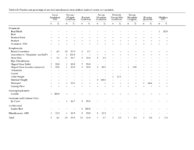
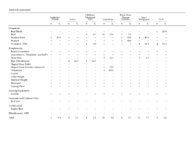
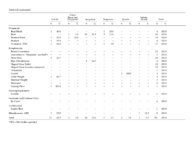
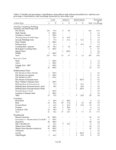
| OCR Text |
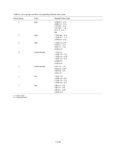
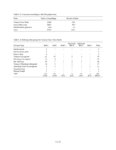
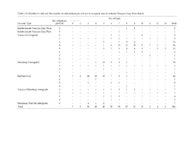
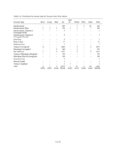
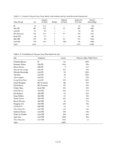
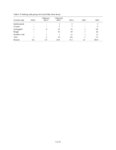
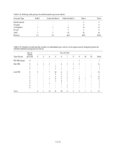
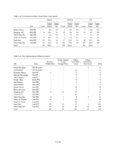
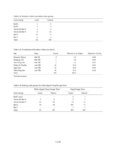
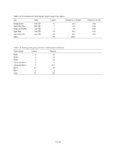
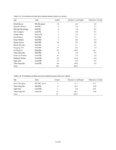
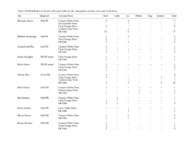
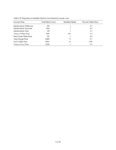
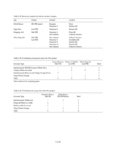
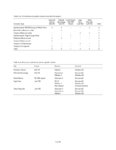
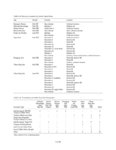
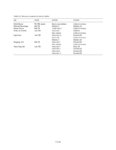
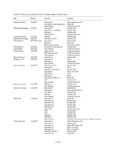
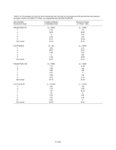
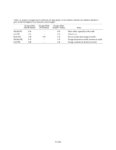
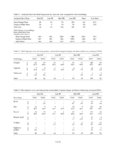
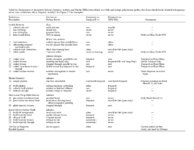
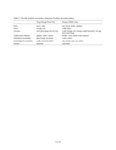
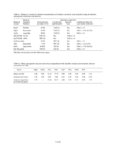
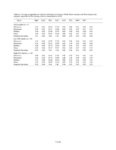
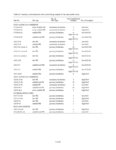
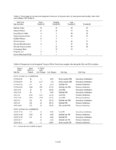
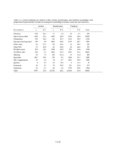
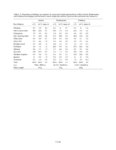
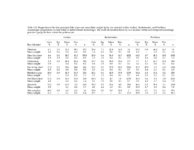
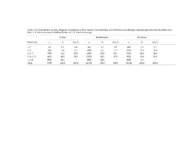
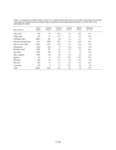
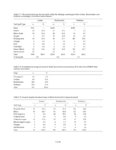
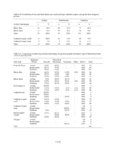
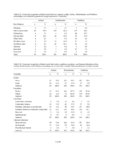
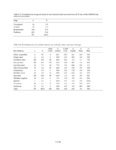
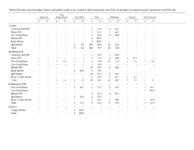
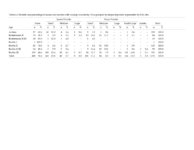
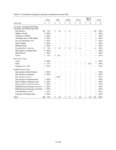
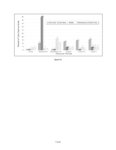
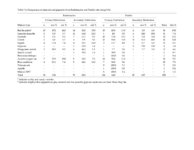
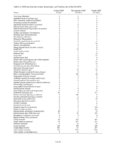
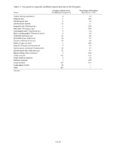
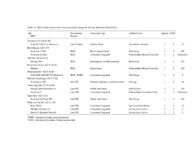
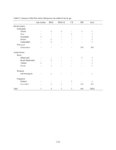
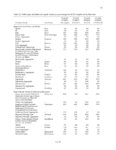
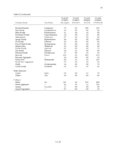
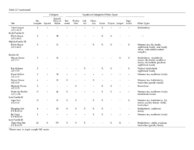
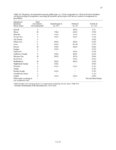
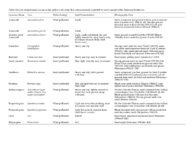
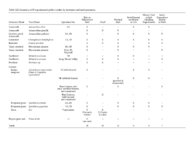
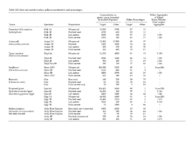
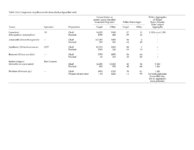
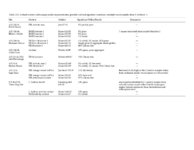
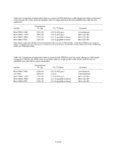
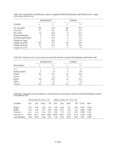
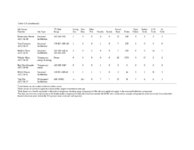
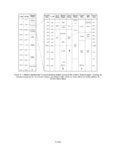
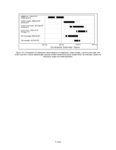
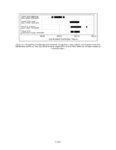
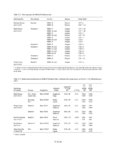
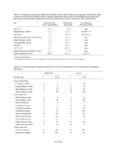
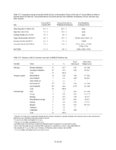
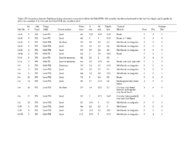
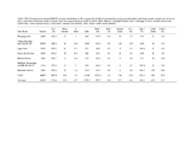
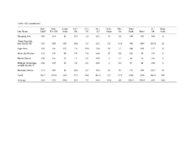
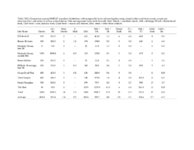
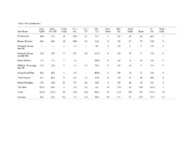
Show which ceramics were introduced. Moreover, although the incorporation of ceramics seems to have been an individual household decision, maize is no more abundant at early ceramic sites than at contemporaneous households without ceramics. This is best illustrated by the late component of Kin Kahuna where maize ubiquity was 95 percent but no pottery was recovered. Maize may be equally common to preceramic and ceramic Basketmaker contexts on the Rainbow Plateau, but the maize kernels recovered from well-dated contexts of Atlatl Rock Cave indicate a significant change in kernel morphology and color that may have implications for the dietary significance of maize or the processing methods (see Table 4.5). The sample from this site is small but from wellcontrolled and dated proveniences. A shift to larger-kernel flour maize is indicated-something that also may have impacted environmental tolerances of growth and perhaps susceptibility to damage or nutritional loss in storage Introduction of Beans Part of the argument for increased reliance on domesticates during Basketmaker III is the claim that beans were added to the list of cultigens during this stage (Wormington 1961:55). Today we know that beans provided an important source of protein, but prehistoric cognizance of this may have been limited; simply the satiated feeling one gets with eating beans may have been reason enough for their adoption. Perceived or not, one additional benefit of incorporating beans within subsistence practices may have been their role in maintaining soil fertility by fixing nitrogen. If Wormington's (1961:55) anecdotal account is true, then beans might provide another indirect measure of residential permanence. She relates that "such a crop also indicates a more settled life, for, while corn may be planted and then left for long periods of time, beans require almost constant attention." The earliest evidence of beans on the Rainbow Plateau comes from Atlatl Rock Cave. A single whole bean was recovered from the previously mentioned cist used to pen turkeys. This item may be classified as Kaplan's (1956) type C11. The radiocarbon date on a corn cob in association with the bean suggests an age between AD 425 and 660. Cutler (1968:377) reported wads of bean strings containing pod tips and stem ends assigned to the Basketmaker II deposits of both Sand Dune and Dust Devil Caves. The age of these wads must be verified by direct dating. Some see an obvious functional link between what has seemed to be the contemporaneous introduction of beans and pottery. Linton (1944:377) first expounded upon this, stating that "the relationship of this important protein source [beans] to pottery boiling is of the closest sort." The earliest direct dates on beans from the Southwest deserts (Tagg 1996: Table 2; Wills 1995: Table 8.1) indicate that this cultigen was in use at or shortly before the adoption of pottery (Deaver and Ciolek-Torrello 1995; summary in Mabry 1997). The role of beans is little considered in various recent explanations as to why pottery production began in the Southwest (e.g., Crown and Wills 1995; Glassow 1972:297; but see Skibo and Blinman 1999). Arguments for labor efficiency and improved nutrition for women and children are not at odds with a functional relationship between pottery and bean cooking. Beans cooked and mashed into a soupy pulp make an excellent weaning food, something prehistoric women may have found quite useful. Beans clearly fit the expectations of a model outlined by James Brown (1989) for the origins of pottery, wherein one of the motivating factors was the addition of new processing requirements such as long-term boiling. If there were a functional relationship between pottery and beans then we would expect beans to first appear on the Rainbow Plateau at the approximate same time as ceramics. So far this is not the case. Flotation samples from excavated early pottery sites have not yielded any bean remains. In particular, the analysis of 19 flotation samples (76 l) from the Mountainview site did not reveal any beans. These samples came from virtually every feature at the site including the structure hearth and ash pit, extramural hearths (n = 9), and the midden (n = 6 from different portions of the deposit). Observed floral remains included maize kernels and cupules along with seeds from grasses and several weedy species. Perhaps the lack of beans at Mountainview has to do with its settlement role. It is worth mentioning that analysis of a considerable number of flotation samples (n = 119) and a large volume of dirt (470 l) from aceramic Basketmaker habitations has yielded no evidence for beans. Extensive pollen sampling has likewise resulted in negative results, from both aceramic and early ceramic sites. We must caution that discovering evidence of beans at open sites is a low-probability event. Even at open Puebloan sites, beans are exceedingly rare finds, with the NMRAP results bearing this out since only 1 of 200 Puebloan flotation samples yielded a bean. CONCLUSIONS Excavations for the N16 ROW have made a significant contribution to our understanding of the V.14.55 |