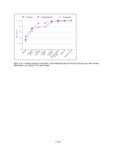
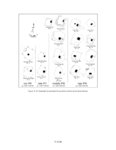
| OCR Text |
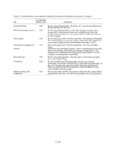
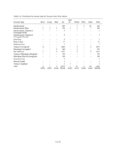
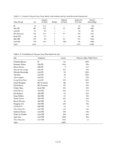
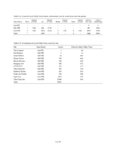
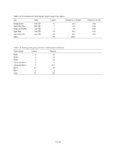
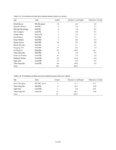
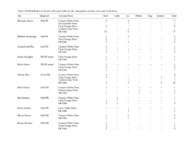
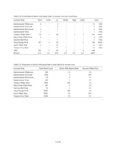
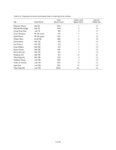
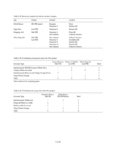
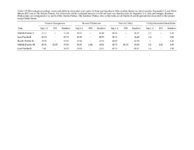
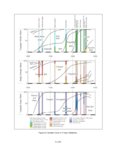
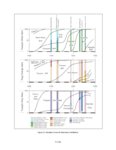
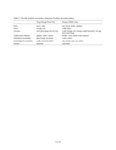
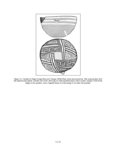
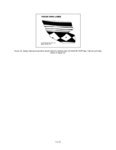
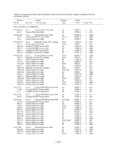
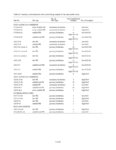
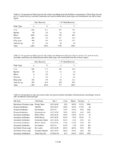
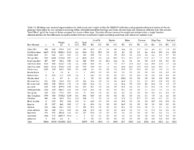
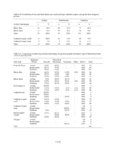
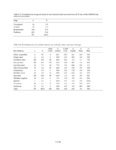
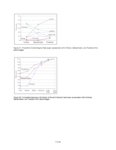
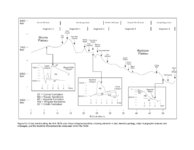
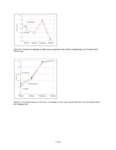
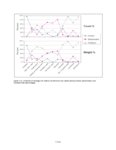
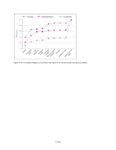
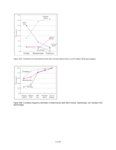
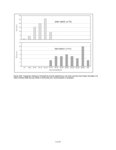
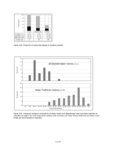
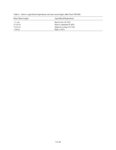
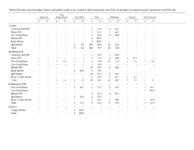
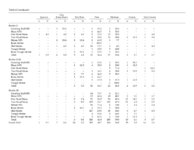
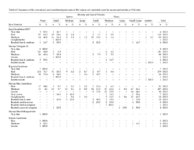
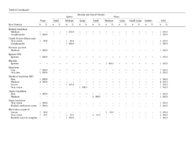
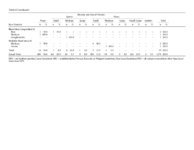
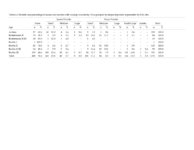
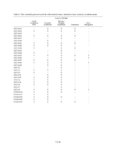
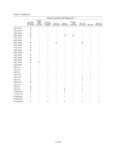
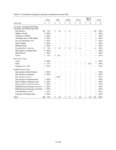
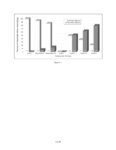
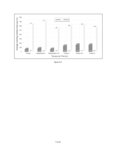
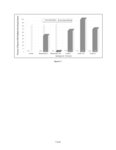
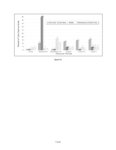
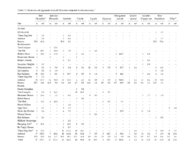
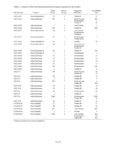
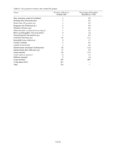
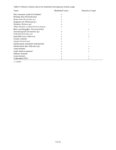
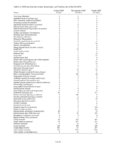
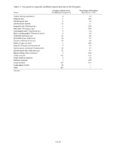
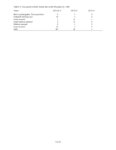
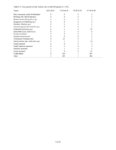
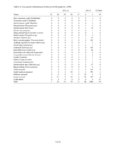
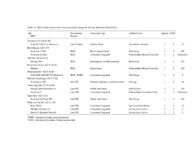
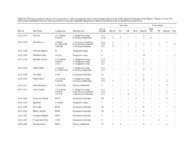
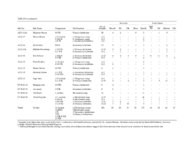
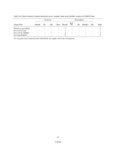
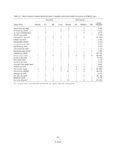
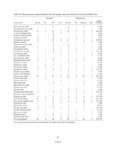
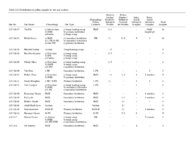
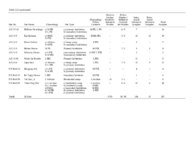
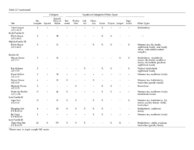
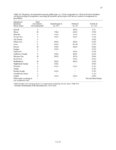
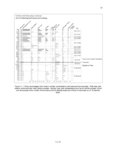
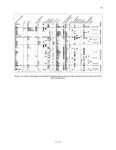
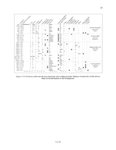
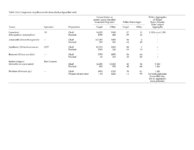
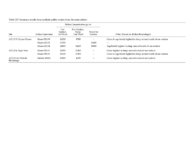
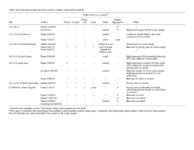
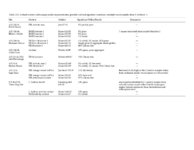
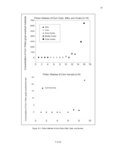
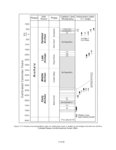
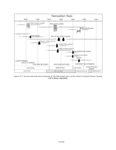
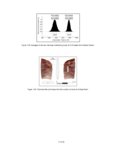
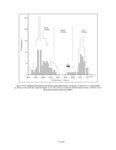
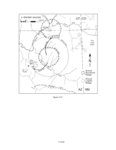
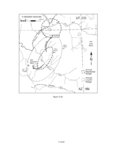
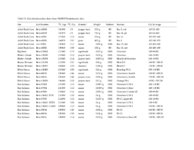
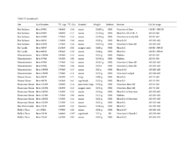
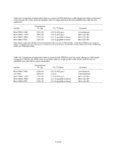
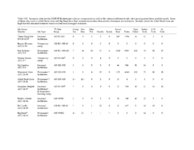
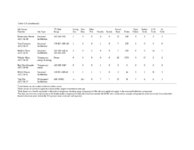
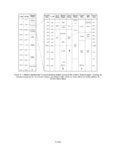
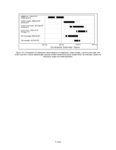
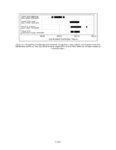
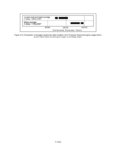
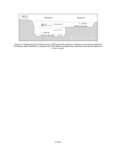
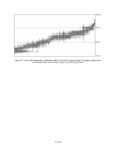
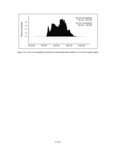
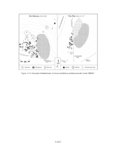
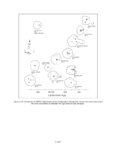
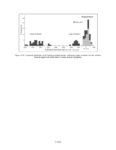
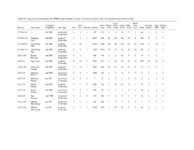
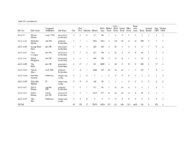
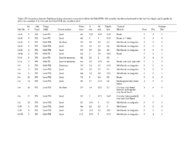
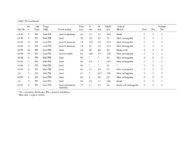
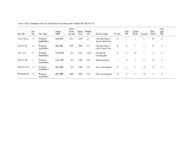
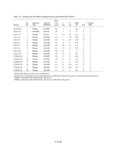
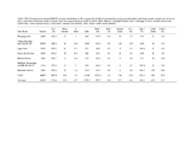
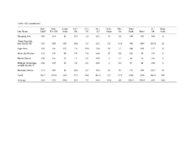
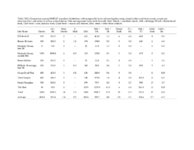
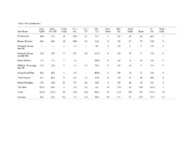
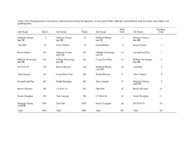
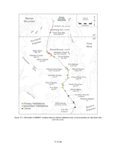
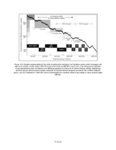
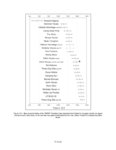
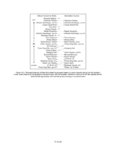
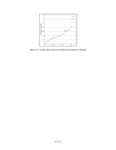
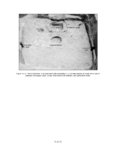
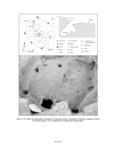
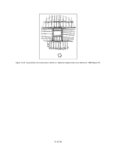
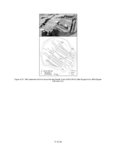
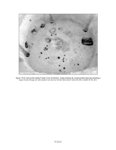
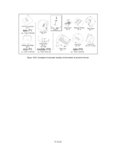
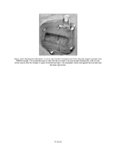
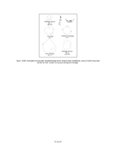
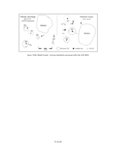
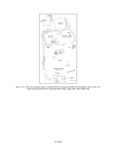
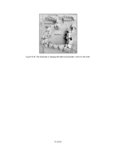
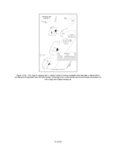
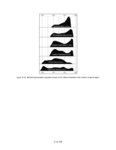
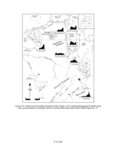
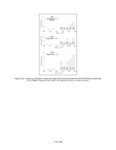
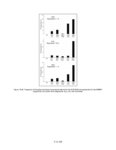
Show lengthened thereby lessening their utility for chronological placement. Note that the ceramic-based temporal periods toward the more recent end of the temporal range are on the order of about 50 years, which is the accuracy that an experienced ceramic analyst can obtain with relative ease. As such, there is scant possibility for radiocarbon to have much utility unless perhaps for wiggle matching (see Kojo et al. 1994), but the chronological question has to be quite significant to merit such an approach. In early Pueblo II, the approximate time for which Wepo Black-on-white (late Kana-a) is a predominant decorated type, the ceramic-defined periods begin to lengthen, a trend that continues into Pueblo I and Basketmaker III, accompanied by a loss of temporal specificity based on ceramic types (in part because of fewer types). Consequently, the radiocarbon technique increases in value as a chronological tool, such that the dating of high-quality samples like maize from any Basketmaker III and Pueblo I site may provide useful temporal information. It is still important to be cognizant of the wide temporal spans that can be obtained after calibration and to resist the urge to ignore the error term and treat the results like they were tree-ring dates. As a realistic example, a date of 1250 ± 40 BP, which is a believable assay for maize from a late Basketmaker III site, has a calibrated two-sigma range of AD 670- 880. This range includes over half of the late Basketmaker III period and half of the Pueblo I period shown Figure 15.2. Even with a counting error of just 25 years, something that could be obtained by averaging several statistically identical dates on high-quality materials, the span remains virtually unchanged because of the large reversal at this interval. However, a maize cob with an age of 1400 ± 40 BP would provide a calibrated temporal span of AD 570 and 680 at two-sigma, just 110 years; an error term of 25 years for a 1400 BP date, achievable by averaging or high-precision dating, would narrow this range to AD 600-665. Sixty-five years is a far more precise temporal estimate than would be possible with ceramics at this interval, so the choice for using the technique is obvious. Of course this whole discussion assumes high-quality samples; if wood charcoal is being assayed then all bets are off since the results are likely to be useless. Not all wood assays are necessarily too old, but many are and this doubt alone renders them valueless for the Puebloan and Basketmaker periods since there is no way of determining which ones accurately correspond with the target event. Needless to say, radiocarbon dating was not formally pursued as a means of chronological placement for NMRAP Puebloan sites. Had the project area included many Basketmaker III and Pueblo I settlements the story would be different, but the northern Kayenta region is well known as lacking habitations from these intervals (e.g. Ambler et al. 1983; see Appendix F this report). Nonetheless, several radiocarbon dates were ultimately obtained and these are presented in Table 15.3. In all cases these came from multicomponent sites and the dating was done because the temporal affiliation of the sampled feature was not known and was thought to have been earlier, such as at two hearths at Windy Mesa that excavators suspected to be Basketmaker II in age but that turned out to have a Puebloan affiliation. These assays from Windy Mesa are worth considering further because one of the hearths from this site also contained a large charred log submitted for tree-ring analysis. This specimen returned a "near-cutting" date of AD 1132+r, which, given the probable burning of a scavenged timber or a dead tree, accords well with the ceramic-based temporal assignment. Pottery types suggested an occupation medium of AD 1170 with a range of 1133-1188, but likely occurring sometime after AD 1150, during early Pueblo III (see Chapter 2 of Volume V). This case seems to provide a useful outcome for the technique since the radiocarbon dates from the two hearths appear to closely agree with the tree-ring date and the ceramic cross-dating assignment. Yet, upon considering the calibrated two-sigma range for the dates (AD 970-1190 and 980- 1220), even when averaged to lower the error term (AD 990-1160), the temporal span is too great to be informative, with the bulk of the indicated range predating the Puebloan occupation of the site (Figure 15.3). A somewhat more optimal outcome is provided by the Ditch House results. In this case, radiocarbon dating was done in an attempt to isolate a suspected Basketmaker II component that was not recognized during excavation (see Chapter 5 of Volume III and Chapter 4 of Volume IV). Multiple dates on plant remains such as maize from two Basketmaker-looking structures and other features at the site confirmed a preceramic temporal assignment for most, although two of the hearths returned Puebloan period assays. These two features were within an extramural activity area that contained a mixture of Pueblo II and Pueblo III ceramic types initially interpreted as evidence that the site spanned the transition between these two periods. As just discussed above, several structures to the north of the activity area were eventually tree-ring dated to the middle Pueblo III period (see Table 15.3) and these features contained a "purer" middle Pueblo III ceramic assemblage than the rest of the site. This led to the suspicion that the remains from two discrete Puebloan occupations were blended together as a palimpsest-one late Pueblo II and the other middle Pueblo III-and that the site was in no way "transitional," merely containing a mixed ceramic assemblage and thus a temporal average that misinformed about the true situation. The V.15.5 |