| OCR Text |
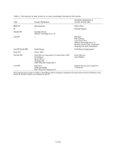
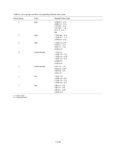
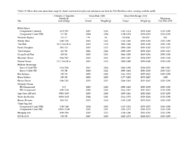
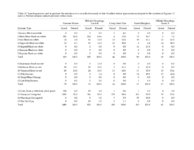
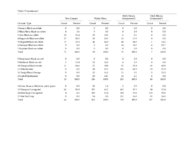
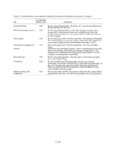
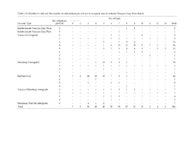
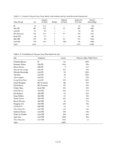
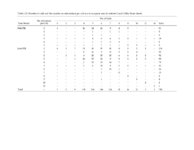
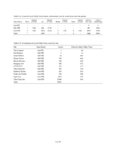
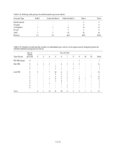
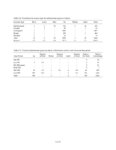
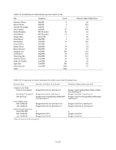
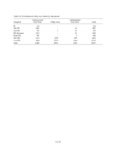
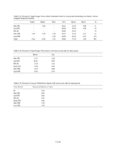
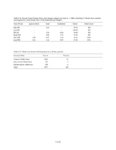
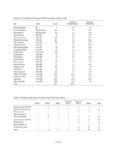
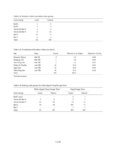
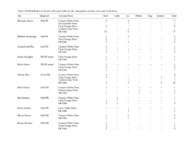
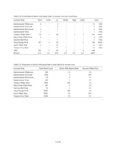
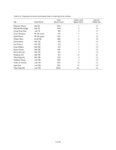
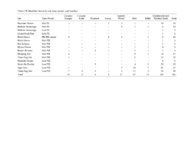
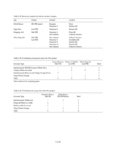
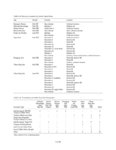
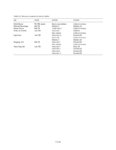
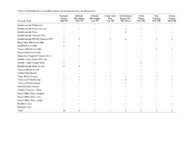
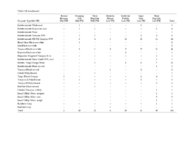
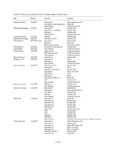
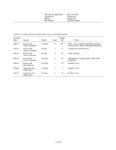
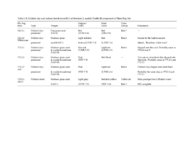
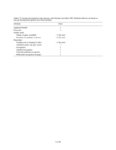
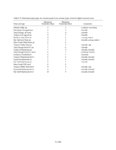
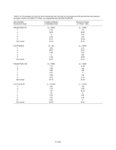
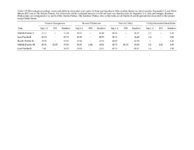
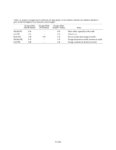
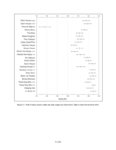
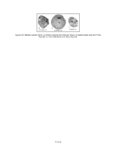
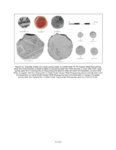
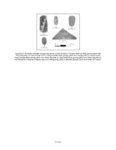
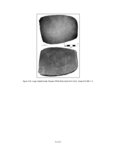
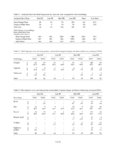
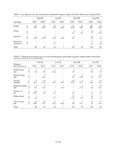
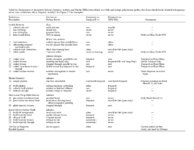
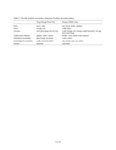
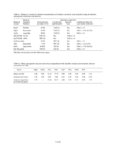
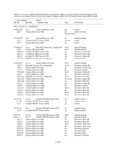
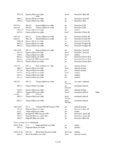
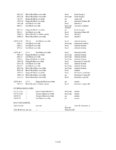
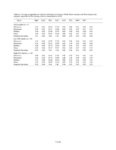
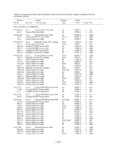
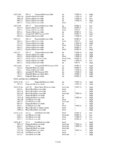
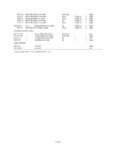
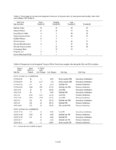
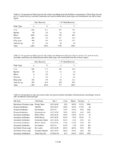
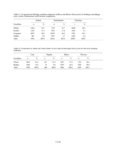
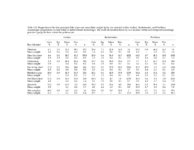
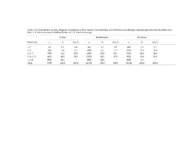
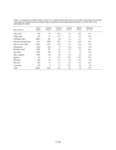
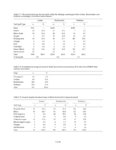
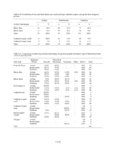
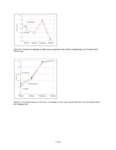
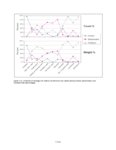
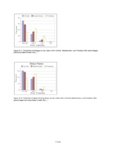
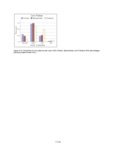
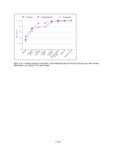
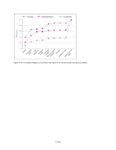
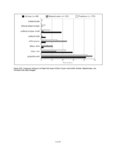
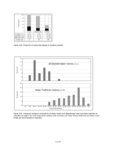
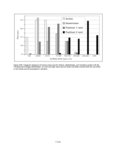
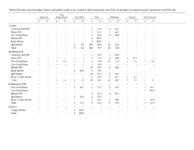
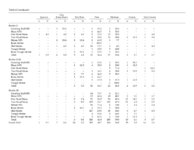
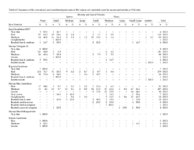
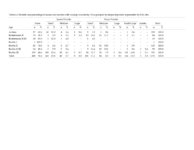
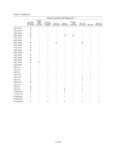
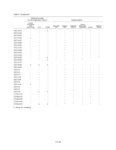
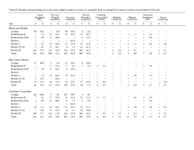
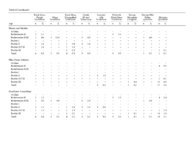
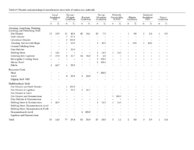
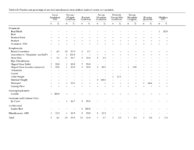
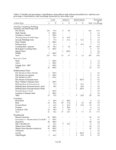
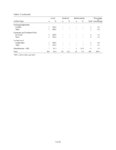
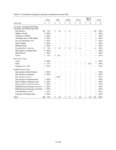
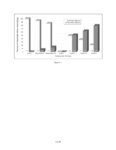
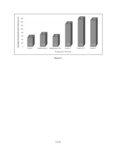
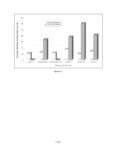
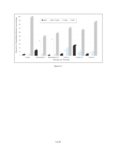
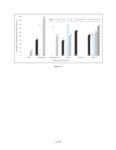
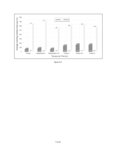
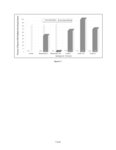
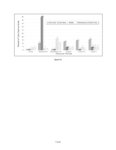
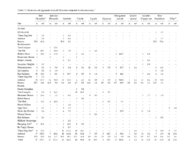
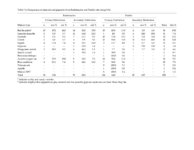
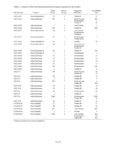
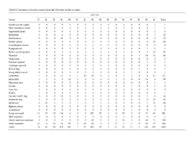
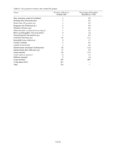
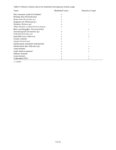
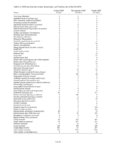
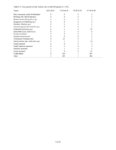
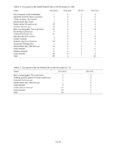
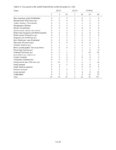
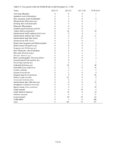
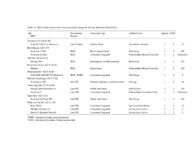
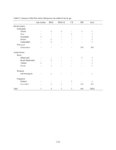
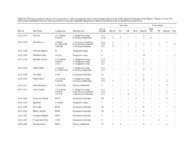
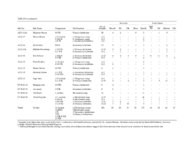
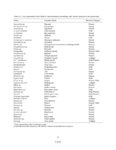
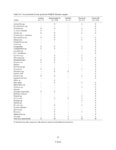
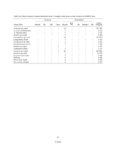
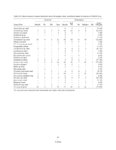
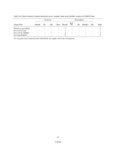
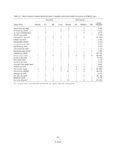
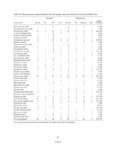
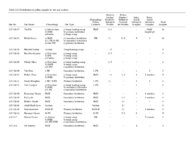
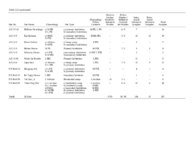
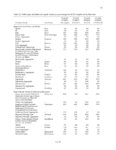
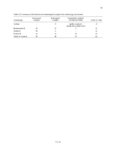
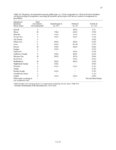
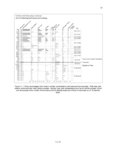
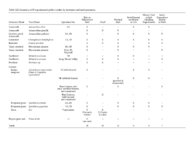
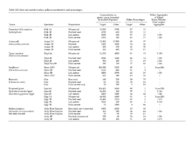
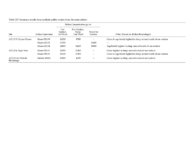
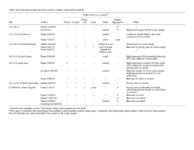
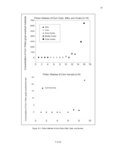
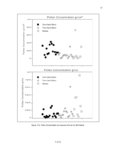
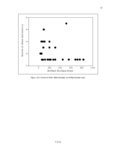
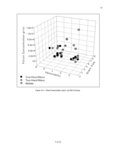
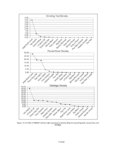
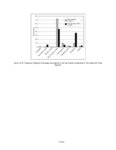
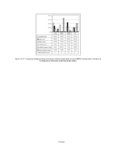
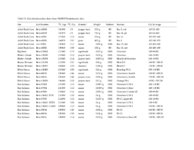
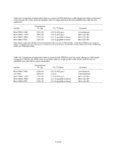
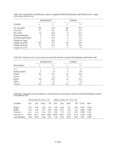
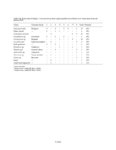
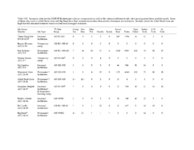
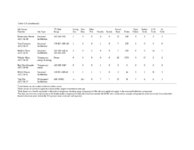
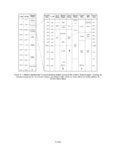
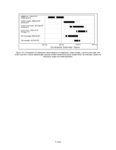
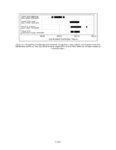
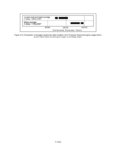
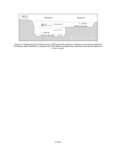
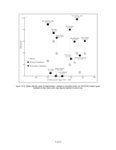
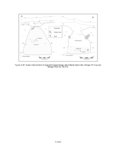
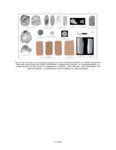
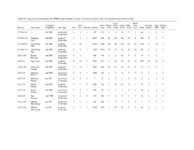
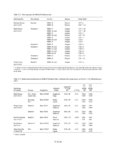
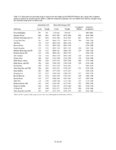
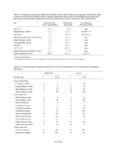
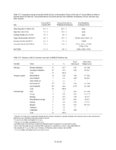
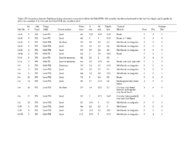
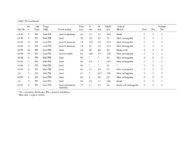
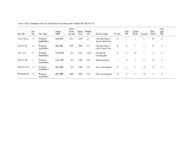
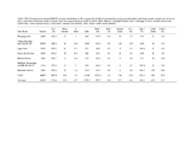
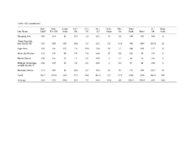
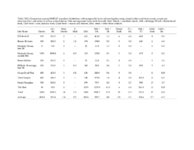
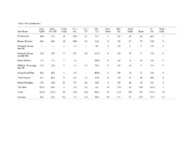
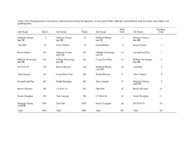
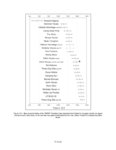
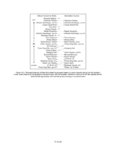
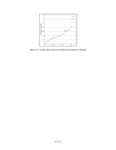
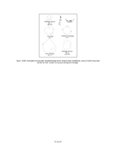
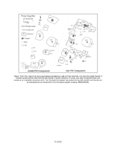
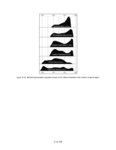
Show 7 which is counter-intuitive. Perhaps some of the variance in the productivity of pollen washes is due to how protected the artifacts were. For example, a metate left outside, especially with the use-surface turned up and open to environmental pollen rain, would be expected to capture and preserve more pollen than an artifact stored in a protected context that would exclude natural pollen rain. But comparison of contexts between artifacts resulted in another dead-end hypothesis. Tools recovered either from protected contexts, such as inside a structure or pit, or from an extramural context, such as an activity area, produced both high and low pollen concentrations (gr/cc or gr/cm2). This pattern is not related to whether the pollen assemblage from the artifact is a product of cultural activities, but is only a reflection of the abundance of pollen recovered from the wash. The physical attributes of the artifacts washed were considered next, and it is here that some dynamic correspondence between artifact texture and pollen density is visible. The three-dimensional plot displayed in Figure 12.4 shows that the highest pollen concentration values were recovered from artifacts with the highest ranks for vesicles, which are pockets and small holes in the natural fabric of the rock. Vesicle ratings of 6 and higher describe surfaces pocked by many large and small vesicles. Also, the coarsest-grained metates-those rating 7 to 8-produced the highest pollen concentrations. The particle size rating of 7 refers to very coarse with particles from 1 to 2 mm in size, and 8 is a conglomerate with at least some particles greater than 2 mm. These results indicate that the most important characteristic for trapping pollen on an artifact surface is texture, especially holes or pockets. Are There Unique Pollen Signatures from Multiple Washes? Any direct link between prehistoric plant processing and artifact pollen washes is predicted to leave distinct pollen signatures on use-surfaces that would contrast with non-use-surfaces. Along this same vein, it is probable that lab personnel performing pollen washes are generally collecting the superficial surface sediment from artifact surfaces and perhaps missing potential cultural signals embedded deeper within the rock pores and interstices; or at least they are confusing a cultural signal with too much surface material containing ambient pollen. To examine these issues, multiple pollen washes were completed on six manos and one metate for a total of 16 wash samples, but only 13 of the washes were considered for comparison (Table 12.7). Use-surface washes from one of the manos (608.04) did not produce significant counts and the samples from this artifact are excluded from the comparison. The paired sets of samples with significant counts are as follows: (1) a first wash from the artifact use-surface targeting surficial sediments and a second, deeper wash from the same use-surface (n = 5); (2) use-surface and non-usesurface washes from the same artifact (n = 2); and (3) a first wash and second wash from the use-surface, and a non-use-surface wash (n = 1). Significant results from comparison of the different washes are summarized in Table 12.7. There is but one consistent pattern in the comparison of multiple washes-pollen concentration decreases from the first surface wash to the second, deeper wash. This result suggests there is a deeper embedded component of pollen beneath surficial sediments adhering to artifact surfaces. However, there is no significant difference in the composition or relative frequency of pollen types between the different kinds of washes. There is a weak relationship for enhanced representation of grass pollen from the deeper, second use-surface washes in four of the five artifacts. And in three of the five artifacts, sagebrush percentages were higher in the second, deeper wash compared to the first wash of the use-surface. There are many possible explanations for enriched frequencies of grass and sagebrush pollen. It may in some way relate to cultural activities around the sites where the artifacts were used. It is also possible that there was more grass and sagebrush in the landscape in the ca. AD 500s to 1100s than in more recent time, or there is some physical characteristic about sagebrush and grass pollen that adheres better to rock. Pollen Washes Compared to Controls Seventeen artifacts from seven sites are represented by sets of one or more control samples and productive washes. This population of paired samples was designed to explore whether there are unique assemblages from the washes. Control samples consisted of the sediment in direct contact with the usesurface of the artifact, from beneath the artifact, or from floor contexts containing the artifact, such as a structure or pit. The majority of wash samples with controls are from UT-B-63-39, where three manos, one metate, and a grinding slab are matched with sediment samples. The results from the paired wash and control samples are documented in Table 12.8. Two patterns stand out in the comparisons. Maize pollen is more common in the control samples (8 of 16 control samples produced maize pollen) than in the wash samples (only 2 of 17 multiple wash samples produced maize). The second pattern consists of higher Cheno-Am percentages in wash samples than in controls V.12.7 |