| OCR Text |
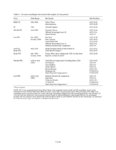
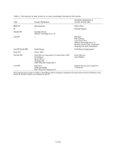
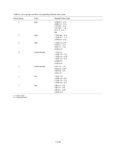
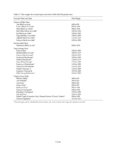
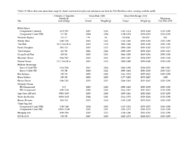
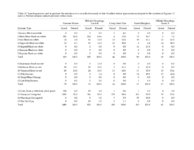
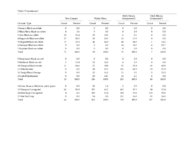
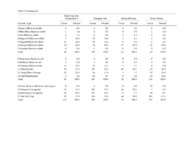
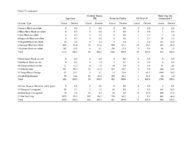
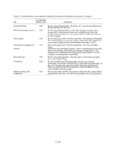
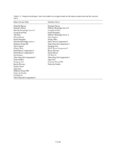
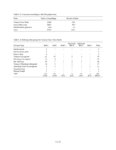
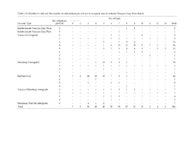
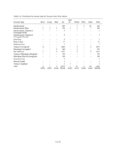
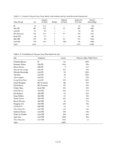
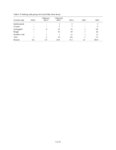
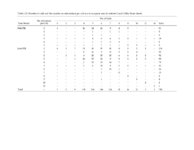
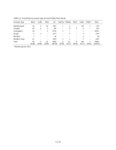
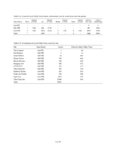
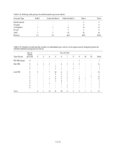
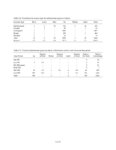
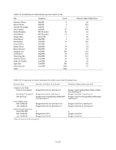
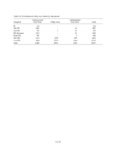
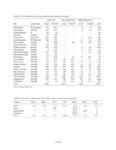
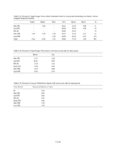
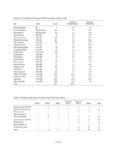
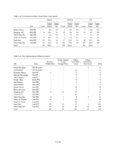
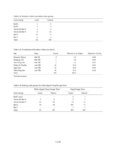
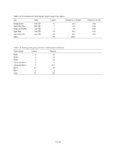
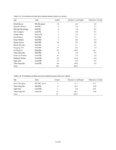
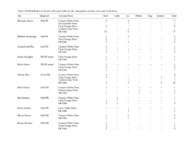
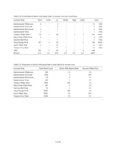
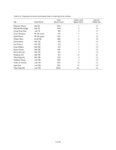
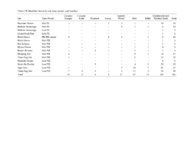
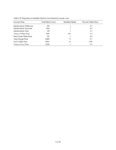
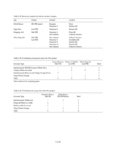
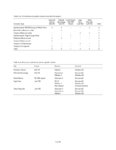
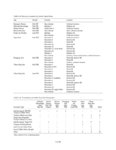
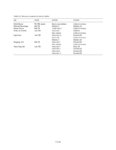
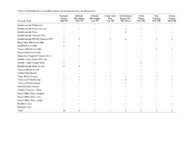
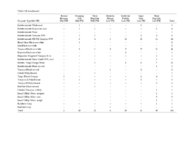
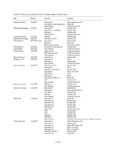
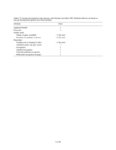
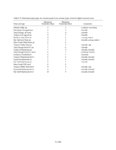
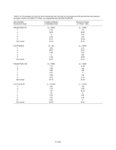
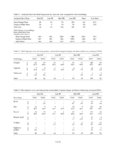
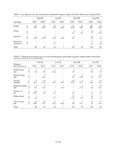
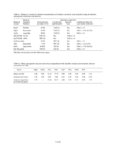
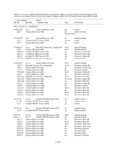
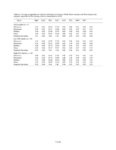
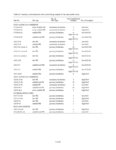
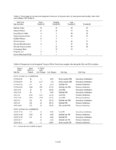
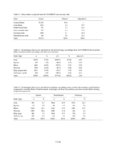
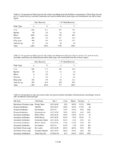
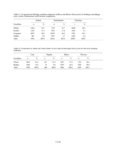
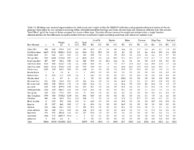
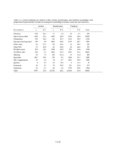
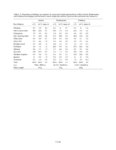
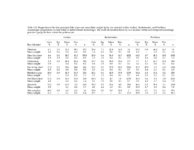
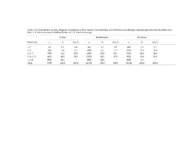
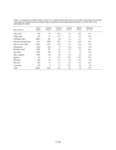
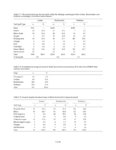
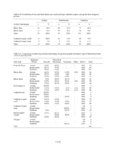
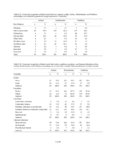
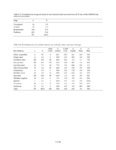
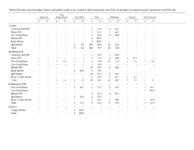
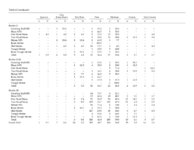
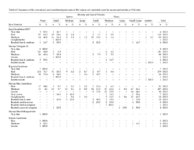
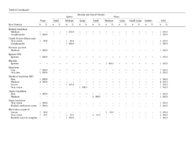
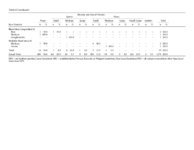
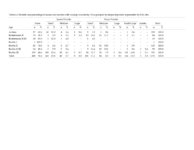
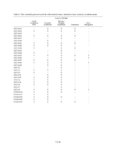
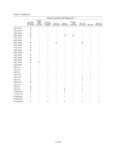
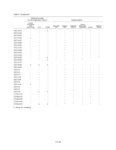
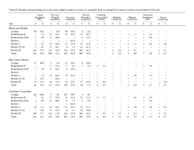
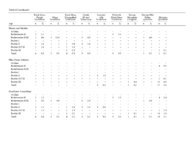
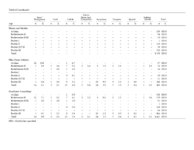
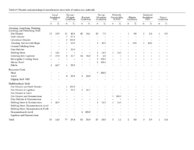
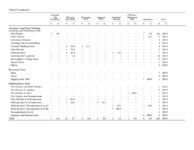
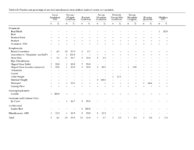
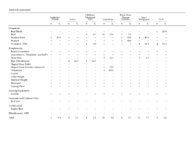
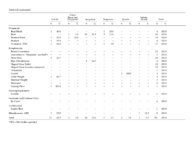
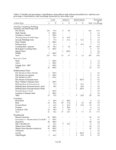
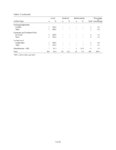
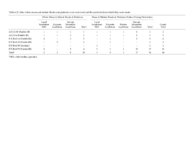
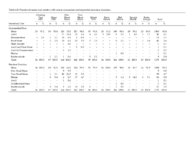
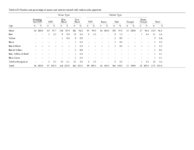
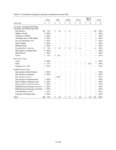
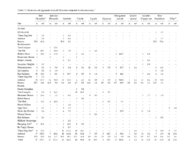
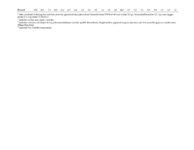
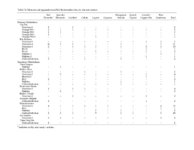
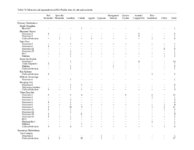
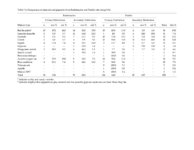
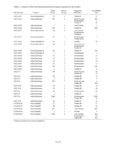
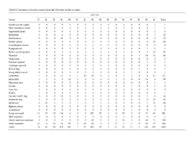
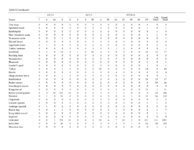
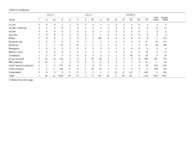
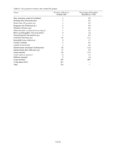
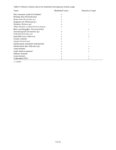
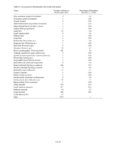
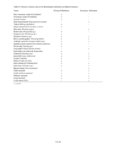
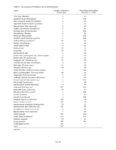
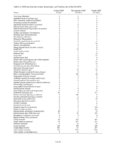
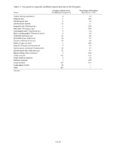
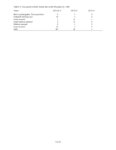
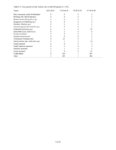
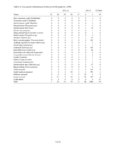
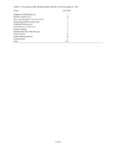
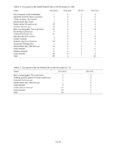
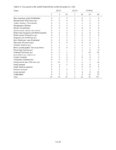
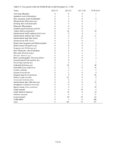
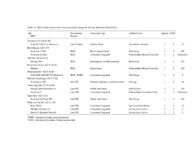
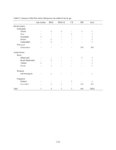
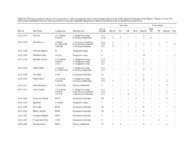
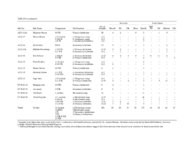
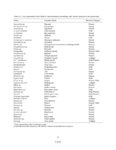
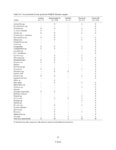
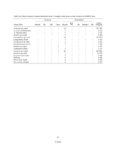
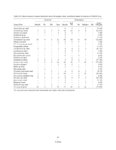
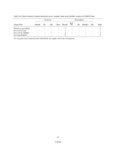
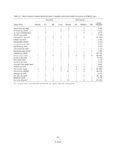
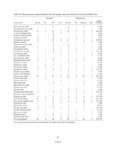
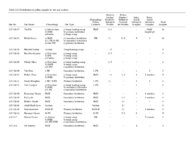
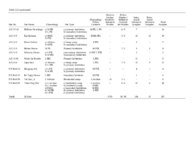
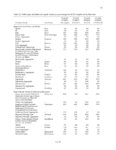
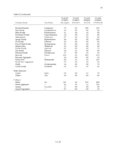
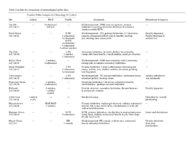
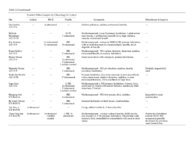
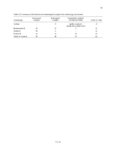
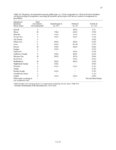
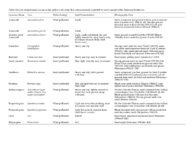
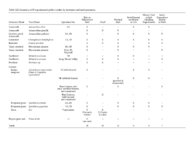
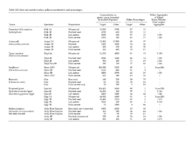
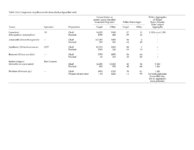
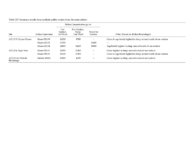
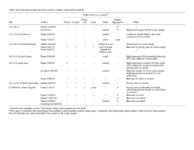
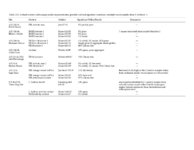
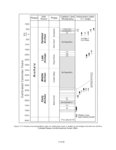
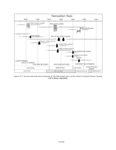
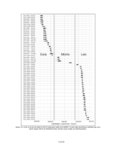
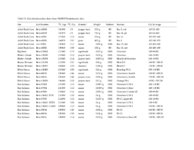
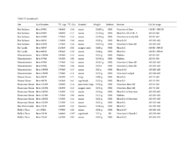
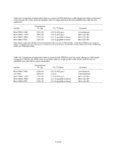
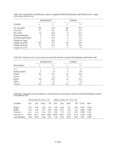
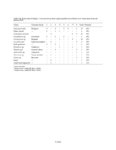
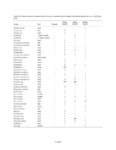
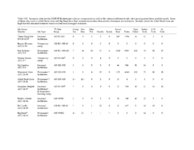
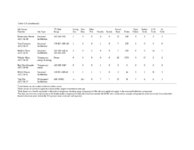
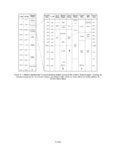
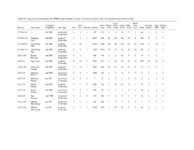
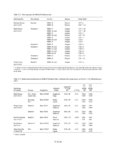
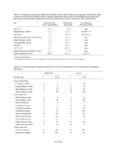
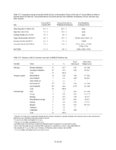
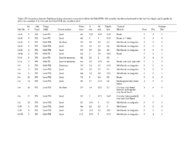
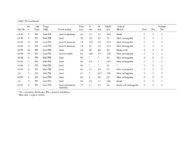
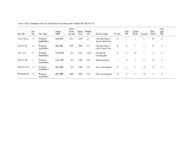
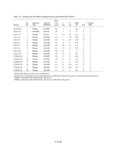
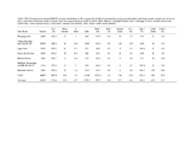
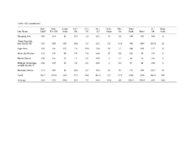
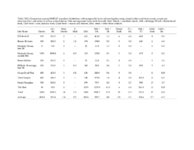
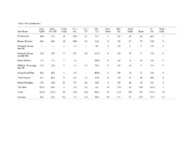
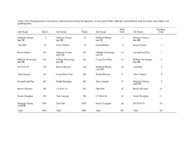
Show liters of sediment from hearths at eight early Archaic open sites resulted in the recovery of just nine burned seeds from five taxa, with five of the seeds being Chenopodium (Table 13.1). In contrast, just four 1liter flotation samples from early Archaic deposits in Atlatl Rock Cave next to this road contained not just orders of magnitude more seeds, but 17 plant taxa. Moreover, excavations of shelters often result in the recovery of human feces, thereby greatly increasing our understanding of subsistence (several feces were recovered from Atlatl Rock Cave). The general lack of macrobotanical subsistence remains at open sites is best explained as a result of the mechanical breakdown of carbonized plant parts with time. The longer remains are buried in the ground the greater the opportunity for degradation, but time is not the only variable. It appears that the depth and rapidity of burial also play an important role. This can be gauged by tabulating macrobotanical plant remains from NMRAP open sites dating to two different Archaic intervals-early and late-and by separating those of the late Archaic by shallowness of burial (Table 13.2). The late Archaic features of Three Dog Site were rapidly and deeply (up to 1.4 m) buried by eolian sand and they remained buried until their excavation by NNAD. In contrast, the late Archaic features at Tsé Haal'á and Tres Campos appear to have been shallowly buried until the time of excavation. Shallow burial leaves any carbonized macrobotanical remains exposed to alternating cycles of wet/dry and freeze/thaw as well as more intensive root and animal activity. The end result is the mechanical breakdown of nearly all carbonized plant portions, with seeds and like structures entirely lost; even charcoal becomes degraded, reduced to powder and minute flecks. The Archaic archaeological record of the N16 ROW and elsewhere across much of the Kayenta region is largely a buried phenomenon. Only three of the NMRAP Archaic sites (AZ-J-14-16, UT-B-63-30, and UT-B-63-38) were partially exposed on the surface from natural erosion; the other Archaic sites or components were buried and hidden from view. The buried Archaic sites were found either because prior road construction had sectioned and exposed them (three cases, AZ-J-14-12, -21, and -23) or because the Archaic remains fortuitously occurred under a Basketmaker or Puebloan site that was trenched. The Archaic archaeological record thus appears to be largely obscured from view, at least the portion of it containing intact features. Because the Archaic record was largely unknown prior to preparation of the data recovery plan, few research topics were specifically focused on these resources, though the overall general approach was applicable. We also lacked prior knowledge about the function of the sites, something that I can specify with greater accuracy now (see discussion later in this chapter). Most of the Archaic sites date to the early portion of this period, before about 5000 cal. BC. At least five components date to the late Archaic, after about 1500 cal. BC but before 800 cal. BC; these sites lack domesticates. Providing basic documentation of chronology, lithic assemblage variability, and subsistence remains for the Archaic components is a significant contribution from the N16 excavations, but I have also tried to use the findings to explore some broader issues. V.13.12 |