| OCR Text |
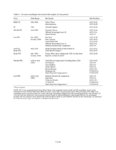
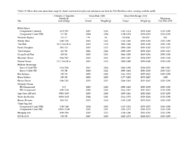
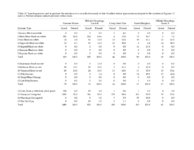
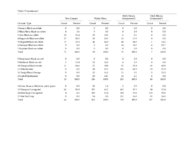
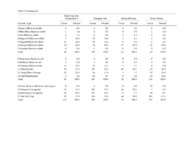
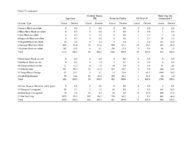
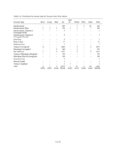
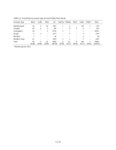
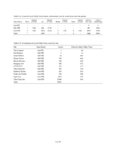
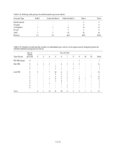
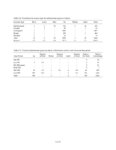
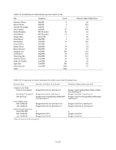
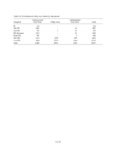
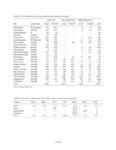
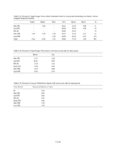
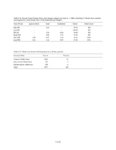
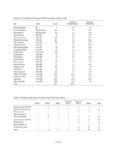
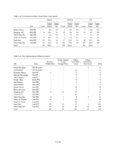
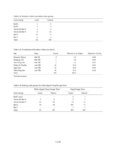
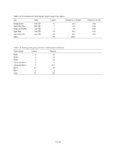
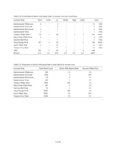
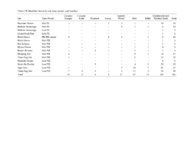
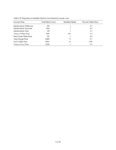
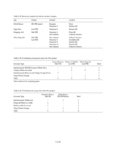
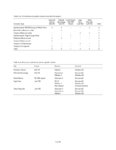
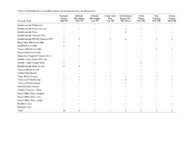
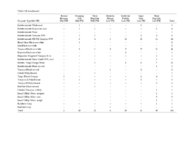
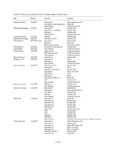
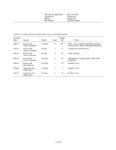
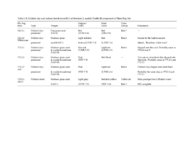
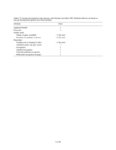
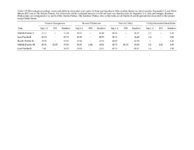
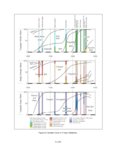
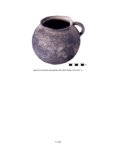
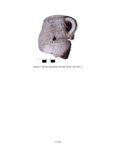
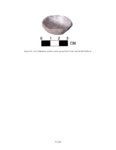
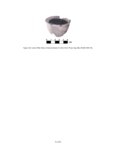
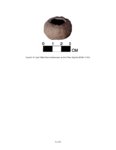
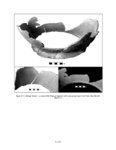
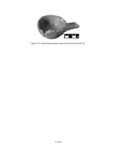
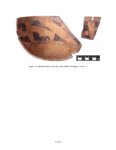
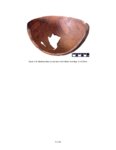
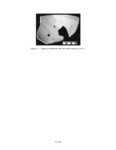
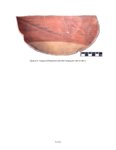
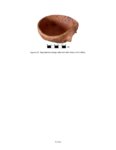
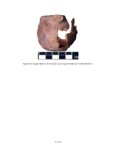
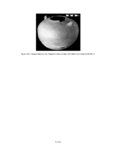
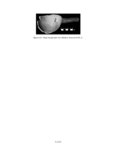
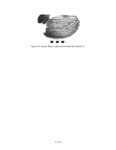
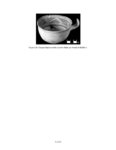
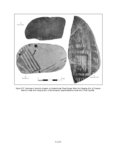
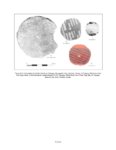
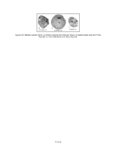
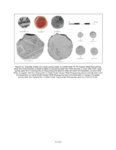
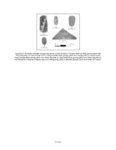
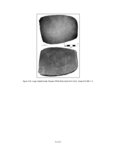
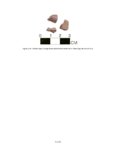
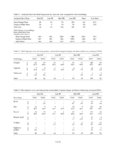
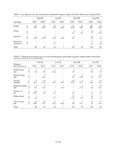
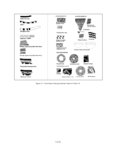
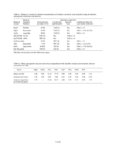
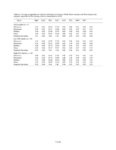
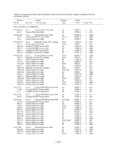
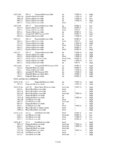
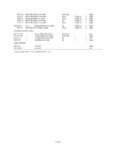
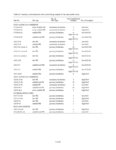
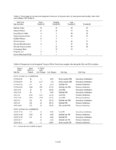
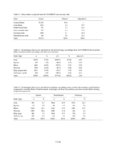
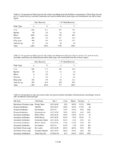
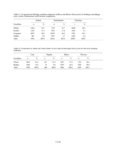
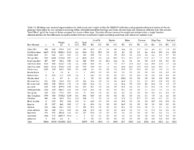
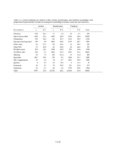
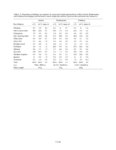
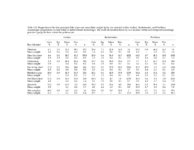
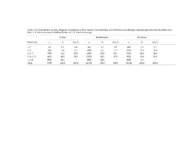
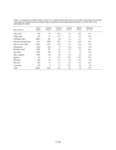
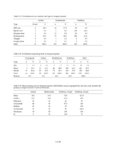
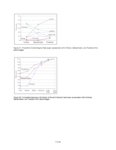
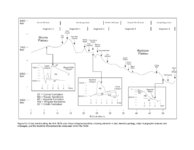
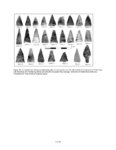
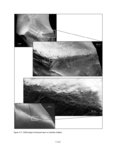
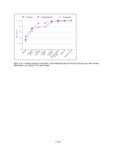
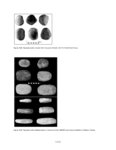
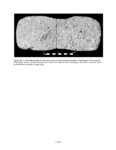
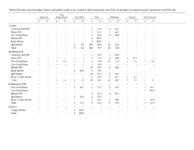
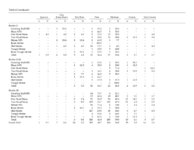
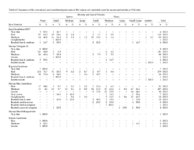
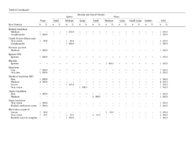
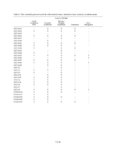
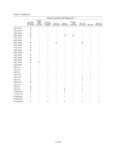
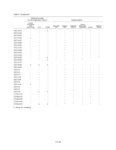
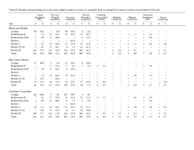
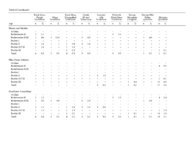
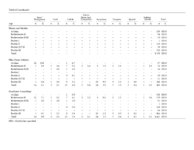
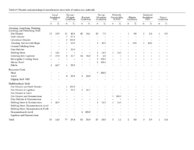
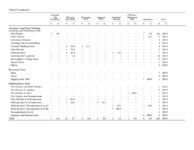
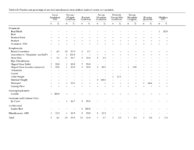
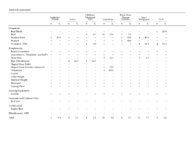
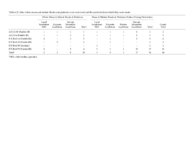
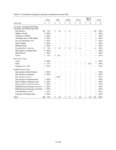
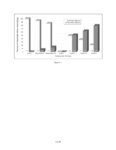
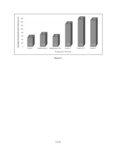
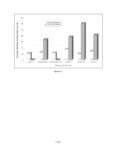
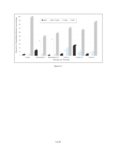
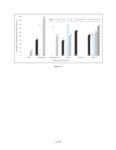
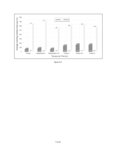
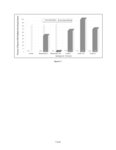
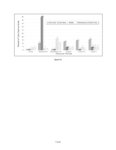
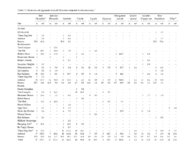
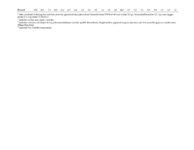
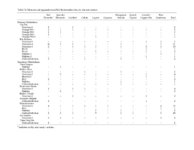
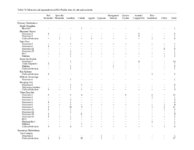
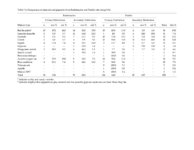
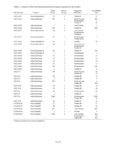
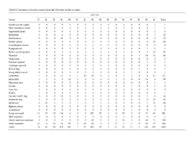
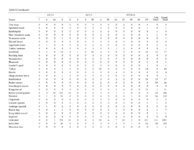
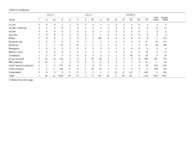
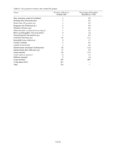
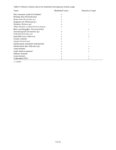
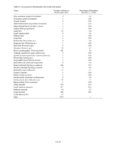
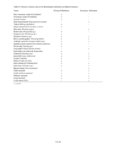
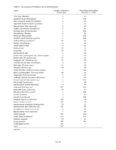
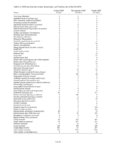
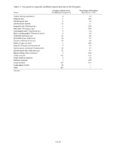
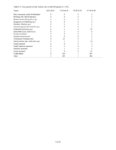
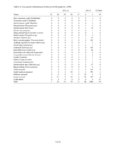
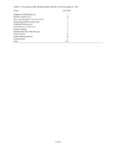
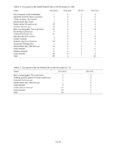
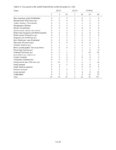
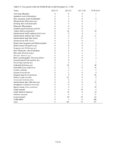
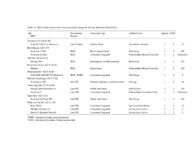
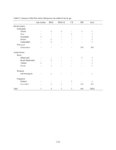
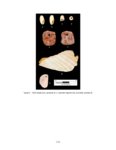
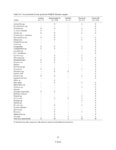
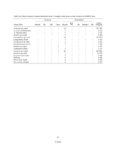
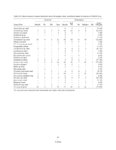
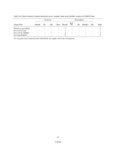
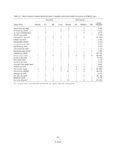
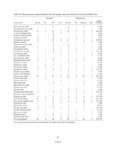
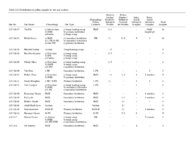
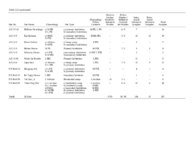
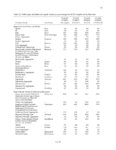
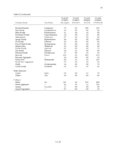
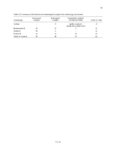
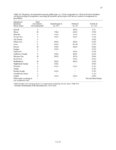
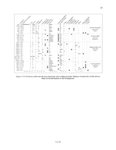
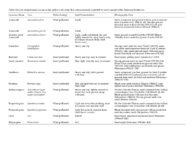
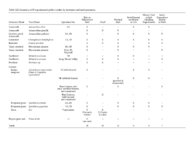
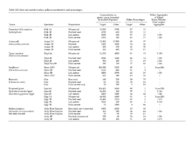
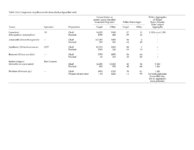
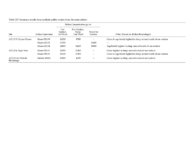
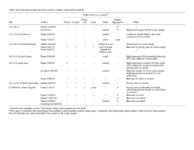
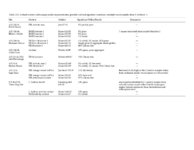
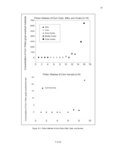
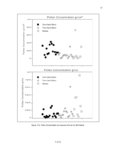
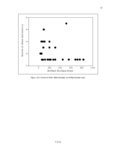
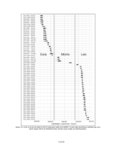
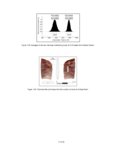
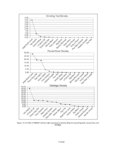
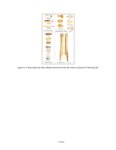
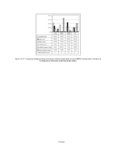
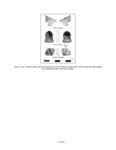
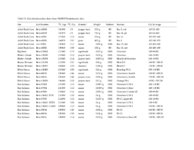
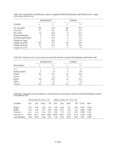
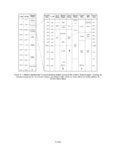
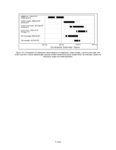
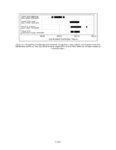
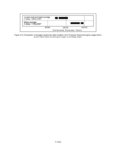
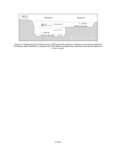
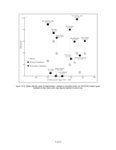
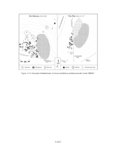
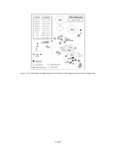
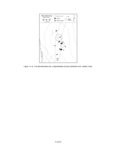
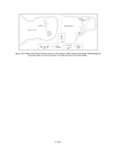
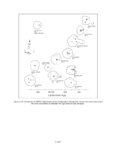
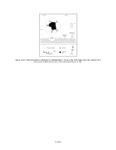
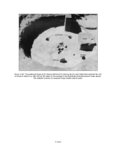
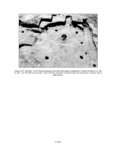
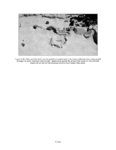
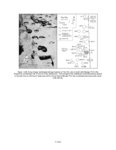
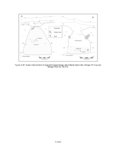
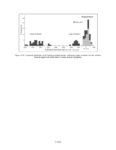
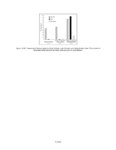
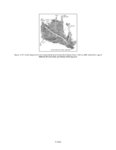
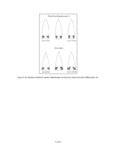
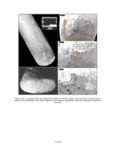
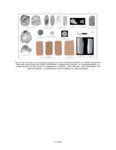
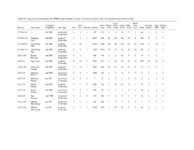
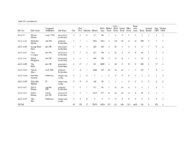
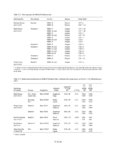
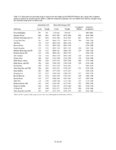
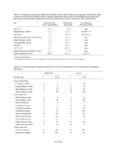
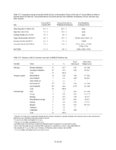
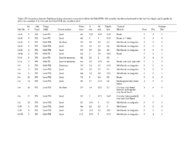
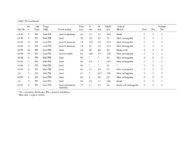
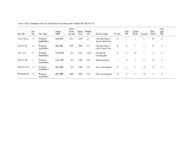
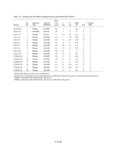
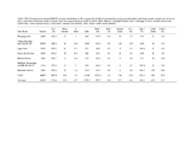
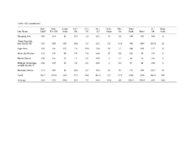
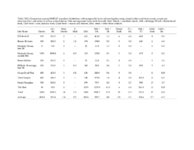
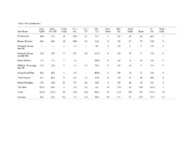
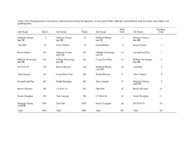
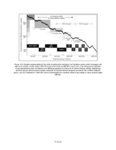
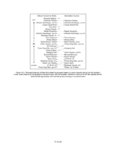
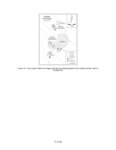
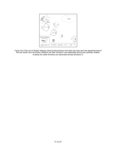
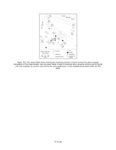
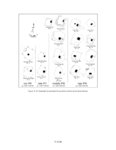
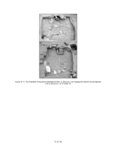
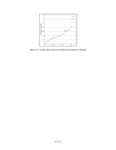
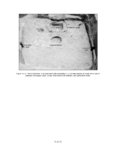
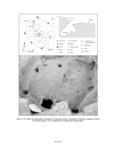
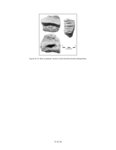
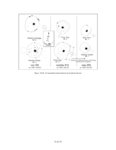
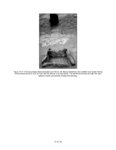
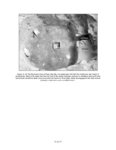
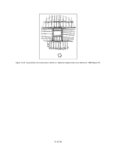
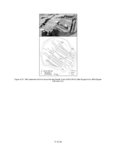
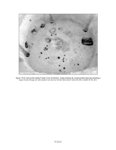
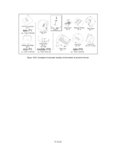
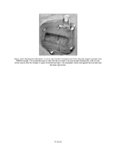
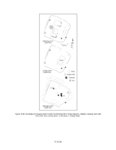
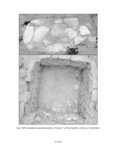
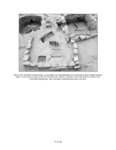
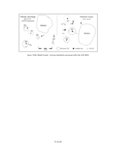
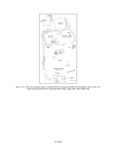
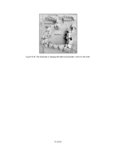
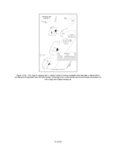
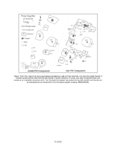
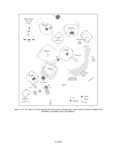
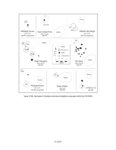
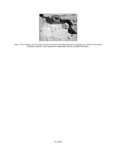
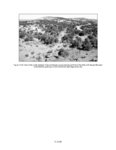
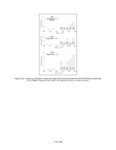
Show (Figure 15.41). The pipe was still used after the upper portion of the bowl broke, as evidenced by the abrasion and smoothing of the broken edge; the original mouth is still intact and the exterior of the pipe is polished from extensive handling (vesicles on the exterior have been purposefully plugged with light colored clay). Other seemingly unusual finds for a seasonal habitation were three possible bead blanks (one of obsidian) and 10 stone disks. As with The Slots, the informal nature of the structure, the presence of just a log and brush superstructure that likely was not earth covered, and the lack of an interior hearth led us to believe that the dwelling, and indeed the site as a whole, was occupied during the warm months of the year. Seasonal short-term use is also evidenced by the general scarcity of remains associated with food preparation and consumption; specifically the near absence of grinding tools and low proportion of utility ceramics, with few being sooted. The construction of at least one structure, and possibly a second, as well as a ramada, indicates that the occupants planned on using the site for longer than one brief episode. That this actually came to pass is suggested by the accumulation of artifacts, burned rock, and charcoal, within what amounts to a trash midden. Fragmentary corn cobs, cupules, and kernels were recovered from flotation samples from the fill of the structure and the cultural stratum; cobs were also collected in the field while screening the cultural stratum. As with The Slots, maize pollen was absent from the structure and we would expect maize pollen to be represented at temporary structures associated with field tending. The problem with the pollen evidence is that sampling was probably inadequate to be certain that maize pollen was truly absent, both here and at The Slots. The settlement role of these two sites remains a mystery. In our rush to accord every site a functional role in some annual subsistence strategy we might be overlooking an important aspect of the past- humans do not live by bread alone. The pipes at both of these sites along with abundant burned rocks and hearths for heating seem to hint at an alternative purpose. Perhaps the sites were used for sweat baths and ceremonial cleansing, hence the cloud blowers, and the divide might have offered an enticing secluded retreat for contemplation, along with stunning vistas. Final Thoughts. Table 15.14 presents a different orderings of the secondary habitations based on the count of certain artifacts: total sherds, total flakes, total formal stones tools (excluding used flakes), and total grinding tools (manos and metates). Site sequence generally changes from one column to the next, sometimes markedly so because artifact counts such as sherds and flakes do not always covary. For example, The Slots goes from second place for sherds (few) to the top of the list for debitage (the most), and also has a high number of stone tools, but few of which are grinding tools. Hence, occupation duration as evidenced by sherds substantially differs from that indicated by stone artifacts, and in this instance we have sided with the stone evidence (plus our subjective knowledge about the site) rather than the ceramics. In some cases, best exemplified by the Pueblo II component at Modesty House, the order remains unchanged, in this case at the bottom. The architectural evidence for this site is clearly in agreement since the brush structure here was the flimsiest of the lot, suggesting construction for an anticipated brief stay. The information from this table was used along with subjective knowledge about the nature of each site to provide a relative ordering of these 10 sites according to duration of occupancy as shown in Figure 15.42. We tended to give slightly more weight to the grinding tool totals since these are involved in food processing and this is taken to be an indicator of occupation length. Scavenging of ground stone is well documented in the ethnographic and archaeological literature (e.g., Schlanger 1991), but it is our guess that some manos and metates were cycled from small sites to large sites and back again as needed. This is not scavenging in the usual sense, but the end result is the same: we may not be seeing the full complement of grinding tools used at the site. There may also have been scavenging, or at least a returning of ground stone tools to primary residential sites upon final abandonment of the site (which would explain the "absence" of whole metates). The two processes- cycling and scavenging-would be most effective at removing items with high replacement costs, such as formalized trough metates, especially when transport distance is low. There was virtually no evidence for formalized trough metates at the field house sites. This could indicate that the occupation or reoccupation of any small site was never long enough to outlast the use-lives of most grinding tools: "when occupations … last longer than tools, discarded tools begin to accumulate in fill, trash, and other contexts" (Schlanger 1991:467). In a study of highland Maya ground stone technology, Hayden (1987: Table 5.3) estimated average use-lives of 32.9 years for metates and 21.5 years for manos. The Mayan ground stone is probably more formal and long-lasting than that observed on N16, but even halving the figures far exceeds the estimated duration of use of all of the field house sites. Many other measures could be used for discriminating between short and long site duration, such as the numbers of diagnostic ceramic types, the numbers of different vessel categories, and diversity of lithic raw material types, and more might be better, although any of these will have their issues, such as how much natural raw material variability occurs in an area and whether some sites are located right next to V.15.47 |