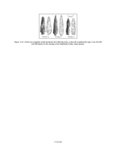
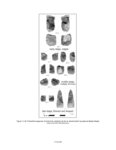
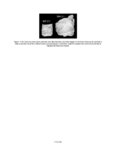
| OCR Text |
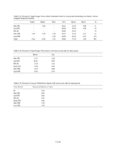
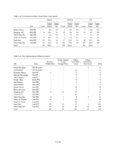
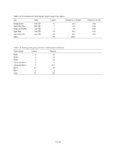
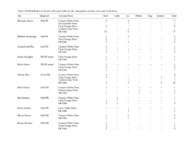
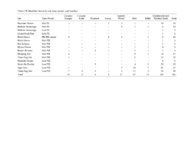
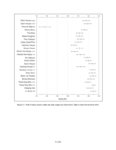
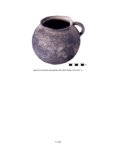
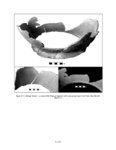
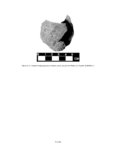
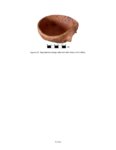
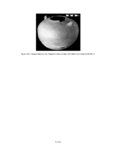
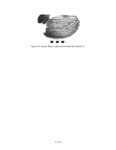
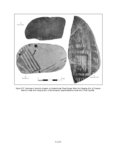
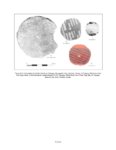
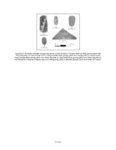
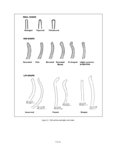
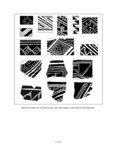
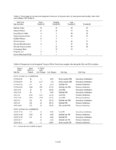
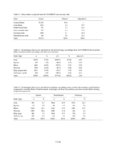
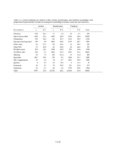
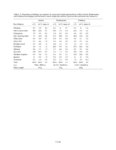
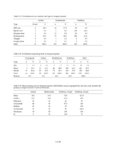
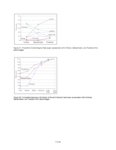
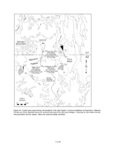
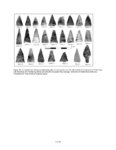
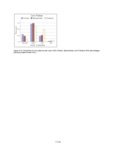
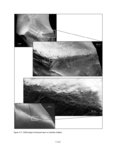
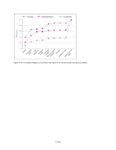
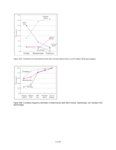
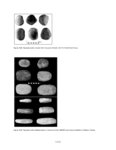
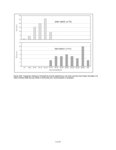
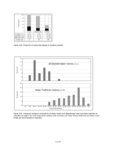
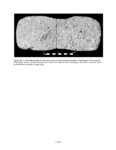
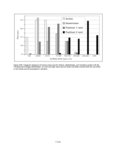
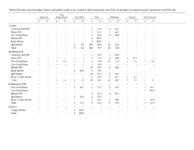
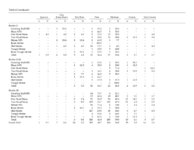
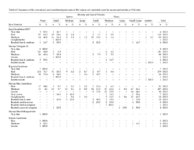
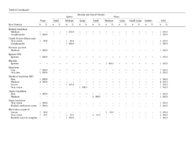
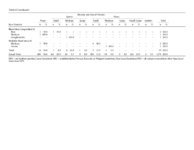
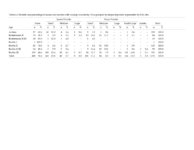
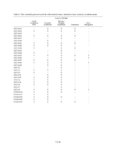
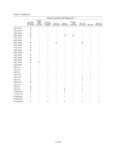
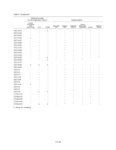
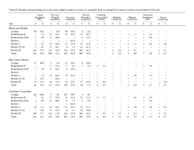
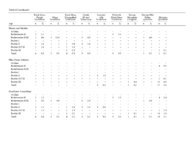
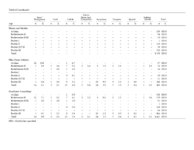
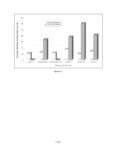
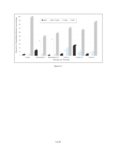
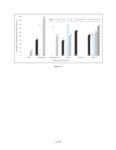
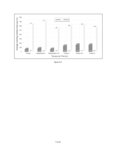
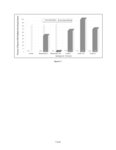
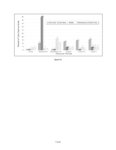
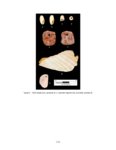
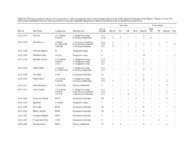
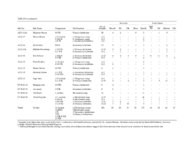
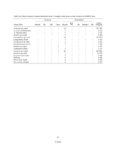
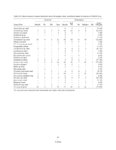
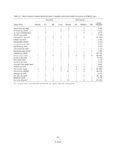
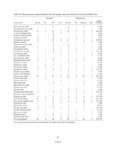
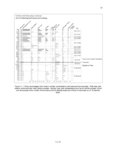
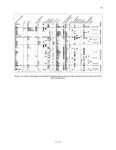
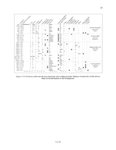
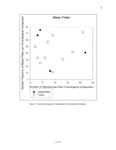
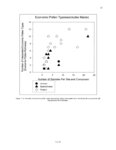
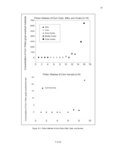
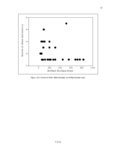
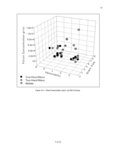
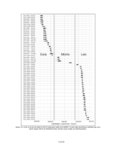
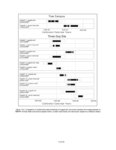
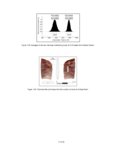
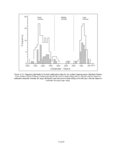
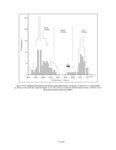
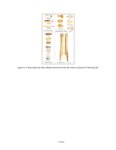
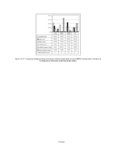
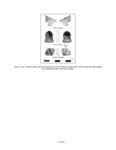
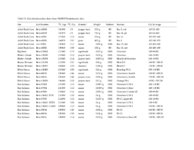
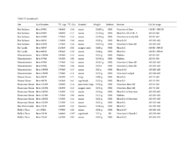
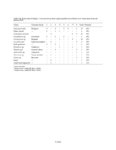
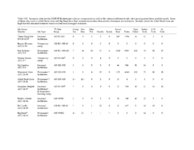
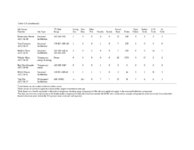
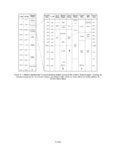
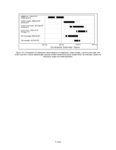
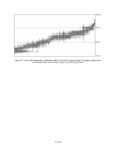
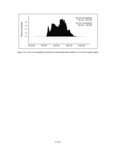
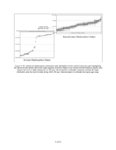
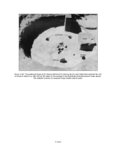
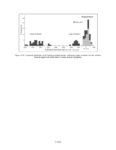
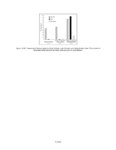
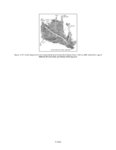
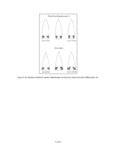
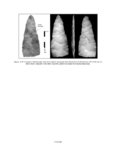
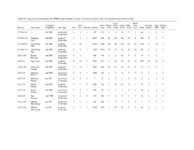
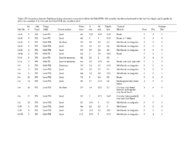
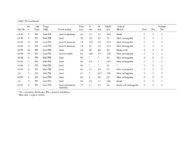
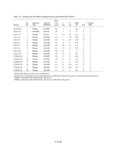
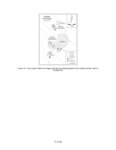
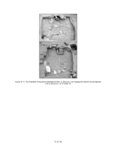
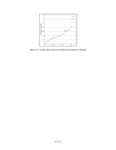
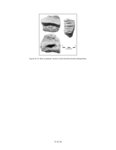
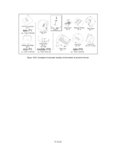
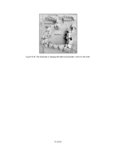
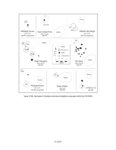
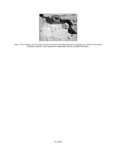
Show OHD as it currently exists is an inconsistent and unpredictable dating method; at worst, it is entirely unreliable." OHD results for The Pits appear to fit the "best" case scenario in that 2 of the 10 hydration dates fall within the expected time period (20% success!). Unfortunately, the technique alone provides no basis for knowing that these two dates were any better than the others. The results for Hólahéi Scatter appear to fit the "worst" case scenario in that 14 of the 15 hydration dates are clearly wrong and the one outlier might also be wrong. In this case natural burns through the site area might have reset the hydration rinds to values that are meaningless with regard to the time of deposition. It is perhaps telling that in a paper advocating the technique (Stevenson et al. 2000), the method faired essentially no better than reported here. The truth to this is especially evident in the hydration results for single features (Stevenson et al. 2000: Table 3) where rim measurements and calculated dates fluctuate wildly and the hydration dates show no correspondence with radiocarbon dates. In an attempt to reassert the utility of OHD, however, Hull (2001) claims that we are perhaps asking too much of the technique. There can be no doubt that our views of OHD's success depend upon our expectations of how the technique will perform, what it can achieve with temporal placement. If a 1 in 5 chance of correct temporal placement is acceptable-as well as the converse, a 4 in 5 chance of incorrect temporal assignment-then by all means use OHD. The trick is knowing which of the five dates, if any, to believe. PALEOINDIAN REMAINS AND ARCHAIC BEGINNINGS As reviewed in the introduction to this volume, excavations at Dust Devil Cave revealed that Archaic foragers were living on the Rainbow Plateau by around 8000 cal. BC. This is based on a 8830 ± 160 BP radiocarbon date on yucca leaves lining the bottom of a small storage pit originating from the bottom of Stratum IV (this assay has a calibrated two-sigma range of 8300-7550 BC). With such time depth there is the possibility for coexistence between Archaic and Paleoindian foragers or for securing evidence of continuity between the two. There are traces for a sparse late Paleoindian presence in the general Kayenta region such as the Badger Springs site on the Shonto Plateau (Hesse et al. 1996; Smiley 2002a:23-25) and Cody-like points from around Tuba City (seen by the author in a private collection), but the ages of these remains are unknown. Unfortunately, the N16 excavations shed no additional light on the earliest portion of the early Archaic period. The oldest Archaic features excavated during the NMRAP date to 8200-8300 radiocarbon years ago. One isolated hearth at The Pits produced an assay of 9780 ± 100 BP, which has a calibrated two-sigma range of 9650-8800 BC. This assay is within the expected time frame for late Paleoindian remains, but nothing else can be related to this date. No artifacts were recovered from the immediate vicinity of the feature and because its age was not known until well after data recovery was over, work within its vicinity was quite limited. Consequently the date remains an enigma, a hint that late Paleoindian remains might eventually be uncovered in the area. Had this date been obtained from Hearth 1 at Sapo Seco then I would have another story to report. During excavation of Locus B at this Tsegi phase (late Pueblo III) site on the Rainbow Plateau (see Chapter 8 of Volume IV) the NNAD crew recovered a Plainview-like point base from the surface (Figure 13.9). Because the point appeared to be within the edge of an eroded Puebloan trash midden, the field crew thought little of the find, until underneath the Puebloan component they uncovered a buried hearth containing pressure flakes. The hearth was only about 10 m from where the point was recovered and the pressure flakes in the feature were of the same general material type as the point (Navajo chert). Radiocarbon dating of charcoal from this feature produced an age well within the local Archaic sequence (8230 ± 50 BP), so the point is unlikely to be associated with the hearth. Attempts to refit the pressure flakes to the point also failed and indeed no flakes were sufficiently similar in color and micro-inclusions to have been from this tool. Indeed, it is improbable that any flakes detached from finishing this tool would have been recovered from where the broken, used point ended up. The projectile point might have been a Paleoindian hunting loss at the approximate find location, but Puebloans may have instead collected it as a curiosity and then discarded it in the midden. SETTLEMENT CONTINUITY AND THE MIDDLE ARCHAIC Archaeologists often divide things into three stages … Afterwards, of course, they argue that the whole thing was continuous anyhow and that the divisions are arbitrary and for convenience. (Leakey 1984:13) There is a simple yet unanswered question concerning whether the Colorado Plateau was the setting of continuous cultural development during the Archaic period. There are advocates both for and V.13.21 |