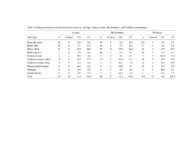
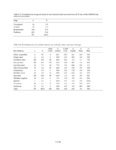
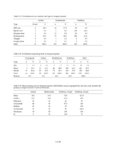
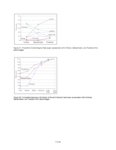
| OCR Text |
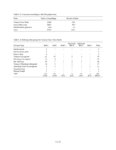
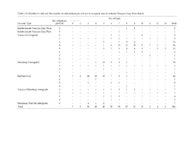
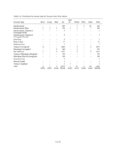
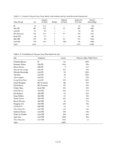
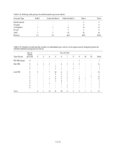
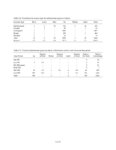
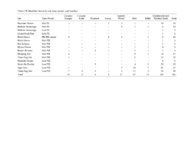
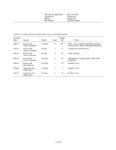
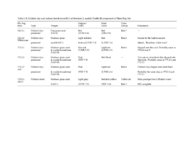
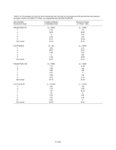
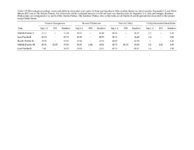
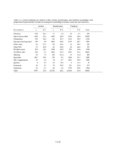
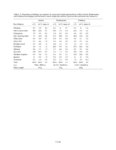
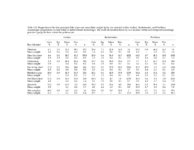
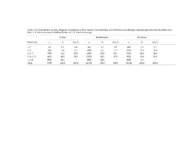
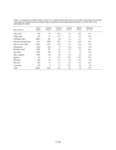
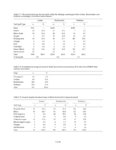
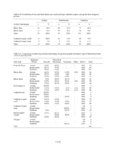
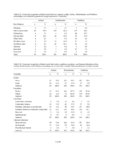
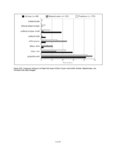
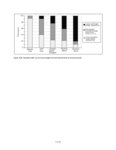
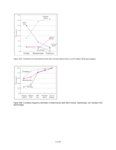
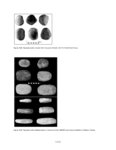
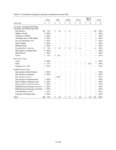
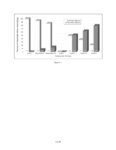
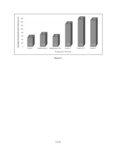
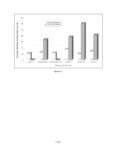
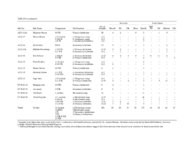
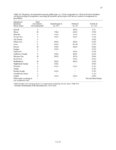
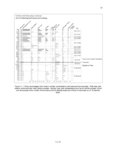
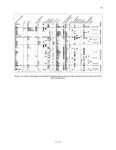
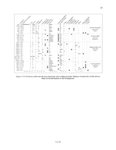
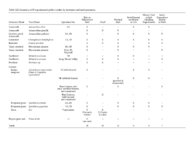
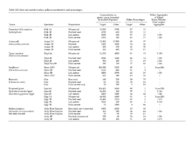
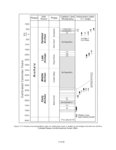
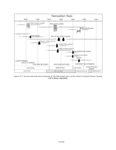
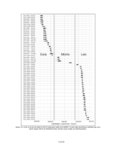
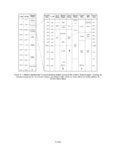
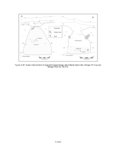
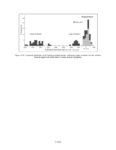
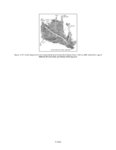
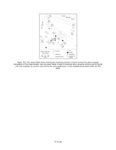
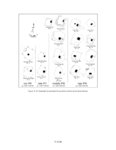
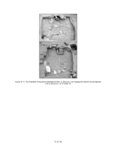
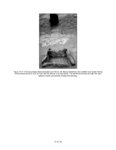
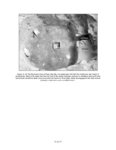
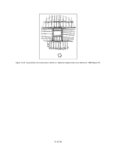
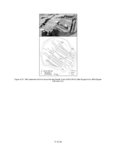
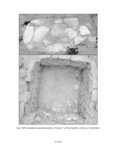
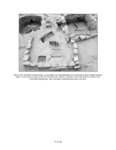
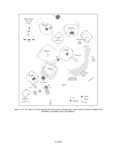
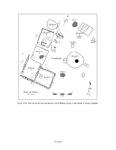
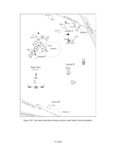
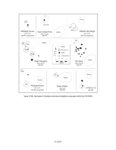
Show Basketmaker III and Pueblo I pit houses to have floor partitions that clearly delimit the structure's interior into distinct areas. The presence of in situ food-grinding implements within some of these partitioned areas suggests that food preparation activities were centered there (Woodbury 1954:61). In these instances the partitioned areas could be considered locations of gender-specific activities conducted by women. In other cases the partitioned areas appear to have been used for storing manos, portable metates, and other domestic items rather than for the actual food-processing tasks. Nonetheless, these areas can still be thought of as gender-specific locales linked to women's culturally defined roles. In Basketmaker pit houses without partitions, like those at the N16 sites, the use of floor space appears to have been slightly less rigidly defined. Additionally, none of the N16 Basketmaker houses had permanent metate installations. Temporary grinding work areas were created in the multipurpose living rooms by setting up a metate wherever space permitted. A metate would be propped up on small stones or manos and a shallow basin was made in the floor or a container was placed under the lower end of the metate to catch the cornmeal. When the grinding was complete, or when space was needed for other activities, the metate could be moved out of the way by storing it on edge against a wall. The grinding tasks performed by women and girls were part of the daily activities of the household and were performed in the same general space as food and craft production, eating, and sleeping (Schlanger 1996:9) By the Pueblo II period the distribution and locations of food-grinding tools were more concentrated in specialized processing facilities in the form of mealing rooms, although not all food grinding was located entirely within these locations. Definitively identified mealing rooms were discovered at five N16 sites that date from middle Pueblo II to late Pueblo III. As discussed earlier, these rooms represent a specialized architectural form of semi-subterranean to fully subterranean pit structure designed for and devoted to food grinding. The rooms contained multiple permanent grinding facilities-mealing bins- with manos and metates, and had little or no space for other activities. Most of the mealing rooms of this type that have been recorded elsewhere were constructed between AD 1000 and 1150. These specialized pit structures, which are usually associated with unit pueblo kivas, occur primarily in the Kayenta and Mesa Verde regions (Mobley-Tanaka 1997; Ortman 1998; Perkins 2000; Schlanger 1994, 1996, n.d.). Mealing rooms seem to have first appeared on Black Mesa during the early Pueblo II period (Lamoki Phase, AD 1050-1100) with the metates placed in mealing bins. One explanation for why the rooms were subsurface is that the wall of the excavated pit provided a solid surface against which the kneeling woman who was grinding corn could place her feet. Supposedly a solid pit wall would provide a more solid backing than a jacal or masonry wall (Gumerman 1992:89). By late Pueblo II times (Toreva Phase AD 1100-1150) mealing facilities were beginning to be placed in surface masonry rooms (see Gumerman 1992:100). Alternative explanations for mealing rooms have been proposed by other researchers. MobleyTanaka (1997) and Schlanger (1994, 1994, 1996, n.d.) have both argued that the construction of mealing rooms may have been linked to the organization and separation of gender-specific rituals. At most sites with mealing rooms the rooms are located in the plaza between the kiva and the arc of rooms created by the roomblock, usually either to the east or west of the kiva. Nearly always the ratio of mealing rooms to kivas is 1:1 (Mobley-Tanaka 1997; Perkins 2000; Schlanger 1994, n.d.). Schlanger (1994, 1995, 1996, n.d.) believes that semi-subterranean or subterranean mealing rooms evolved in tandem with kivas from earlier domestic pit structures. Both mealing rooms and kivas were associated with the development of ancestral Pueblo ritual. Although mealing rooms may have developed in response to increasing economic demands for corn, she suggests that the rooms were built in response to demands for cornmeal for use in ceremonial contexts and to an overall elaboration, if not the initial development, of corn-oriented ceremony. In addition, Mobley-Tanaka (1997:438) suggested that "just as the kiva housed nonritual activity that bound men together … mealing rooms could have housed nonritual food preparation that similarly functioned to integrate women and to educate girls toward their adult roles." Both authors noted that the shift to a specialized facility and from single to multiple grinding stations is indicative of a change in the social context of mealing. As noted by Mobley-Tanaka (1997), this change, whether it involved the formalization of economic or of ritual roles, was a shift from private and individual mealing to more public, communal mealing. This change may have prompted integration among the women of a community and given them some control over the product of their work (i.e. cornmeal), a product that probably was both ritually and economically significant, as it was historically among Pueblo people. Ethnographic records show that among both the Hopi and the Zuni, female activities in kivas are limited. Hopi kivas are the primary architectural structures housing male nondomestic activities. In addition to the ceremonies that take place there, kivas are also the locations of elaborate ceremony preparations, and a major locus for male weaving, tool making, trade, council meetings, and exchange of information. Kivas are also social houses for Hopi men where they talk, smoke, play games, or simply V.6.38 |