| OCR Text |
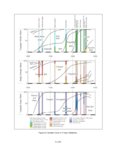
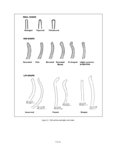
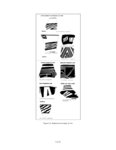
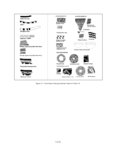
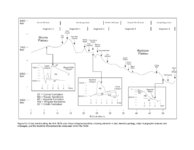
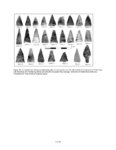
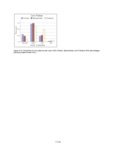
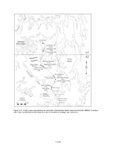
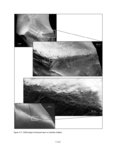
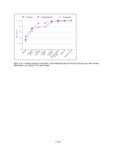
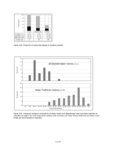
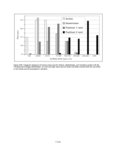
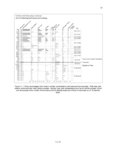
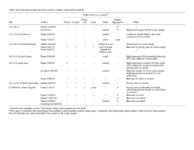
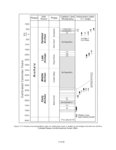
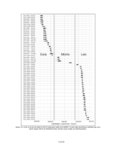
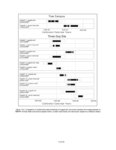
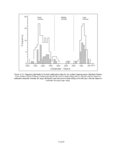
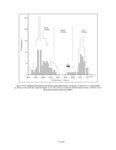
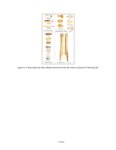
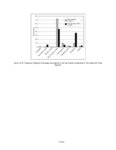
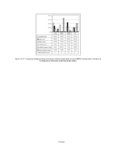
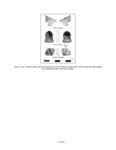
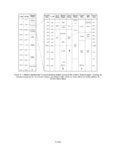
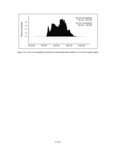
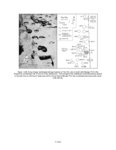
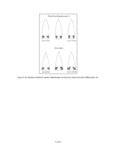
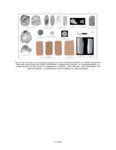
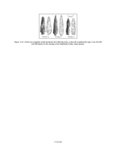
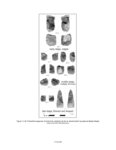
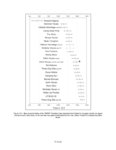
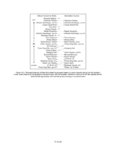
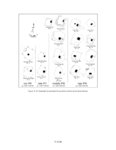
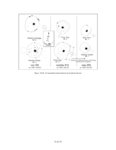
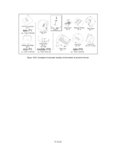
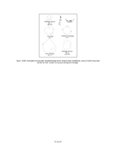
Show Huckell 1996; Matson 1991). Because the temporal parameters for these divisions vary slightly between authors or regions, given projectile points or other temporal diagnostics might be included in different subdivisions. For example, Huckell (1996:338-339) assigned Northern Side-notched and Gypsum points to his middle Archaic (ca. 5500-3500 BP), but most authors working on the northern Colorado Plateau would assign the former to the early Archaic (prior to 6000 BP) and the latter to the late Archaic (after about 4000 BP). This follows from Holmer's (1978) suggested tripart division of the Archaic period and the common projectile point types that he saw as characteristic of each subperiod. In simplified terms, Pinto, Humboldt, and a few notched forms (Northern Side-notched and Elko Series) are characteristic of the early Archaic from roughly 8000 to 5200 cal. BC. It appears that Elko Corner/Side-notched is the most common early Archaic point type from many stratified shelters/caves. Unfortunately, much to the frustration of archaeologists, Elko points are common throughout the entire Archaic period, and can occur on later sites as well; they are thus poor temporal diagnostics (see Holmer 1978). Because of this type's long duration of use, many early Archaic sites might go unrecognized. The middle Archaic from roughly 5200 to 2500 cal. BC is characterized chiefly by high side-notched points such as Sudden and San Rafael Side-notched, the latter appearing towards the end of the middle Archaic and extending into the late Archaic. Hawken Side-notched is another middle Archaic type identified by Holmer, but it is poorly represented across most of the northern Colorado Plateau. The contracting stem Gypsum point (Gatecliff) is characteristic of the late Archaic after 2500 cal. BC up to or including the arrival of agriculture. Gypsum points could end prior to the introduction of agriculture into the region, as suggested by Berry and Berry (1986:309-310), but this issue remains unsettled (e.g., Eccles and WallingFrank [1998:10.25] reported Gypsum points from a Basketmaker II site near Colorado City). On the Rainbow Plateau the terminal Archaic sites that date to around 1000 cal. BC and shortly thereafter contain Elko Corner-notched points but not Gypsum points. The temporal sequence used in this report is illustrated in Figure 13.3 along with the chief diagnostic artifacts, both projectile points and perishables. It should be realized that the lines of separation between the early, middle, and late subdivisions are not hard and fast, and different researchers may place them at slightly different positions. At least part of the basis for placing the temporal divisions in the approximate positions shown in Figure 13.3 derives from the frequency distribution of radiocarbon dates and the abandonment of several shelters. THE RECORD AND ITS LIMITATIONS For people who leave the remnants of their lives scattered across vast territories and in mostly lowdensity concentrations, archaeologists must work extra hard to assemble enough evidence to piece together a reasonably detailed picture of past life. Such is the nature of investigations into Archaic foragers on the Colorado Plateau. Even the richest of Archaic sites, such as Cowboy and Dust Devil Caves, provide only a limited view, a paltry set of remains. This problem is compounded tenfold at open sites where the ravages of time run unchecked. The loss of perishables reduces an already meager forager trace to a mere fraction of its original content. Thousands of years of erosion and deposition and disturbance by rodents, roots, and other causes further eradicate remains and obscure spatial patterns. Erosion allows archaeologists to find Archaic remains, but usually at a cost: hundreds or thousands of years of accumulation are mixed together on a single surface, often without any datable features or subsistence remains. Burial has the benefit of some preservation and the potential for stratigraphic separation of discrete temporal intervals, but it imposes a harsh penalty: the remains are lost from view, thus rarely encountered, and costly to study if found. The generally sparse and dispersed archaeological record left by hunter-gatherers of the distant past requires intensive investigation for what often seems like poor returns, especially when contrasted with the often abundant information and remains recovered from Puebloan sites. This was a common experience for NNAD excavators on this project. Weeks of excavation at an Archaic site might produce less than what was recovered in one day of excavation at a Puebloan site. Of course quantity is not the goal of science, but open sites have limitations to evidence that are worth recognizing. One of the principal of these concerns subsistence information. Even when open Archaic sites contain hearths, such as nearly all of those reported in this volume, subsistence remains are usually in short supply, an evident preservation problem. This is especially true for the oldest sites, those of the early Archaic. The often sharp contrast in the types of evidence recovered from open and sheltered sites provides little doubt as to why archaeologists interested in forager subsistence might do better testing a single shelter than with excavating scores of open sites. NMRAP findings effectively illustrate this point by contrasting the early Archaic macrobotanical remains recovered from open sites with those from the limited test of Atlatl Rock Cave near to the N16 road ROW. An analysis of 25 flotation samples totaling 97 V.13.11 |