| OCR Text |
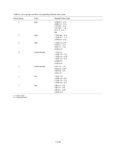
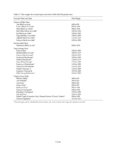
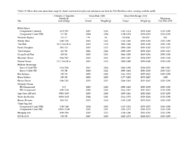
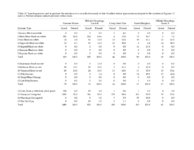
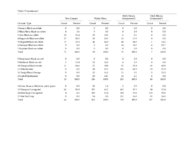
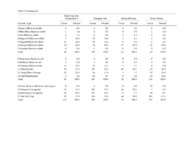
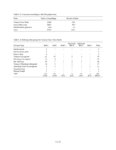
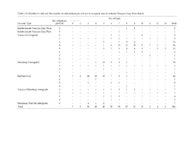
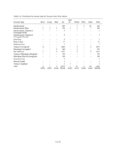
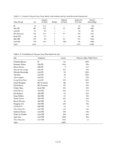
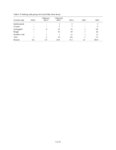
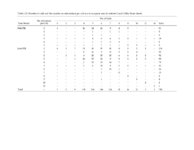
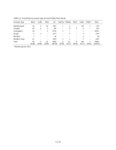
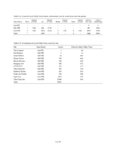
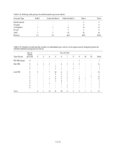
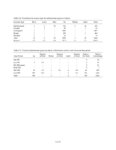
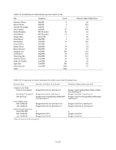
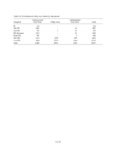
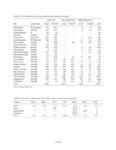
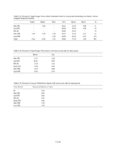
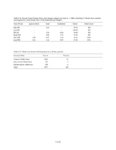
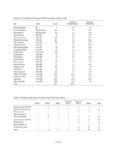
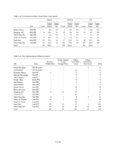
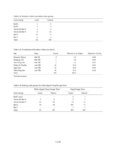
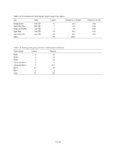
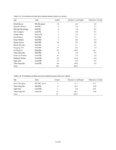
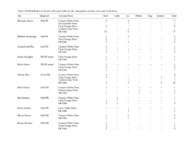
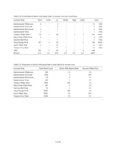
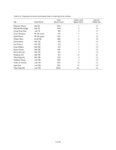
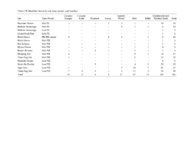
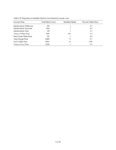
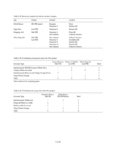
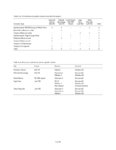
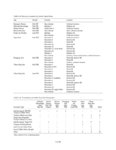
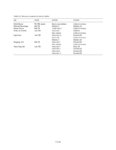
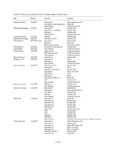
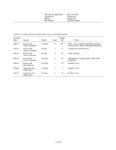
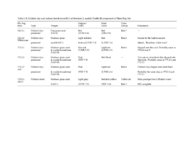
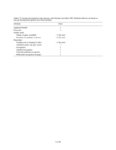
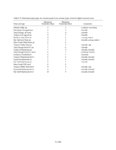
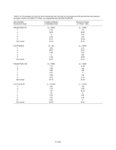
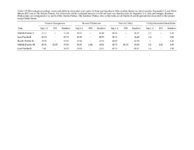
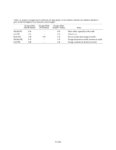
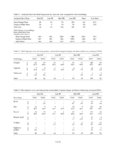
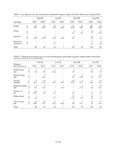
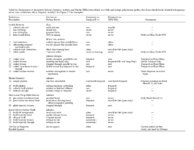
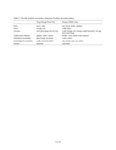
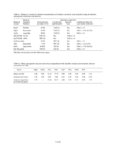
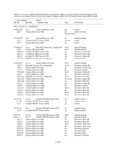
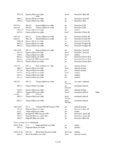
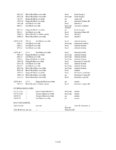
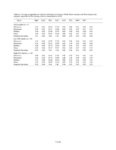
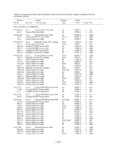
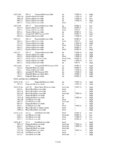
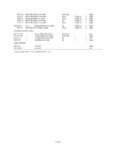
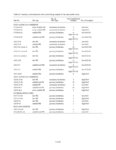
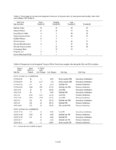
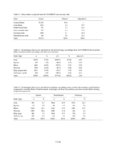
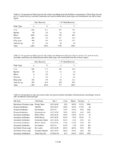
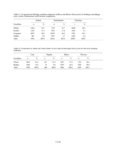
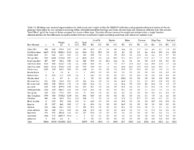
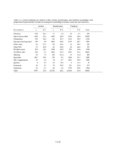
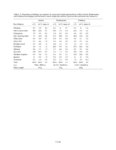
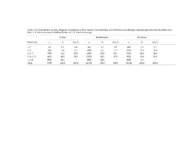
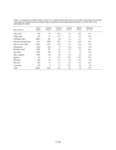
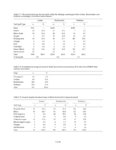
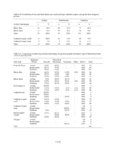
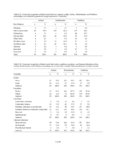
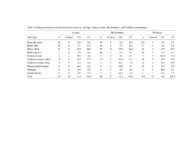
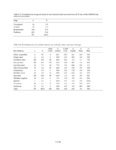
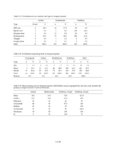
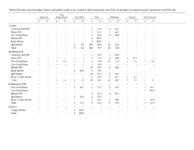
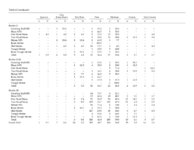
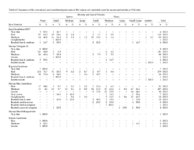
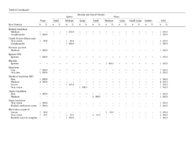
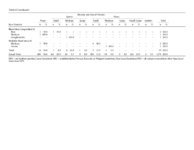
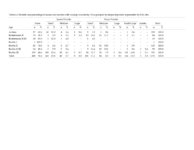
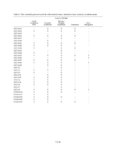
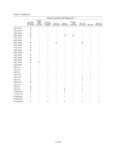
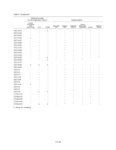
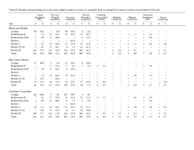
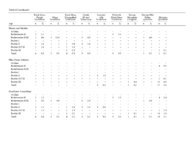
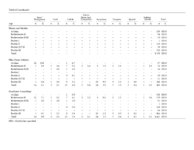
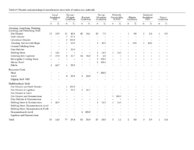
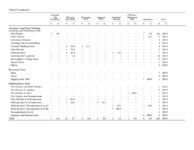
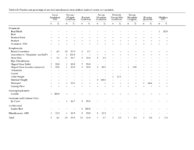
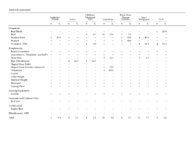
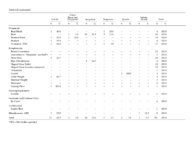
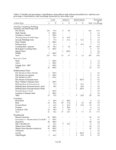
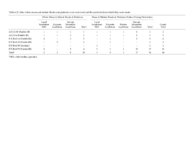
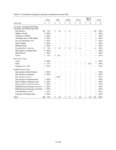
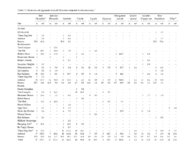
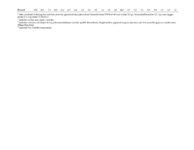
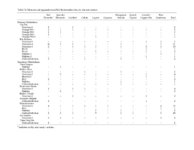
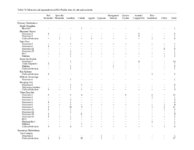
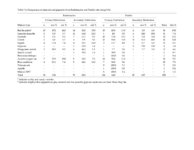
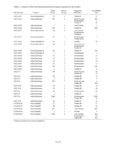
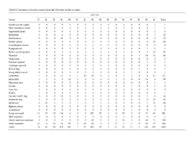
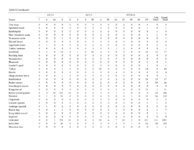
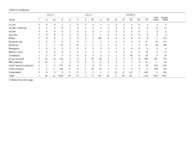
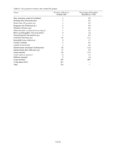
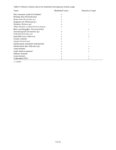
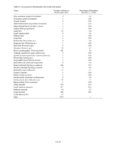
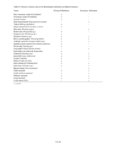
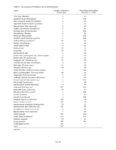
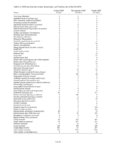
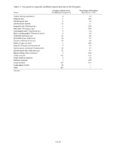
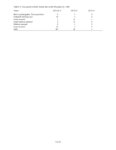
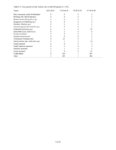
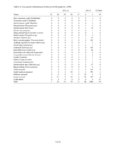
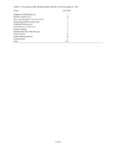
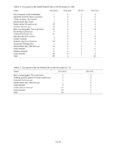
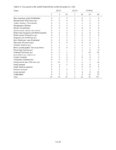
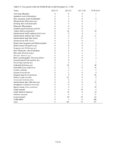
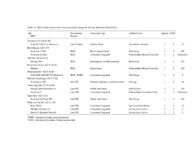
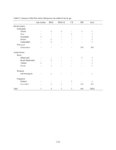
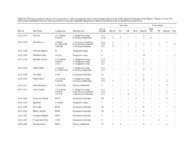
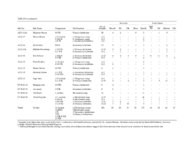
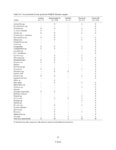
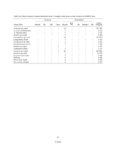
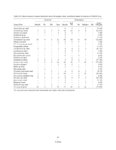
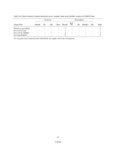
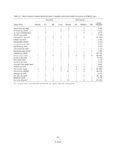
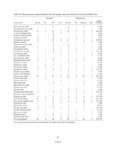
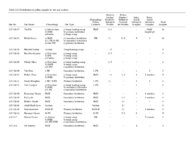
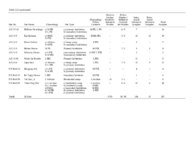
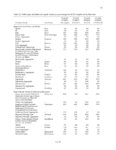
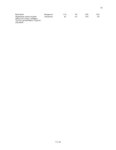
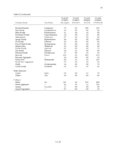
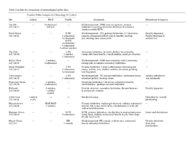
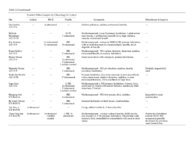
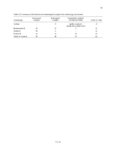
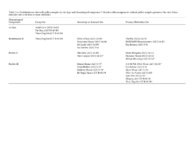
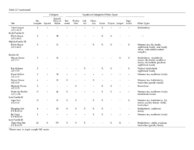
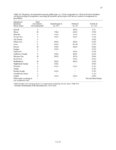
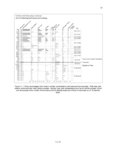
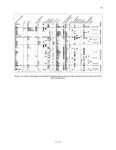
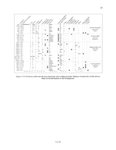
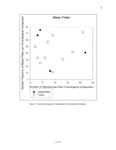
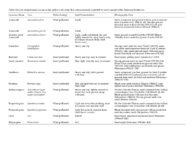
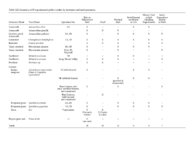
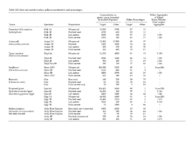
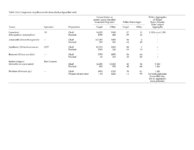
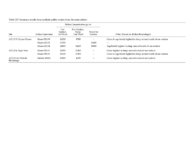
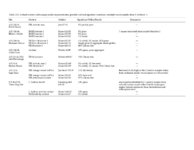
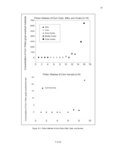
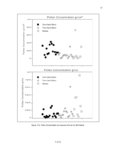
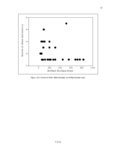
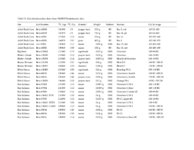
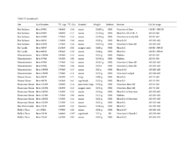
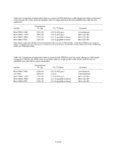
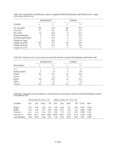
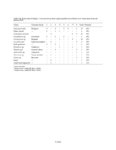
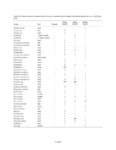
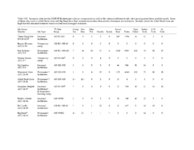
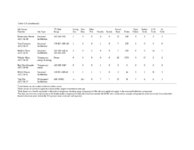
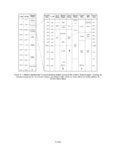
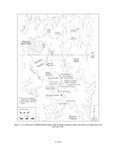
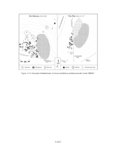
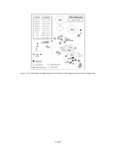
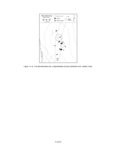
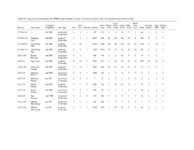
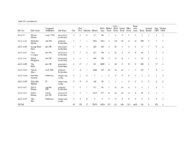
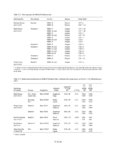
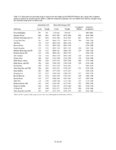
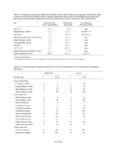
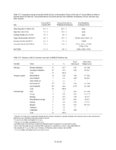
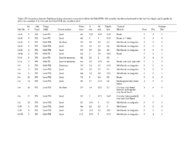
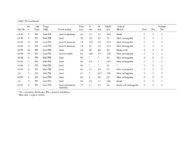
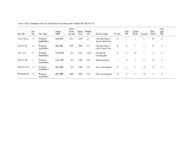
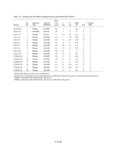
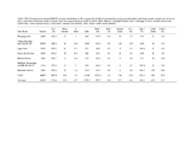
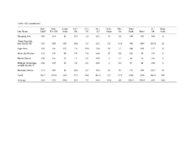
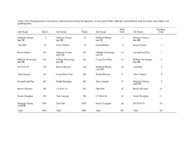
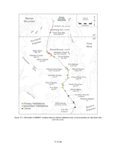
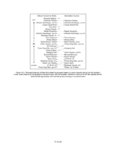
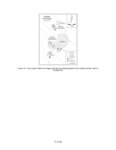
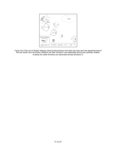
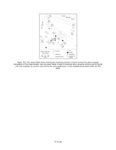
Show single site type-the forager base camp. In this case, different notions about how societies organized their settlement behavior affected the perception of data variability and its meaning. What neither researcher fully addressed is how different occupational histories influenced the site content they interpreted. Reher (1977:98) admits that his inability to define distinct site types resulted from "several thousand years of small, overlapping settlement events followed by several thousand years of movement of aeolian sands." Deciphering the occupational histories of these sites might disclose that therein lies the underlying cause of the unpartitionable continuum, but this remains to be seen. The NMRAP Archaic Sites During the course of the N16 project, NNAD archaeologists excavated 16 Archaic components at 14 open sites and as a related undertaking did a limited test of Atlatl Rock Cave, which contains early Archaic deposits. Only three of the open Archaic sites or components were partially exposed on the surface from natural erosion; the rest were buried and hidden from view. The buried Archaic sites were found either because prior road construction had sectioned and exposed them (three cases) or because the Archaic remains occurred fortuitously under a surface-exposed Basketmaker or Puebloan site that was trenched, thereby revealing the earlier remains. The extent of excavation at each of the 15 sites varied from near minimal (the cave and a few open sites) to extensive, amounting to essentially 100 percent of what was preserved. The caveat that NNAD archaeologists studied what remained is important because several of the sites had been impacted by prior road construction. In each of these cases I assume that what was lost was just more of the same (redundant information) rather than something entirely different. In at least two cases (Tres Campos and Hólahéi Scatter), remains present along the old road cut matched those recovered from the intact site portions, supporting the assumption that the lost information would not alter data patterning had we recovered all remains. We did not begin the NMRAP with a predetermined settlement typology for classifying the N16 Archaic sites, but it is also true that working in the region for decades and grappling with the issue of site types leaves one with predetermined notions or preconceptions as to what intersite patterning in material remains and features might mean with regard to settlement behavior. In the process of report writing, when all the data were in hand, the intuitive classification procedure continued and the site type assignments essentially became formalized in the process of putting ideas to paper. It is important to realize the limitations of organizational schemes based on inferred functions and subjective pattern seeking, but this seems an appropriate approach given the limited number of sites considered here and the complications of factoring in the variable nature of the excavations at each site, the affects of time and differential burial on preservation, and factors of site formation. Furthermore, the approach does not preclude examining the data so that readers can reach their own conclusions or use them to group sites in other ways such as on descriptive attributes alone rather than functional inferences (e.g., Geib et al. 1986:7-9; Tipps and Schroedl 1988:45-51). Table 13.8 lists basic summary data for each of the 15 NMRAP Archaic sites, which are organized geographically from north to south. As detailed previously under radiocarbon dating, all but two of the sites are assigned to a specific temporal interval of the Archaic period based on radiocarbon dates; the two exceptions were given a general "Archaic" designation in the temporal assignment column. The basic inferred role of the sites in regional settlement-subsistence is also listed here based on the sum of all evidence, intuitively taking into account several independent behavioral dimensions such as inferred economic pursuit, group composition, and occupation duration. The four principal site types are residential camp, hunting camp, processing camp, and processing site. These generally track with decreasing quantity and diversity of remains, with processing sites having the fewest items or even none, consisting only of hearths. Differences in the quantity of remains are perhaps best appreciated after controlling for variable recovery rates since the excavated areas varied so greatly among sites. A simple yet informative way to do this is by excavated area-the square meters of cultural fill that were removed by hand and screened. Because the strata in all cases were essentially of the same thickness, usually no more than 10-15 cm of accumulation, the area figure is a useful way to standardize frequency (Table 13.9). The size of the excavation area cannot necessarily be equated with the degree of representation. For example, the 4 sq m area hand excavated at Sapo Seco seems like a paltry amount, yet it was quite adequate because the site consisted of only a single hearth in a flat expanse of shrubs and grass. In effect, the work involved thorough excavation of the entire Archaic component, a claim bolstered by the fact that extensive backhoe stripping and trenching did not locate any additional Archaic features. In contrast, the roughly 2.5 sq m area excavated at Atlatl Rock Cave might be poorly representative of the deposition in that shelter, not only because it represents a small fraction of the overall site but also because foragers might have V.13.34 |