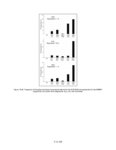
| OCR Text |
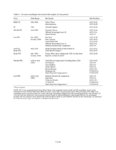
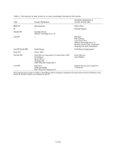
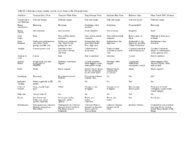
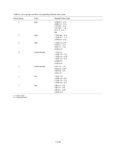
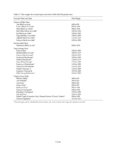
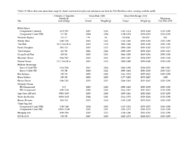
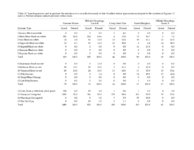
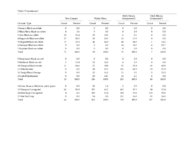
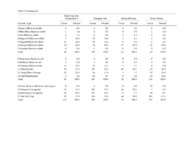
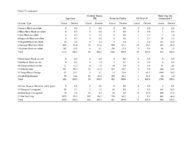
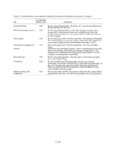
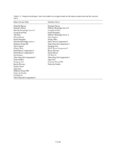
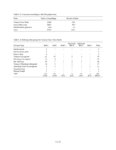
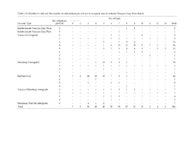
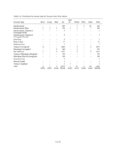
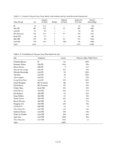
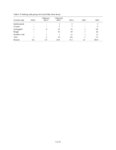
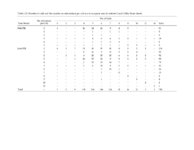
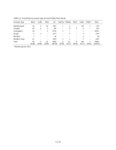
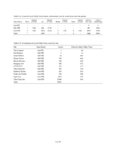
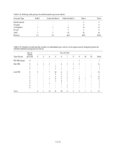
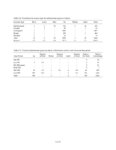
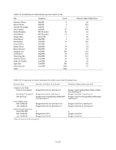
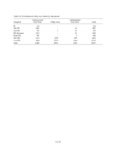
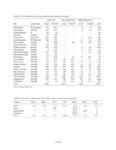
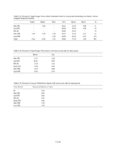
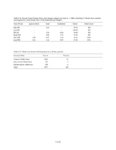
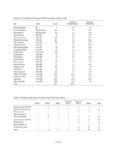
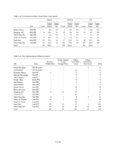
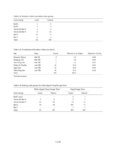
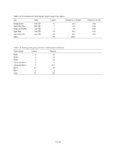
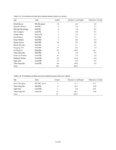
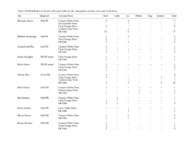
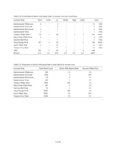
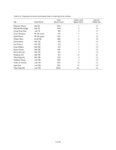
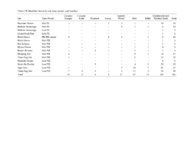
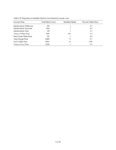
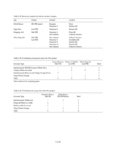
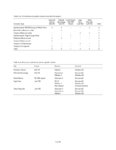
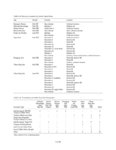
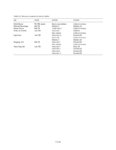
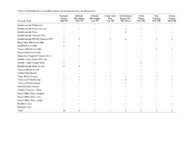
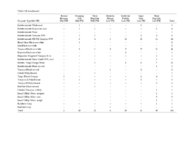
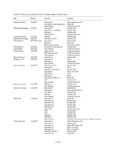
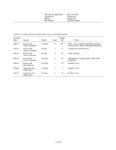
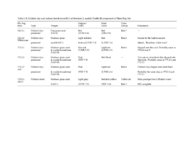
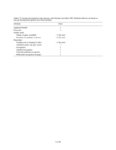
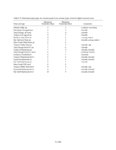
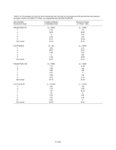
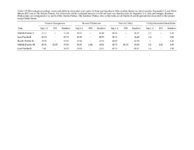
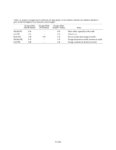
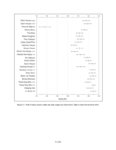
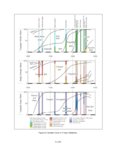
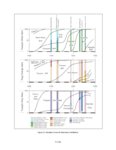
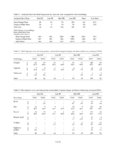
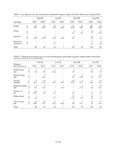
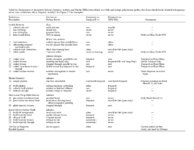
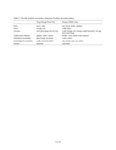
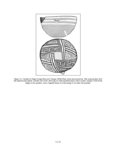
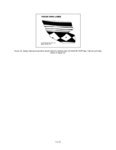
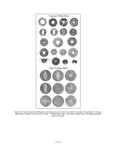
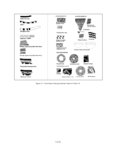
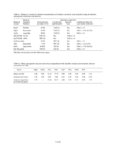
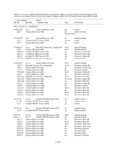
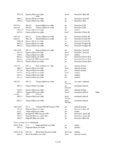
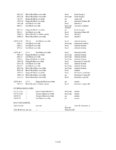
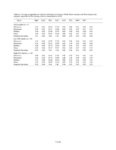
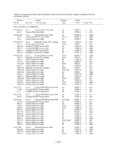
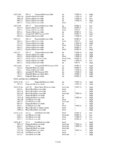
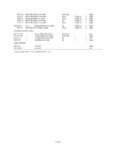
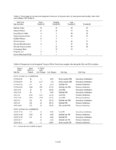
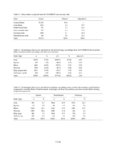
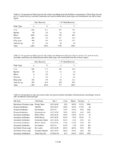
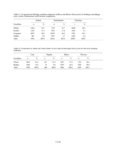
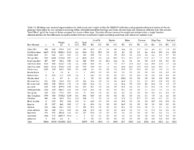
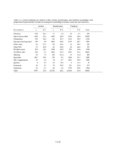
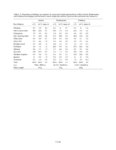
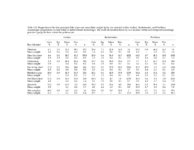
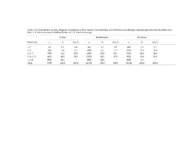
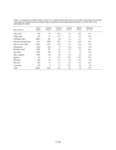
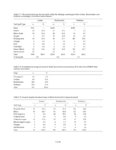
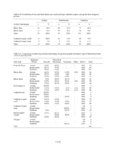
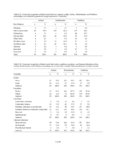
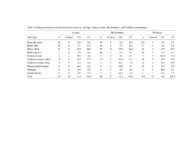
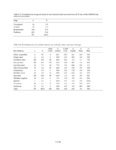
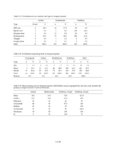
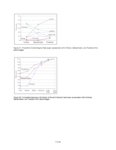
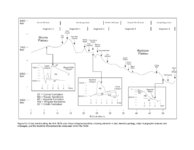
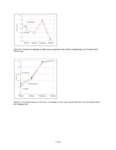
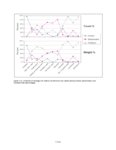
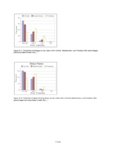
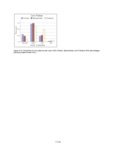
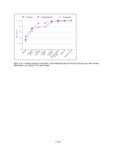
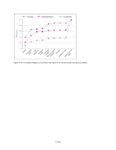
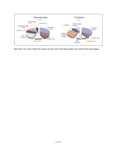
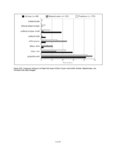
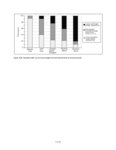
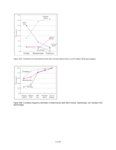
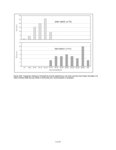
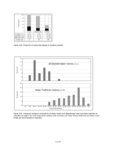
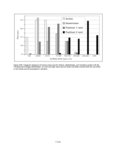
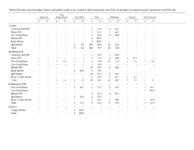
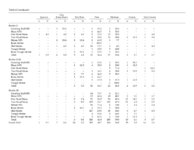
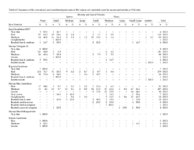
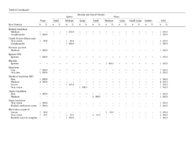
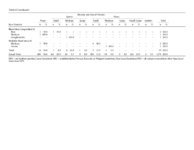
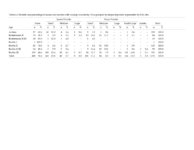
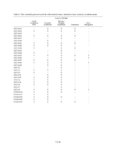
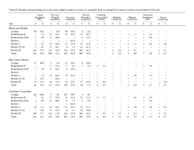
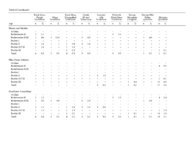
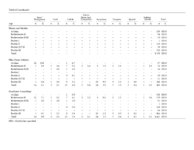
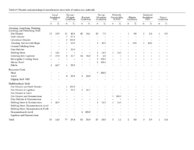
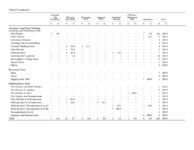
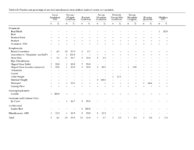
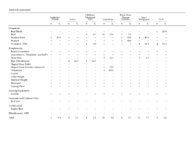
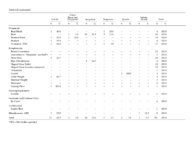
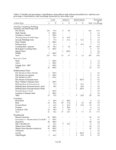
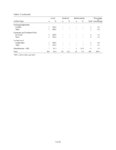
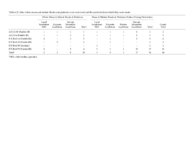
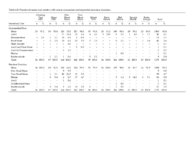
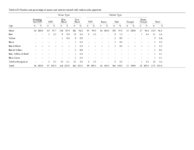
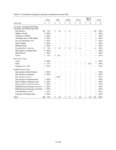
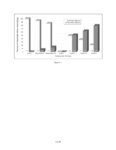
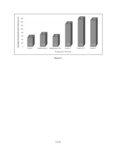
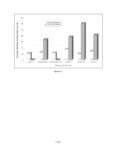
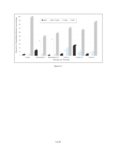
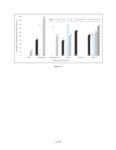
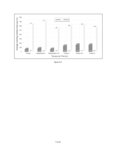
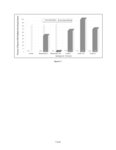
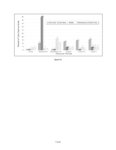
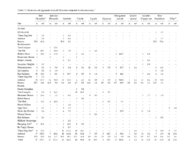
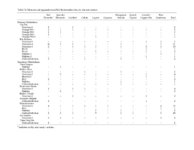
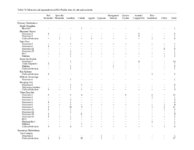
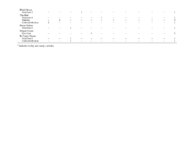
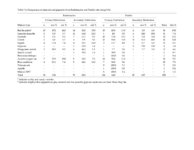
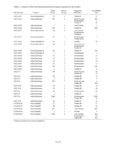
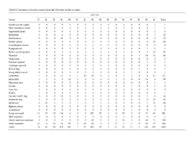
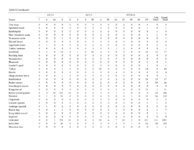
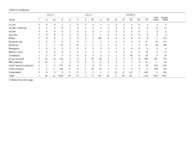
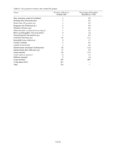
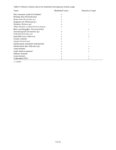
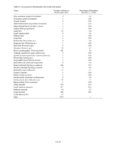
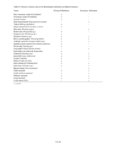
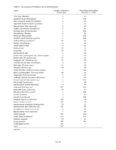
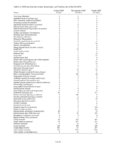
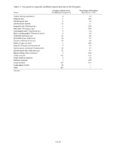
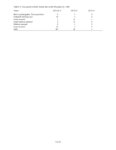
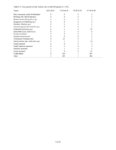
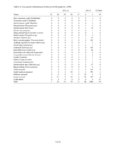
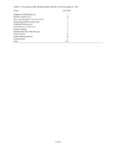
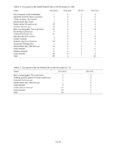
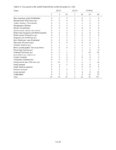
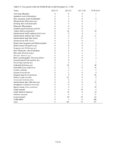
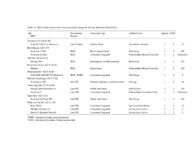
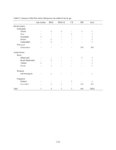
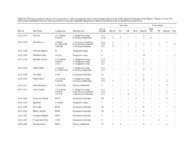
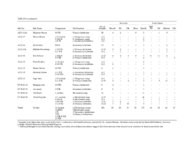
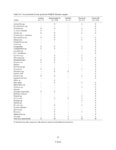
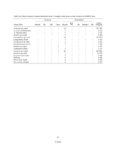
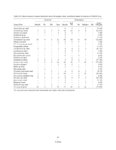
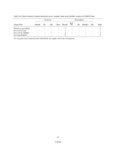
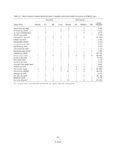
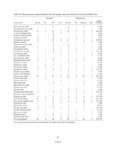
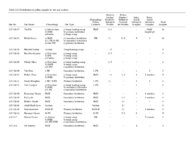
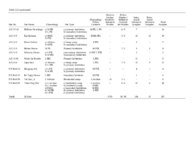
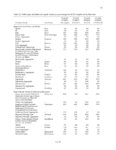
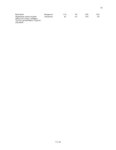
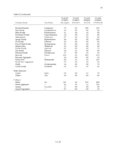
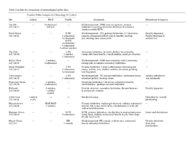
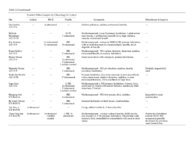
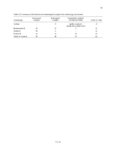
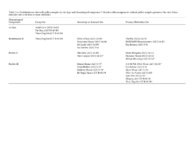
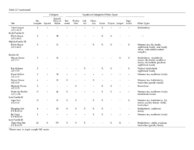
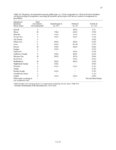
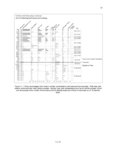
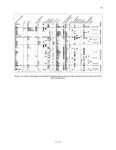
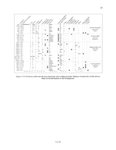
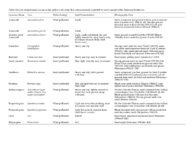
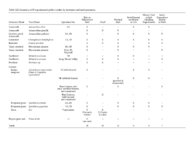
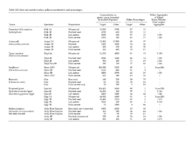
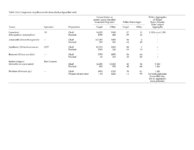
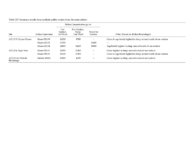
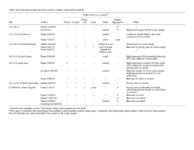
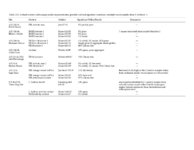
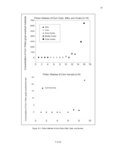
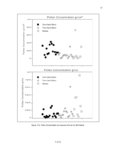
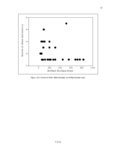
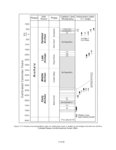
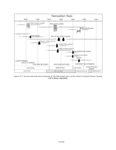
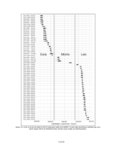
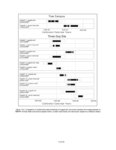
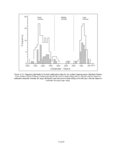
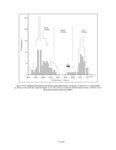
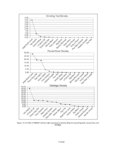
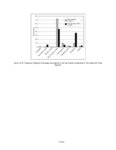
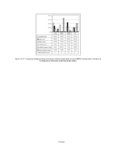
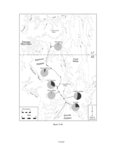
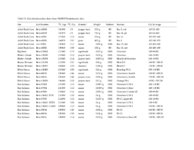
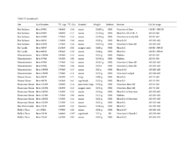
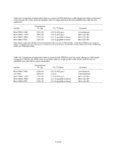
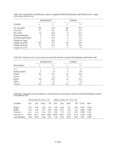
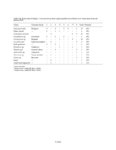
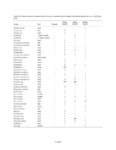
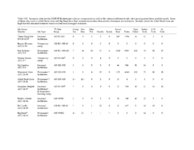
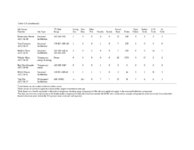
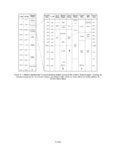
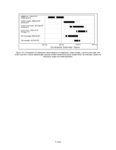
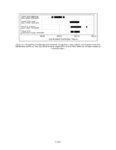
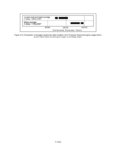
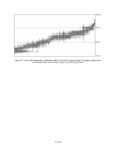
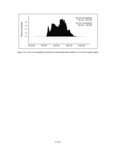
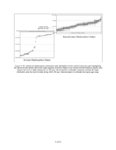
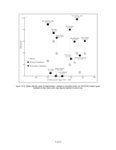
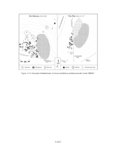
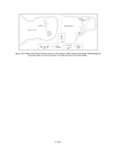
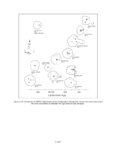
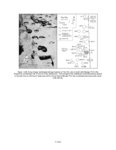
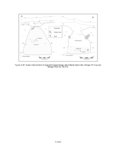
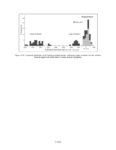
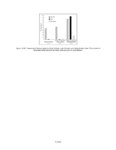
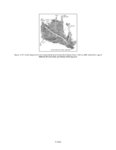
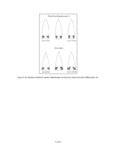
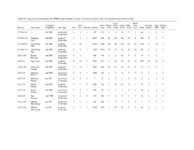
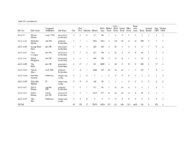
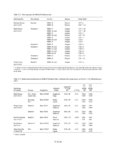
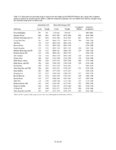
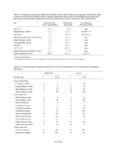
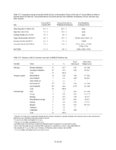
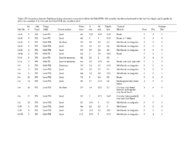
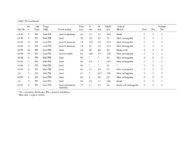
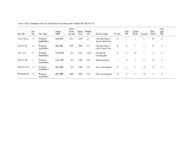
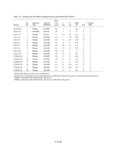
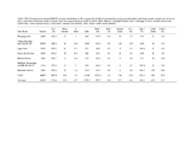
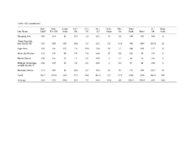
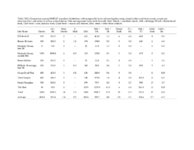
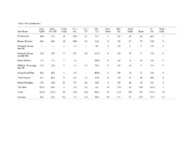
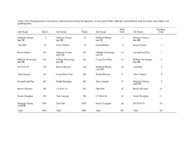
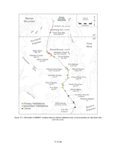
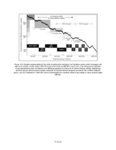
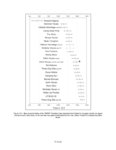
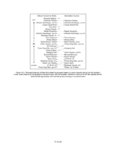
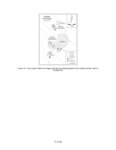
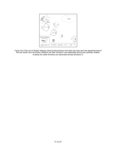
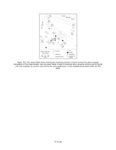
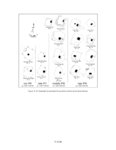
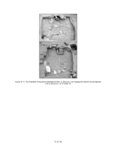
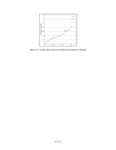
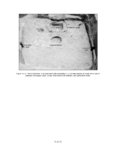
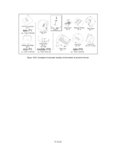
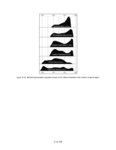
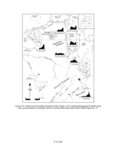
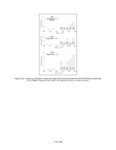
Show We used Ambler's (1985b) seriation curve to determine the relative chronological order of each site or component. When Ambler created this curve, he was only concerned with sites occupied after AD 1000. Consequently, the curve begins at about AD 1025 and is only applicable to post AD 1000 assemblages in the northern Kayenta region. This curve uses the type frequencies of most grayware but only the typed whiteware, redware, and orangeware. It also considers all intergrades. The grayware types used were Tusayan Gray plain, Lino Gray, Kana-a Gray, Medicine Gray, Tusayan Corrugated, Moenkopi Corrugated, and Kiet Siel Gray. The intergrades were equally split between their respective types. For example, sherds typed as Tusayan/Moenkopi intergrade were equally split between Tusayan Corrugated and Moenkopi Corrugated. Ambler only included the Tusayan Gray Ware in his frequencies, due to the inconsistent recording of Rainbow Gray, although he acknowledged the usefulness of Rainbow Gray in the relative chronological placement of sites in the Pueblo III period (Ambler 1985b:36). The relative frequency of Rainbow Gray to Tusayan Gray Ware dramatically increased in the late 1200s, providing a chronological marker (Ambler 1985b:36). The Tusayan White Ware types included in the curve were Kana-a, Black Mesa, Sosi, Dogoszhi, Flagstaff, Tusayan, and Kayenta Black-on-white. Most intergrades were equally split between their respective types (Ambler 1985b:35-36). Ambler treated Wepo Black-on-white as an intergrade due to the inconsistent recording, splitting it equally between Kana-a Black-on-white and Black Mesa Black-onwhite. However, no Wepo Black-on-white was observed in the N16 assemblages. Black Mesa/Sosi intergrade was divided unevenly and assigned 20 percent to Black Mesa Black-on-white and 80 percent to Sosi Black-on-white. Tusayan/Kayenta intergrade was also split unevenly, divided 80 percent Tusayan Black-on-white and 20 percent Kayenta Black-on-white. The redware and orangeware categories were organized a bit differently (Ambler 1985b:35). Deadman's Black-on-red, Medicine Black-on-red, Tusayan Black-on-red, and Tsegi (Plain) Orange were considered individually. The remaining types were grouped either to simplify the bar graph or to minimize recording inconsistencies. Cameron, Citadel, and Tusayan Polychromes were grouped as "Polychromes." The N16 analysis recognized Cameron/Tusayan B and Citadel/Tusayan A intergrades; these were included in the Polychrome counts. Tsegi Red-on-orange, Tsegi Black-on-orange, Tsegi Polychrome, Kiet Siel Black-on-red, Kiet Siel Polychrome, and Kayenta Polychrome were grouped as Late Polychromes. Summary type frequencies are used because it is the proportions of types present that are important for dating purposes, not just their presence or absence (Ambler 1985b:53). The type frequencies were calculated as percentages within their ware, not as a percentage of the total assemblage, since the proportions of the individual wares can vary geographically or by site function (Ambler 1985b:35). The percentages within each ware are then plotted on a bar graph, using the same scale as the seriation curve. The bar graphs for each site or component-one for whiteware, one for orangeware/redware, and one for grayware-are then placed on Ambler's seriation curve and moved along the X axis until the best fit is reached. It is important to note that this method defines a point in time, not a time span. This point in time, called the occupational median by Ambler, "is considered to be the point where equal numbers of person-days of occupation are represented on both sides of the median; thus, half of the vessels recovered in sherd form would have been broken prior to that time, and half after" (Ambler 1985b:36). Since sherd frequencies and the relative proportions of ceramic types can change rapidly, the occupational median can be estimated to within a few years. This is especially true when there is a correlation between all three wares and the seriation curve (Ambler 1985b:53). The type frequencies within wares for the seriation curve are reported in Table 2.9. Sites or components with 45 or more typeable sherds were considered, resulting in 18 out of 24 sites or components to be included. The occupational medians for primary habitations and secondary habitations along N16 are shown in Figures 2.3 and 2.4, respectively. The justifications for the occupational medians for each site or component are provided in Table 2.10 for primary habitations and Table 2.11 for secondary habitations, from oldest to youngest. Chronology of N16 Sites Pueblo period sites excavated along N16 were found to date primarily to the Pueblo II or Pueblo III periods. One site, Wolachii Bighan, dates to the Pueblo I period. The two Basketmaker period sites with ceramics-Mountainview and Polly's Place-are discussed in detail in the Brownware section. The near absence of Pueblo I period sites within the project area coincides with what previous researchers have found: few sites dating to this period occur in the northern Kayenta region (Appendix F; Lindsay et al. 1968). The Pueblo II and Pueblo III occupations are most certainly part of the Pueblo II V.2.12 |