| OCR Text |
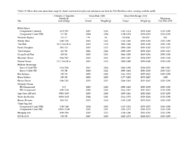
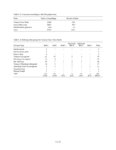
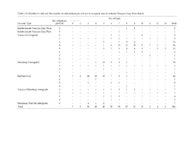
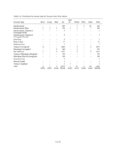
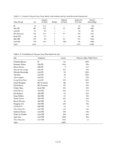
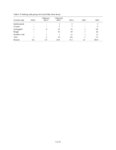
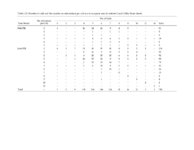
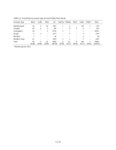
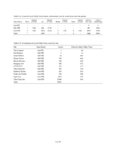
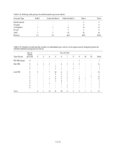
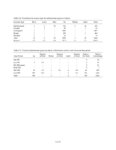
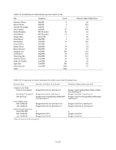
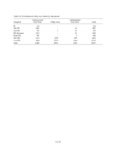
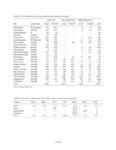
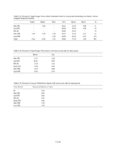
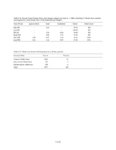
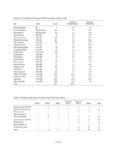
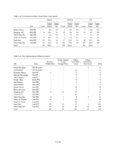
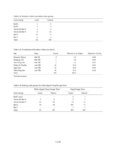
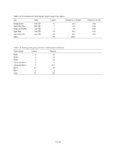
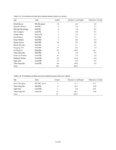
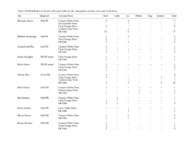
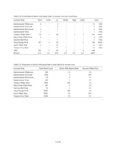
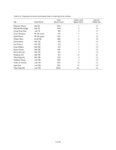
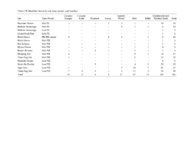
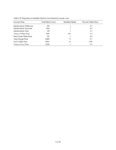
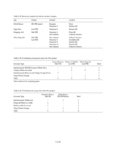
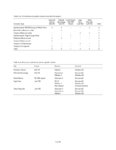
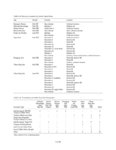
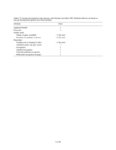
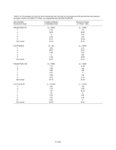
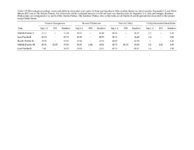
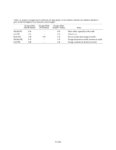
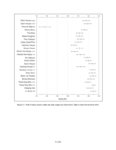
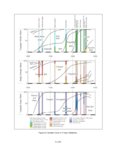
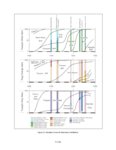
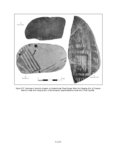
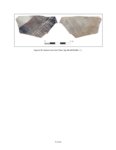
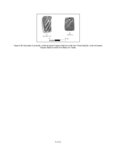
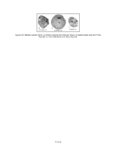
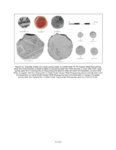
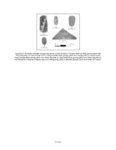
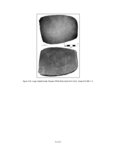
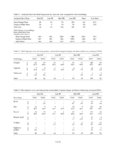
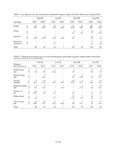
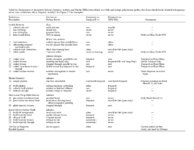
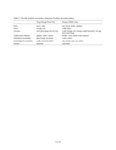
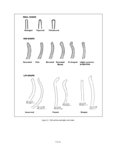
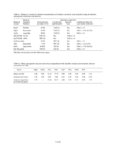
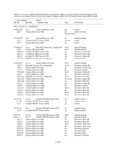
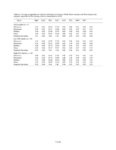
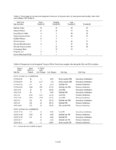
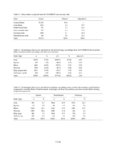
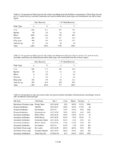
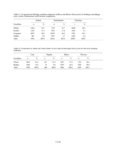
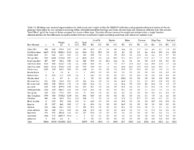
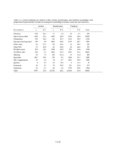
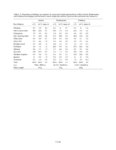
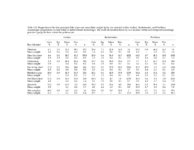
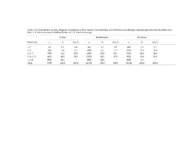
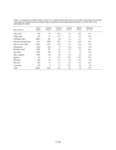
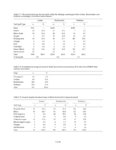
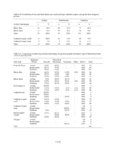
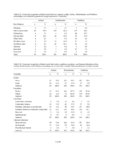
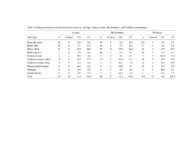
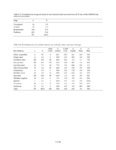
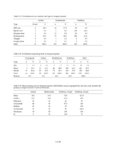
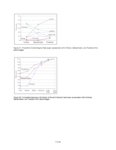
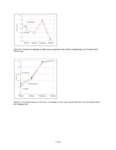
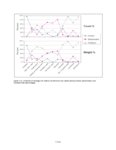
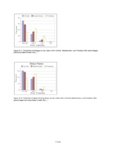
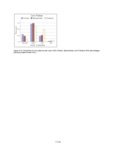
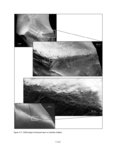
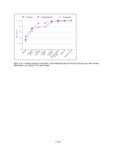
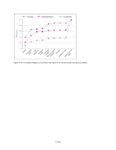
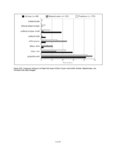
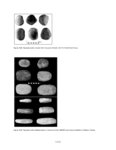
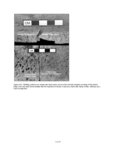
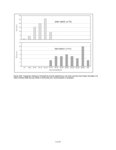
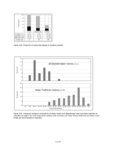
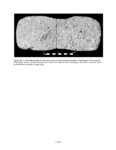
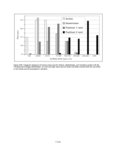
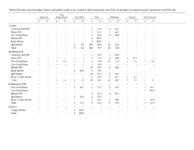
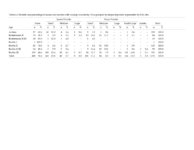
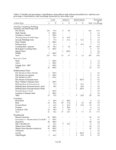
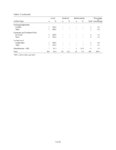
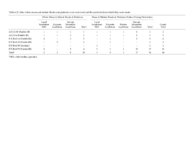
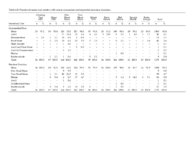
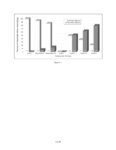
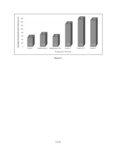
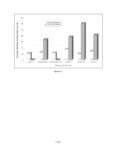
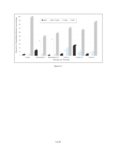
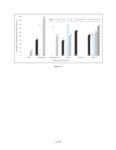
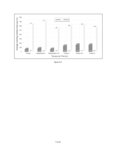
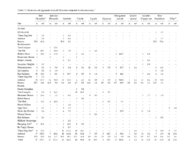
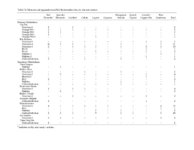
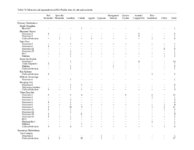
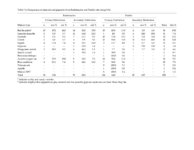
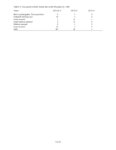
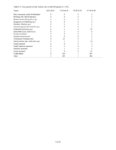
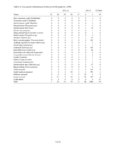
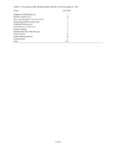
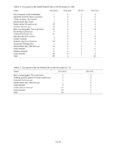
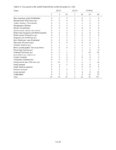
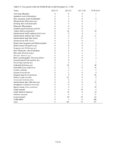
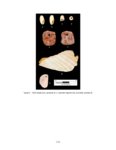
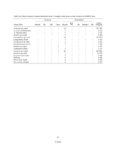
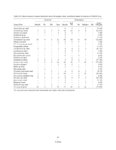
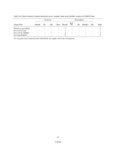
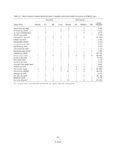
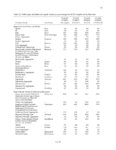
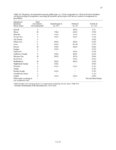
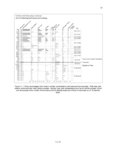
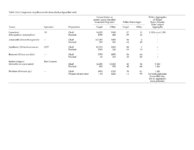
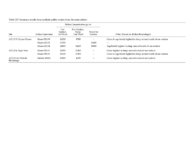
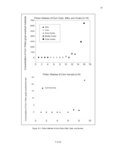
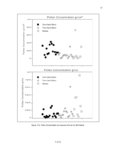
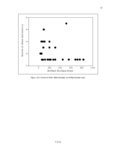
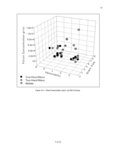
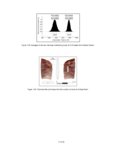
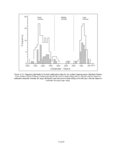
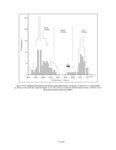
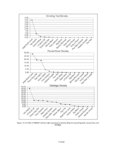
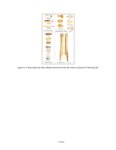
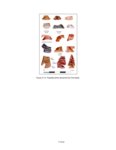
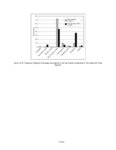
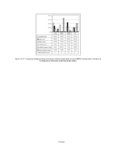
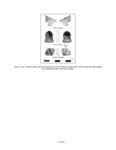
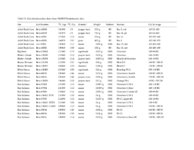
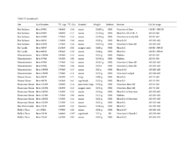
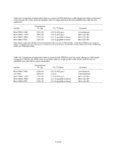
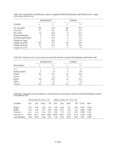
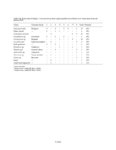
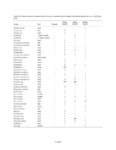
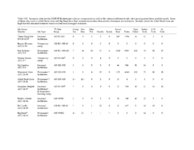
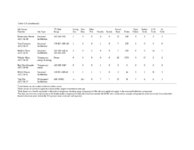
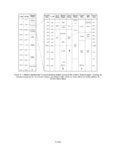
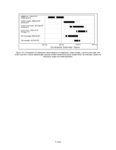
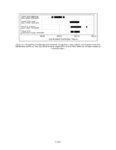
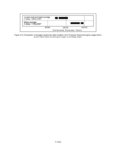
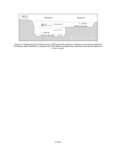
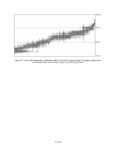
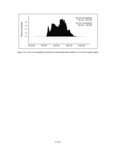
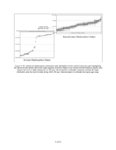
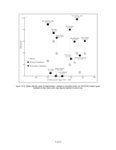
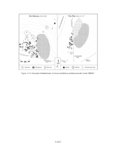
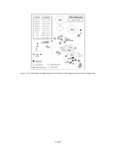
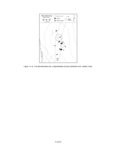
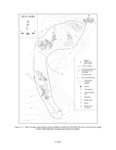
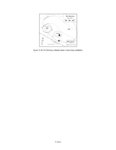
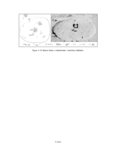
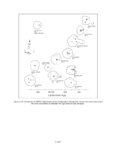
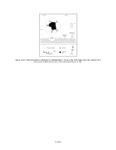
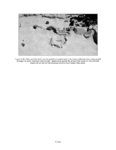
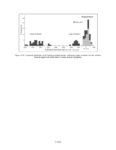
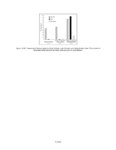
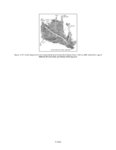
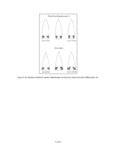
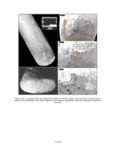
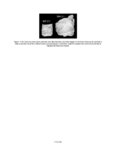
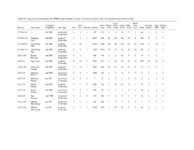
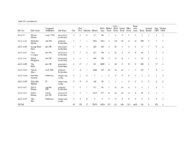
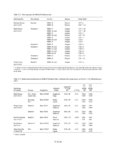
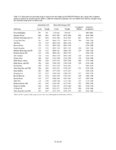
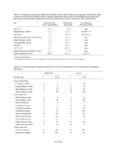
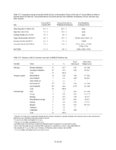
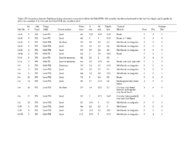
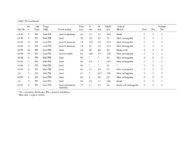
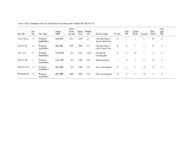
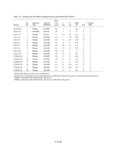
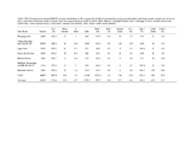
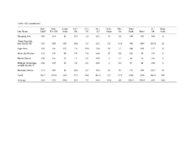
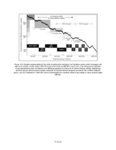
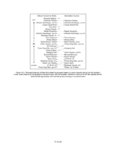
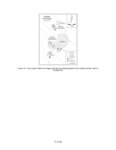
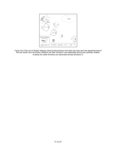
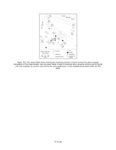
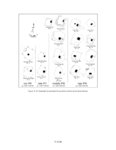
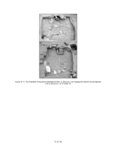
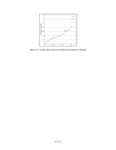
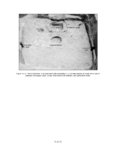
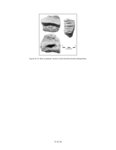
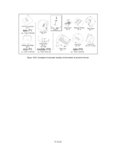
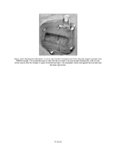
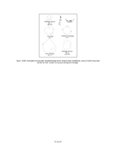
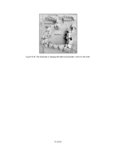
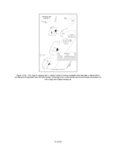
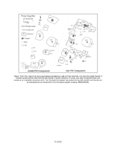
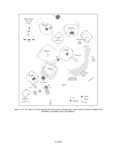
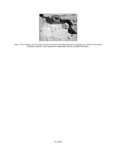
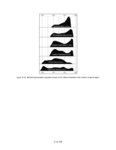
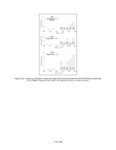
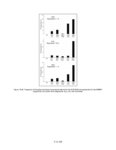
Show dimension. In the Basketmaker assemblage there are three two-hand manos, with one measuring 19.7 cm long, so well over the 15-16 cm interval of separation between small and large forms. The other two manos classified as two hand are fragments, but portion length suggests that both may have measured more than 16 cm long when whole, although this is speculative. There were three Basketmaker manos between 15 and 16 cm in length and seven between 12 and 14 cm, but the mode at 11 is manos 8-10 cm long (Figure 5.34). Large manos predominate in the Puebloan assemblage, well over half, but one-hand manos continue to comprise a significant proportion, more than 20 percent. Almost half of the small manos are recycled fragments of two-hand manos, but there are also manos that were small to start with. Some of these have morphologies typical of Basketmaker and Archaic tools and are likely to have been scavenged for reuse from earlier sites, much like the Navajo residents of the area today scavenge and reuse manos from prehistoric sites. Some of the Archaic and Basketmaker style manos at Puebloan sites exhibited use-wear indicative of tasks other than seed grinding, such as anvil pit marks or pigment staining. Some of the small manos at Puebloan sites are also expedient tools-unshaped blocks of sandstone that were used briefly but not maintained. The frequency distribution of whole two-hand Puebloan manos (Figure 5.34) shows a mode at 26-28 cm (mean is 23.6 cm), dropping off steadily from there, with an especially quick drop to the right (higher numbers). There are no manos over 31 cm long, just two between 30 and 31 cm, and none between 29 and 30 cm; thus it would seem that 29 cm marks the general upper limit to mano length beyond which there is little utility gained by greater size. One important constraint on length is the corresponding metate, specifically whether it is a trough or flat type. The later allows much longer manos and more readily accommodates the "fitting" of a mano to a metate since trough edge contours do not have to be accounted for (essentially a two-dimensional rather than three-dimensional match). In Puebloan assemblages, length is the principal dimension that determines mano grinding surface area because widths are far less variable-generally as wide as can be tolerably gripped by the average female hand. For whole two-hand manos excluding unused blanks, the average width is 10.5 cm (n = 76) and the 10-11 cm width bracket accounts for the largest number of these tools; for all two-hand manos with a complete cross-section the average width is slightly less at 10.1 cm (n = 242), probably because the widths of many end and medial fragments do not represent the maximal width of a whole mano and because fragments are mainly from exhausted tools. The widest used manos at more than 13 cm are extreme outliers and there are no manos wider than 13.7 cm; indeed manos wider than 12.5 cm are exceptions. It is common for Puebloan manos to have their width progressively truncated from use because many have a faceted or triangular cross-section resulting from greater force exerted on the trailing edge during the push stroke when grinding (see Adams 1997:6; Bartlett 1933:12, 16). Two-hand manos in the N16 Puebloan assemblage with a faceted or triangular cross-section are narrower on average than those with a rectangular cross-section-9.8 cm (n = 123) versus 11.1 cm (n = 59)-and they include values below 8.5 cm, which is the cutoff in width for manos with a rectangular cross-section. Some of the widest manos often have a slight bowtie or "waist" resulting from reduction of the width in the middle of the mano, something that was often accompanied by the addition of finger grooves (Figure 5.35). This suggests that wide manos had a real functional advantage, to the extent that strategies were devised for exceeding the hand size constraint to mano width. One measure of mano size is grinding surface area, which is almost always less than the overall size of a tool based on its length and width. Surface area was recorded as an approximate square centimeter value for each used grinding surface of a mano and metate. Table 5.29 presents descriptive data on the whole (and refit whole) manos for the three major temporal periods represented by the NMRAP excavations. Figure 5.30 is a frequency histogram of mano grinding surface area according to the three temporal periods and with Puebloan tools separated according to size class. There are just five whole manos from Archaic sites, so the central tendency values of Table 5.28 must be considered cautiously. Nonetheless, the expected trend of increased use area after the introduction of agriculture is supported, since Basketmaker manos are on average almost 16 sq cm larger than those of the Archaic. The shift is even more obvious in the frequency histogram of Figure 5.30, with the long right tail of the Basketmaker assemblage that even overlaps with the surface area of Puebloan two-hand manos. Still, the difference between Archaic and Basketmaker is dwarfed by the vast increase in surface area size from Basketmaker to Puebloan. The latter occurs even though there is little or no evidence in support of a major increase in the importance of maize from the Basketmaker to Puebloan periods. Macroremains from feces suggest that maize was nearly as important a subsistence item during Basketmaker times as later (e.g., Aasan 1984; Minnis 1989) and isotope analysis supports this even more conclusively (Coltrain et al. 2007; Martin et a. 1991; Matson and Chilsom 1991). The increase in mano size therefore cannot be attributed to greater reliance on maize (contra Hard 1990; Mauldin 1993), but rather on efficiency in V.5.38 |