| OCR Text |
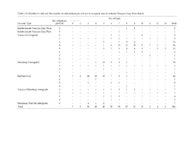
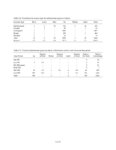
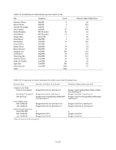
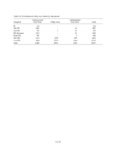
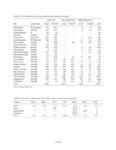
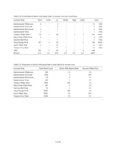
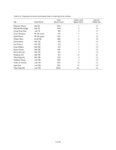
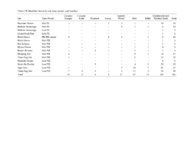
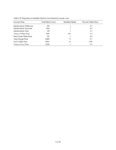
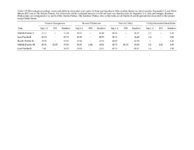
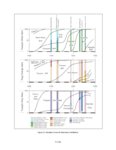
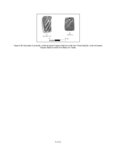
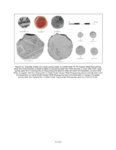
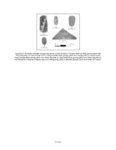
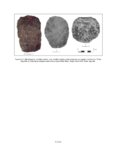
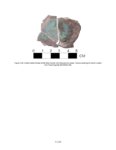
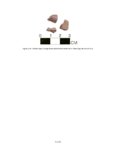
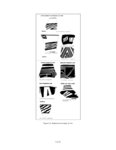
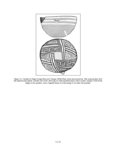
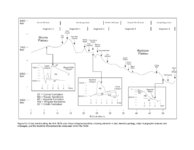
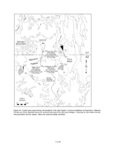
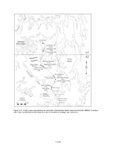
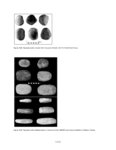
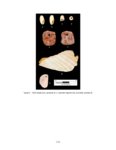
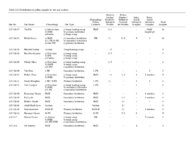
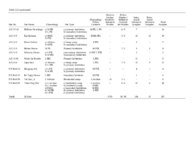
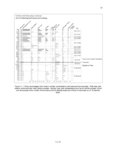
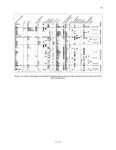
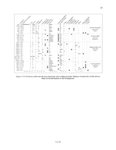
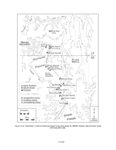
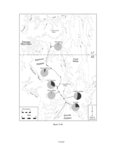
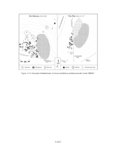
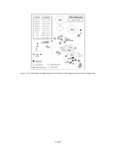
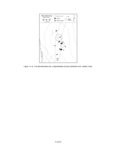
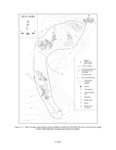
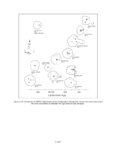
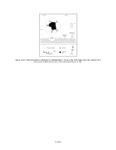
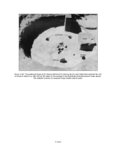
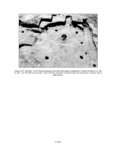
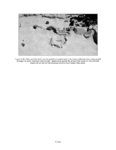
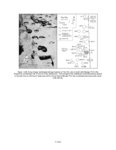
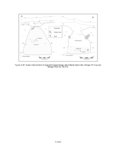
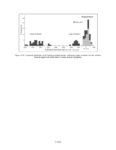
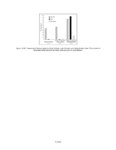
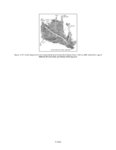
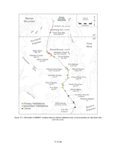
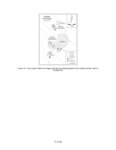
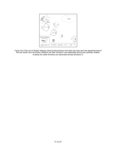
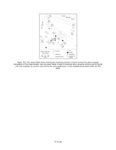
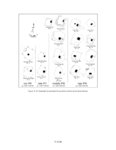
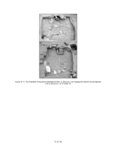
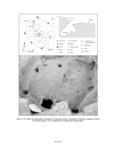
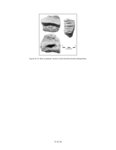
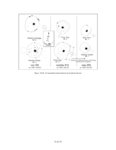
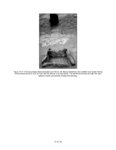
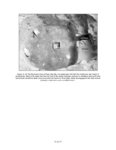
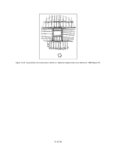
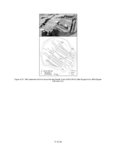
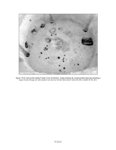
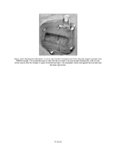
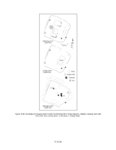
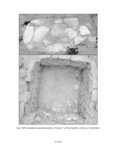
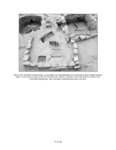
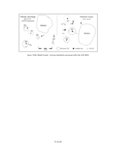
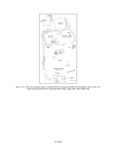
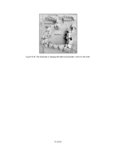
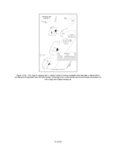
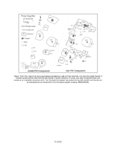
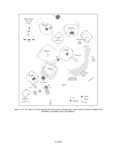
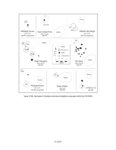
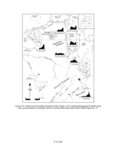
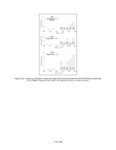
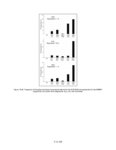
Show layout along approximate cardinal directions and the lack of superposition (see Figure 14.29). Variable amounts of trash fill and the reuse of some pits for roasting purposes indicates that some storage features had been abandoned earlier than others. An estimate of when these features were used is provided by an unusual maize offering at the bottom of Storage Pit 3. In the center of the fire-hardened floor of this pit were three identical siltstone pendants laid out around a small hole 7 cm in diameter and 29 cm deep that contained three partially carbonized maize ears. My interpretation of the evidence is that it represents part of a dedication ceremony that involved placing dry corn ears within the hole and arranging pendants around it. This was done prior to fire hardening the pit. The subsequent burning partially carbonized the corn ears. The mean of five statistically contemporaneous independent radiocarbon dates on kernels from this offering is 2107 ± 21 BP with a calibrated two-sigma date range of BC 200-50. Maize from the floor fill of Pits 2 and 20 produced radiocarbon dates with similar age ranges, but maize from the lower fill of Pit 13 was some 170 years more recent, which is sufficiently different to suggest that some of these storage features had different periods of use. The early abundance of bell-shaped storage pits is also exemplified by Kin Kahuna where NNAD archaeologists documented 18 such features with a capacity of just over 10 cu m. Radiocarbon dating of maize from the floor fill of these features indicates that all predate 100 AD. These storage features were not laid out in such a systematic way as at The Pits and there were cases of pit superpositioning, indicating that probably only a limited number of these features were in use at any one time. Moreover, Kin Kahuna had a longer history of use than The Pits, extending well into the Christian era, and there was another type of probable storage feature at the site that might well correspond to this later interval. These other storage features consisted of large oval to circular pits with straight sides and flat bottoms; these add an uncalculated amount of additional storage capacity for the site. Given the lengthy Basketmaker occupancy of this one location (potentially 600-800 years), the total amount of storage at any one time might have been low, however like with The Pits, much of the Basketmaker II component at Kin Kahuna lies unexcavated outside the ROW so the total amount of storage at this one location remains unknown. An important unknown is the use-life of storage pits. Were they serviceable for a decade or two, or merely a year or two? Pit use-life may well be limited compared to cists, especially at open sites, but this is a topic needing experimental research. There is ethnographic data for the Southwest (Hill 1938; Jett and Spencer 1981; Kluckholm et al. 1971) about how such storage or cache pits were used, which foods were secured in them, and how they were prepared and packed, but little information about the longevity of such features. For the Hidatsa, Ahler et al. (1991:33) noted that "after a period of use, the pit would ‘sour' or become moldy," but they did not elaborate on what this interval of use might have been. No doubt it probably varied considerably depending on local setting, type of sediment, and climatic conditions, and pits on the plains perhaps had briefer use than those in the arid Southwest. Huckell (1995:43) claims that the pits "are also known to have relatively short use lives," but Buffalobird-woman of the Hidatsa tribe recounted that "a cache pit lasted for a long time, used year after year" (Wilson 1917:95). Buffalobirdwoman's statement of use-life comes in the context of her very detailed account of storage pit use that comprises an entire short chapter of Hidatsa agricultural practices; thus it should not be dismissed lightly. Also, it is worth considering that a "stale" pit might be refurbished since that might be far more time efficient than digging a whole new feature. In this regard it is possible that the burning commonly observed in southwestern storage pits, including most of those in the N16 ROW, had to do with efforts to renovate these features by driving out moisture, mold, insect pests, and other vermin. Such burning may have been done on the first creation and use of these features, as several Navajo ethnographies report (Kluckholm et al. 1971:112, 113), but also as well after some interval of use. Perhaps only after this strategy was no longer effective were the features then abandoned, especially if they had been penetrated by rodents or if the pit walls had become unstable. Knowing the average use-life of such storage features is not an idle question, because it has ramifications for how many pits might have been in use at any one time and thus what the potential momentary storage capacity of a single site such as The Pits might have been. This capacity relates to the potential size of the group that the produce was being saved for as well as a measure of local productivity. Ethnographically in both the Southwest and the Great Plains the use of storage pits appears to be linked with seasonal shifts in residential location and the need to hide food stores from other humans. As Wills (1988a:39) put it, "where mobility is important, subsurface storage may be required because of an V.14.39 |