| OCR Text |
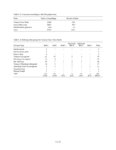
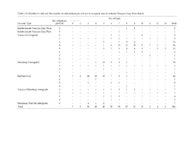
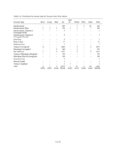
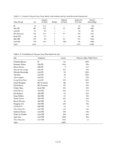
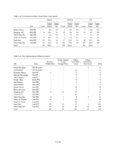
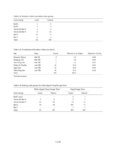
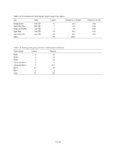
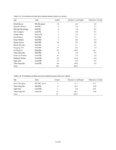
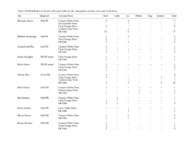
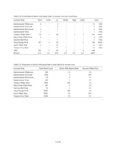
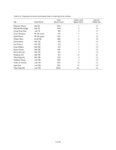
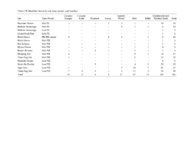
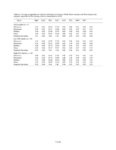
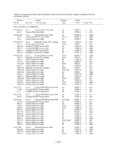
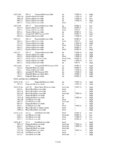
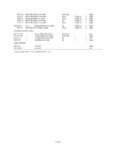
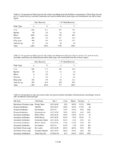
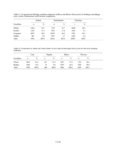
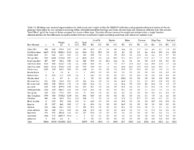
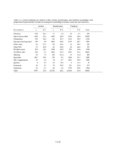
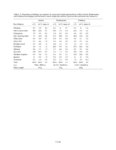
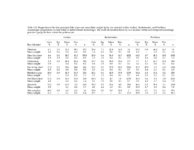
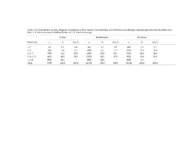
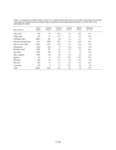
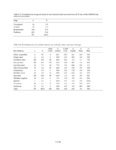
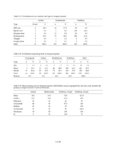
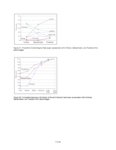
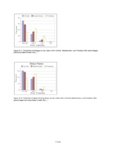
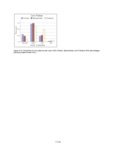
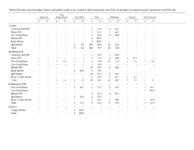
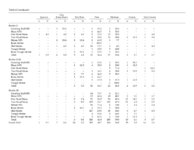
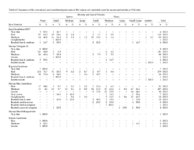
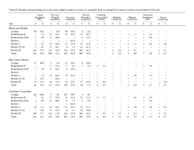
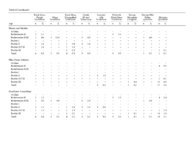
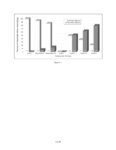
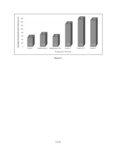
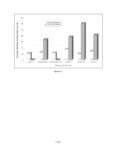
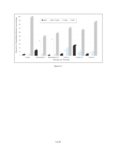
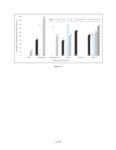
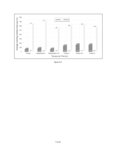
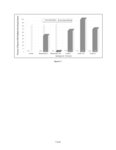
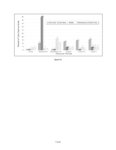
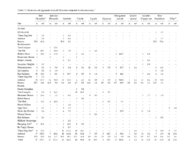
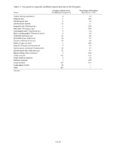
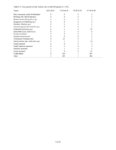
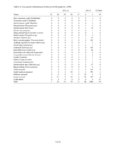
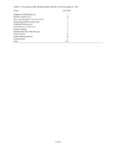
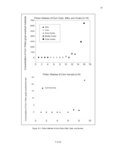
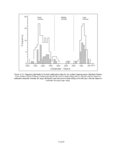
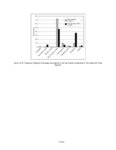
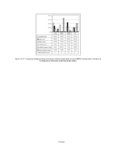
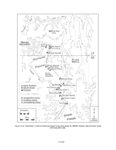
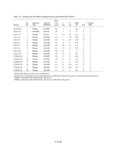
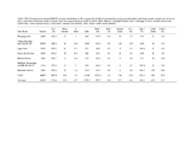
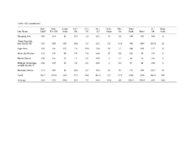
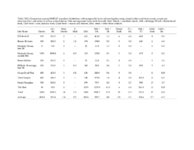
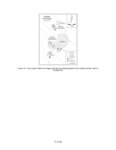
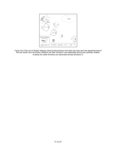
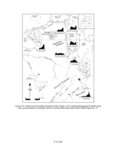
Show Valley. It seems plausible, therefore, that the site residents were involved in a system of exchange with potters in the Klethla Valley, providing raw ash from the Blue Canyon source. The highest percentages of ash-tempered pottery from the late Pueblo III period continue to be found in the Klethla Valley. High proportions from this time period also appear in the Navajo Mountain and Navajo Canyon areas, which had previously shown relatively small amounts. Given the lack of suitable clay, this change should not represent in situ production, suggesting instead a shift in exchange systems or economic power during this time. Many large late Pueblo III sites occur in the Navajo Mountain area, suggesting a coalescence of population and perhaps social influence in that region (Dean 1970, 1986; Lindsay 1969). The large number of whiteware vessels required by the population would have presented a golden economic opportunity to potters in the Klethla Valley. One of the main attributes that makes ash temper superior to sand is the increased strength offered by the bonding of the angular ash with the paste (Neupert 1995). This allows construction with thinner walls, which in turn reduces the weight of large vessels. Decreasing weight makes transport easier, particularly for large storage vessels. Ash-tempered ceramics were desirable for being lighter and stronger, making them more likely to survive transport to the point of exchange. The smooth surface finish that results from the tiny ash temper also enabled more intricate and refined designs, perhaps enhancing the value of the vessels. V.4.17 |