| OCR Text |
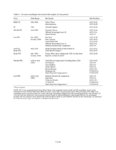
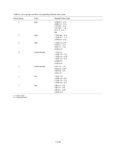
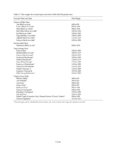
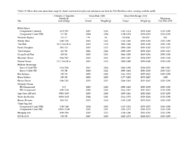
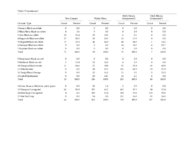
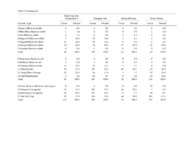
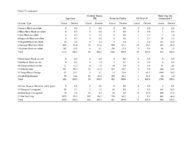
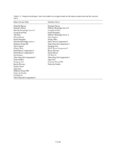
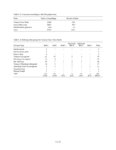
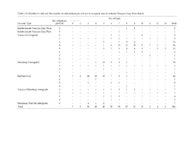
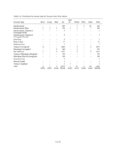
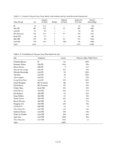
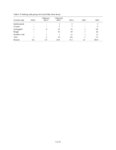
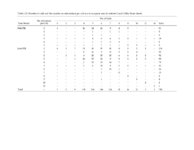
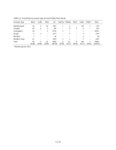
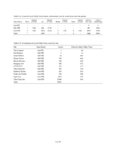
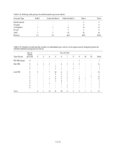
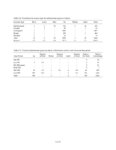
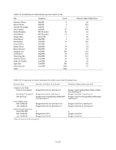
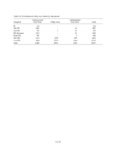
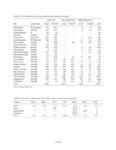
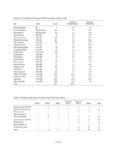
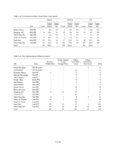
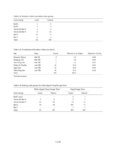
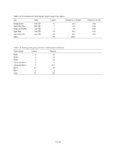
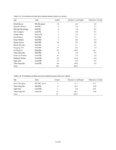
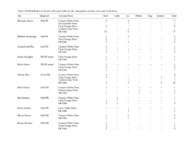
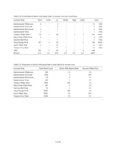
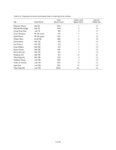
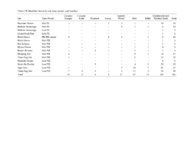
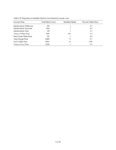
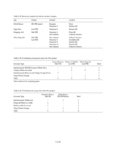
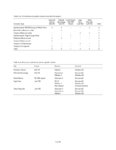
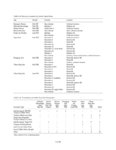
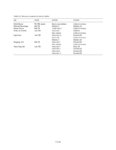
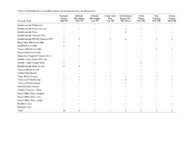
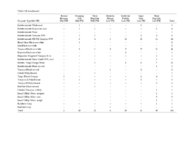
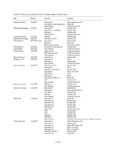
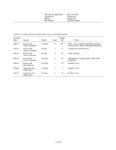
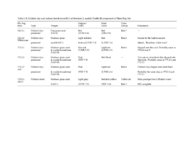
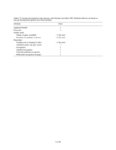
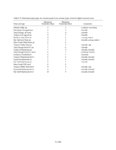
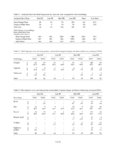
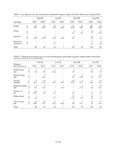
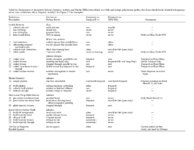
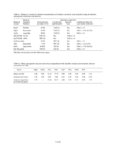
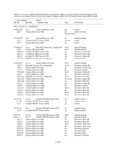
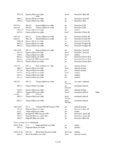
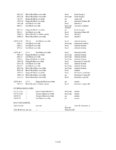
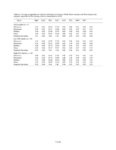
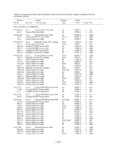
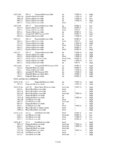
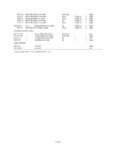
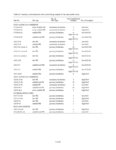
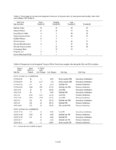
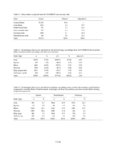
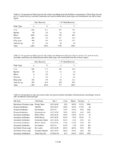
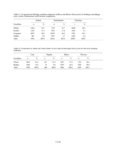
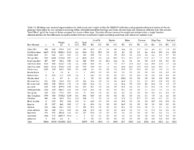
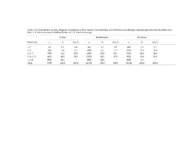
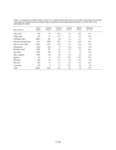
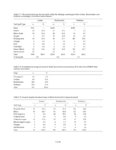
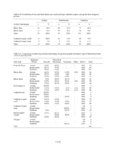
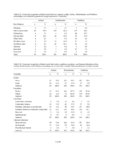
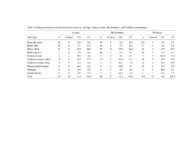
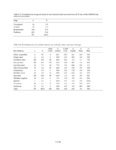
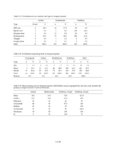
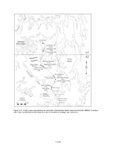
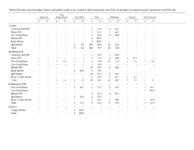
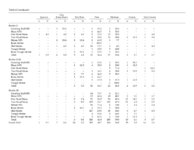
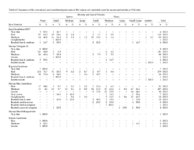
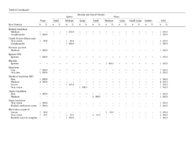
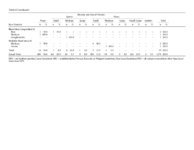
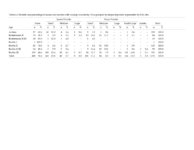
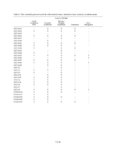
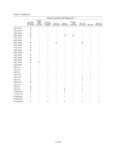
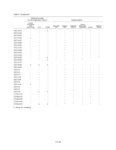
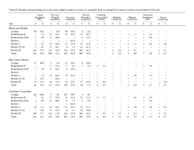
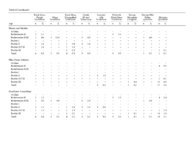
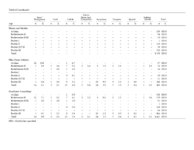
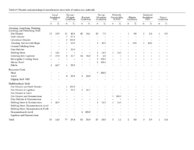
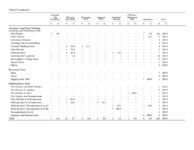
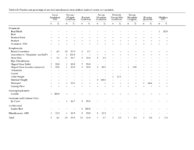
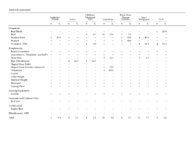
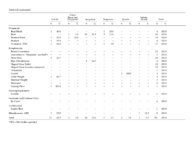
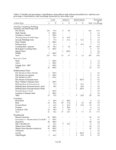
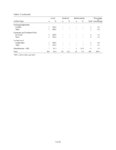
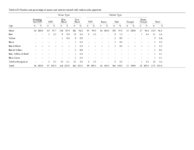
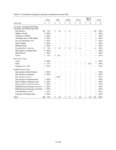
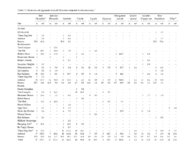
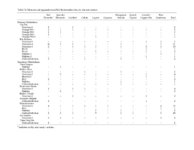
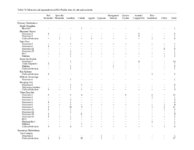
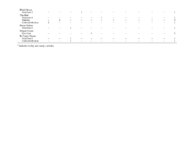
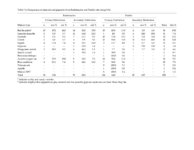
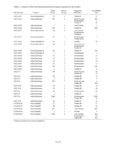
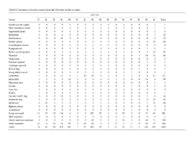
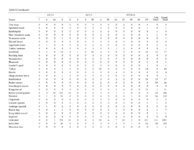
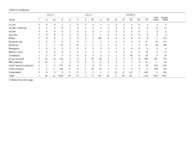
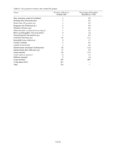
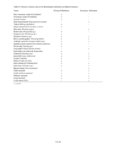
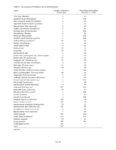
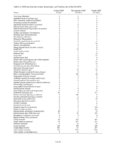
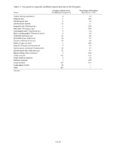
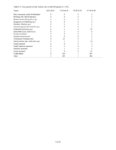
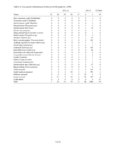
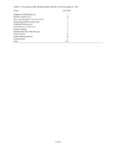
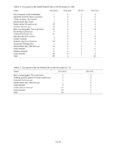
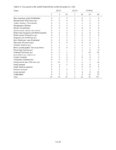
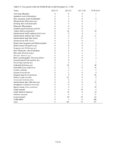
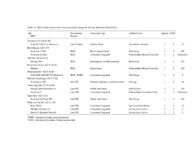
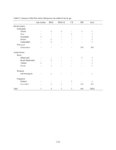
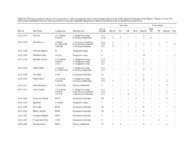
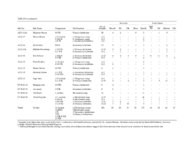
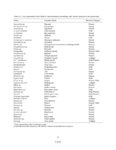
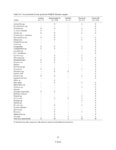
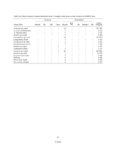
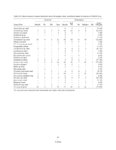
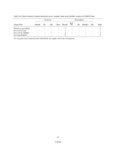
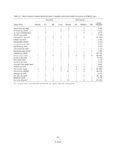
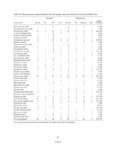
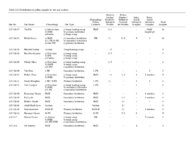
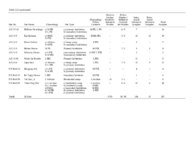
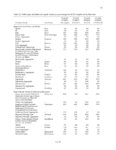
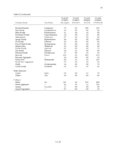
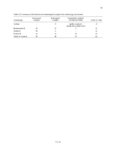
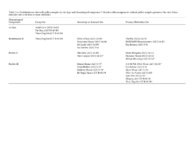
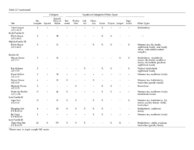
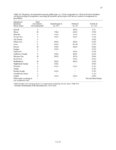
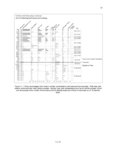
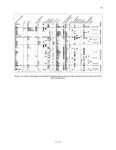
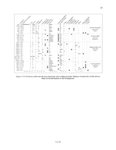
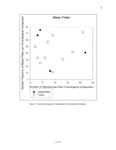
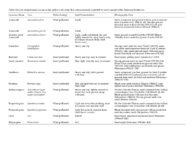
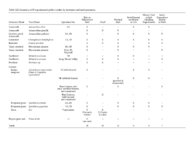
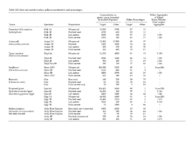
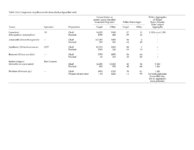
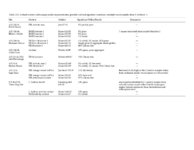
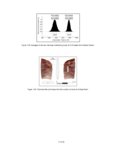
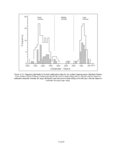
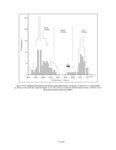
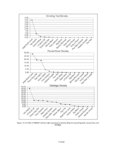
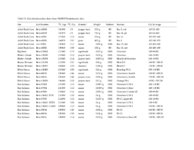
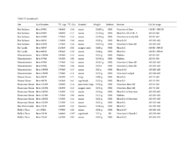
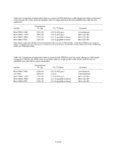
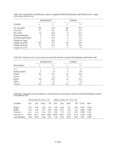
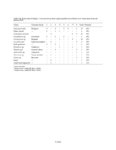
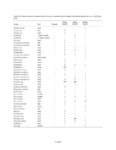
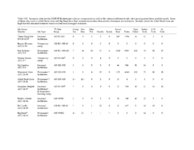
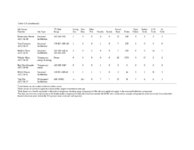
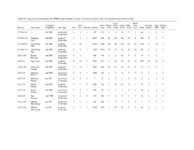
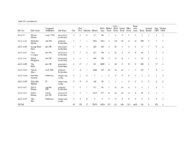
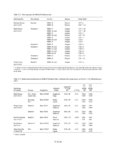
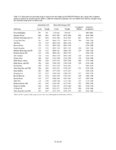
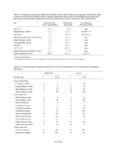
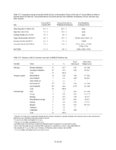
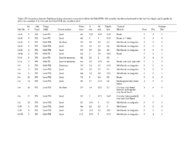
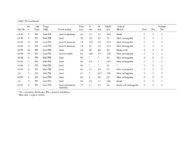
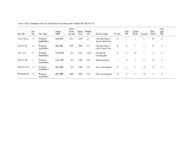
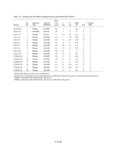
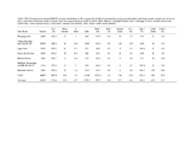
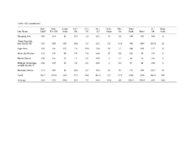
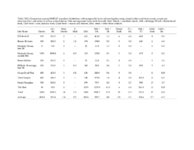
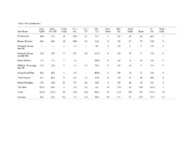
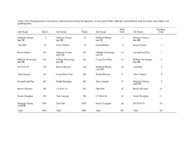
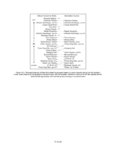
Show Chapter 11 POLLEN ANALYSIS Susan J. Smith In total, 287 pollen samples were analyzed from 28 sites for the Navajo Mountain Road Data Recovery project, referred to here as the N16 project. The sites and distribution of pollen samples are summarized in Table 11.1. An environmental subset of samples from the project is composed of 9 modern control samples and 33 samples taken to profile off-site trenches at 6 sites. Fifty-eight of the archaeological samples are pollen washes of artifacts, which sparked an investigation into the theoretical assumptions about how reliable pollen washes are. An additional 83 samples were generated from pollen washes of modern seeds and experimental grinding trials to test models of how pollen is captured and preserved in artifact washes. The pollen washes from real artifacts excavated from N16 sites, the experimental trials, and the unraveling of the pollen trail of seed processing are documented in Chapter 12. The archaeological pollen analysis was focused on contributing to the research domain of economic specialization, especially the question of how invested inhabitants were in agriculture. In the research design (see Chapter 2 of Volume I) the following two research issues were outlined for the pollen data: (1) the transition to agriculture including the relative dietary importance of maize and cucurbits through time and the earliest expressions of cultivars; and (2) subsistence specialization and evidence of focused exploitation of anthropogenic versus natural plant communities. Detailed pollen results from each site are documented in the individual site reports presented in Volumes II through IV. All of the archaeological data are documented in two tables of Appendix C: the raw pollen data are given in Table C.1 and detailed provenience information for each sample is available in Table C.2. LIMITATIONS OF ARCHAEOLOGICAL POLLEN DATA Pollen data are less definitive than macrobotanical or other material artifact classes because the microscopic grains are difficult to provenience. The word pollen is derived from the Latin word palynos, which means dust, and like dust, pollen may be blown about and transported by a variety of vectors-air, water, insects, and animals, and may also be moved after deposition through re-suspension by weather or bioturbation in sediments. The abundance of each pollen type varies according to the pollination ecology of individual plant species and the dynamic interactions between pollen production and deposition. There are two main pollination syndromes that mediate natural abundance in sediment contexts (Faegri and Iversen 1989). Conifers and several shrub taxa (e.g. sagebrush) are wind-pollinated and produce abundant pollen that can travel up to hundreds of kilometers and are typically overrepresented in sediments. Insect-pollinated plants produce small amounts of pollen that remain in the local vicinity and are generally underrepresented. As a result-and this is one of the mysteries in archaeological pollen studies-hundreds of wind-transported grains of pine pollen from distant mountains can be recovered from an archaeological context, but deliberate use of an insect-pollinated herb in the same context may be invisible. Another issue for interpreting archaeological pollen is the interaction between what people do with plants and pollination ecology. Pollen signifies flowers. There is little empirical evidence that pollen persists on fruits, nuts, berries, and seeds in adequate quantities to preserve a signal of cultural plant use. In fact, pollen would not be expected from certain harvested resources, such as root and tuber crops. This topic is explored further in Chapter 12. Interpreting pollen data is also confounded by the non-specificity of pollen taxonomy. Pollen can usually be identified to the genus level, rarely the species level, and often a grain type can only be referred to a plant family. This coarse resolution of source plants limits interpretations of cultural use. Identifying trends in archaeological pollen data is at best a subjective and sometimes intuitive process. The pollen records from archaeological sites cannot be analyzed as a steady-state phenomenon, as is the case for paleoenvironmental records from stable collecting basins, such as lakes and bogs (Prentice 1985). Spikes in pollen abundance in individual features could reflect construction (e.g. pinyon V.11.1 |