| OCR Text |
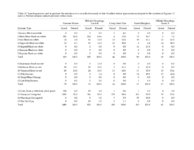
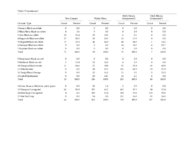
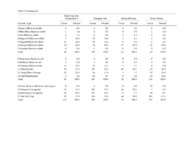
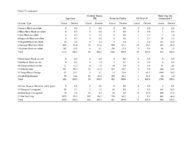
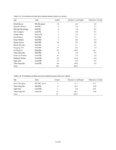
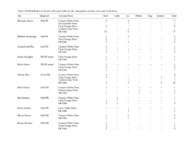
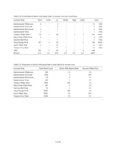
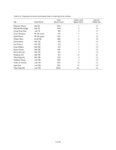
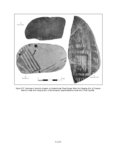
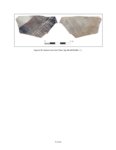
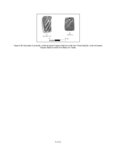
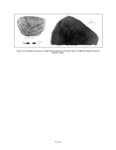
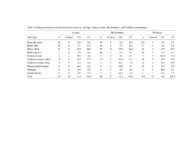
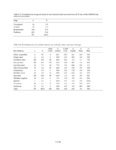
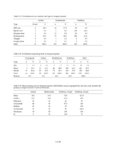
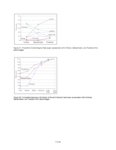
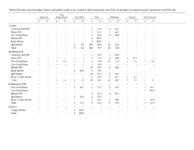
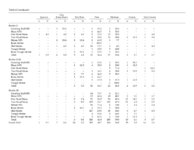
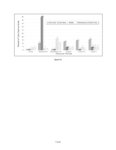
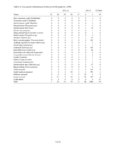
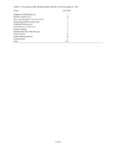
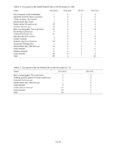
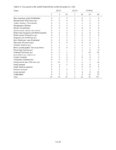
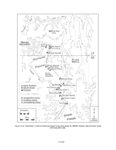
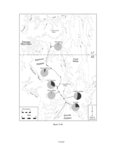
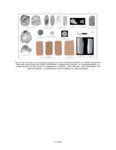
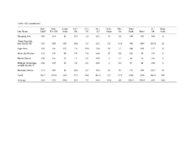
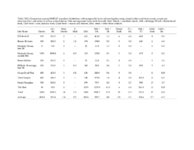
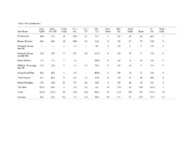
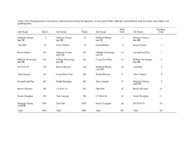
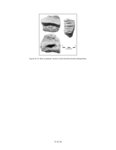
Show In addressing this issue it is important to note that none of the bipolar cores from the Basketmaker sites were identified as being used (wear other than the crushing/microfracturing associated with wedging flake initiation). This is perhaps an instance where more detailed examination is warranted, but without this, wedge use is currently unsupported. As a caveat, it is worth mentioning that a chert biface fragment from Mountainview, which exhibits small bipolar flake initiations on opposing edges as well as a wedging fracture that detached this portion from the parent piece, may have truly functioned as a wedge because its edges also exhibit polish. Just one of the 40 bipolar flakes from the Basketmaker sites was used (2.5%), more than the proportion of Basketmaker biface thinning flakes that exhibit use-wear (1.7%) but less than the proportion of used core flakes (4.5%). Thus, there is some evidence to support the interpretation that Basketmakers occasionally employed the bipolar technique to produce simple flakes for expedient use. At Puebloan sites there is no doubt that bipolar reduction was principally done to produce flakes for expedient use. In contrast to the Basketmaker case, 9.4 percent of Puebloan bipolar flakes exhibited obvious use-wear. This is a higher proportion of use than for Puebloan core flakes (8.2%). Bipolar debris increases from virtually nothing in the Archaic and Basketmaker flake assemblages to over 5 percent of classifiable flakes in the Puebloan assemblages. Bipolar flakes account for more than 20 percent of all identifiable flakes at four Puebloan sites and between 10 and 20 percent at four more sites. The sites with the highest incidence of bipolar reduction are those located either on the central portion of the Rainbow Plateau, where flaked stone raw material is limited to a lag deposit of small angular chert nodules, or on the high divide between the Rainbow and Shonto Plateaus next to outcrops of Navajo chert. This patterning fits a long-championed primary reason for bipolar reduction-making do with material that is difficult or impossible to flake by direct free-hand percussion (e.g., Goodyear 1993:12; Honea 1965; Shafer 1976:10). Not only can useful flakes be detached from pebble-sized chunks of material, but, as Flenniken (1981:32) has stressed, bipolar flakes have very flat sections, which can be important above and beyond making do with small nodules. Just under 70 percent (69%) of all bipolar flakes are of Navajo and local lag chert and at the sites where bipolar comprises more than 10 percent of classifiable flakes these two materials account for 80-90 percent of the bipolar debris, up to a high of 97 percent for Ditch House, which is located right next to a source of Navajo chert. Robins and Warburton (2002, 2004) have also made a good case that bipolar reduction is an excellent means of producing lenticular or needle-like splinters or flakes useful for drilling, piercing, and engraving. Bipolar is a far more efficient way to make tools for these tasks than core reduction, which more often than not requires pressure flakes to work a flake into a useful drill or engraving tip. Whether bipolar fortuitously produces splinters useful for drilling or whether it may be due to certain skill in the use of this technique is deserving of further research. The drills recovered from AZ-K-40-6 with the N21 ROW have such desirable morphological characteristics for drilling (see Robins and Warburton 2004: Figure 11.33) that a good case can be made for real skill in some bipolar reduction-that it was more than just an arbitrary process of "rock crunching." Goodyear's "tool kit entropy" model for bipolar reduction in Paleoindian cultures does not readily fit the Puebloan situation because it is not high residential mobility on a regional scale that places Puebloans "in a raw material and tool replacement bind" (Goodyear 1993:12). Puebloans are towards the other end of the spectrum in residential mobility compared to Paleoindians. A lack of residential mobility can also severely constrain access to raw material, especially when the residence of choice is situated in an area with few or no quality siliceous stone or where the only stone occurs as small nodules. This is clearly the case for most Anasazi of the Kayenta region, where stone suitable for making sharp working edges is either not available close at hand or it occurs as tiny chunks of Navajo chert. Farming tied Puebloan populations to small parcels of land, vastly reducing residential mobility, with many of the good farming areas situated in what might be termed flakable-stone wastelands. One could argue that this alone is insufficient reason for bipolar reduction, because the consumer could always travel the extra miles needed to procure more desirable rock. A lack of residential mobility does not mean that there could not be high levels of logistic mobility that would put consumers close to quality stone resources, at least on occasion. A key part of the issue in this case concerns the gender of the consumer and their role in creation of the debitage assemblages recovered from Puebloan habitations. The appearance of bipolar reduction in conjunction with the radical drop-off in bifacial reduction at Puebloan residential sites gives cause to consider possible relationships between these two phenomena. As noted, if more male reduction activity was conducted away from residential sites then there might have been fewer flakes lying around for expedient use which may have forced alternate technological solutions for toolmaking. Also, Puebloan men appear to have been far less involved with producing bifacial tools by percussion flaking than was true in Basketmaker times, since arrow points were used and V.5.16 |