| OCR Text |
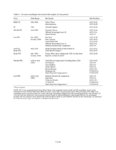
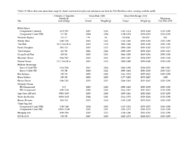
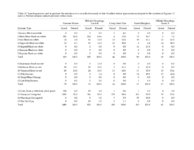
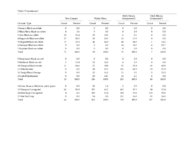
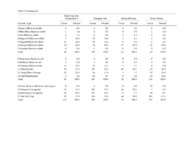
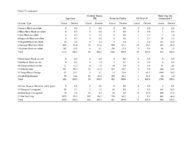
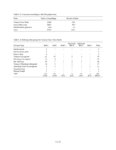
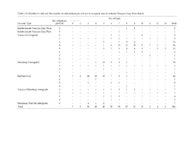
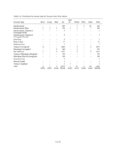
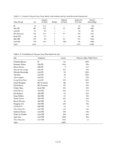
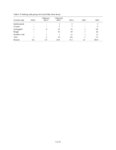
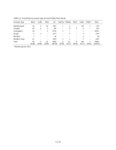
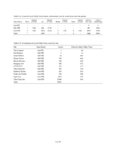
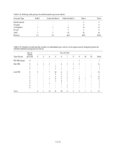
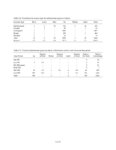
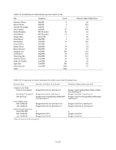
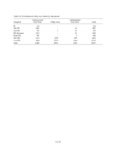
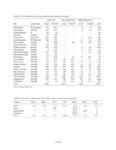
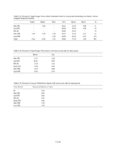
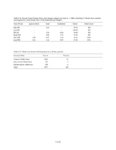
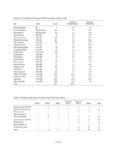
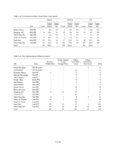
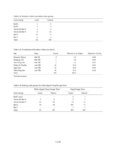
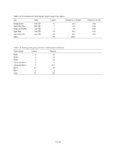
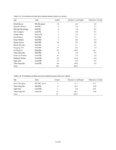
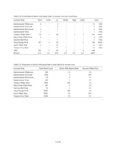
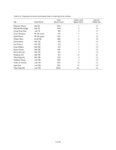
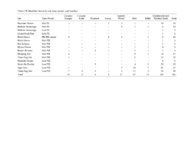
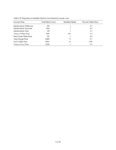
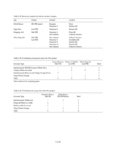
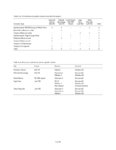
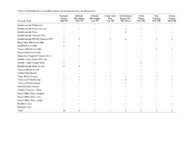
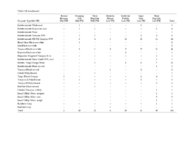
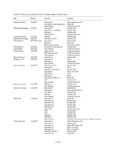
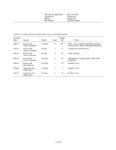
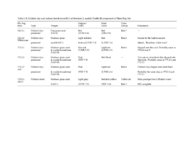
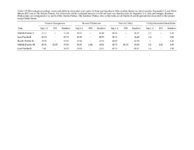
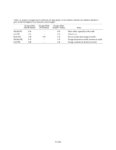
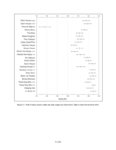
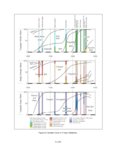
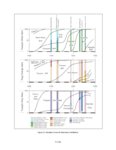
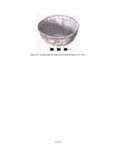
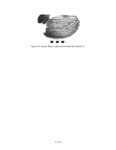
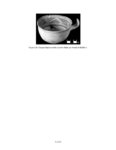
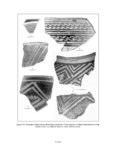
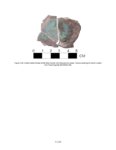
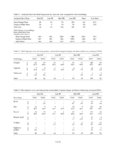
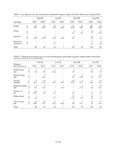
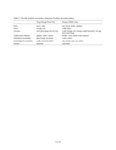
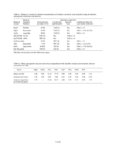
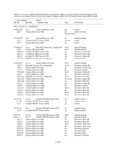
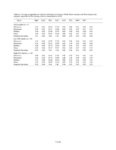
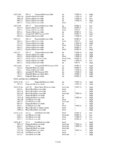
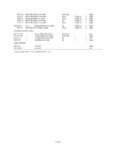
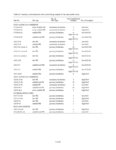
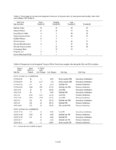
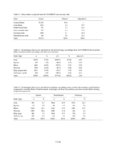
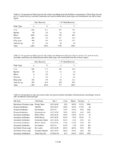
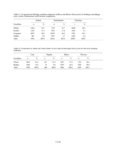
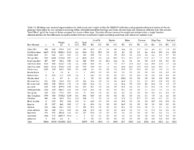
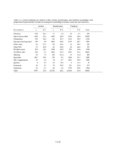
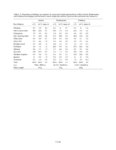
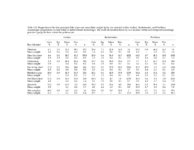
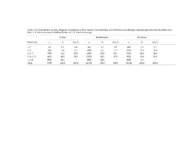
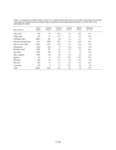
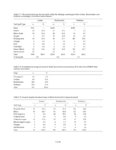
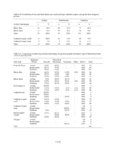
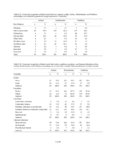
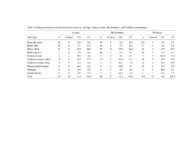
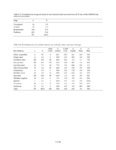
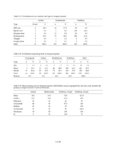
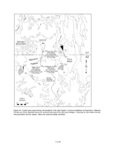
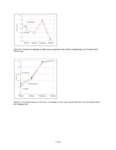
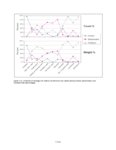
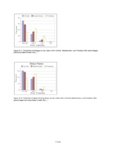
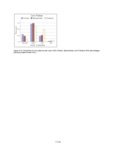
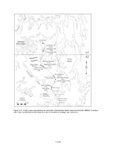
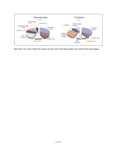
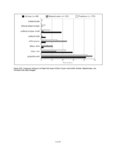
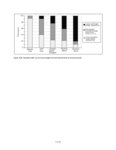
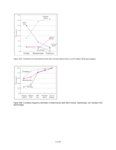
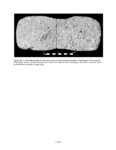
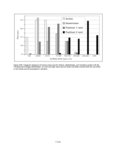
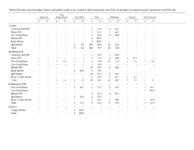
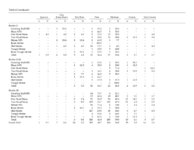
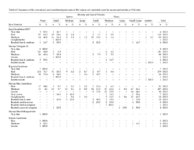
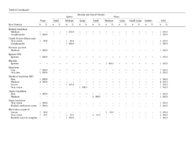
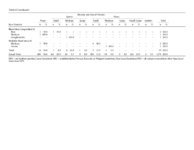
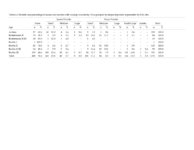
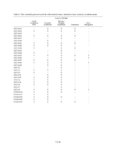
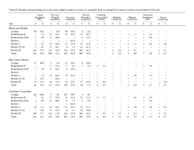
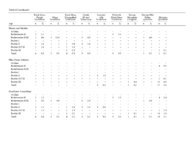
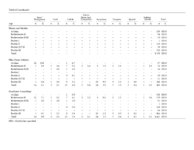
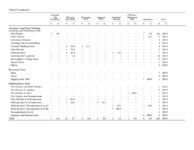
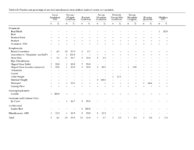
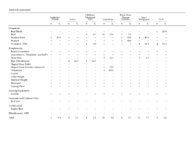
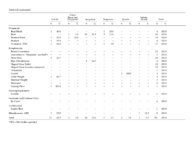
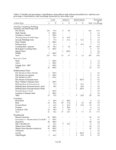
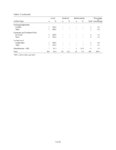
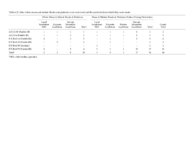
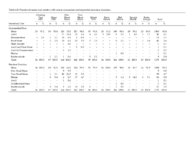
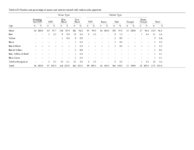
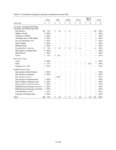
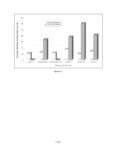
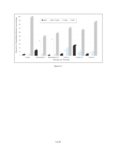
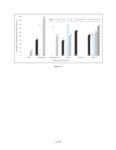
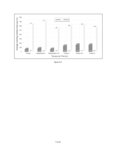
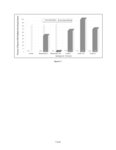
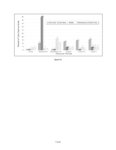
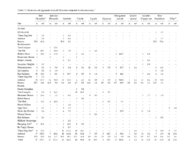
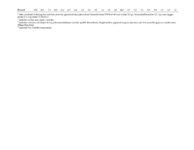
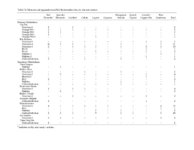
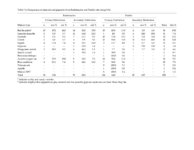
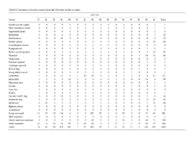
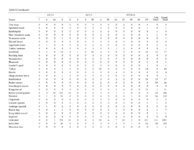
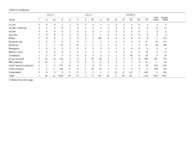
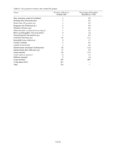
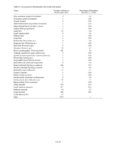
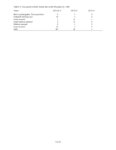
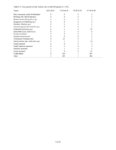
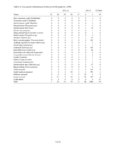
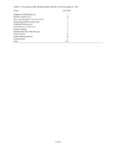
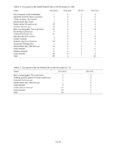
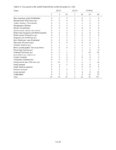
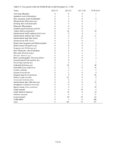
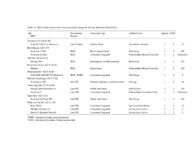
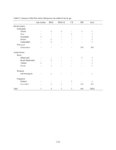
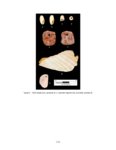
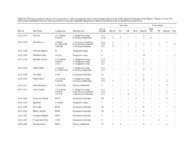
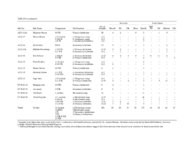
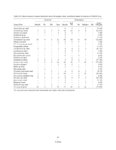
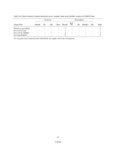
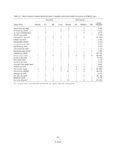
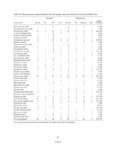
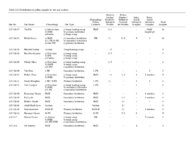
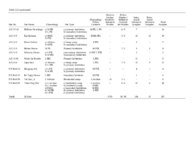
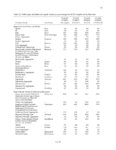
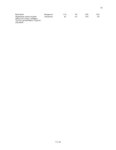
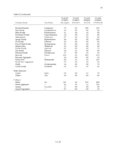
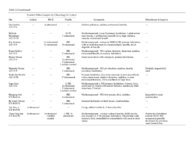
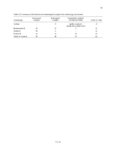
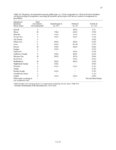
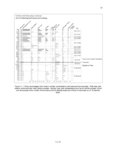
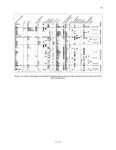
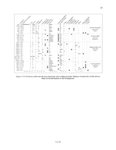
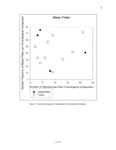
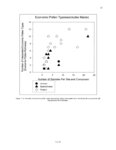
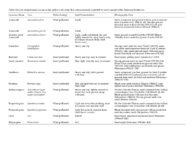
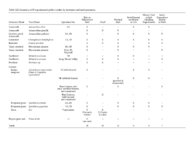
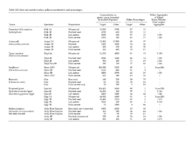
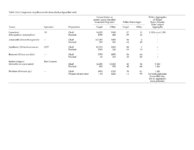
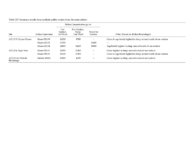
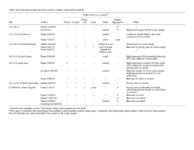
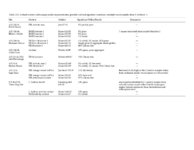
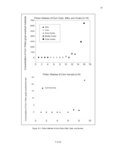
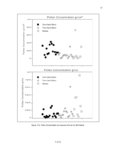
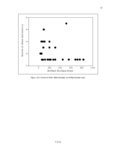
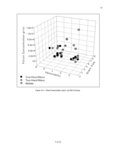
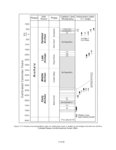
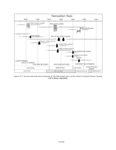
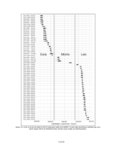
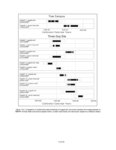
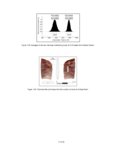
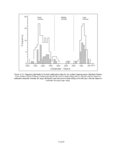
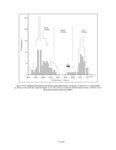
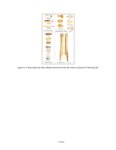
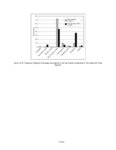
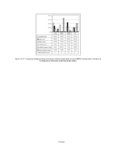
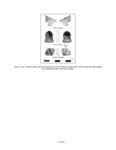
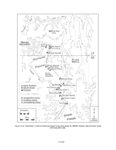
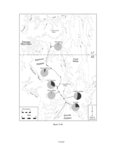
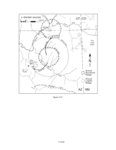
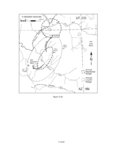
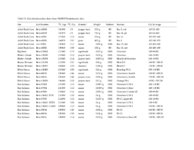
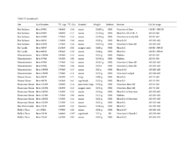
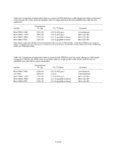
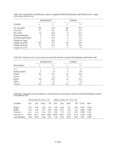
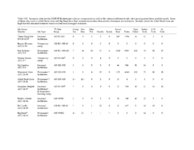
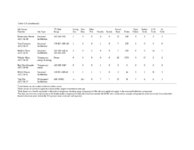
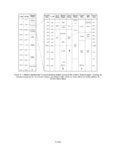
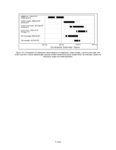
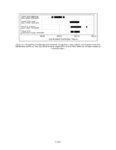
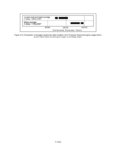
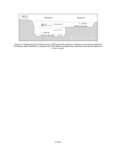
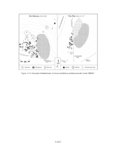
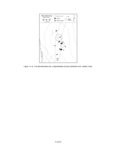
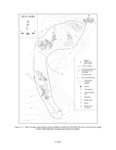
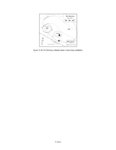
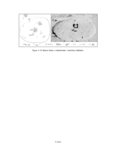
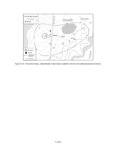
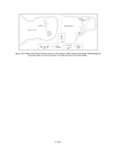
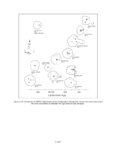
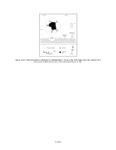
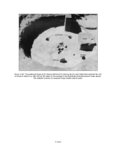
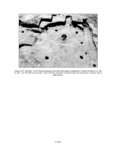
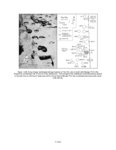
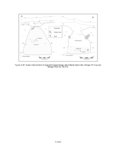
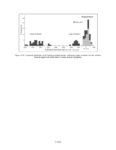
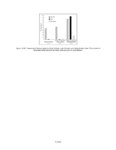
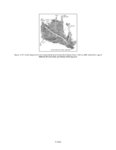
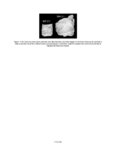
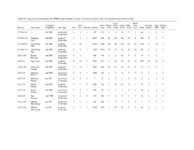
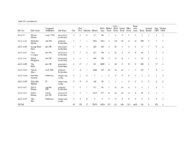
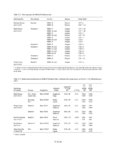
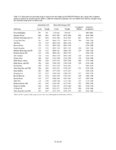
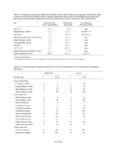
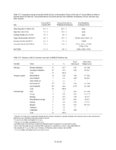
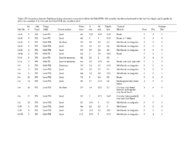
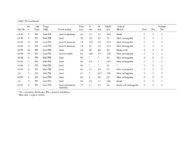
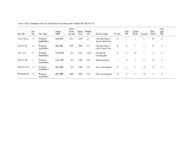
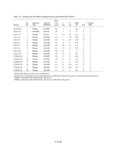
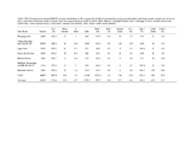
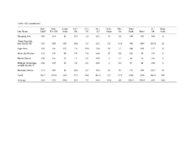
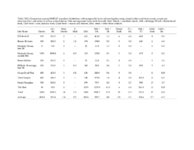
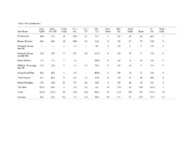
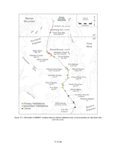
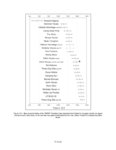
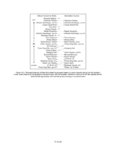
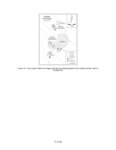
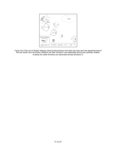
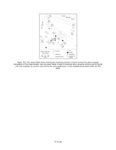
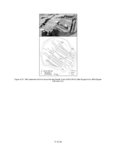
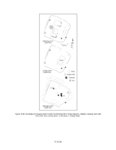
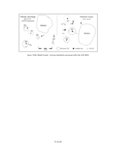
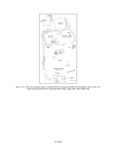
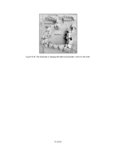
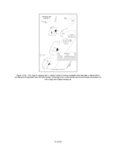
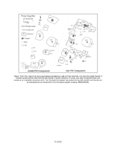
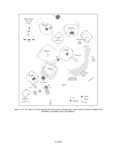
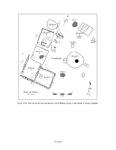
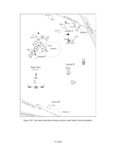
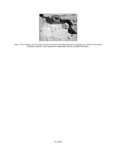
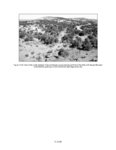
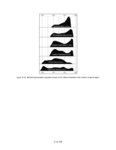
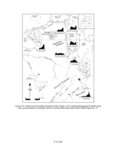
Show I and early Pueblo II, but once redware production started in the Kayenta region, sometime after AD 1000, San Juan Red Ware stopped being imported. As a result, the ratio of San Juan Red Ware to Tsegi Orange Ware quickly dropped during the 1000s such that by 1100 AD, Tsegi Orange Ware comprises 100 percent of the redware on nearly all Kayentan sites. The two NMRAP sites that characterize the middle Pueblo II interval are Hammer House and Hillside Hermitage; a late Pueblo II component was also present at the latter site but it occurred more than 10 m to the northeast with a separate midden so it was easy to separate remains from both occupations (Figure 15.29). Key temporally sensitive ceramic types suggest that Hammer House was occupied slightly earlier than Hillside Hermitage. The predominant whiteware type for both sites is Black Mesa Black-on-white, with lesser amounts of Sosi and Dogoszhi Black-on-white; the ratio of the former to the latter two types combined is 8.8 for Hammer House but 1.9 for Hillside Hermitage (Table 15.5). Such ratios should reflect temporal order, given that Black Mesa Black-on-white has an earlier start date for manufacture and appears to have developed out of the preceding Wepo Black-on-white style. Early middle Pueblo II sites should have more Black Mesa Black-on-white relative to Sosi and Dogoszhi than middle Pueblo II habitations established slightly later in time. Supportive of this pattern based on similar logic is the ratio of Medicine Black-on-red, the earliest type of Tsegi Orange Ware and evidently inspired by the earlier Deadmans (La Plata) Black-on-red of the San Juan Red Ware tradition, to Tusayan Black-onred, a type that is most characteristic of late Pueblo II. For Hammer House the Medicine to Tusayan Black-on-red ratio is 3.9, whereas for Hillside Hermitage it is 1.6. Slightly at odds with this result, but perhaps not overly important, is the higher proportion of San Juan Red Ware to Tsegi Orange Ware at Hillside Hermitage (0.17) compared to Hammer House (0.02), where only four San Juan Red Ware sherds were recovered. Type frequencies for Hammer House suggest a best fit in Schroedl and Blinman's (1989:62) "Period 2," AD 1050-1080, a dating scheme that assumes a start date of AD 1050 for Dogoszhi Black-on-white. If Ambler's start date of AD 1040 is used, together with the fact that Hammer House has more Medicine Black-on-red than Tusayan Black-on-red, a date range closer to AD 1040-1060 is possible. Ambler's (1985: Figures 11 and 13) frequency distributions for the Navajo Mountain area support this range as well, with a best fit at AD 1050. Hillside Hermitage with its higher proportion of slightly later types has a best fit at about AD 1065 with abandonment before 1080. It is conceivable that they were sequentially used rather than contemporary. Mean ceramic dating suggests occupation spans that are certainly too long for both sites, with a span of 1032-1087 for Hammer House and 1036-1098 for Hillside Hermitage. Given a subjective assessment of all information we would eliminate the early end of the ceramic mean date ranges for both sites-initial use probably postdated AD 1050. Both sites appear to have been occupied for short intervals given the relatively sparse trash, certainly less than a generation and perhaps not even 20 years. The total sherd count for Hammer House is 2566 with Hillside Hermitage yielding 1514; debitage counts are 2210 and 985 respectively. These frequencies of the rapidly accumulating debris suggest greater longevity of occupancy at Hammer House (group size appears equivalent based on area of enclosed and roofed structures), something that seemed evident in the field based on the nature of the trash middens-the Hammer House deposit was both thicker and richer in charcoal and artifacts compared to the Hillside Hermitage midden. The Hammer House kiva exhibited extensive remodeling of loom holes and some patching of the floor, something not in evidence at Hillside Hermitage, although the jacal living structure there had been reconfigured into a storage and activity room containing a mealing bin. Schroedl (1989) reported two Pueblo II habitations excavated in the southern portion of the N16 ROW on the northern Shonto Plateau that were designated as early Pueblo II in the temporal scheme used for that report. Only the midden lay within the ROW at one of these sites (AZ-J-31-3), so findings were limited to an artifact assemblage, two burials, a pot cache, and a few small pits. The other site (AZ-J-1912) lay totally within the ROW, so findings were comparable to the NMRAP late Pueblo II sites and indeed the site appears quite similar in character. This site has an assemblage that we would characterize as middle Pueblo II and the site would have been so designated had it been excavated by the NMRAP. The assemblage appears later than that of Hammer House based on the ratio of Black Mesa to Sosi and Dogoszhi Black-on-white combined (see Table 15.5) but perhaps earlier than Hillside Hermitage. The redware ratios suggest the opposite, as does the presence of three polychrome sherds; moreover, AZ-J-1912 lacks San Juan Red Ware. If not strictly contemporaneous, Hillside Hermitage and AZ-J-19-12 are perhaps so close in time that ceramics cannot differentiate them unless one ware is weighted more than another in making such a determination. Site AZ-J-31-3 has a ceramic assemblage that presents an interesting contrast with the sites just considered because it is clearly earlier based on several important distinctions, as Blinman describes (in V.15.9 |