| OCR Text |
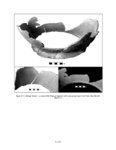
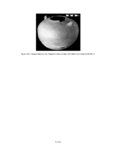
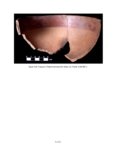
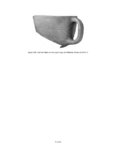
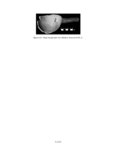
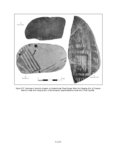
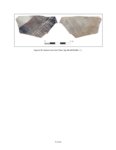
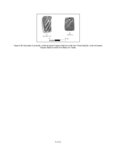
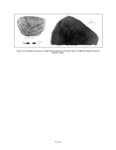
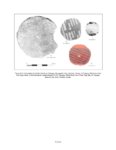
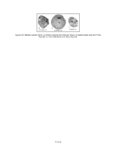
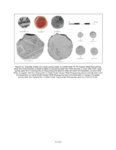
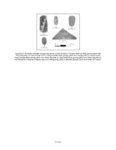
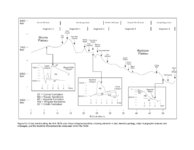
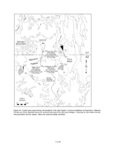
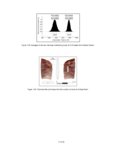
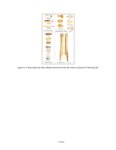
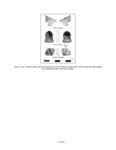
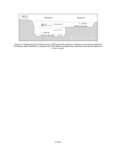
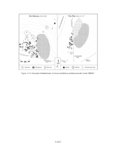
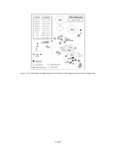
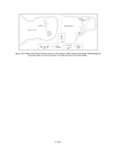
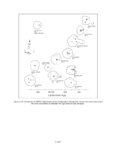
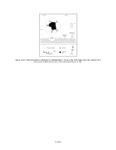
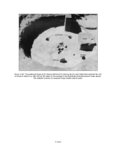
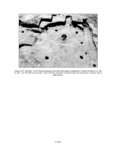
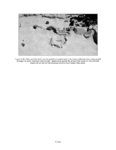
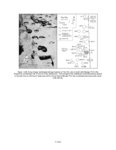
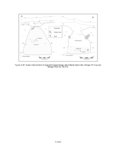
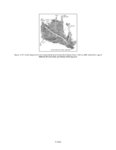
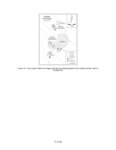
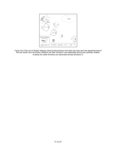
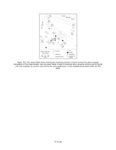
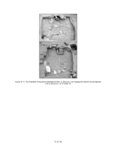
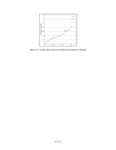
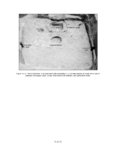
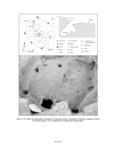
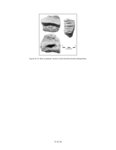
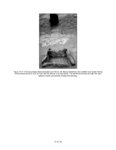
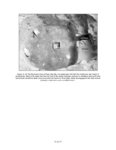
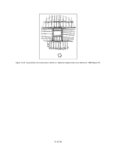
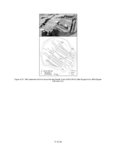
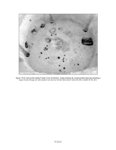
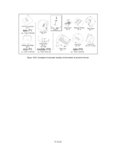
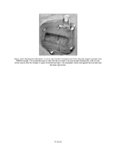
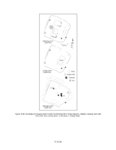
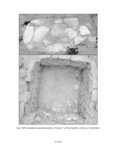
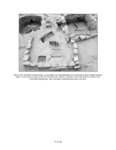
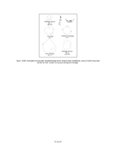
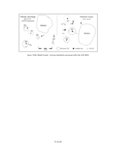
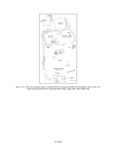
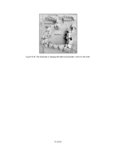
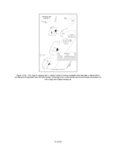
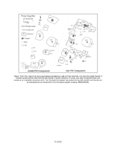
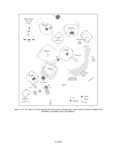
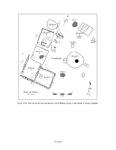
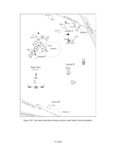
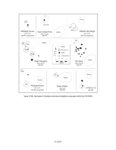
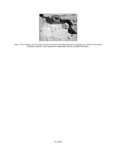
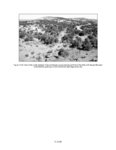
Show does not require intact doorways, only sufficient evidence of floor and wall construction. Two examples of NMRAP granaries are shown in Figure 15.26, a subterranean structure at Sapo Seco fully lined with masonry (Structure 7) and a surface jacal structure with an entirely slab-lined floor, the slabs set within abundant mortar. As described by Lindsay et al. (1968; also Lindsay 1969), granaries are usually the mostly solidly built structures on a Kayenta site except perhaps for kivas. The effort expended is a reflection of the value of what is at stake-the food reserves. Structure 7 at Sapo Seco well represents this effort, though it is unusual in being subterranean, since most granaries are surface or near-surface features. The jacal granary is also somewhat unusual in that jacal construction was mainly reserved for living structures, activity rooms, and general partitions, but in this case the tight slab floor is consistent with a concern over preventing food loss, especially from rodent intrusion. An example of an jacal granary that burned with ears of corn in storage occurs at site AZ-D-5-8 on the Shonto Plateau (Fairley 1987). Lindsay et al. (1968:270-271) also described two jacal granaries (Rooms 9 and 10) at Tcamahia Pueblo (NA7519A), though by their more restrictive granary definition they are classified as simple storage rooms. The NMRAP granaries have a mean floor area of 4.7 sq m, ranging from 2.7 to 7.3 sq m. Except for the subterranean Structure 7 at Sapo Seco, the storage volume for these rooms is impossible to estimate with any accuracy because it would depend on estimating roof height. For Structure 7 a simple calculation based on preserved masonry yields a volume of 5 cu m, but since the roof probably was 1.4 m above the floor, judging from wall fall, the volume was perhaps around 5.8 cu m at full capacity. It is worth mentioning that Structure 7 appears to have been constructed initially as a living structure but the unfinished and unused hearth was plastered over and the floor was paved with slabs for its revised role. Activity/Storage Rooms The types of structures that we refer to here as activity/storage rooms partially overlap with granaries, and are identified by Lindsay (1969) as storage rooms. We added "activity" to explicitly recognize that they were evidently used for daily activities, at least on occasion, and were not just "dead storage" space, like granaries. When occurring at primary habitations, rooms of this type appear similar to granaries in their lack of interior hearths but are usually larger and have features indicative of nonstorage activities, especially mealing bins. A good example is shown in Figure 15.27. This room had fullheight masonry walls on three sides, with the front wall, facing the plaza, made of jacal. It lacked a slab floor as is typical of structures that were used solely for secure food storage and was larger than most storage rooms (floor area of 7.8 sq m). It was more like a living room in size but lacked an interior hearth or other features, except for two mealing bins that occupied a small front portion of the room but with plenty of space for other activity or goods. The above example comprises a formal construction at a primary habitation, integrated within or juxtaposed to other rooms of a pueblo. Other examples of rooms placed within this class were of more expedient design and were usually isolated, or if occurring on a multi-structure site they were not integrated within the larger architectural arrangement. Many of these occur at secondary habitations (Figure 15.28) and were perhaps houses used while tending fields, ones that lack interior hearths, but others occur at sites that perhaps had other purposes such as the structure at The Slots (see discussion below). Puebloan Settlement Types and Patterning In searching for patterning in Puebloan settlement types, the 25 Puebloan sites can first be separated according to the presence or absence of dwellings. Three sites with no structures are designated as temporary camps, and the remaining 23 sites are considered habitations. Structural sites can be further subdivided (see below), but no matter how one approaches partitioning the continuum of site variability into potentially meaningful groups, it is essential to factor in at least these two variables: (1) the extent to which prior site disturbance has eliminated features, and (2) whether ROW restrictions have prevented disclosure of all associated features. Primary Habitations The NMRAP sample of Puebloan habitations seems to consist of those occupied on a relatively permanent basis and those occupied seasonally, if repeatedly, and perhaps by less than the entire social group represented at a more permanent residential site. Our separation of habitations into two general classes called primary and secondary was based on an assessment of architectural permanence, the presence and nature of interior hearths, and food storage capacity. As discussed in the previous Basketmaker chapter, we apply the terms primary and secondary to habitations but we recognize that all V.15.25 |