| OCR Text |
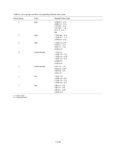
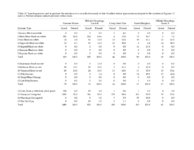
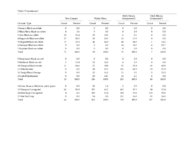
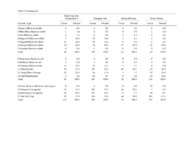
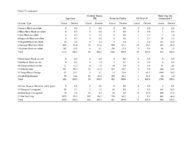
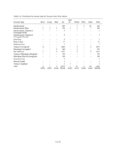
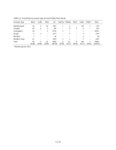
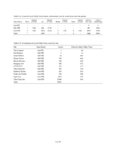
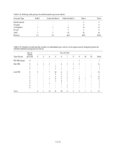
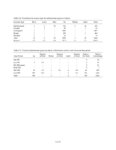
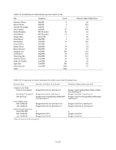
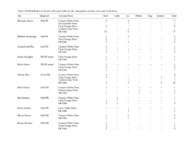
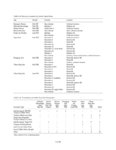
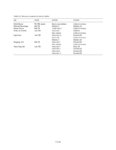
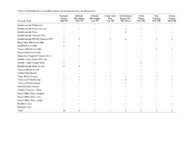
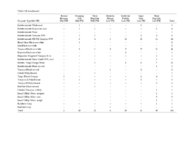
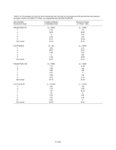
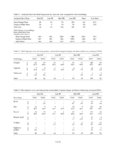
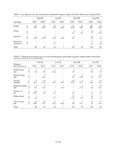
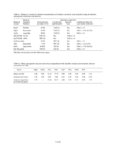
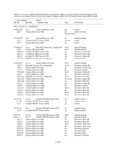
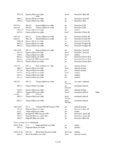
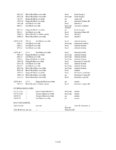
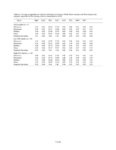
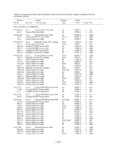
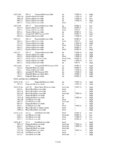
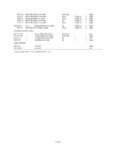
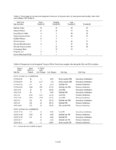
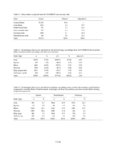
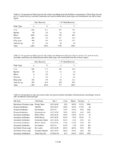
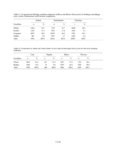
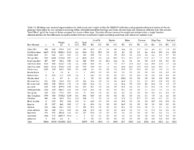
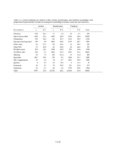
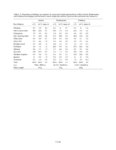
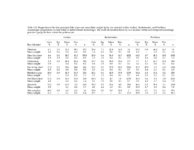
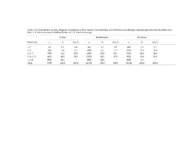
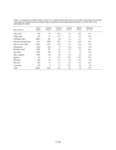
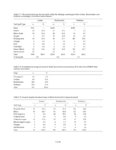
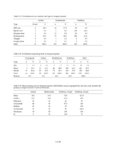
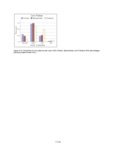
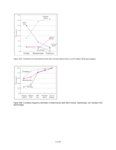
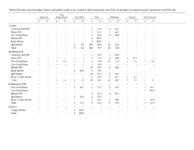
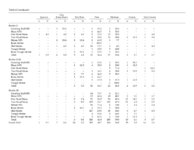
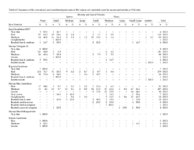
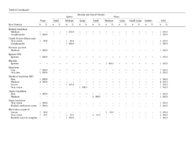
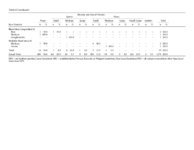
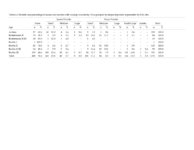
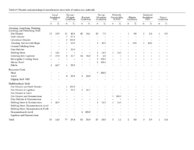
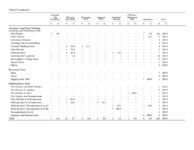
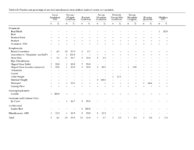
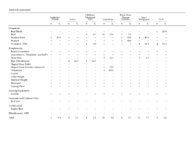
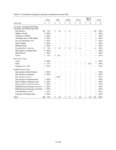
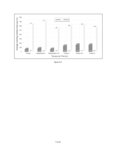
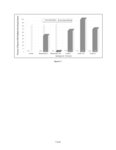
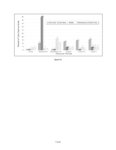
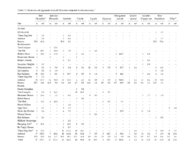
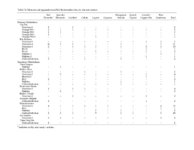
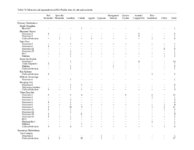
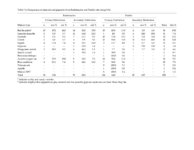
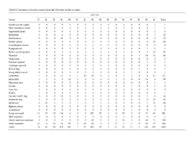
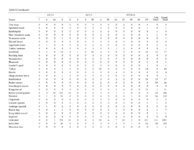
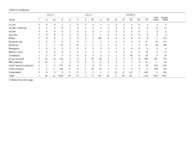
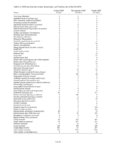
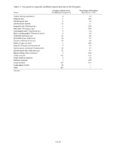
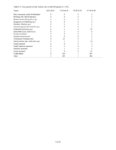
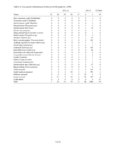
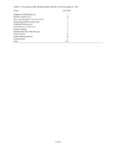
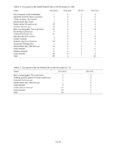
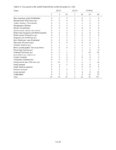
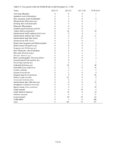
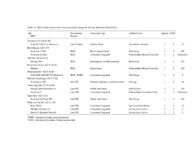
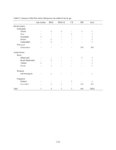
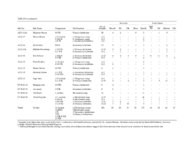
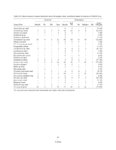
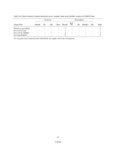
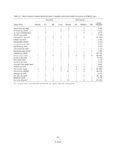
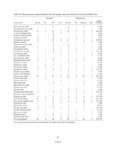
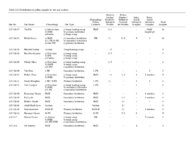
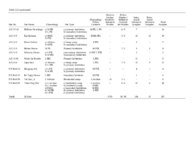
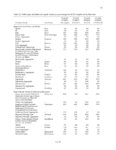
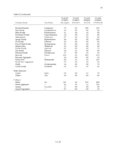
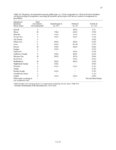
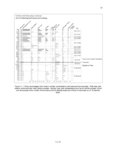
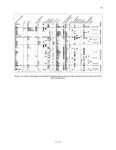
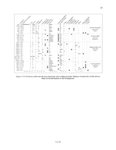
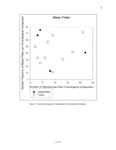
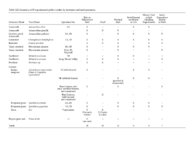
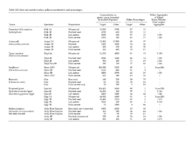
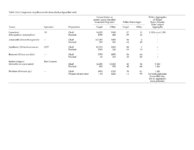
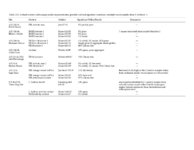
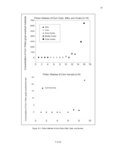
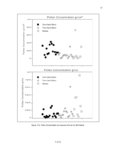
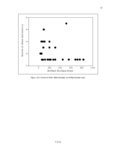
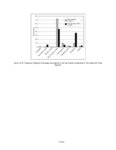
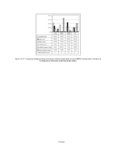
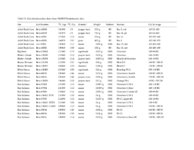
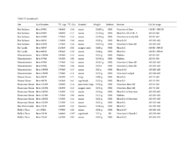
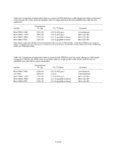
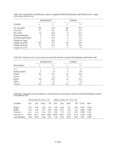
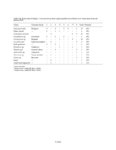
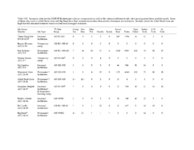
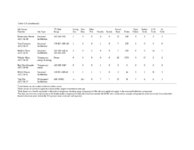
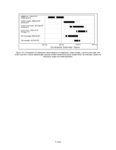
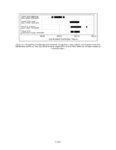
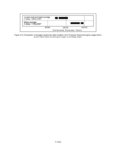
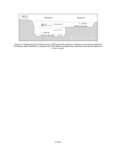
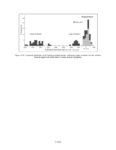
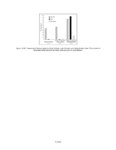
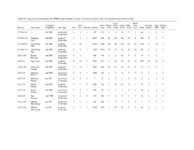
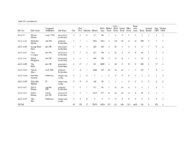
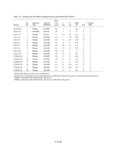
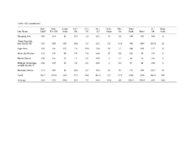
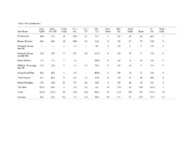
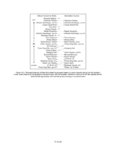
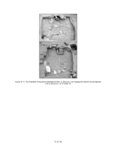
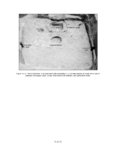
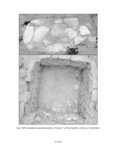
Show 6 sunflower family, and, at least in the subsurface contexts, higher sagebrush. Juniper is high in the modern surface samples, but relatively low in subsurface samples, except at Three Dog Site (UT-B-63-39). The high juniper at Three Dog Site probably reflects more juniper in this area at the base of Navajo Mountain. The results from the modern pollen samples and the selected set of subsurface samples show that samples from sediment profiles and archaeological samples from open-air contexts preserve a pollen snapshot of the local environment at each site. However, buried assemblages may also be degraded and biased toward more resistant pollen. Sediment Profiles Thirty-three pollen samples were collected from sediments exposed in trenches at six sites with the goal of resolving any information about past environments in the project area, particularly any climatic cycles that could be correlated with periods of human use. Unfortunately, 22 of the 33 samples were pollensterile. The sediments mantling the project area are dune sands, but with buried stratigraphy and soils that appeared to have potential for pollen preservation. The dynamics of pollen transport and deposition in eolian environments are poorly understood, but generally, the sporadic, episodic nature of eolian deposition is not optimal for recovering paleoclimatic information. There are, however, two notable patterns in the pollen data. Profiles typically included strata described as cultural that were colored dark grey from charcoal and contained stone and pottery artifacts. Culturally sterile sand layers bracket these strata, and the package provided a logical sequence to compare pollen from cultural to non-cultural periods. Of the 33 profile samples analyzed, 12 were collected from cultural layers. Eleven samples from the six sediment profiles yielded significant counts (100 to 200 grain pollen sums), and nine of these were from cultural layers. Thus, about 80 percent of the samples with counts were from the cultural units. Summary results from the productive samples are documented in Table 11.3. The interesting question is why sediments associated with cultural materials contain significant pollen spectra when non-cultural layers above and below are pollen-sterile. The profiles with cultural layers that produced significant pollen counts are from four sites: The Pits (AZ-J-14-17), Pee Wee Grande (AZ-J-14-26), Windy Mesa (AZ-J-14-28), and Tsé Haa_ á (UT-B-63-30). Tsé Haa_ á was a late Archaic residential camp, and the other three sites were multi-component, predominantly temporary camps. Anderson (see Appendix G:G8THIS VOL - VOL 5 ?) describes a general regional geomorphology model of a repeating sequence of dunes, soils, and cultural features that carry the history of dynamic interactions between "quasi-stable surfaces (weakly developed A and Bw soils) and the association of hearths." The coincidence between these stable surfaces and buried campsites may be preservation or a perspective on human behavior to select protected camp sites with a stable substrate. In the N16 project, sand becomes stabilized on the lee side of bedrock outcrops long enough for soils to develop, and it is in these locations that buried camp sites are preserved in situ. In these protected locations, accumulating charcoal and refuse are added to the soil horizon and contribute to soil formation. At other sites where deflation has stripped away sediment, all that is left of the site is a lag deposit of surface artifacts (Anderson, Appendix G: G8). From the pollen perspective, the cultural layers preserved in profiles were apparently stable long enough to accumulate adequate natural pollen rain to become preserved after burial. There may also be some part of the pollen spectra resulting from cultural activities, such as stockpiling firewood and other useful plant resources. Similar to Anderson's interpretation of soil development and stable surfaces (Appendix G: G8), the model suggested here for the relatively pollen-rich cultural layers involves the human preference for siting camps on stabilized sand surfaces and the enriched pollen input from both natural processes and cultural activities. The implications of this interpretation is that there is some potential for using the pollen results from buried strata with significant pollen counts for an analog. The second pattern from the sediment profiles is at the other end of the productivity scale. The samples with essentially no pollen were from strata described as eolian sand or with a well-developed calcium carbonate (calcic) matrix. These samples typically yielded pollen concentration values of less than 100 gr/cc. Strata labeled eolian are units that did not stabilize long enough to develop any soil horizons, and the rapid deposition would dilute any atmospheric pollen rain that managed to become entrained in the sand. The calcic component in strata indicates post-deposition percolation and migration of surface water and alternating cycles of wetting and drying, which is the least favorable environment for pollen preservation (Hall 1981). No definitive evidence of agriculture was recovered from any of the sediment profiles, except for Tsé Haa_ á (UT-B-63-30), a Late Archaic site at the base of Navajo Mountain. Three samples produced maize pollen at Tsé Haa_ á (Table 11.3), and in one sample (331.01), 20 grains of the 114 grains counted were V.1.6 |