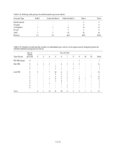
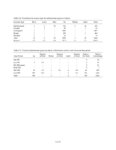
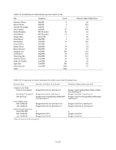
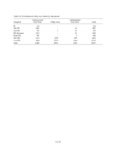
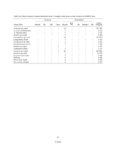
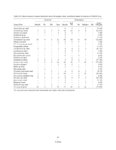
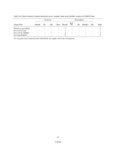
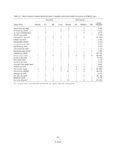
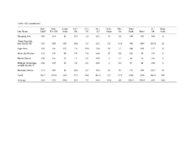
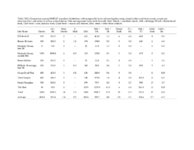
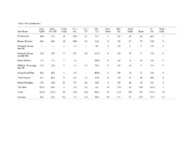
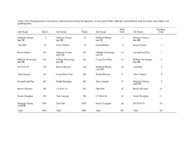
| OCR Text |
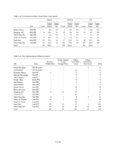
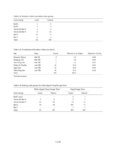
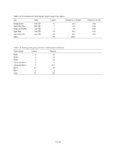
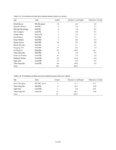
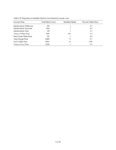
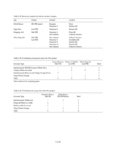
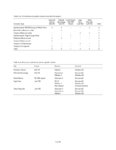
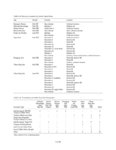
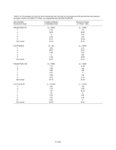
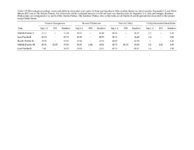
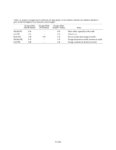
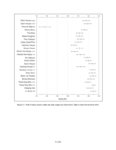
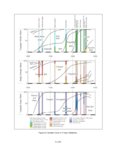
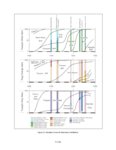
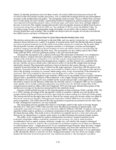
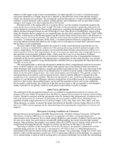
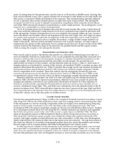
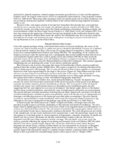
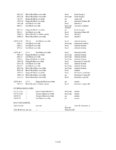
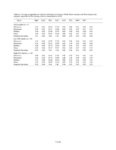
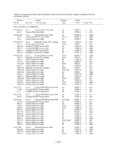
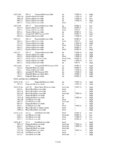
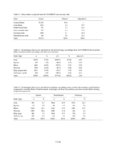
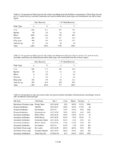
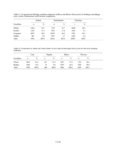
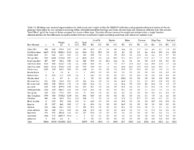
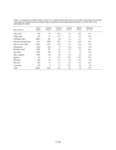
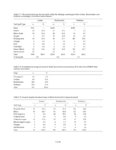
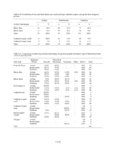
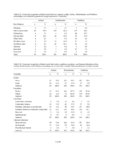
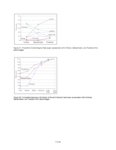
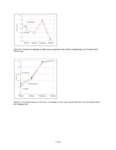
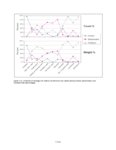
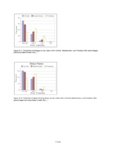
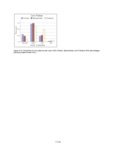
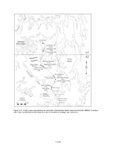
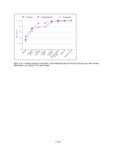
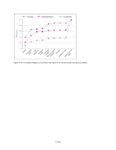
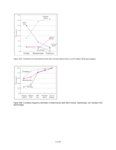
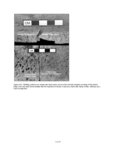
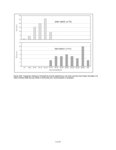
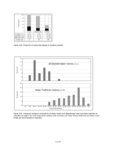
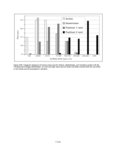
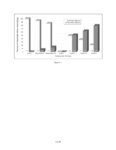
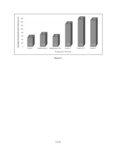
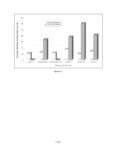
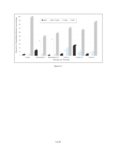
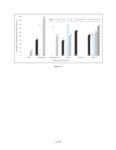
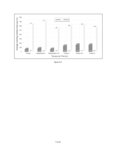
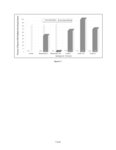
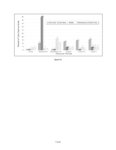
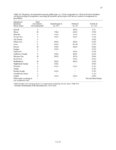
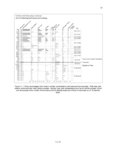
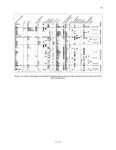
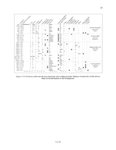
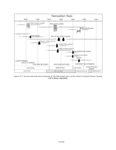
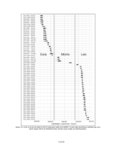
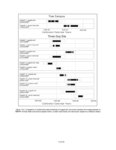
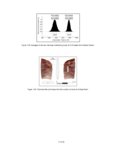
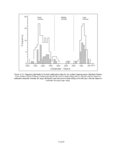
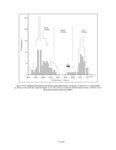
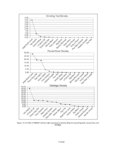
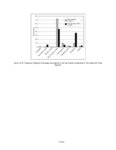
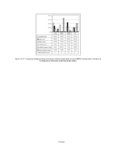
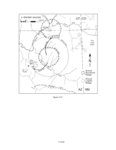
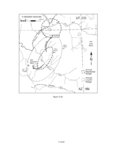
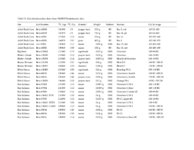
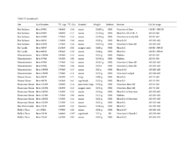
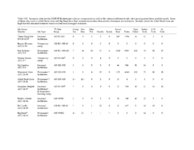
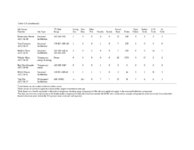
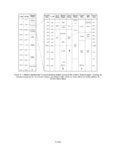
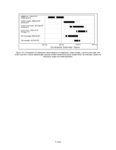
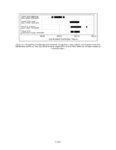
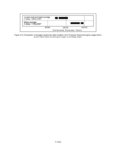
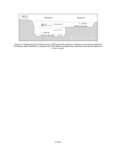
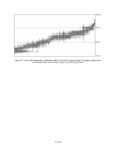
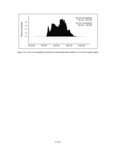
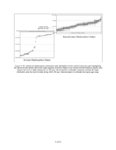
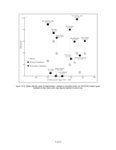
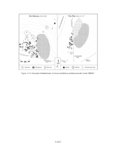
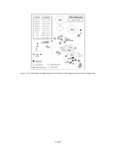
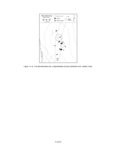
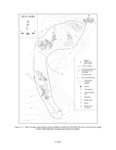
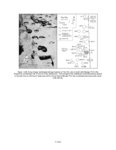
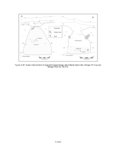
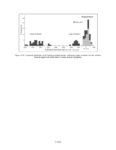
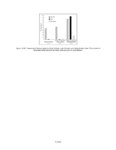
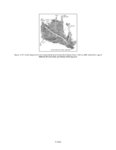
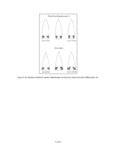
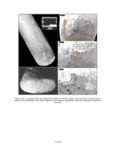
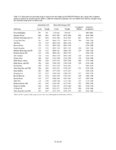
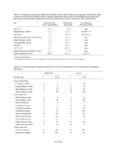
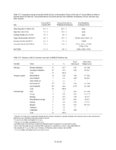
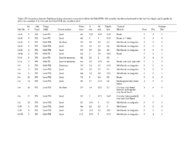
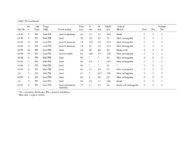
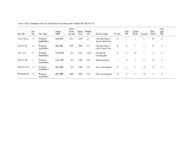
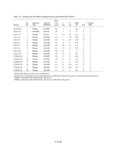
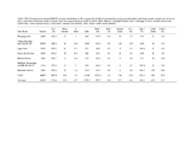
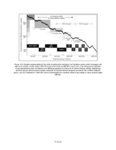
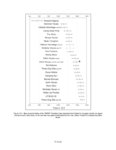
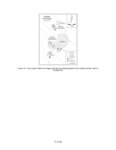
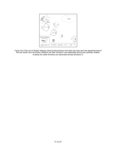
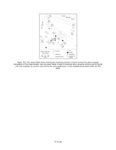
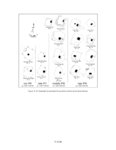
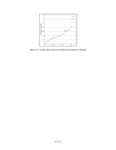
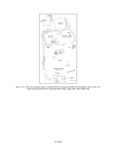
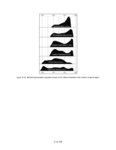
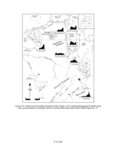
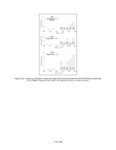
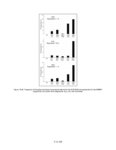
Show different samples reveal a high degree of comparability. Despite this, were I to do the NMRAP dating all over again, I would still insist on having a single laboratory assay all AMS samples. This way there is just one less variable to worry about, which, with radiocarbon dating, is a good thing. Regional Date Distribution The NMRAP provides the bulk of Basketmaker II radiocarbon dates for the northern Kayenta region, but a few other studies have added to the data set. These consist of the dating of maize and other remains from previously excavated shelters such as Dust Devil Cave (Geib 1996a), Desha Caves 1 and 2 (Geib and Robins 2003), and Sand Dune Cave (Geib 2004). These related studies have contributed to a refinement of Basketmaker chronology for the northern Kayenta region, especially as it relates to the use of caves vis-àvis open settings. By adding in these 14 additional dates to those of the NMRAP, the sample size is expanded to 89. All but one of these additional dates are on materials that do not overestimate age, have clear cultural origin, and have an unambiguous relationship to the event of interest. Of these 14, four are on maize cobs, three are on juniper bark used as fiber temper for mortar in storage cists, two are on human feces, two on hide bags, two on artifacts of yucca, and one on wood charcoal from a hearth. The latter was obtained prior to 1970 (Lindsay et al. 1968:108), back when radiocarbon dating seemed quite straightforward. All non-wood dates have been corrected for 13C fractionation based on measured values. After calibration using the OxCal program (v. 3.5, Bronk 1994, 1995), the 89 individual dates reveal a nearly continuous series spanning almost 1200 years from roughly cal. 400 BC to AD 820 (Figure 14.7). This temporal span is based on the calibrated two-sigma range of the youngest and oldest of the dates considered here, thus this might tend to exaggerate the range. Because dates on maize and other highquality samples bracket lower and upper ends, this date range is likely a close approximation of the true time of Basketmaker presence in the region. A sum of the probability distributions of all 89 dates (Figure 14.8) provides one means to arrive at a best estimate for the chronological span of the Basketmaker presence in the northern Kayenta region, from 400 BC to AD 600. Pottery appeared during the later portion of this range so this interval includes the start of Basketmaker III if ceramics are used as the prime criterion for this period designation. Temporal patterning in the 89 radiocarbon dates may be better perceived as graphed in Figure 14.9. This frequency distribution has been compiled by the same method as used in Chapter 13 for Archaic radiocarbon dates. The small pattern (shaded area) is based on summing the number of dates within a given 100-year interval using the approximated midpoints of calibrated ages. This interval width is roughly twice the mean of standard deviations for the Basketmaker II dates (56 years), which seemed a useful way for smoothing the results while factoring in the level of imprecision with the dates. Overall, the standard error is quite small for this data set, ranging from a low of 40 years to a high of 140 years with an average of 56 years and both a median and mode of 60 years. As noted, precision in radiocarbon dating has generally improved with time, even during the course of the NMRAP, with nearly all of the most recent AMS dates having an error term of 40 years. The larger distribution accounts for the error term of each date by summing how many dates occur within each 100-year interval based on the calibrated two-sigma age ranges. Whatever distortion there is from factoring in the error term can be gauged against the core pattern based on date midpoints, a benefit of plotting the frequency histograms of both procedures in a single graph. There are no clear gaps in the distribution, but there is an obvious increase in dates between about cal. AD 200 and 300. This third-century spike may relate to a population increase or it may simply be a product of biased sampling. Before graphs such as these can be informative about population trends, we need considerably more dates from a larger sample of sites, from all portions of the northern Kayenta region. The fall-off in dates after cal. AD 700 is an artifact of using 1300 BP as the upper limit for inclusion in this analysis, but it also appears to reflect a real population trend. As of yet, few sites are known from the northern Kayenta region that have ceramic assemblages containing Lino Black-on-gray and Kana-a Black-on-white (Ambler et al. 1964; Lindsay et al. 1968; Stein 1966; see summary of evidence in Appendix F of this report). Moreover, I know of no residential sites in the area that have Lino Black-on-white or Kana-a Black-on-white as the dominant decorated ceramic types, so no Basketmaker III or Pueblo I habitations. There are habitations with plain pottery (Obelisk) and then habitations with mainly Wepo black-on-white or Wepo and Kana-a combined-thus early Pueblo II or the Pueblo I-Pueblo II transition. The distribution of Basketmaker dates for the northern Kayenta region stands in marked contrast to Michael Berry's summary of the Basketmaker chronometric data for the Colorado Plateau available in 1980 (see Berry 1982: Figure 10). He identified three discrete temporal clusters: Period I, or early Basketmaker II, from about 200 BC to the time of Christ; Period II, or late Basketmaker II, from about AD 200 to 400; and Period III, or Basketmaker III, from AD 500 to 700. Under the working assumption that the V.14.12 |