| OCR Text |
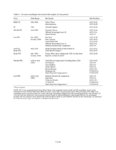
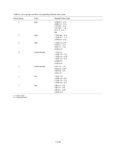
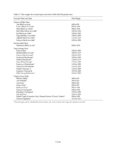
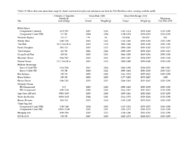
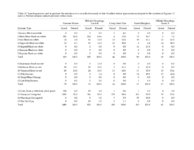
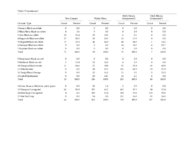
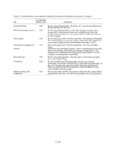
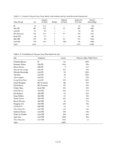
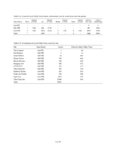
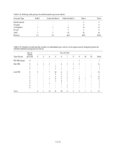
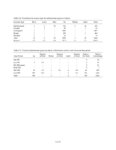
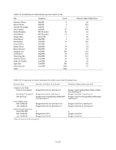
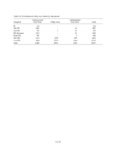
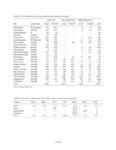
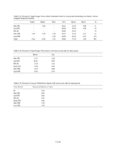
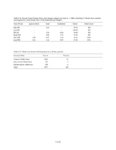
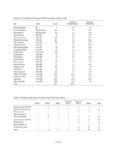
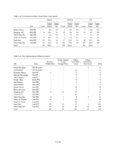
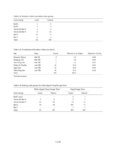
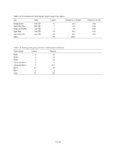
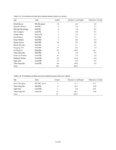
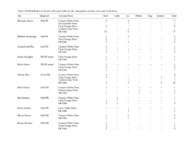
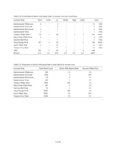
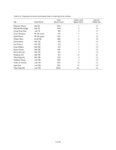
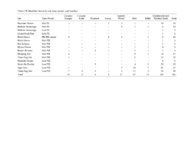
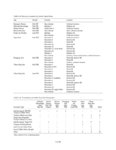
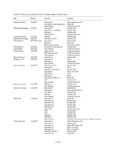
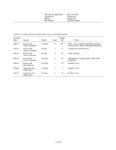
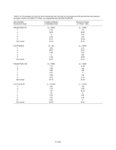
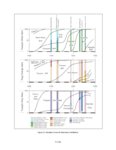
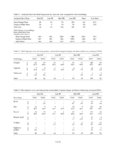
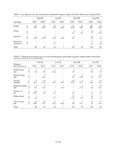
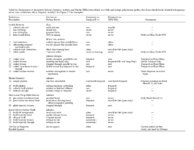
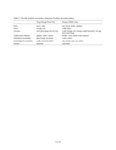
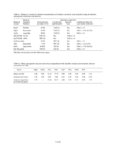
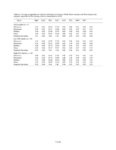
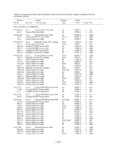
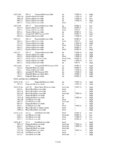
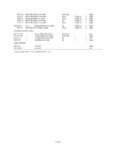
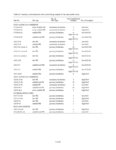
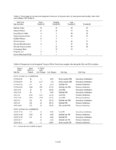
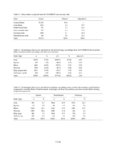
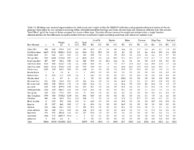
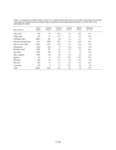
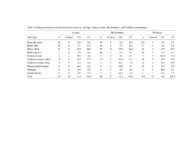
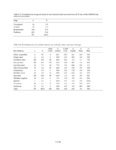
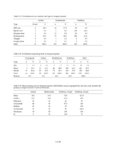
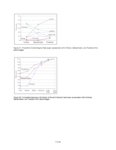
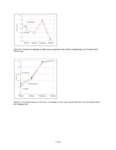
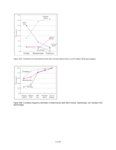
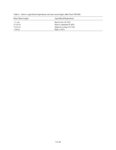
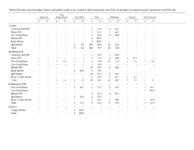
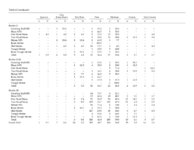
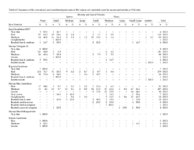
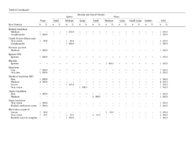
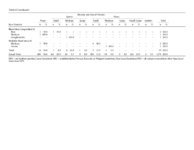
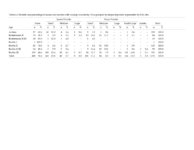
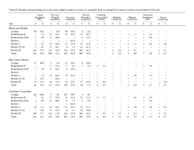
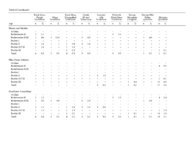
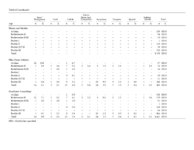
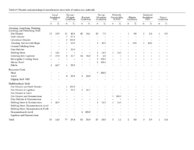
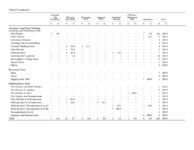
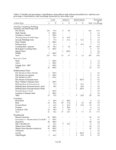
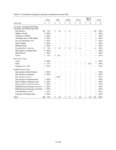
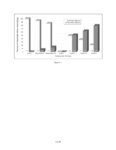
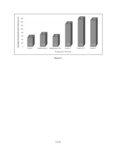
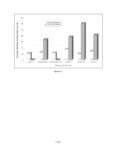
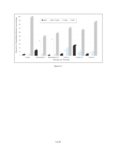
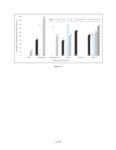
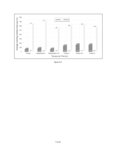
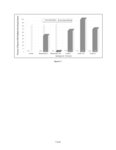
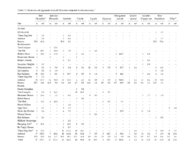
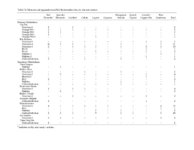
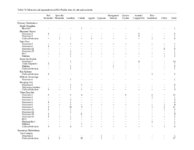
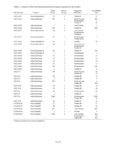
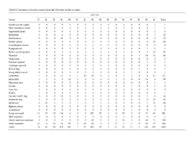
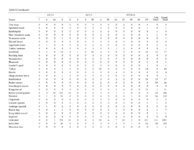
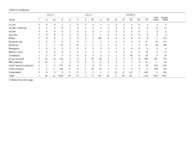
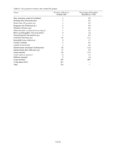
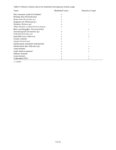
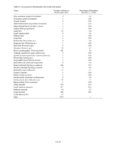
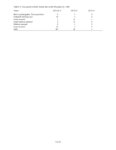
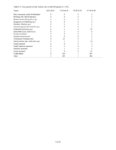
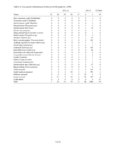
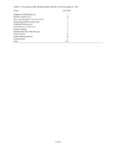
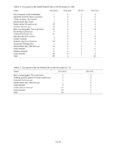
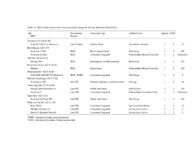
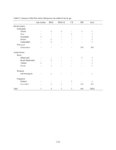
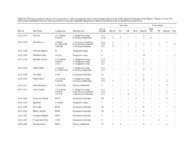
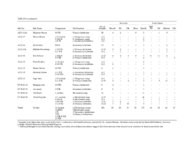
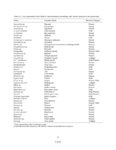
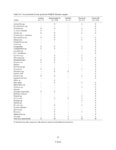
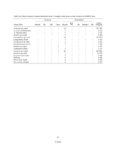
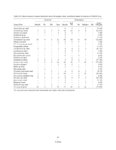
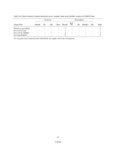
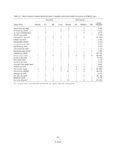
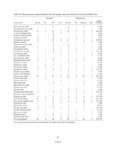
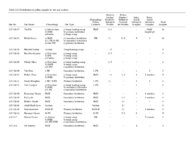
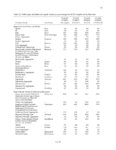
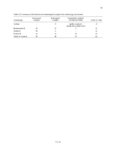
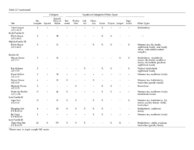
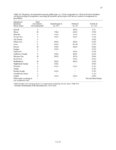
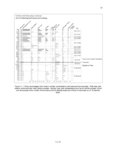
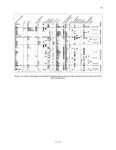
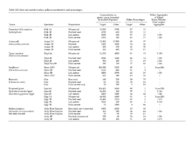
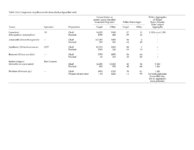
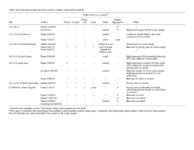
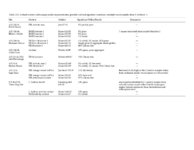
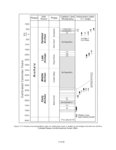
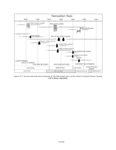
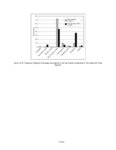
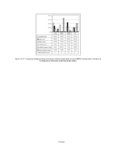
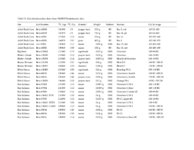
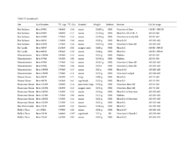
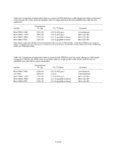
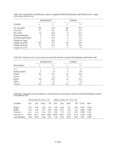
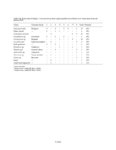
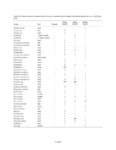
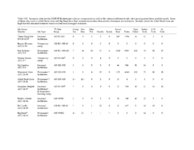
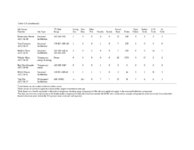
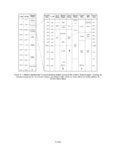
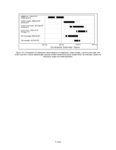
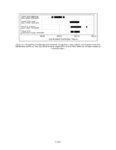
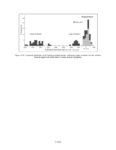
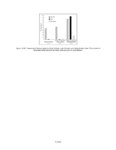
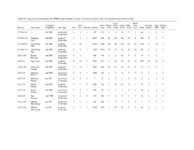
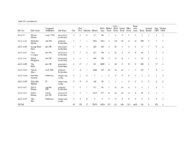
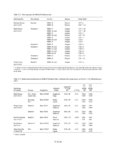
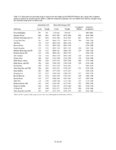
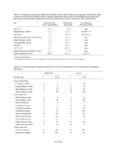
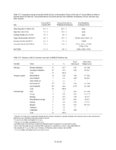
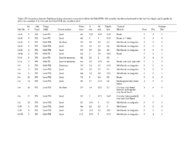
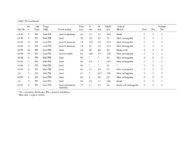
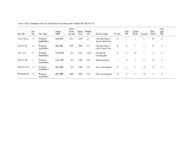
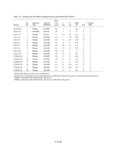
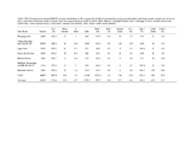
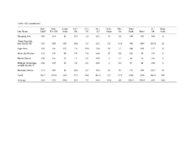
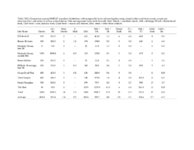
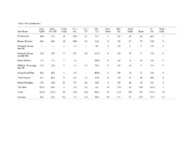
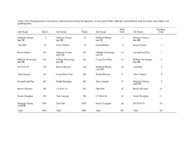
Show occupied for 10 years after construction, the lack of Tsegi Phase ceramic hallmarks is significant. The ratio of Flagstaff Black-on-white (earlier) to Tusayan Black-on-white (later) at Ditch House is 2:1, but this might be influenced by the presence of an earlier component (this ratio using sherds within certain middle Pueblo III structures is 0.2:1 but based on a total of just seven sherds). Hymn House and Hanging Ash are other useful examples of middle Pueblo III ceramic assemblages, although lacking associated tree-ring dates; as with Ditch house both sites lack Kayenta Black-on-white and whiteline polychromes. The identifiable whitewares at Hymn House consist almost entirely (91%) of Tusayan Black-on-white with only a single sherd classified as Flagstaff Black-on-white (the ratio of Flagstaff to Tusayan is 0.02:1). More Flagstaff Black-on-white was recovered from Hanging Ash, where the ratio of Flagstaff to Tusayan is 0.3:1. The higher proportion of Flagstaff Black-on-white at Hanging Ash (also sherds with designs that appear intermediate between Flagstaff and Tusayan) and a greater proportion of Moenkopi Corrugated than Kiet Siel Gray suggest that this site was probably constructed and abandoned before Hymn House. Ditch House, Hymn House, and Hanging Ash were primary residential sites that had been abandoned prior to the late Pueblo III Tsegi Phase. However, three of the NMRAP primary habitations- Sapo Seco, Waterjar Pueblo, and Three Dog Site-have ceramic assemblages indicative of continuous occupancy from middle Pueblo III into late Pueblo III, making them at least partially contemporaneous with the well-known large aggregated pueblos of the area such as Segazlin Mesa and Upper Desha Pueblo on the Rainbow Plateau (Lindsay et al. 1968) or Neskahi Village and Pottery Pueblo on Piute Mesa (Hobler 1974; Stein 1984). Mean ceramic dating suggests temporal ranges of 1209 to 1266 for Sapo Seco, 1216 to 1271 for Waterjar Pueblo, and 1233 to 1272 for Three Dog Site, excluding its middle Pueblo III 3 component (see Table 15.4). Even though these sites had complex use histories, including the dismantlement and redesign of rooms or, in the case of Three Dog site, the entire pueblo, each was probably occupied for less than 40 years. The early end of the ranges for Sapo Seco and Waterjar Pueblo can probably be truncated by 20 years or more and the seriation-based occupation medians for all three sites are between 1250 and 1260. Dean (1969:196) temporally restricted the Tsegi phase to the 50 years between AD 1250 and 1300 (also Colton 1939:55). Lindsay (1969:117) argued that by AD 1250 the phase was fully developed, but that AD 1240 was a more realistic beginning date for the phase in order to allow inclusion of the poorly documented transition. The end of late Pueblo III settlement in the northern Kayenta region was perhaps around AD 1280, based on the lack of tree-ring dates after AD 1275 (Bannister et al. 1969) and the generally low level of trash accumulation at most late Pueblo III sites relative to their large size. By either Dean's or Lindsay's reckoning, Sapo Seco, Waterjar Pueblo, and Three Dog Site are partially if not fully within the Tsegi phase, but these sites likely correspond primarily to the transitional interval and not the full development. All three sites appear to have been abandoned prior to the end of Puebloan occupation in the area, indeed prior to the full-blown aggregation of households into villages that are a hallmark of this phase (e.g. Dean 1969, 1970; Lindsay 1969). Our inference that these sites were abandoned prior to the full expression of the Tsegi Phase in the northern Kayenta region hinges upon two separate lines of evidence-the ratio of key ceramic types and the scavenging of usable materials. A Tsegi phase assignment for all three sites certainly accords well with the recovery of Kayenta Black-on-white and Kayenta or Kiet Siel Polychromes. Based on these ceramic types, there can be little doubt that site occupancy extended after about AD 1260, hence the sites are given a late Pueblo III temporal assignment. But such a placement obscures the reality of what was probably continual habitation from pre-Tsegi phase into Tsegi phase, but with abandonment prior to the aggregated pueblos such as Segazlin Mesa and Upper Desha Pueblo (Lindsay et al. 1968). Table 15.6 compares several late Pueblo III sites on the Rainbow Plateau using the ratio of Tusayan Black-on-white to Kayenta Black-onwhite and the ratio of Tusayan Polychrome to Kayenta and Kiet Siel Polychrome. Tree-ring cutting dates are added for calibration purposes. The interpretive logic behind these ratios follows that presented earlier for Pueblo II types; in this particular case they should be higher for a site occupied during the 1250s than one occupied during the 1270s since through time Kayenta Black-on-white should increase at the expense of Tusayan Black-on-white, and whiteline polychromes should increase at the expense of Tusayan Polychrome. The ratio of late whiteware types clearly differentiates the NMRAP late Pueblo III sites from several tree-ring-dated late Pueblo III pueblos on the Rainbow Plateau reported by Lindsay et al. (1968). The Lindsay et al. (1968) sites, which are thought to be some of the last occupied in the local area, are characterized by construction in defendable positions on small mesas or outcrops. These settlements 3 Contrary to the ceramic mean date, the middle Pueblo III component of Three Dog Site was probably occupied sometime after AD 1230 but before AD 1250, perhaps for less than 10 years. V.15.14 |