| OCR Text |
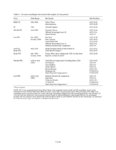
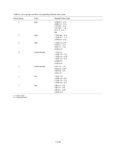
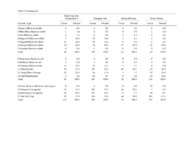
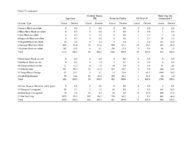
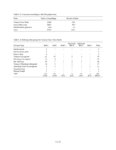
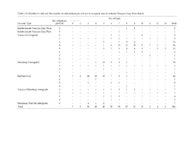
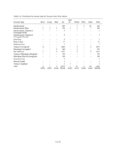
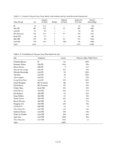
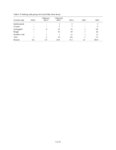
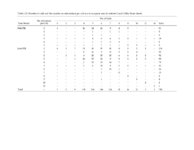
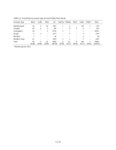
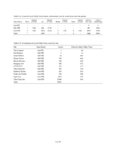
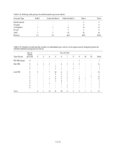
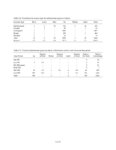
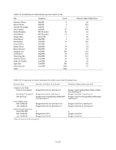
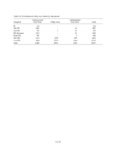
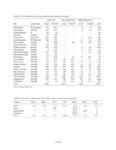
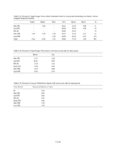
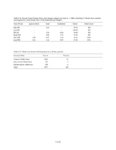
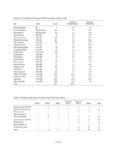
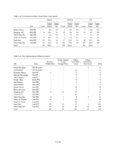
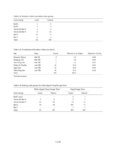
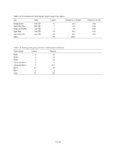
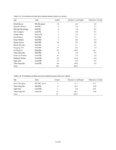
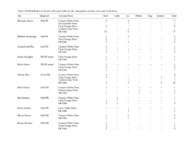
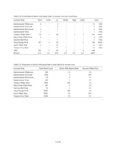
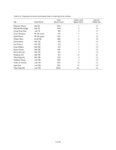
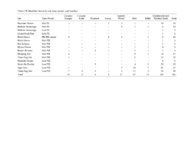
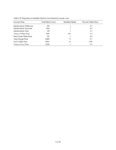
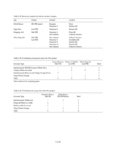
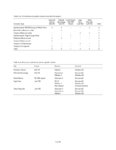
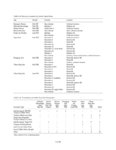
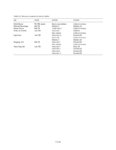
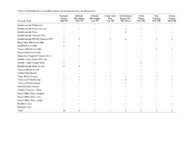
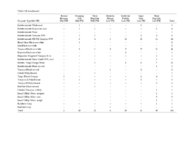
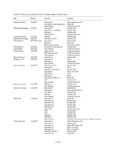
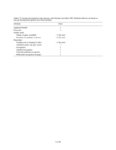
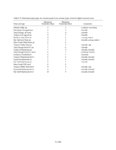
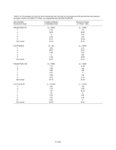
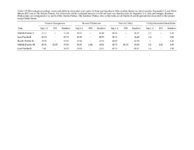
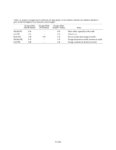
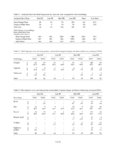
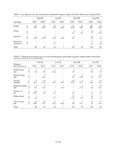
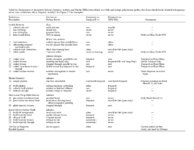
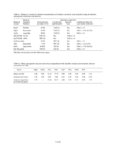
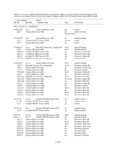
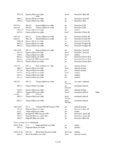
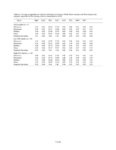
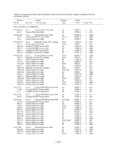
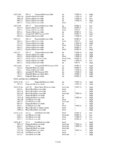
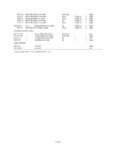
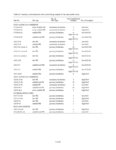
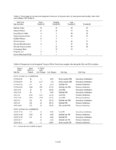
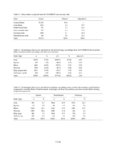
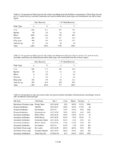
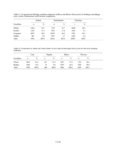
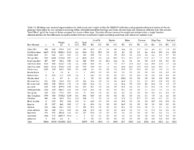
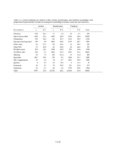
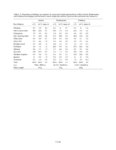
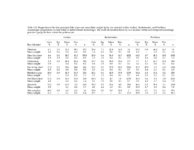
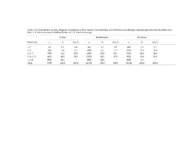
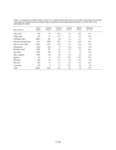
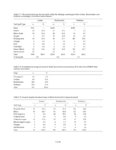
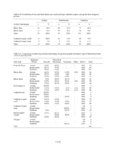
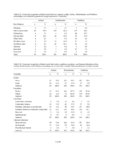
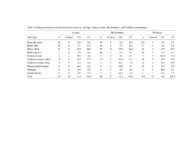
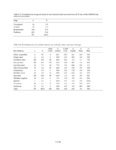
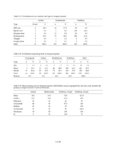
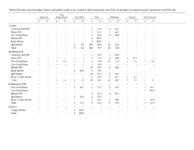
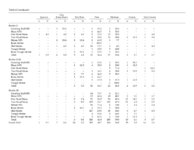
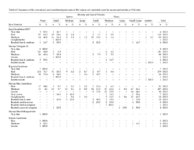
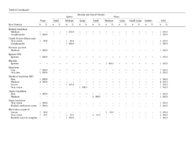
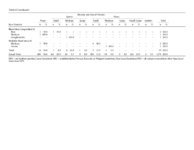
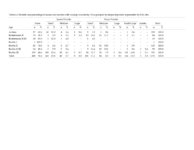
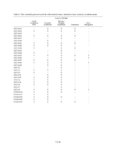
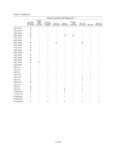
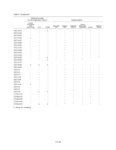
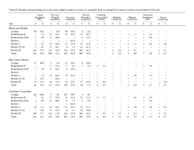
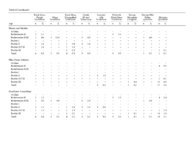
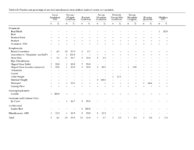
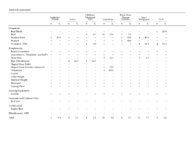
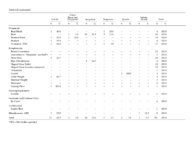
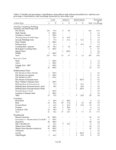
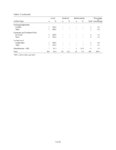
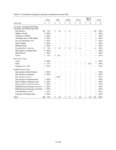
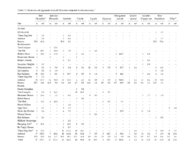
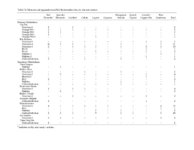
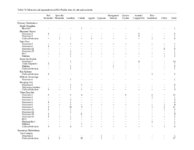
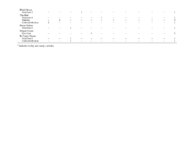
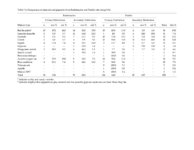
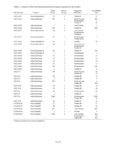
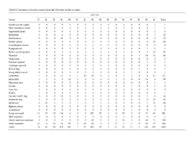
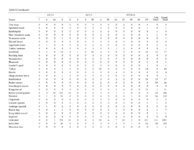
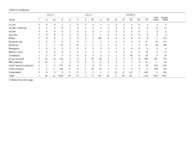
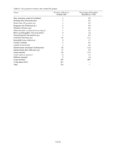
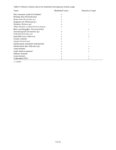
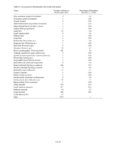
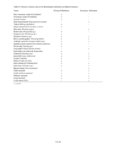
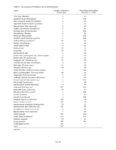
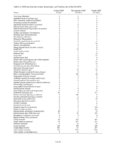
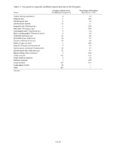
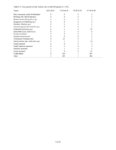
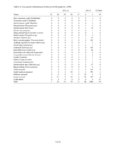
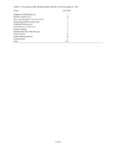
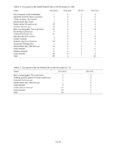
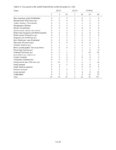
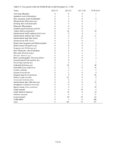
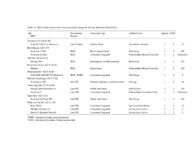
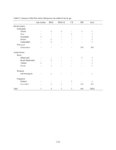
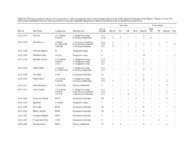
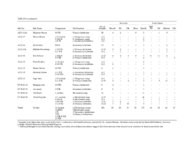
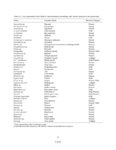
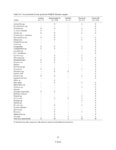
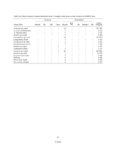
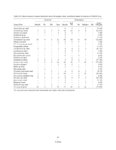
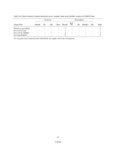
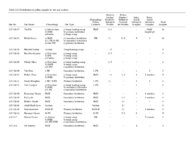
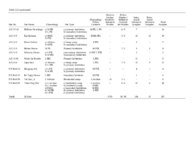
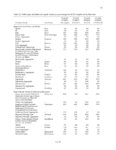
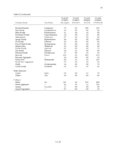
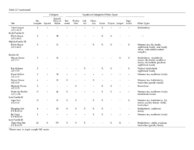
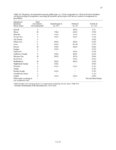
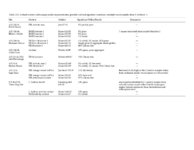
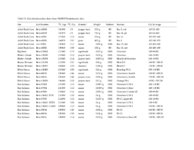
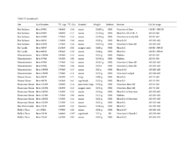
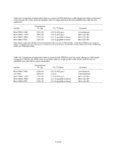
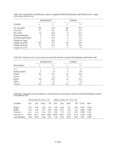
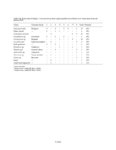
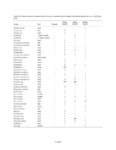
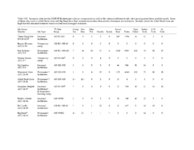
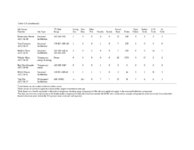
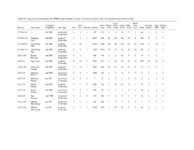
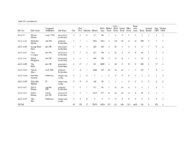
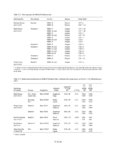
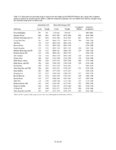
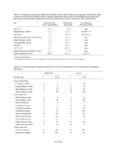
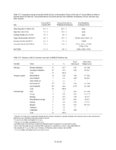
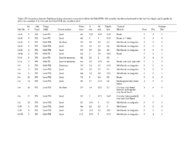
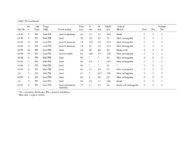
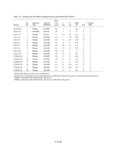
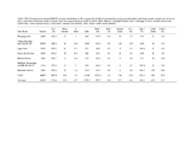
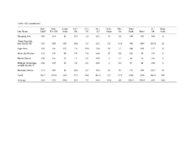
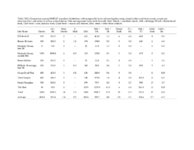
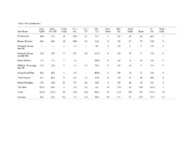
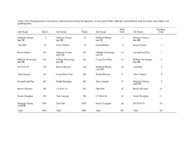
Show necessarily about the extent of reliance of food production. Evoking Romer's rule,6 some authors have argued that farming was adopted so as to maintain a foraging lifestyle (Wills 1988a:36)-it was a means to continue a traditional way of life under altered circumstances. Part and parcel with this argument is the assumption that domesticates diffused to the Colorado Plateau and were adopted by foragers. Even if crops came to the plateau with migrant farmers (Berry and Berry 1986; Matson 1991, 2002), the migrants still would have been reliant to some extent on foraged resources, because ultimately, as many have observed, farming on the Colorado Plateau is a risky endeavor. Surviving through bad years no doubt hinged upon gathered and hunted resources, and even during good years crops alone would not have sufficed. If for no other reason than dietary diversity, Basketmaker groups would have sought out plants other than their own crops. In any discussion of the role of foraged resources it is important to make the distinction between ecologically wild species whose abundance and productivity is basically outside the control or influence of humans and weedy or ruderal plants that thrive in farmed fields and around habitations (virtually any place disturbed by humans; Wetterstrom 1986:18-218). The former include such critical economic resources as pinyon and ricegrass whereas the latter include a host of annual plants such as amaranth, beeweed, goosefoot, purslane, and sunflower. Stiger (1977:47, Appendix B) was one of the earliest authors to point out that most of the wild plants common in the Anasazi diet came from disturbed areas such as fields, a pattern documented more fully by Minnis (1989) among others. Ford (1984:137) highlighted that one of the key benefits of farming on the Colorado Plateau was not just domesticates, but the weeds that proliferated in the fields: "cornfield agriculture, including the continued exploitation of old field perennials, increased the edible biomass of the area within the site catchment, increased the predictability of the yield, and improved the nutritional basis of the population." Bye's (1981) discussion of the dietary significance of field weeds among contemporary Mexican farmers can probably be projected backward in time to the Basketmaker occupants on the Colorado Plateau without much distortion. Foraging in farm fields differed from foraging on the land as previously practiced by Archaic populations. Many of the resources might have been the same, but the high residential mobility needed to access these resources on an annual basis was greatly reduced since they were now concentrated in areas that were already residential focal points. Farming in effect lowered the search costs (see Bettinger 1980:176-178; Simms 1984) for exploiting many "wild" resources and this may have been one of the principal side benefits and perhaps attractions of agriculture. Archaic populations on the Colorado Plateau may have practiced weed encouragement well before the introduction of agriculture (Winter and Hogan 1986:138), but for farmers, the encouragement of useful weeds would occur as a byproduct of agriculture practices, and would not require additional costs as it might for hunters and gatherers. Agriculture also may have resulted in the consumption of previously unused or underused plants in addition to the newly introduced crops. Also, some plants such as beeweed (Cleome spp.), groundcherry (Physalis spp.), and wolfberry (Lycium pallidum) may have been introduced from Mexico along with farming, and could thus have constituted new dietary additions (Yarnell 1965). Wetterstrom (1986:55-60) has provided various calculations on the potential productivity of field weeds around Arroyo Hondo, New Mexico based on the unpublished collecting data of Richard Ford. She was interested simply in the total potential productivity within the "catchment area" of the site and therefore did not calculate return rates. There are plenty of unknowns in this exercise but it drives home the point that there was far more of value in the Puebloan garden than simply the domesticates. Flotation samples from NMRAP Basketmaker sites document the use of such weedy taxa as goosefoot (Chenopodium sp.), purslane (Portulaca sp.), bugseed (Corispermum sp.), and pigweed (Amaranthus sp.), among other taxa (Table 14.7). Goosefoot is by far the most common seed recovered in the samples and the most ubiquitous potential food item overall within all samples, although maize is equally or more common when just samples from primary habitations are considered. The consumption of these and other weedy taxa is confirmed by the contents of human feces from the Rainbow Plateau (Table 14.8) and elsewhere (Aasan 1984; Androy 2003; Robins 2000), which attest to the importance of bugseed, amaranth, goosefoot, sunflower, groundcherry, and tansy mustard. Seeds are the most commonly identified constituents of feces and flotation samples but the leaves and stems from many of these plants were probably commonly consumed as field greens. The absence of maize in the Desha Cave feces is uncommon among Basketmaker II coprolite samples, where maize is present in significant 6 Named after Alfred S. Romer, a zoologist who first articulated it in 1933 (1954) with regards to the emergence of the land-dwelling animals (amphibians) from fish (Hockett and Ascher 1964). When considering the domestication process or the subsequent spread of domesticates, as in all aspects of evolutionary change, it can be useful to divorce present or latter-day utility from past function. V.14.18 |