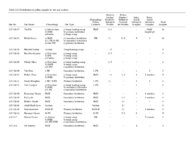
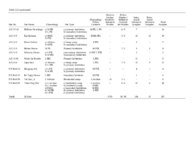
| OCR Text |
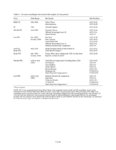
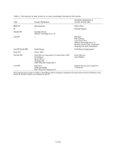
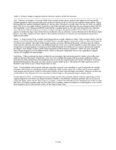
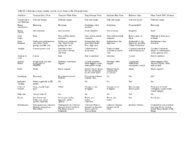
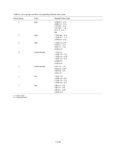
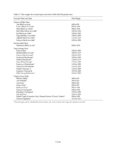
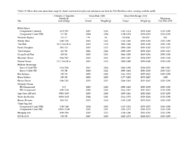
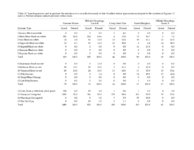
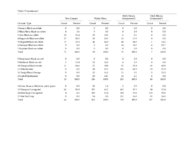
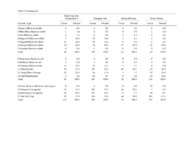
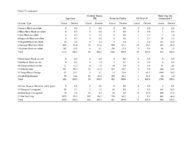
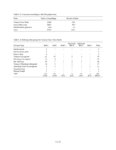
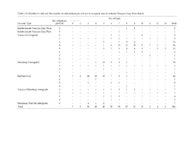
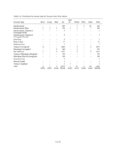
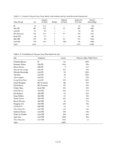
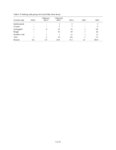
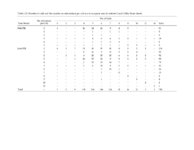
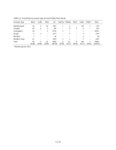
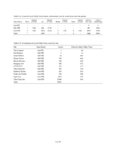
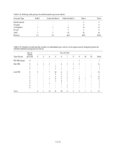
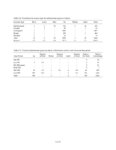
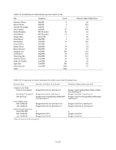
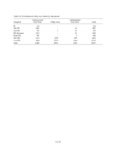
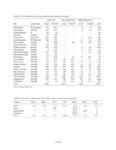
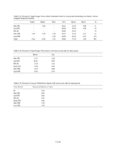
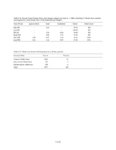
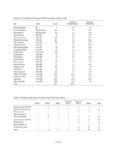
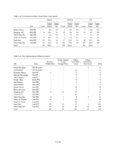
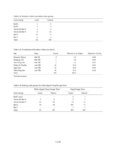
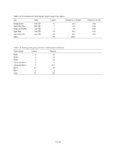
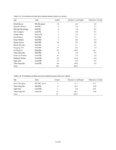
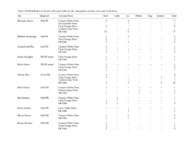
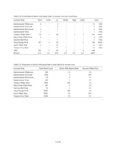
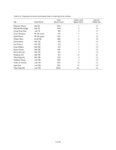
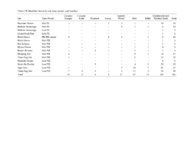
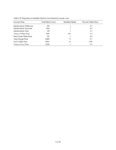
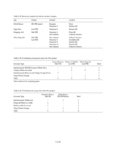
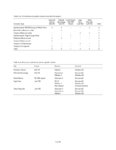
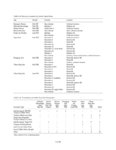
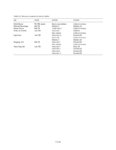
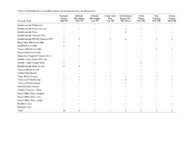
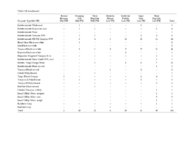
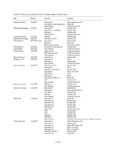
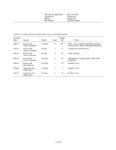
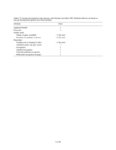
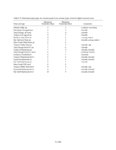
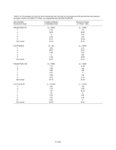
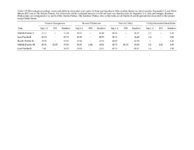
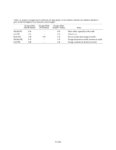
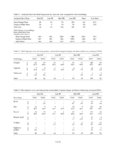
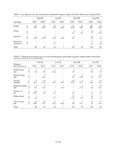
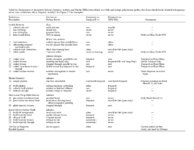
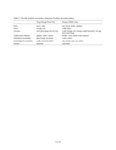
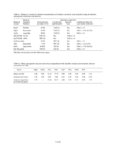
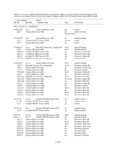
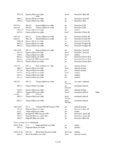
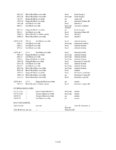
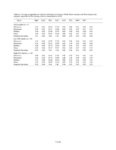
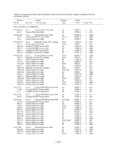
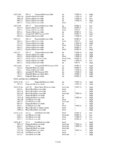
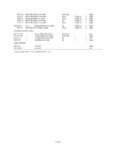
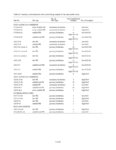
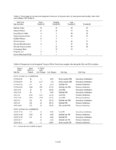
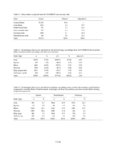
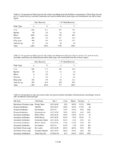
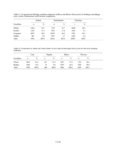
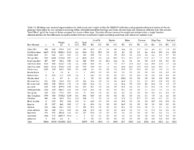
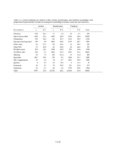
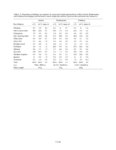
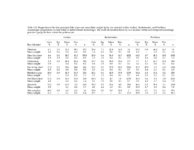
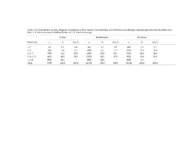
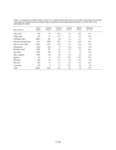
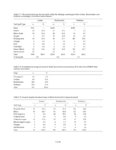
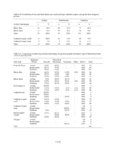
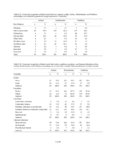
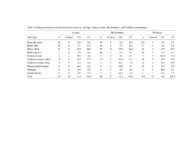
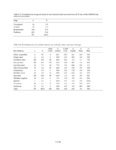
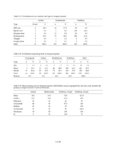
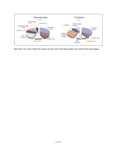
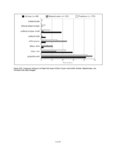
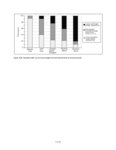
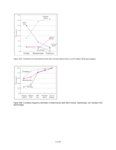
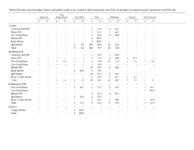
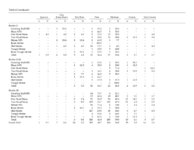
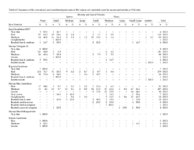
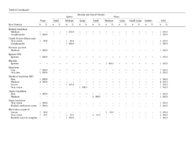
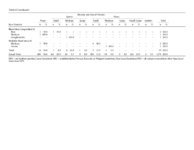
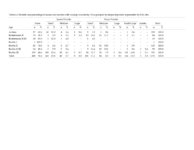
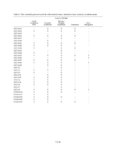
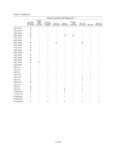
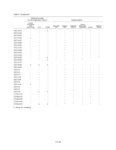
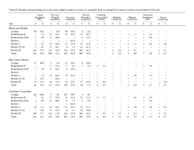
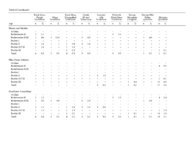
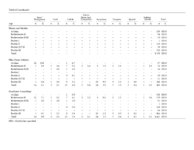
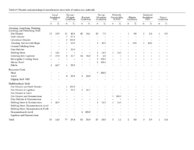
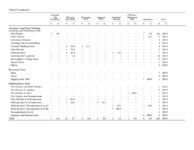
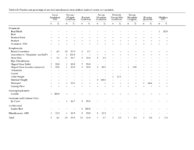
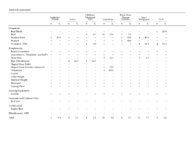
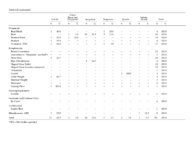
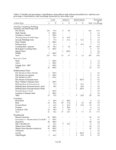
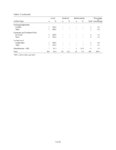
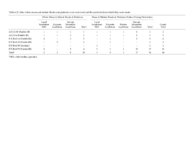
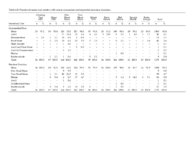
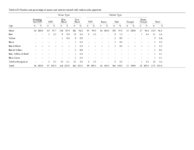
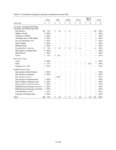
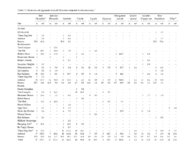
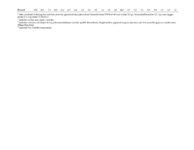
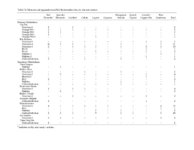
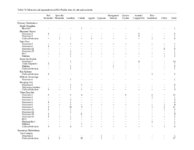
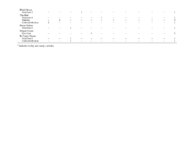
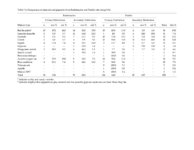
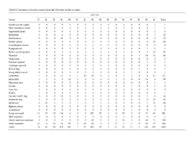
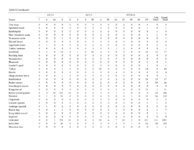
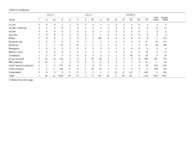
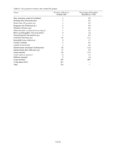
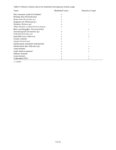
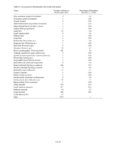
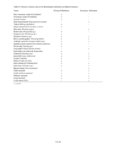
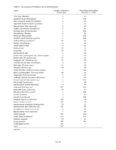
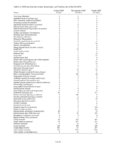
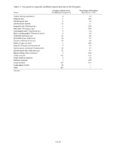
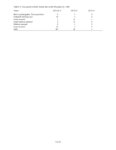
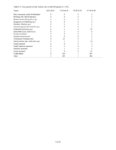
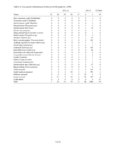
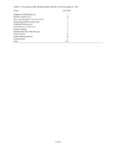
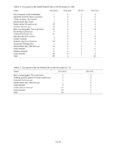
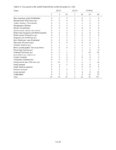
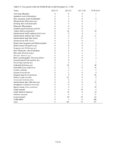
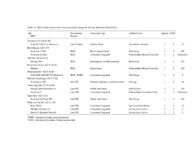
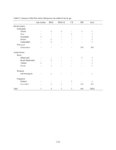
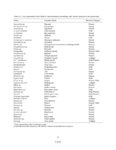
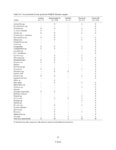
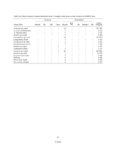
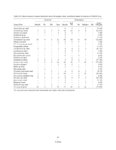
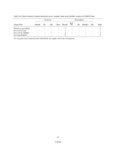
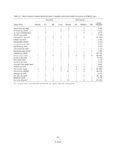
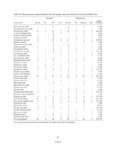
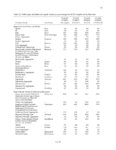
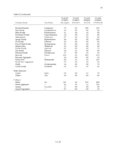
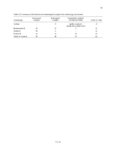
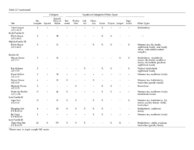
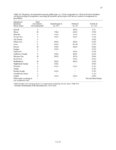
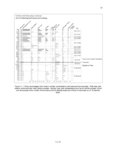
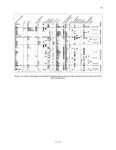
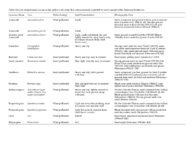
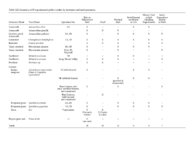
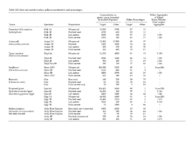
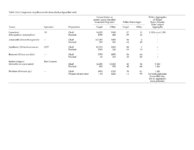
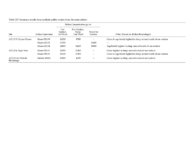
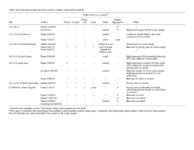
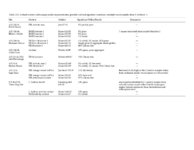
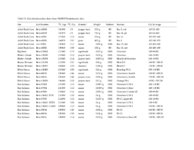
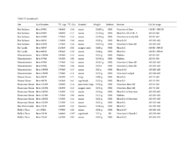
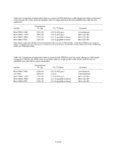
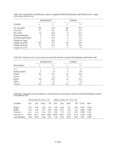
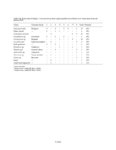
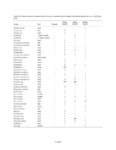
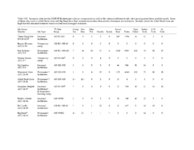
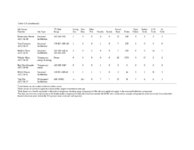
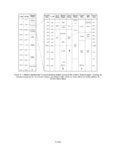
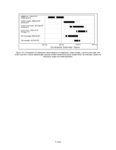
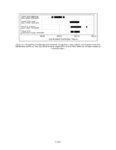
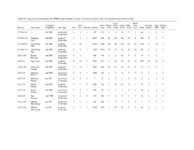
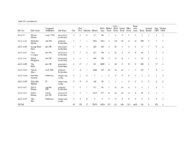
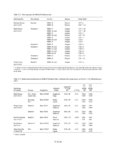
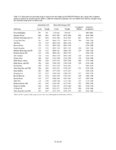
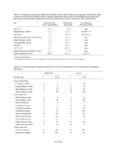
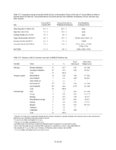
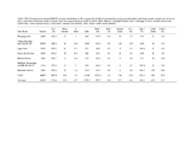
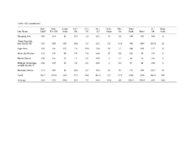
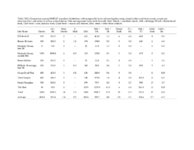
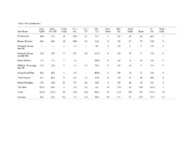
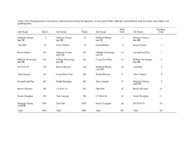
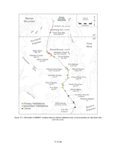
Show in the north-central section of the project area, and one site (UT-B-63-38) located near the two residential Archaic camps near the very northern terminus of the ROW. Table 8.4 shows the presence/absence distribution of faunal remains at these two functionally different site types. Table 8.4 shows that taxonomic diversity was considerably higher at the residential Archaic camps relative to the temporary Archaic camps. This may be a factor of sample size, as sites that are occupied longer and more intensively often have more bones (Grayson 1984), but it is also probably true that the taxonomic diversity is higher because more taxa were procured by the residents at the more permanent camps during the longer duration of their occupations. It is also worth pointing out that both of the residential camps are Late Archaic in age, with the Late Archaic components at Three Dog Site having been deeply buried. Preservation factors may thus play an important part in the patterning between site types as the faunal remains at the Early Archaic sites were invariably poorly preserved and consisted of small fragments. Cottontail, jackrabbit, deer, and unidentified remains were all abundant at the temporary Archaic period camps (see Table 8.2). It is interesting to note that pocket gophers were absent at the residential Archaic camps, which is somewhat surprising given that these camps tended to attract a wide array of intrusive (and hungry) rodents, especially pocket gophers. Other intrusive rodents (pocket mice) were present at the residential Archaic camps but not at the temporary camps. Both assemblages (residential and temporary), however, suggest that Archaic residents of the N16 project area fit the "generalist" assignation illustrated by Jennings's (1968, 1973) Desert Archaic model. In that model, a generalized subsistence strategy is one in which people exploit a wide variety of the available subsistence resources and do so proportionally. This was indeed the case at N16 Archaic sites. The Basketmaker Period Ten of the N16 sites or site components had Basketmaker period components (see Table 8.1), spanning the interval from ca. 400 cal. BC to cal. AD 500, including one habitation that is considered transitional between Basketmaker II and Basketmaker III (AZ-J-14-38) based on its artifact assemblage and architectural style (see Chapter 10 of Volume III). The Basketmaker sites are spread throughout the extent of the N16 corridor, but most are concentrated along the high divide between Piute and Navajo Canyons that connects the Shonto and Rainbow Plateaus. This is an area of dense pinyon-juniper woodland. Table 8.5 shows the distribution of taxa (n = 18) present at all Basketmaker period sites on the N16 project, and shows the percentage of these taxa in the identified assemblage. Identified remains are dominated by cottontail (Sylvilagus sp.), with pocket gopher (Thomomys sp.), deer (Odocoileus sp.), and unidentified small, small-medium, and large-sized mammals also playing an important role. Relative to the earlier Archaic period assemblages, the Basketmaker assemblages show a greater diversity of taxa, more reptile, bird, and carnivore remains, and a clear domination of cottontail remains. Site types identified from the Basketmaker period consist of temporary camps from which no faunal remains were recovered, primary habitations (AZ-J-14-13, -17, & -38, and AZ-J-3-8), three of which produced faunal remains, and secondary habitations (AZ-J-14-12, -21, -31, -34, -35, -36, & -37, AZ-J-3-6, and UT-B-63-39), of which all but one (AZ-J-14-21) produced faunal remains. Table 8.6 shows the presence/absence distribution of faunal remains at the two functionally different Basketmaker site types that produced faunal remains; temporary camps are excluded because of a lack of remains. As at the Archaic period sites, taxonomic diversity was considerably higher at the Basketmaker habitations than at temporary camps (see Table 8.6), where no faunal remains were recovered from excavated deposits. This may be a factor of sample size, as sites that are occupied longer often have more bones (Grayson 1984), and taxonomic diversity is probably higher at the more permanent camps during the longer duration of their occupations. It is interesting that the taxonomic diversity is higher still at the primary habitations relative to the secondary habitations. Cottontail (Sylvilagus sp.), jackrabbit (Lepus californicus), deer (Odocoileus sp.), and unidentified mammal remains were all identified at the secondary habitations (see Table 8.6). There was a greater variety of birds (including a single turkey bone), reptiles, and carnivores at primary compared to secondary habitations. Bighorn sheep (Ovis canadensis) remains were identified at one of the secondary habitations, which may simply be a function of site location. Despite these subtle differences, however, the Basketmaker assemblages from primary and secondary habitations suggest that these early farmers in the N16 project area continued to fit the "generalist" mode of subsistence first visible in the Archaic period. Basketmaker residents of the N16 project area continued to rely on a generalized hunting strategy, and they proportionally (except for the extreme domination of cottontail remains) exploited a wide variety of the available subsistence resources. The Pueblo Period Seventeen sites of the N16 project dated to the Pueblo period, or at least had Pueblo components (see Table 8.1). These sites, which date from middle Pueblo II (roughly AD 1050-1100) through late Pueblo III (ca. AD 1260-1270), are located throughout the project area. Many of the Pueblo period sites were constructed at locales that were used in the Archaic period, the Basketmaker period, or both. As with the V.8.3 |