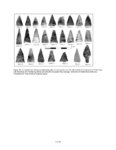
| OCR Text |
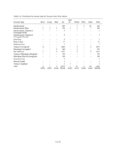
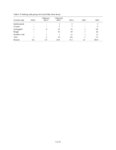
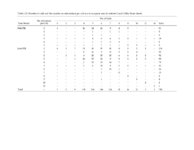
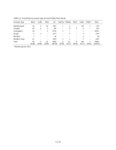
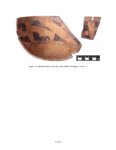
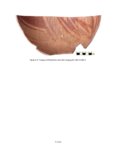
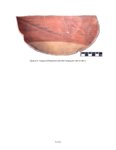
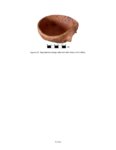
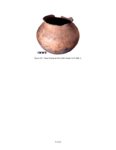
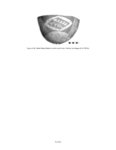
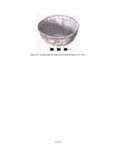
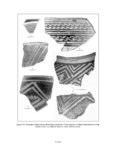
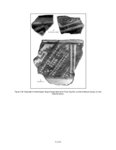
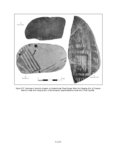
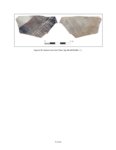
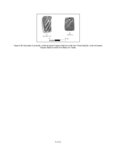
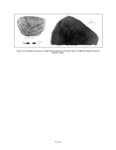
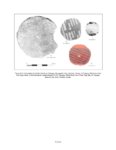
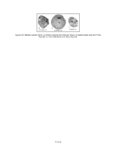
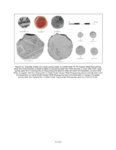
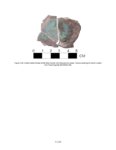
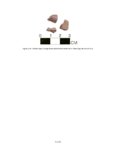
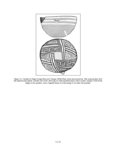
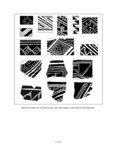
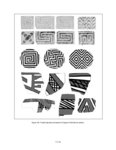
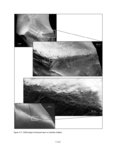
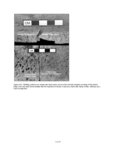
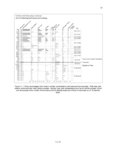
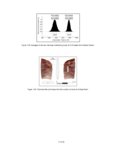
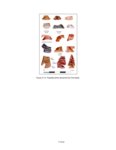
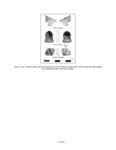
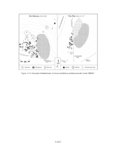
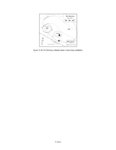
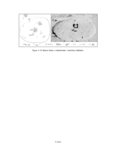
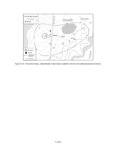
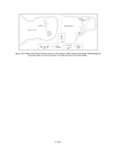
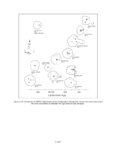
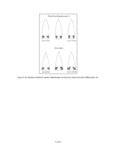
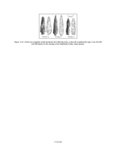
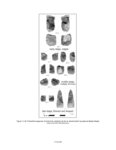
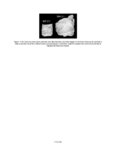
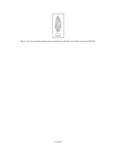
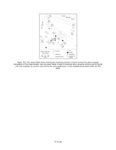
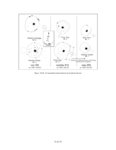
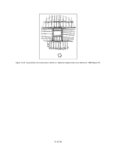
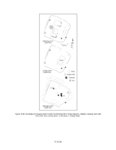
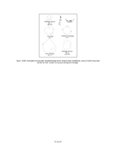
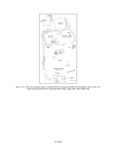
Show change enough over time to provide another line of evidence for chronological placement of individual or groups of bowl rim sherds. In contrast, utility ware jar rim shapes do appear to have changed regularly (see previous chapter). The amount of red slip on Tsegi Orange Ware bowl rims is a promising feature for future study, but no simple formula for decreasing slip over time is likely to predict an accurate date. The reintroduction of full exterior slip on many Kiet Siel Black-on-red and Polychrome bowls in the late Pueblo III period would preclude a simple linear relationship, but some combination of interior and exterior attributes may prove useful. Production and Distribution Whiteware and orangeware bowls have different materials and technologies, and visibly different systems of painted decoration, but similar vessel profiles and rim shapes. Differences are far more pronounced in Pueblo III period assemblages than in Pueblo II (see Beals et al. 1945). In Pueblo II, whiteware tends to have banded, paneled, and "orange peel" layouts. In the mid-PII period, whiteware has more diverse design elements that include more and larger solid shapes. In late Pueblo II, the Sosi and Dogoszhi styles present a narrower range of elements. These styles appear on both whiteware and orangeware. Sosi style elements (broad lines with barbs) on orangeware tends to have a narrower range of layouts, including "orange peel" and crossed orange peel, and crisscrossed bands, and they appear with parallel line sets, though a few sherds closely resemble classic Sosi style as defined for whiteware. Sosi Black-on-white has more all-over layouts structured by encircling bands, interlocking two- and fourfold sets of broad lines, and elongated triangles that wrap and interlock. Sosi Black-on-white lacks the parallel thin line sets common on Medicine Black-on-red and some Cameron Polychrome. Dogoszhi style on whiteware (Dogoszhi Black-on-white) and orangeware (Tusayan Black-on-red) is nearly identical. In Pueblo III assemblages, "orange peel" layouts continue in orangeware bowls, and offset-quartered layouts appear (Figure 3.6). Offset-quartered layouts appear on whiteware as well, where banded layouts re-appear, and orange peel layouts disappear. Pueblo III whiteware vessels have a much wider range of design elements; these are smaller, and more closely packed. Exteriors of whiteware bowls are almost never painted in the Kayenta tradition, but orangeware bowls often have broad red-on-orange bands that over time became more elaborate linear patterns. Overtly, then, the two wares have striking visual differences, from color to scale of designs, to layout, to different exterior treatment. But the two wares also have striking similarities. Some design styles, such as the Dogoszhi style, appear frequently on both wares (Tusayan Black-on-red and Dogoszhi Black-on-white). Some design styles cross wares rarely, but with some regularity. We identified fewer than 10 sherds of black-on-orange bowls that were painted in the Sosi style, for example. Some Kiet Siel Black-on-red and Polychrome designs look a lot like some Tusayan Black-on-white designs. Layouts of Dogoszhi and Sosi Black-onwhite designs seem very similar to those of Tusayan Polychrome, for example. Dogoszhi hatched ribbons and Tusayan Polychrome red ribbons often have similar sizes and shapes. If one views hachure as another way of producing color (Plog 2003) as well as imitating a twill texture in textiles or plaited basketry, the similarities are more striking. Small details are also similar in both wares: ranges of line widths and framing devices are shared across wares, although frequencies of these features often differ. All of this suggests that Kayenta area orangeware and whiteware potters shared an aesthetic at some level. Although they employed different materials, surface finishing techniques, paint recipes, and firing regimes, they probably used the same forming and thinning techniques. Shared ranges of design features suggest at least some regular interaction among potters. It still seems plausible that the same potters made both wares, and even more plausible that different potters in the same communities made the two wares and interacted, at least in some communities. It is also plausible that increasing diversity in the late Pueblo III period assemblage reflects reorganization of production by that time. Evidence presented in the next chapter suggests that some potters specialized in the production of ash-tempered whiteware, probably south of the study area along the western and northwestern flanks of Black Mesa. Likewise, the emergence of sand-tempered orangeware in the N16 study area, and increasing frequencies of large undecorated Tsegi Orange bowls, suggests local changes and perhaps specialization in more expediently produced orangeware in the northern end of its range. In short, the hypothesis that potters south of the study area made only whiteware, and potters in the study area made only orangeware, and the two wares moved about via exchange, is not upheld. But neither is it refuted. Spatially specific production may have occurred, but not exclusively. We can say with some confidence that no Tusayan White Ware was produced in the north, that there was some experimentation with locally produced whiteware in the north, especially in the Pueblo III period (previous chapter), and that a great deal of orangeware was produced in the north. But we also know V.3.7 |