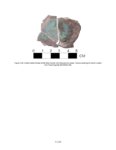
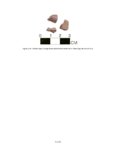
| OCR Text |
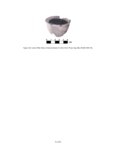
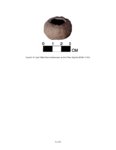
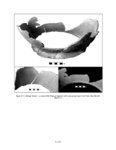
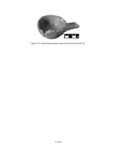
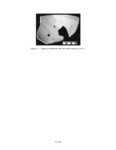
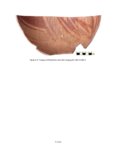
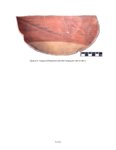
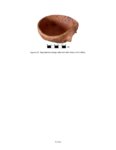
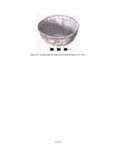
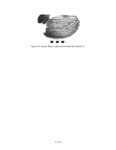
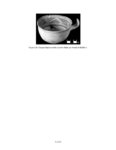
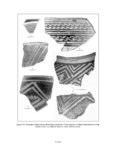
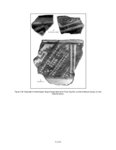
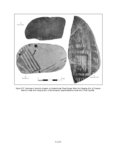
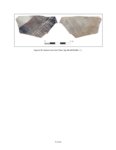
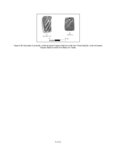
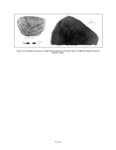
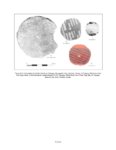
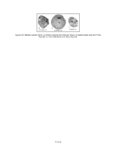
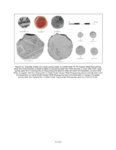
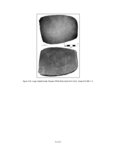
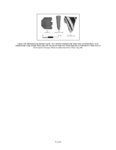
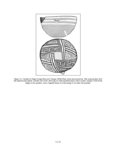
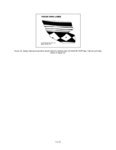
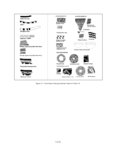
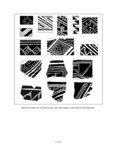
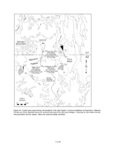
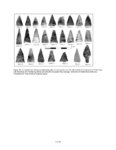
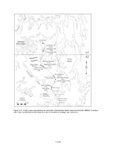
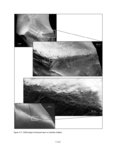
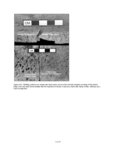
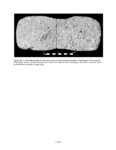
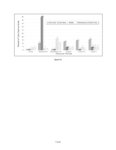
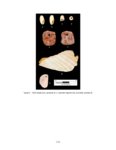
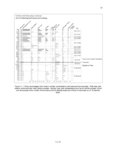
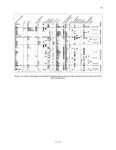
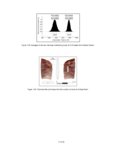
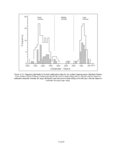
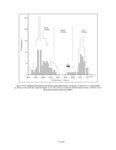
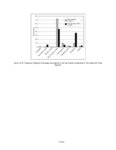
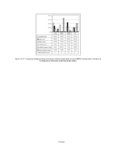
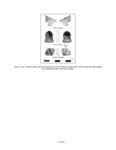
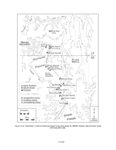
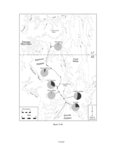
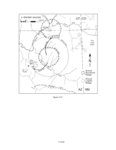
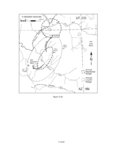
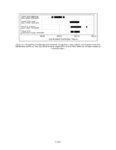
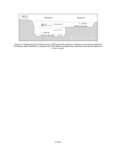
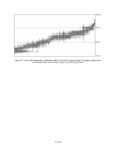
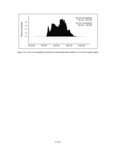
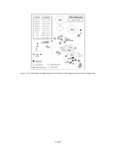
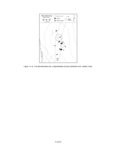
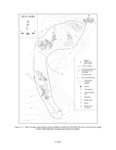
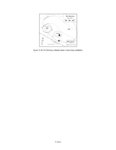
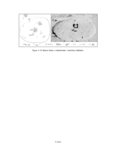
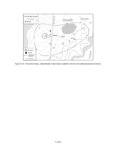
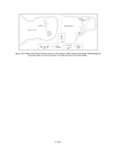
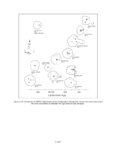
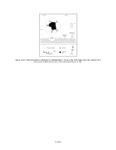
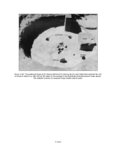
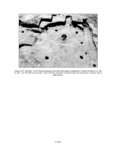
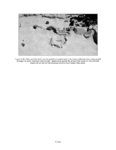
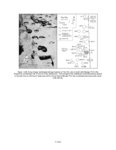
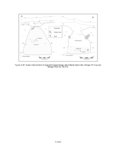
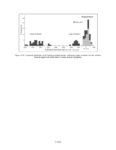
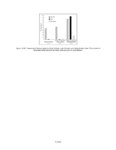
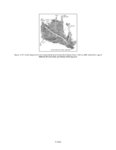
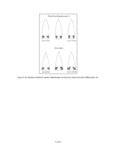
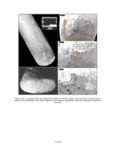
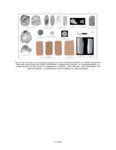
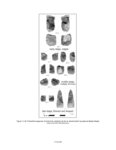
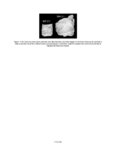
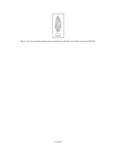
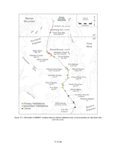
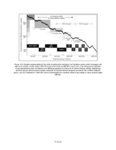
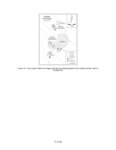
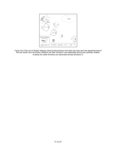
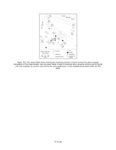
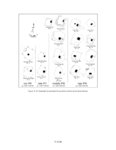
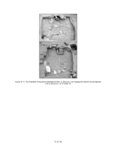
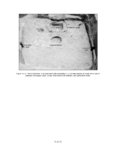
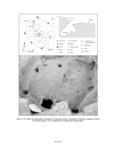
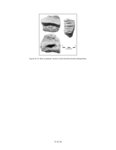
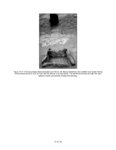
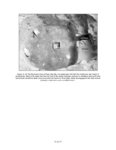
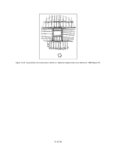
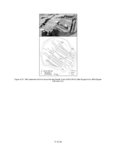
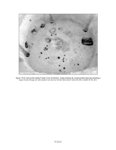
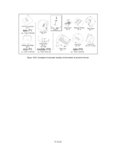
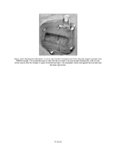
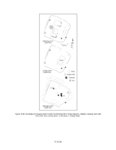
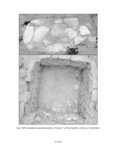
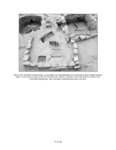
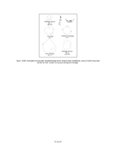
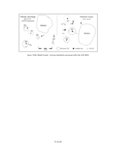
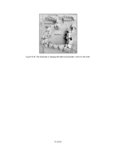
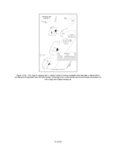
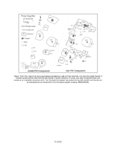
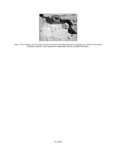
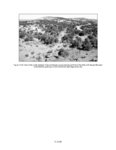
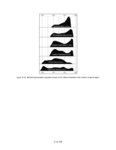
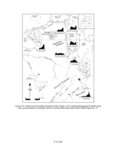
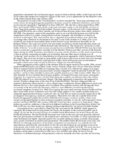
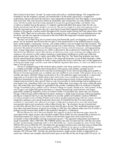
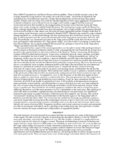
Show produced by phreatic eruptions, wherein magma encounters groundwater as it rises and the explosive eruption above the magma-water contact results in a depression surrounded by a ring of ejected material (Ort et al. 1998:44-45). These rings often encompass lakes but quickly erode into low-relief landforms that are covered by sedimentary deposits. Notably absent in the volcanic field are large deposits of cinders, lapilli, or ash. Bedrock in the study region consists of sedimentary formations that provide clays and sandstone suitable for use as ceramic paste and temper, but minimal volcanic resources (Cooley et al. 1969). Clays suitable for ceramic production derive from the Chinle and Morrison Formations, the Mancos Shale, and some formations within the Mesa Verde Group (Cooley et al. 1969: Plate 1; Geib and Callahan 1987). Lowiron clays necessary for producing whiteware ceramics are restricted to the southeastern Kayenta area, primarily on the flanks of Black Mesa and to the north in the Chilchinbito area. Iron-rich clays useful for manufacture of orange- and redwares are more widespread, occurring in canyons south and east of Navajo Mountain as well as north of Black Mesa. Volcanic Ash from Blue Canyon Given this regional geologic setting, with limited distribution of volcanic landforms, the source of the volcanic ash used as ceramic temper by prehistoric potters should be identifiable. Volcanic ash is defined as fine pyroclastic material, less than 2 mm in size, of varying chemical composition, which typically occurs in an unconsolidated form (Nations and Stump 1981:162). The morphology of the volcanic ash temper as revealed under the microscope and in petrographic thin section verified its derivation from an unconsolidated deposit rather than a tuff or pumice (Geib and Callahan 1987:98). In their search for potential sources of the ash temper, Geib and Callahan obtained a sample of volcanic ash from Blue Canyon, south of Black Mesa, from Dr. Richard Hereford of the USGS in Flagstaff. This material appeared morphologically and petrologically similar to ash used by prehistoric potters. Blue Canyon is one of several drainages that merge to form Moenkopi Wash, carrying runoff and sediment from the western portion of Black Mesa. The canyon is named for the striking coloration of the Mancos Shale exposed in the drainage. The volcanic ash deposit in Blue Canyon appears as a prominent horizontal white layer exposed high on the slope of the canyon (Figure 4.1). Intermittent outcrops of the ash cover an area at least 1.4 km in length, visible on both sides of the canyon. The ash reaches a maximum thickness of 2.6 m, but in several locations it pinches out at a steep angle, probably resulting from deposition within a drainage or other well-defined topographic depression. The ash bed is massive but exhibits fine, nearly horizontal bedding. Visually the deposit lacks obvious inclusions but microscopic examination of the ash reveals grains of fine quartz sand, feldspar, and dark monoclinic minerals, possibly hornblende or allanite. The lower portion of the ash deposit exhibits only sparse, very small mineral inclusions. Rounded quartz and feldspar grains are rare, suggesting that this layer represents an in situ air-fall deposit. The thicker upper portion of the deposit contains more abundant inclusions, and relatively large, rounded quartz sand grains are more common. The angular feldspar and dark monoclinic mineral grains are likely phenocrysts associated with the ash, but the rounded quartz and feldspar grains were probably mixed with the ash as it was redeposited into drainages and other depressions on the landscape soon after initial accumulation. The ash is directly overlain by unconsolidated to semiconsolidated, well-sorted alluvial gravels, likely Pleistocene in age, although no alluvium is designated on the geologic map of the area (Cooley et al. 1969: Plate 1). In hand sample, the Blue Canyon ash is dense but light and chalky, and ranges from soft and powdery to quite compact and blocky, depending on the exposure and extent of weathering. The ash is bright white to slightly grayish or bluish, and in areas where water regularly drains over the deposit, it is covered by a thin rind of brownish silt. The ash consists of extremely fine angular glass shards, and even well-consolidated chunks leave a fine powdery residue on the hands. The small ash grains are not visible to the unaided eye, but are clearly discerned at low magnification. Under the microscope (Figure 4.2), the ash appears as tri-pointed grains or, more commonly, as fragmented, crescentic, triangular, or needle-like shards and blocky pieces; the former are the thin walls between vesicles in the ash, the latter are fragments from the area where numerous vesicles converge. The ash shards vary in size across the outcrop, probably reflecting the degree of weathering and transport. Geib and Callahan (1987:98) noted identical structure in ceramic temper (Figure 4.3), and further noted that in some sherds the glass fragments are mostly blocky, whereas in other sherds the ash is dominated by crescentic or elongated triangular forms. Complete tri-pointed glass shards are rare in both the raw ash and the sherds. The angular shape of the ash particles makes it a superior temper material, producing tighter bonds within the paste than is possible with rounded temper grains such as quartz sand (cf. Neupert 1995). V.4.6 |