| OCR Text |
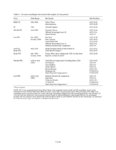
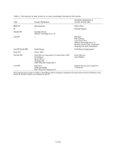
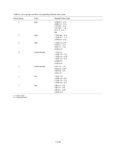
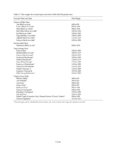
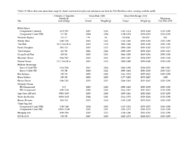
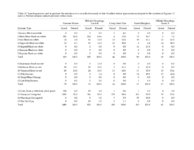
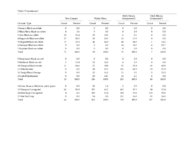
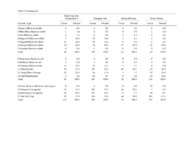
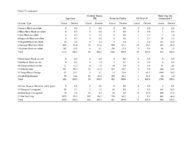
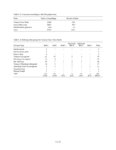
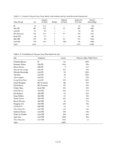
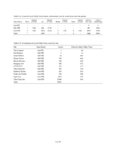
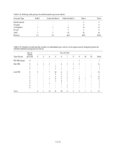
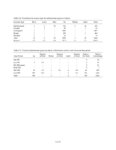
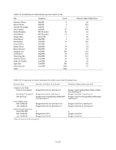
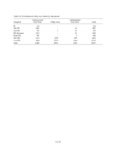
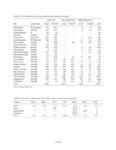
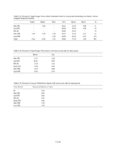
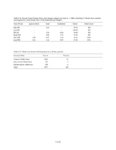
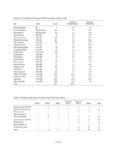
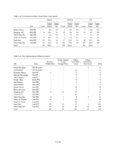
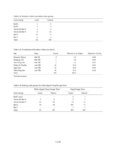
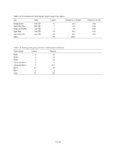
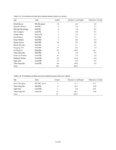
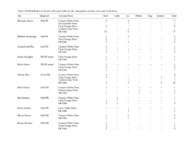
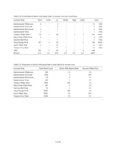
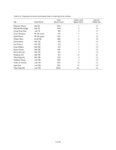
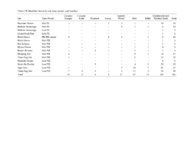
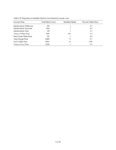
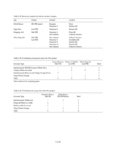
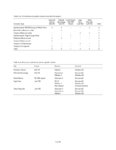
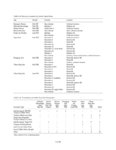
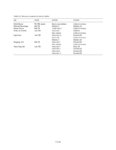
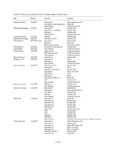
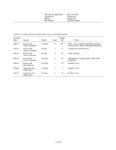
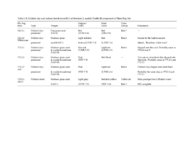
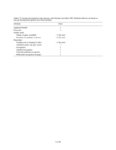
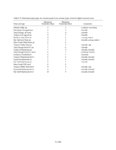
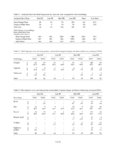
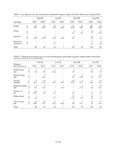
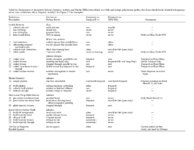
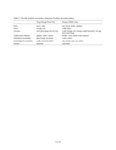
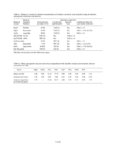
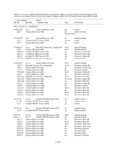
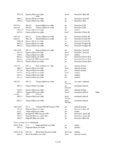
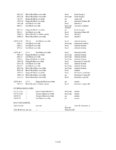
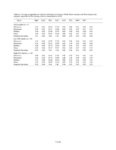
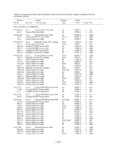
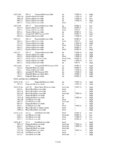
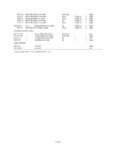
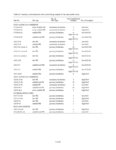
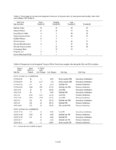
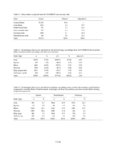
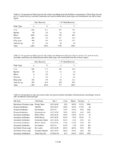
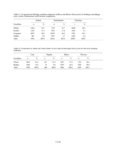
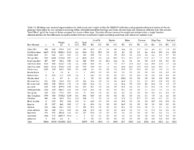
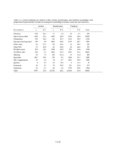
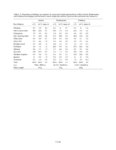
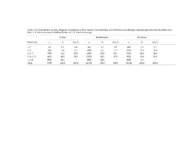
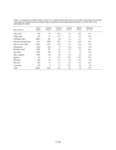
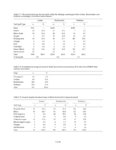
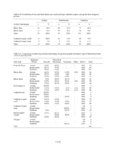
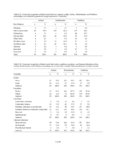
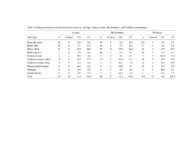
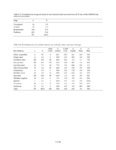
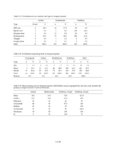
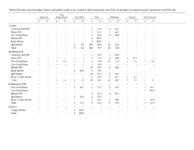
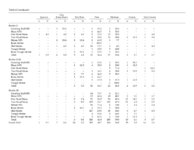
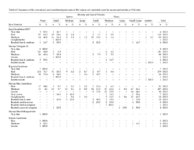
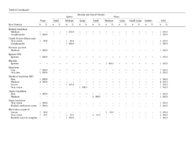
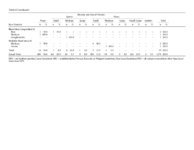
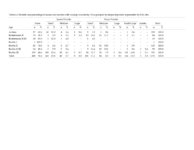
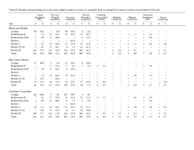
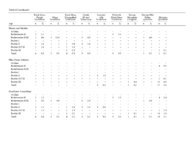
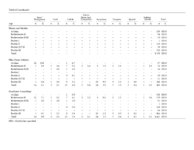
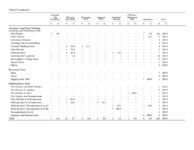
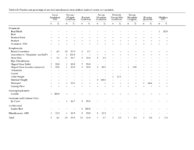
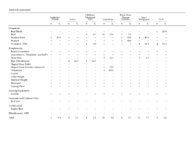
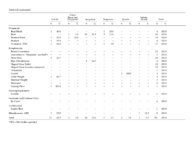
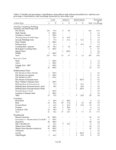
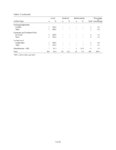
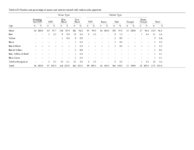
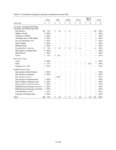
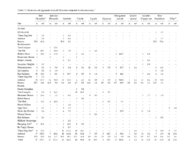
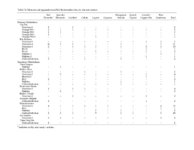
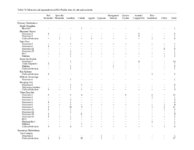
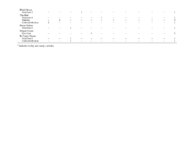
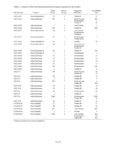
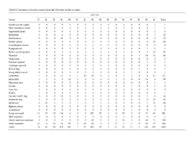
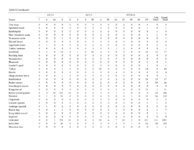
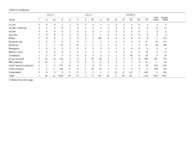
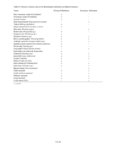
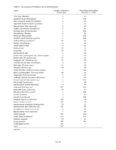
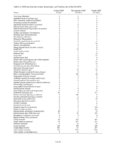
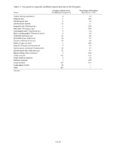
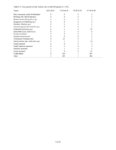
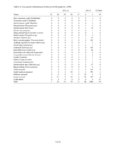
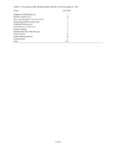
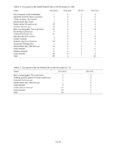
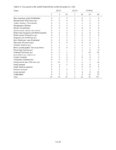
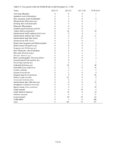
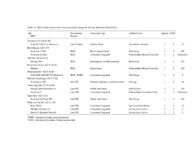
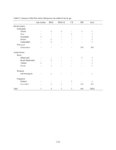
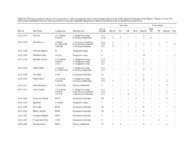
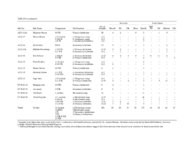
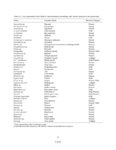
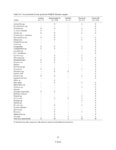
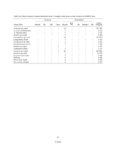
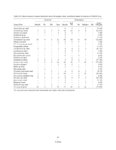
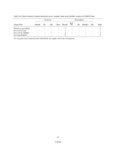
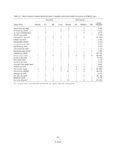
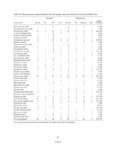
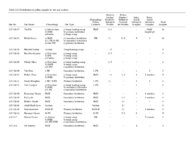
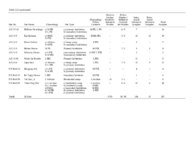
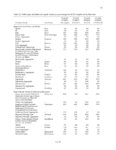
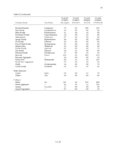
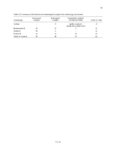
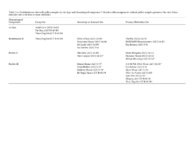
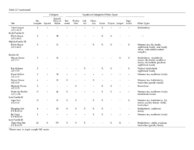
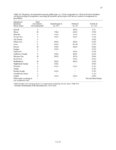
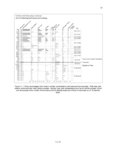
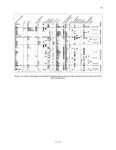
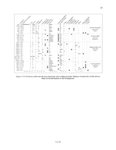
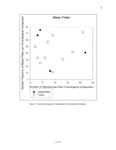
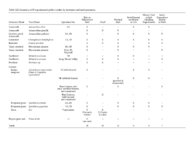
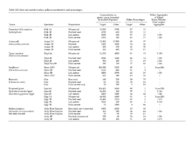
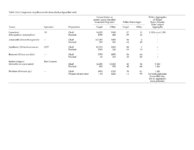
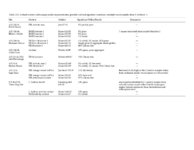
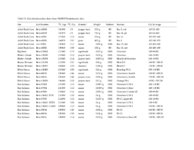
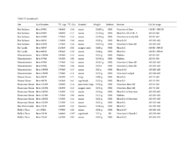
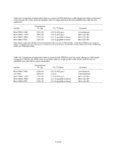
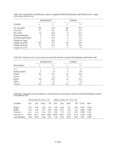
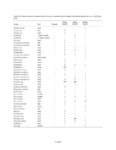
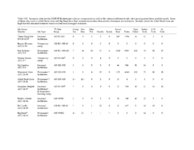
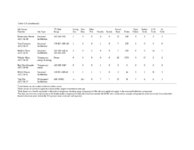
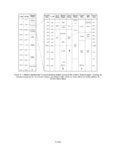
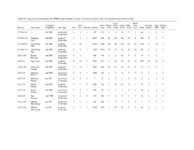
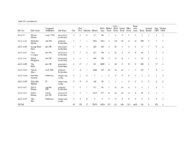
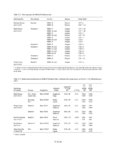
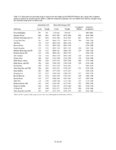
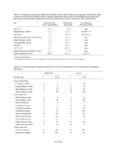
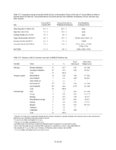
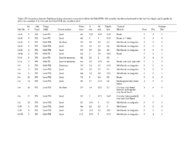
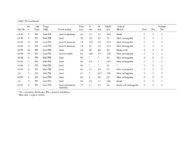
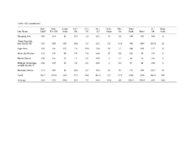
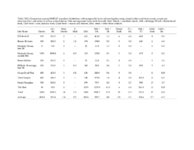
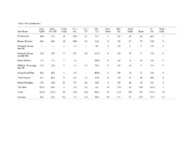
Show Chapter 8 FAUNAL REMAINS FROM THE N16 SITES Kari M. Schmidt Faunal bone has seldom been recovered in any abundance from prehistoric sites of the Kayenta region, a trend followed on the N16 excavations except for two notable exceptions. The focus of this chapter, and the emphasis of the faunal analysis overall, is mainly descriptive-documenting what animals were being exploited by prehistoric occupants of the northern Kayenta region. Nonetheless, there was some hope that the faunal bone could help to address questions formulated under a few broad and overlapping research issues subsumed under the domain of economic specialization. In particular, was there change through time in faunal exploitation that might correlate with the introduction of agriculture during the Puebloan period? And, did some groups specialize more in protein acquisition because of geographic propinquity to hunting areas or other factors? In total, 6032 whole and fragmentary animal bones were recovered from 31 sites in Segments 3 through 6 on the N16 project in northeastern Arizona and southeastern Utah. Excavations at 22 of these sites produced 100 faunal remains or less, whereas the remaining 9 sites produced larger assemblages, with two sites yielding more than 1000 bones (Table 8.1). Faunal assemblages from the N16 sites are grouped and discussed temporally because the excavated sites span the Early Archaic through the late Pueblo III periods. ANALYTICAL METHODS My role in writing this chapter was complicated by the fact that I was a late addition to the project and personally only handled faunal remains recovered from the five Segment 6 sites of the N16 ROW. The two prior faunal analysts (Karen Quambeck and John Goodman) had each analyzed remains from sites of separate segments: 7 sites of Segment 3 (Quambeck) and 19 sites of Segments 4 and 5 (Goodman). This task was complicated by the analysts using different formats, which precluded the creation of a unified database. Quambeck used the approach outlined by Klein and Cruz-Uribe (1984), which is well suited to calculating MNI but difficult to use for other tasks. She analyzed faunal remains from the first year of data recovery excavations, but then departed and Goodman was contracted to analyze faunal remains from the second year of data recovery excavations. He had his own analysis format, one used on previous projects, so this became the standard for the rest of the project and the one that I adopted for Segment 6. Goodman conducted the bulk of the faunal analysis, but then departed just before excavation of the Segment 6 sites. Obviously it would have been better to have had a single unified analysis approach and the same analyst throughout, such as occurred with the faunal analysis for Segments 1 and 2 of N16 (Bingham and Tratebas 1989). This is simply one of the issues that can occur when the fieldwork for a project is stretched out over several years (the BMAP provides a more significant example; Smiley and Powell 2002). The coding system and approach developed by Klein and Cruz-Uribe (1994) used for the Segment 3 analysis is widely available and is thus not detailed here except to say that the Segment 3 data are not entirely comparable with the data generated from Segments 4 through 6. The methods described in the remainder of this section specifically apply to the 24 sites of Segments 4 through 6 that yielded faunal remains, although much of the general approach was also true for the Segment 3 sites as well. All faunal remains were assigned to the lowest taxonomic level whenever possible. Genus and species identifications remained the ideal goal throughout the analysis, but were not always possible. Identifications were made using the comparative collections of the author, those at Northern Arizona University in the faunal laboratory of the Anthropology Department and the Laboratory of Quaternary Paleontology, and the University of New Mexico's Museum of Southwestern Biology Comparative Mammal Collection in Albuquerque. The comparative collections were augmented by osteological manuals when necessary (Cohen and Serjeanston 1996; Gilbert 1993; Lawrence 1951; Olsen 1964, 1968). The Segments 4-6 analyses followed standard zooarchaeological procedures (Grayson 1984), and recorded the following attributes for each individual bone: lowest taxonomic identification (e.g., class, genus, species), element (e.g., tibia, ulna), portion of element present (e.g., proximal, distal, complete), percentage of bone present (e.g., 5-10%), side (if able to be determined), fusion (e.g., fused, unfused, epiphyseal lines), presence and degree of burning, presence or absence of butchering marks, natural taphonomic factors (e.g., root-etching, weathering), alterations and break patterns (e.g., rodent or V.8.1 |