| OCR Text |
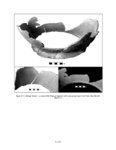
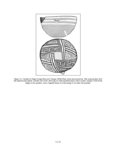
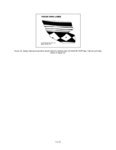
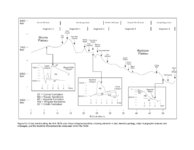
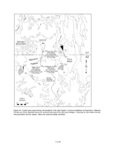
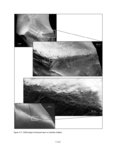
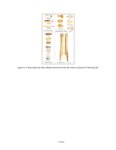
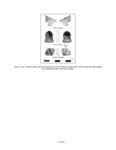
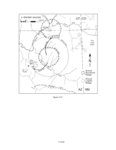
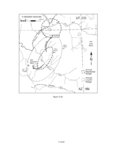
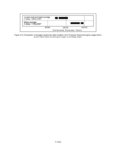
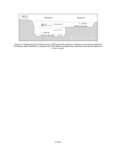
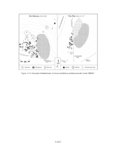
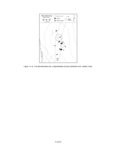
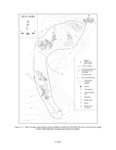
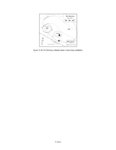
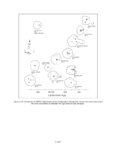
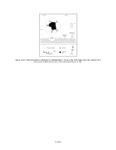
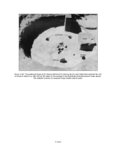
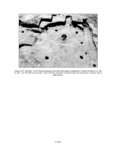
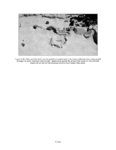
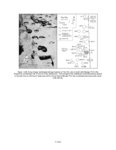
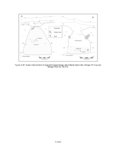
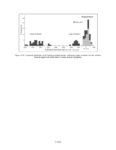
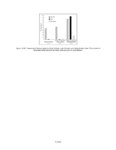
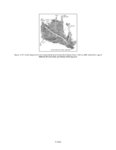
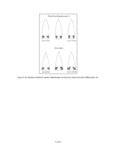
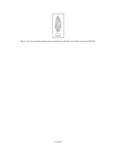
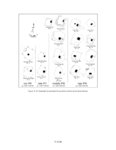
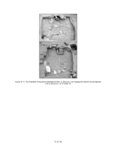
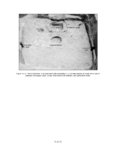
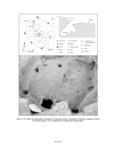
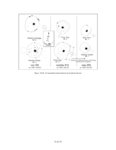
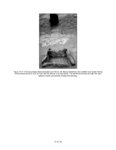
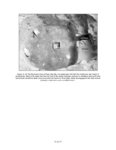
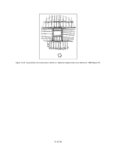
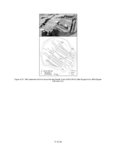
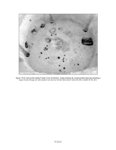
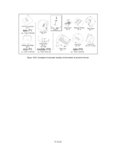
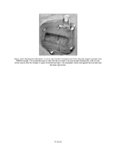
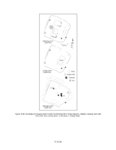
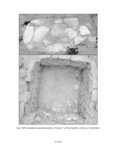
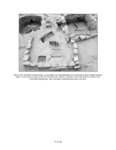
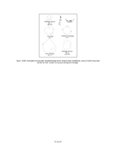
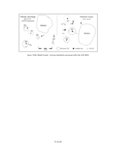
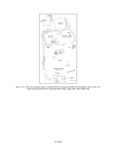
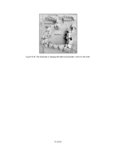
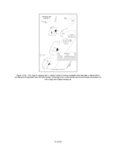
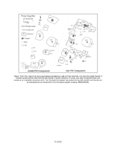
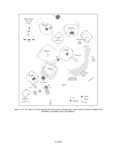
Show at the interior corners of this feature as seen for Structure 5 at Three Dog Site. The other two posts are along the interior wall past the midline as defined by a SW-NE line of bisection orthogonal to the ventilator-hearth-sipapu axis. This type of post arrangement allowed placement of SW-NE primary beams, in combination with large SE-NW secondaries to create a frame centered over the hearth and thereby an appropriately placed smoke hole. Setting the posts within the walls helped conserve valuable floor space, a practice that was common to Kayenta living rooms as well. Note that the Hillside Hermitage kiva had several postholes in a few positions along the wall including two slightly within the room interior, which suggests that the kiva roof was redone at one point with the wall expanded northward by about 50 cm. The posts and roof had been removed from all of the NMRAP kivas except for the Hammer House example. Because the Hammer House kiva had not burned the roof was not preserved; the posts, however, were preserved because their exteriors were carbonized, something that happened prior to placement in the kiva. The posts were all of juniper, which is also typical of Kayenta sites, perhaps because the wood is far less subject to insect damage and rot. Carbonization might have been done as a further preservative measure. The posts varied from 10 to 15 cm in diameter and had been sunk 34 to 55 cm below the kiva floor; the postholes for other kivas had similar depths. Unfortunately none of the posts in the Hammer House kiva could be dated because of moderately erratic growth. By extrapolating from examples of Kayenta kivas with preserved roofs, it is safe to assume that the four posts supported two large horizontal beams laid SW to NE over the pit as shown in Figure 15.20. Across these beams, and at right angles to them (SE to NW), would have been a series of secondary beams or poles, creating a square framework to support the roofing material. There would have been an entryway centered over the hearth to provide access via an interior ladder and to vent smoke. Sandstone slabs might have framed the entryway to provide additional support; several slabs in the lower fill near the floor above the hearth may have once served this function. Over the beam and pole framework would have been a layer of thatch, with grass, juniper bark, and brush over willows or reeds having been commonly used, covered with earth. Sandstone slabs likely flanked the roof hatch. The roof reconstruction figure is based on a late Pueblo II kiva excavated at Navajo Mountain originally presented 4 in Geib et al. (1985: Figure 57) and reproduced here with permission. A kiva excavated within the N21 ROW on the Kaibito Plateau at site AZ-K-25-24 presents an unequaled example of kiva roof construction for an open site (Figure 15.21). Here the roof had never been dismantled or burned but the hatch was left open, allowing the interior to fill with eolian sand such that the roof did not collapse inward but was gradually "let down" onto the fill, leaving the beams in their original placement. The kivas at Water Jar Pueblo and Sapo Seco may have served a predominantly utilitarian role, especially when compared to their counterparts at other sites such as the much larger and more formal version at Three Dog Site. Yet both contain loom holes and sipapus and their placement as the focal point of small plazas ringed by rooms of diverse functional roles tracks with Smith's (1952) argument for kiva identification. Moreover they, like most Pueblo III kivas of the Kayenta region, have very simple floor features compared to those of the Pueblo II structures. If kivas were being used for utilitarian as well as nonutilitarian purposes it is perhaps expectable that they might have numerous floor features, reflecting the necessary modification of space for the constantly changing roles. This is perhaps best reflected by the kiva at Hammer House which contained a large array of floor features (Figure 15.22), 72 in all, including a hearth, an ash pit, a large-volume storage pit, three possible sipapus, at least six loom holes that were in use at abandonment, more than 40 "closed" loom holes, a metate/anvil set in the floor, and ladder rests. There is also evidence for reuse and remodeling, including the patching of floor pits and depressions, sealing of abandoned pits, construction of new pits into old pits, reconfiguration of loom anchors, and possible remodeling of the ash pit. This indicates that the residents of Hammer House were highly dependent on the kiva as a dedicated living area and not just a ceremonial retreat, and that it acted as a sustained but evolving focal point for site activities. The Hammer House kiva might seem like it has an anomalously high number of floor features for a Pueblo II Kayenta kiva, but it is not without precedent, at least for more recent excavations. The kiva at site AZ-J-19-9, an early Pueblo III habitation (AD 1160-1200) on the Shonto Plateau, had 52 floor features (Schroedl 1989), including ladder rests, seven pot rests, three basin-shaped storage pits, 33 small, generally cylindrical pits, three "paho" holes, and a foot drum. A kiva (Structure 11) at site AZ-K-40-7 on the Kaibito Plateau contained even more floor features, 65 in all (Bungart et al. 2002), including many storage pits and much evidence for feature reuse and remodeling like at Hammer House. Tree-ring dates for the kiva at AZ-K-40-7 place construction at AD 1130, probably more than two generations after the 4 This illustration has appeared is several reports as a direct lift without any attribution of source, for example in Eck 1994, Figure 60. V.15.19 |