| OCR Text |
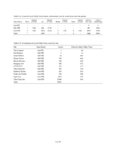
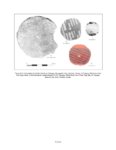
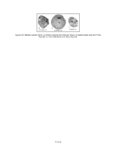
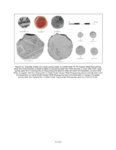
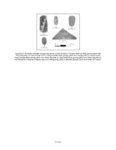
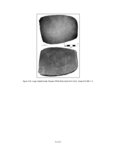
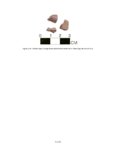
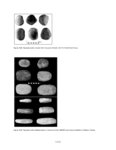
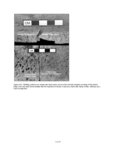
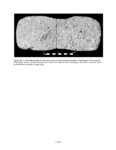
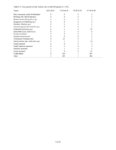
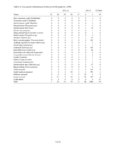
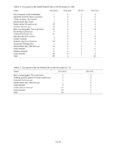
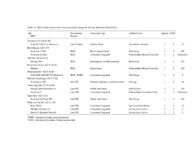
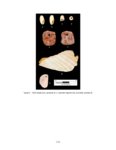
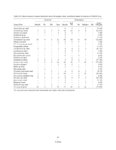
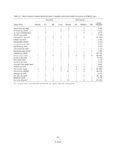
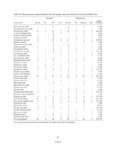
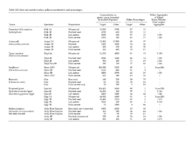
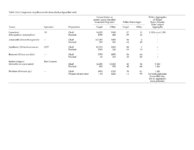
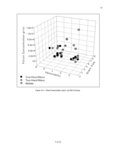
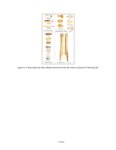
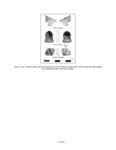
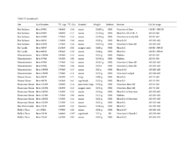
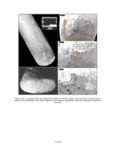
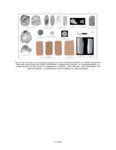
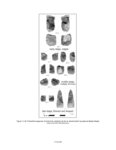
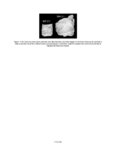
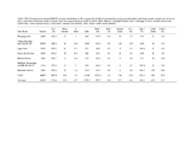
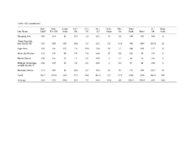
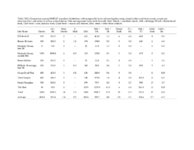
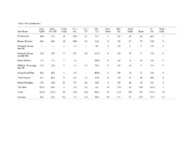
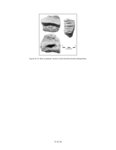
Show As discussed in the section on craft production and exchange, relatively few grinding tools appear to have been trade goods. The one clear exception is manos that were made of Navajo Mountain sandstone. Manufacturing debitage along with whole and broken blanks in various stages of production indicates that manos were being made at Three Dog Site during Pueblo III, possibly for the express purpose of trade. The presence of similar mano blanks and preforms without production debris at sites where this raw material was not local provides additional support for this possibility. Taken together with the distribution of beads, it seems that during Pueblo III the occupants of Three Dog Site were unlike many of their contemporary neighbors. The people at the site appear to have engaged in specialized production of manos made from Navajo Mountain sandstone and traded these with others in the region. The people of Three Dog Site also appeared to have greater access to beads, most of which were made from nonlocal raw materials and which could have easily been trade items themselves. Grinding Tools and Gender-Specific Activities Nearly 82 percent of the entire N16 grinding tool assemblage consists of manos and metates. Presumably manos and metates, along with some types of miscellaneous stone tools such as rectangular crushing stones, functioned primarily as food-processing tools. Nonetheless, there is abundant evidence that manos and metates were also used in many non-food-related activities, as has been previously discussed. Similarly, it has often been presumed that these tools were generally associated with the gender roles of women. Although probably correct, such assumptions have been made at times without critically analyzing ethnographic and archaeological data. Several aspects of social organization must be examined before linking manos and metates, and other artifacts, with gender-specific activities (Bruhns 1991). In an effort to avoid making unwarranted connections between certain grinding tools and genderrelated tasks, historical ethnographic accounts of Puebloan groups were reviewed. This review also helps to place the N16 stone grinding tools within a proper cultural perspective. It should also be pointed out that correlations between prehistoric tool use and gender-specific activities based on ethnographic accounts of historical pueblo people becomes more tenuous the farther we move back into the archaeological record. An overview of gender roles in the Hopi and Zuni cultures gleaned from ethnographic data has been provided by Lowell (1991). At the household level females were responsible for food preparation and males were responsible for food production in both cultures (Lowell 1991:452). Food preparation tasks included corn grinding and cooking, two activities that undoubtedly involved the use of grinding tools. Corn grinding was a fairly time consuming task, with one researcher estimating that every Hopi woman spent 3 hours per day grinding, beginning when they were about 10 years old (Dorsey 1899:741, cited in Christenson 1987:48; Woodbury 1954:64). Mexican and Central American cultures that use twohand manos and trough metates to grind corn have been reported to consume anywhere from 1.1 to 1.7 lbs of corn per person per day, requiring 3-5 hours of grinding to meet a family's daily needs (Morris 1990:188). In discussing the Hopi, Bartlett (1933:3) stated that "an average-sized family used one large bowl of cornmeal every day (about three quarts), and a supply of 10 to 20 bowls of meal was kept on hand for the days to come … extra quantities of meal had to be ground whenever a ceremony took place." This last comment indicates another important task, namely that Hopi women were responsible for preparing food for more than just their immediate family. The women of a household would prepare a feast for the village men when they harvested the women's fields (which the women owned and inherited), would bring food to men performing village maintenance, and on occasion would grind and cook for the chief at his house. Zuni women would also bring food for redistribution during ceremonies (Lowell 1991:456). Similarly, women at Cochiti pueblo held "grinding sessions" to prepare food before feasts and ceremonies (Lange 1969:117). A Hopi woman would also prepare food as a dowry for her husband's family. "It took the Hopi girl from 3 to 6 months, with the aide of her clanswomen, to prepare the proper amount of meal, which was given to her mother-in-law to pay for the loss of a man from her clan" (Bartlett 1933:4). From this ethnographic evidence it is clear that corn grinding and food preparation among Puebloan cultures-at least among the historical Hopi, Zuni, and Cochiti-was a gender-specific task performed by women. In fact, according to Ortman (1998:166) "there are no cases of daily, economic corn grinding by males in the southwestern ethnographic record." It has also been recorded that women were the owners of the food-grinding equipment (Bartlett 1933; Lange 1969; Titiev 1972; Woodbury 1954). Navajo women also owned these grinding tools and customarily gave manos and metates to their daughters when they got married (Kluckhohn et al. 1971:117, 119, cited in Russell 1989:678). Osteological data also indicate that women were the ones responsible for food grinding. Several skeletal studies of Southwest prehistoric populations have provided evidence of habitual corn grinding in V.6.33 |