| OCR Text |
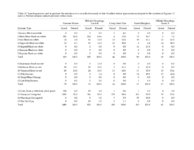
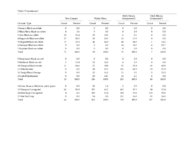
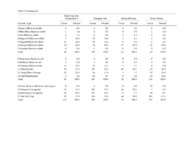
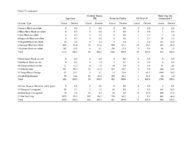
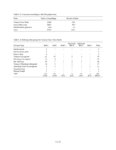
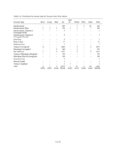
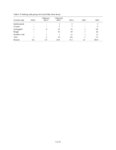
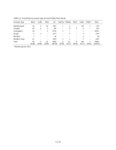
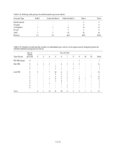
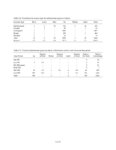
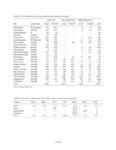
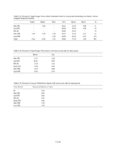
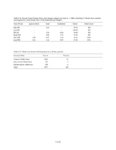
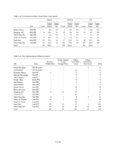
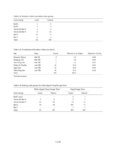
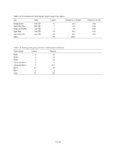
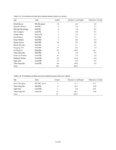
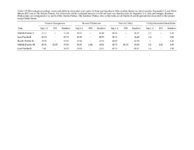
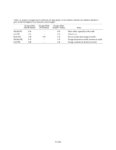
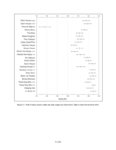
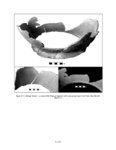
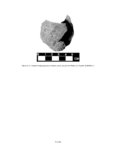
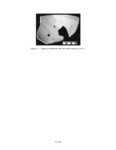
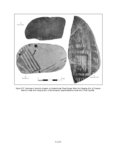
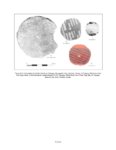
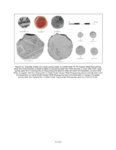
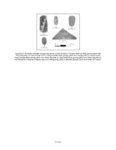
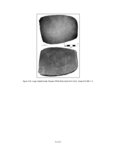
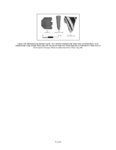
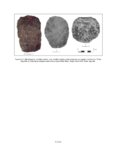
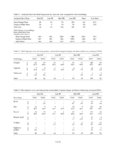
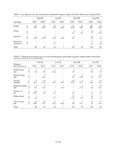
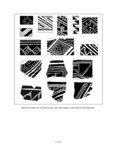
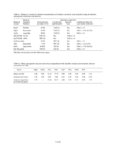
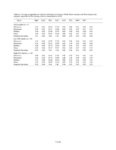
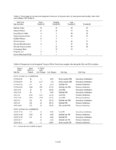
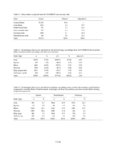
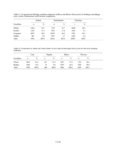
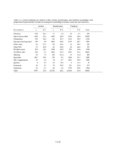
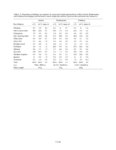
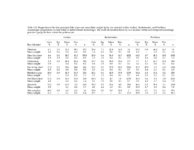
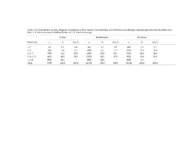
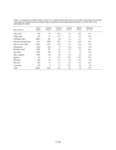
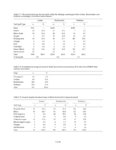
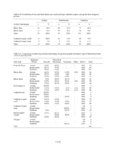
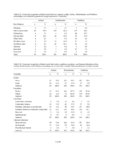
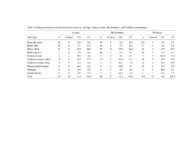
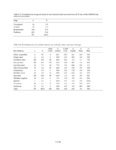
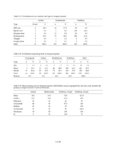
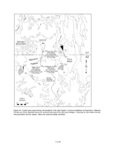
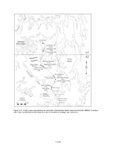
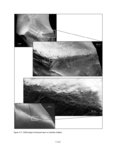
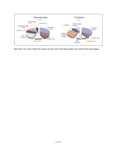
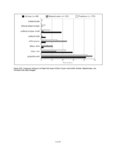
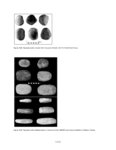
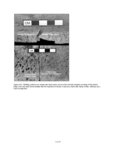
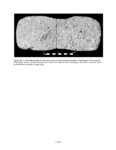
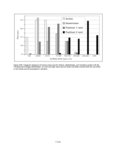
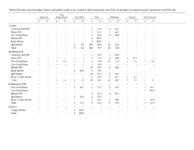
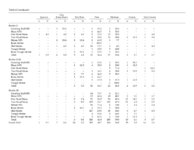
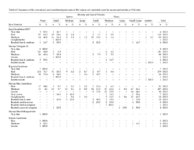
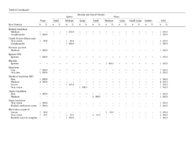
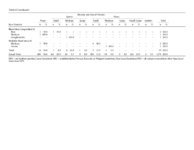
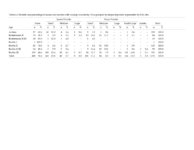
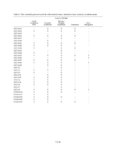
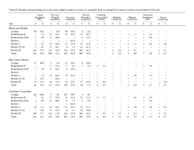
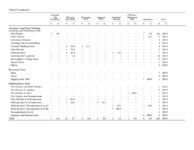
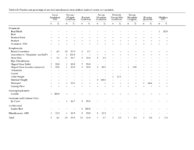
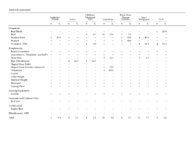
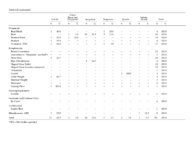
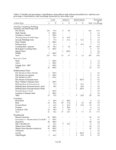
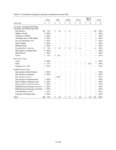
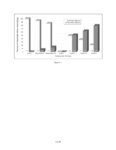
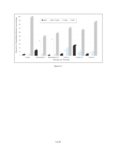
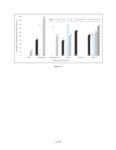
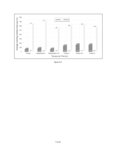
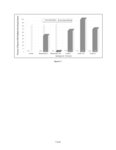
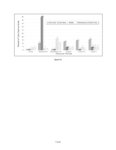
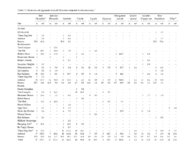
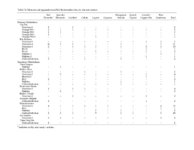
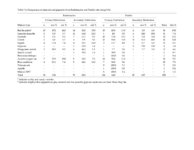
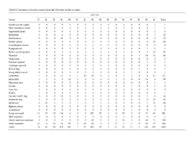
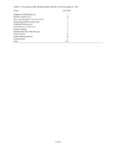
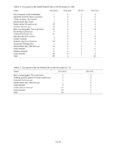
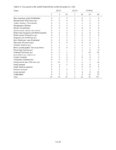
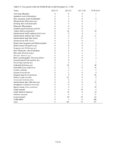
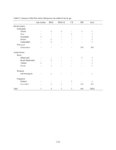
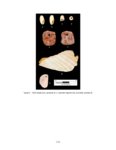
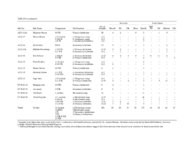
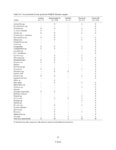
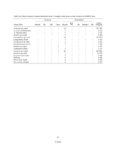
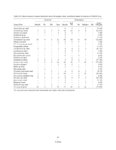
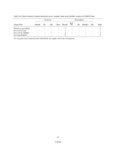
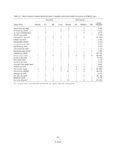
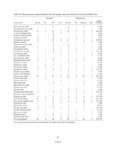
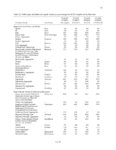
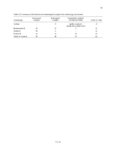
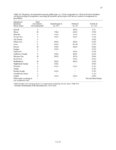
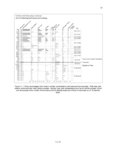
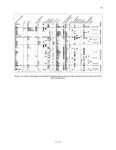
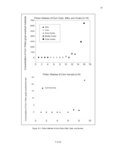
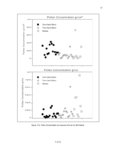
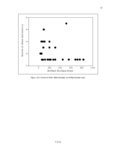
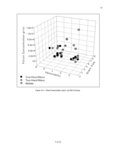
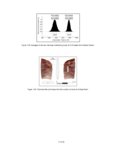
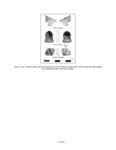
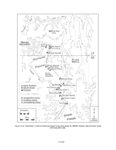
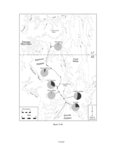
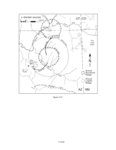
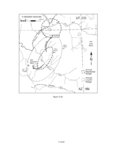
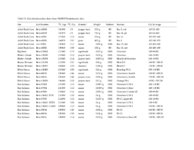
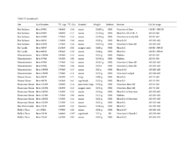
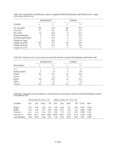
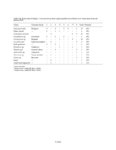
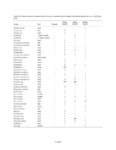
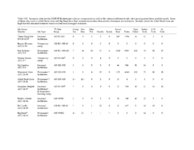
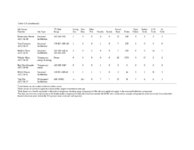
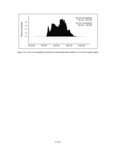
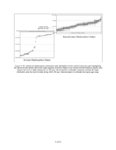
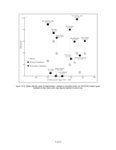
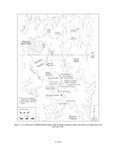
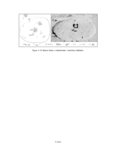
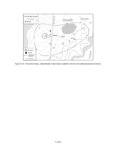
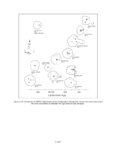
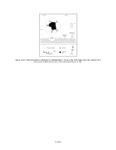
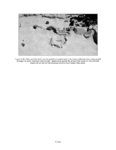
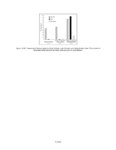
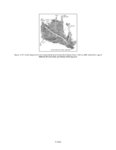
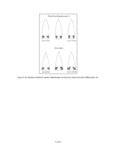
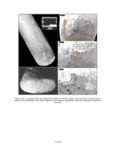
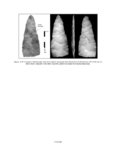
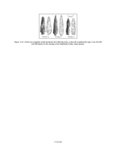
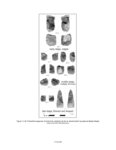
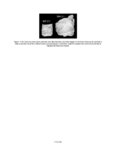
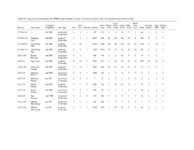
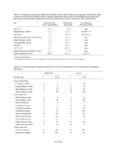
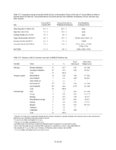
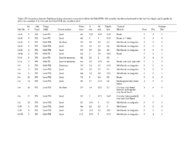
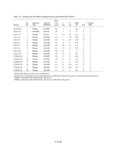
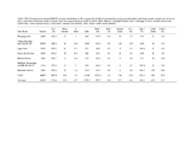
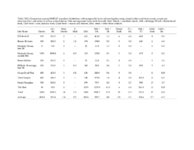
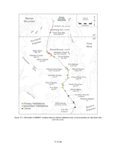
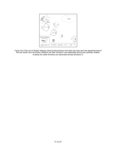
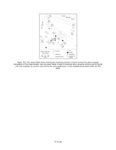
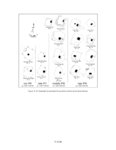
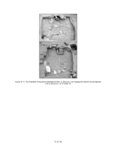
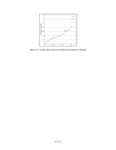
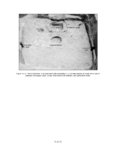
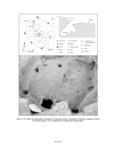
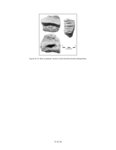
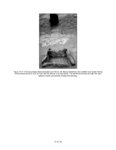
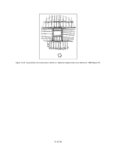
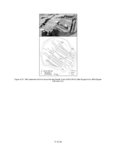
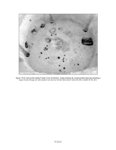
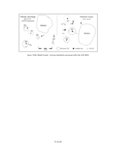
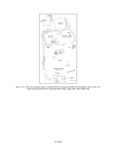
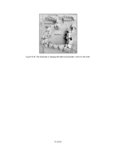
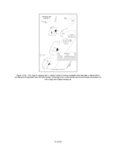
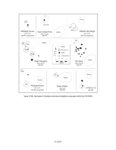
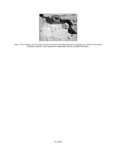
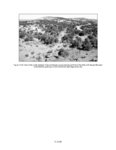
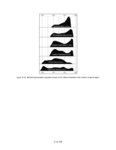
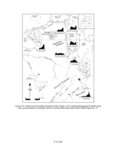
Show how this material arrived at the sites-as finished or nearly finished tools or edged flake blanks-and how it was reduced-mainly by pressure flaking. Returning to Hólahéi Scatter as an example, of the 240 obsidian flakes classifiable as to technological "type" (excluding indeterminate), almost 70 percent were pressure flakes, less than 20 percent were biface reduction flakes, and less than 1 percent were core flakes (Table 13.16). The large proportion of obsidian debitage that is represented by pressure flakes suggests that the primary lithic reduction activity of this material at Hólahéi Scatter consisted of the resharpening or rejuvenation of finished tools and reduction of preforms or edged flake blanks into finished tools (an edged flake blank fragment of obsidian broken by perverse fracture was recovered from the site). The minuteness of the obsidian debris was even more extreme at Tsé Haal'á where the mean flake size was not even one tenth of a gram. Indeed, the obsidian flakes were so small at that site that only 6 of the 47 recovered pieces (12.8%) could be chemically sourced, even when pushing the limits of analytical technique (Richard Hughes, personal communication 2002). One interesting aspect of the obsidian debitage at the N16 Archaic sites is the evidence of abrasion on the arrises of some of the flakes (see Figure 5.13). This wear closely matches that of obsidian biface blanks and preforms that have been carried around in a bag for many months, an observation that is based on the examination of prehistoric tools found cached in bags and on modern replicas of obsidian tools carried in bags. The motion of walking causes the tools to rub and jostle against one another, such that the areas of high relief become abraded, damage that develops more quickly on the more brittle obsidian than on chert or quartzite. The abrasive wear is consistent with that resulting from transport rather than post-depositional modification because it only occurs on arrises and not on other flake surfaces or edges as would be the case with wind polish or abrasion from sediment transport. The wear on the N16 obsidian artifacts is consistent with transporting tools in bags as part of tool kits carried for long distances during many seasonal moves. The spatial distribution of the sites with obsidian is shown in Figure 13.20. It is readily obvious that the sites with a high percentage of glass occur on the broken, high divide between the Shonto and Rainbow Plateaus. To the north of this, out on the Rainbow Plateau proper, obsidian accounts for only a trace of the Archaic lithic assemblages. The 6 percent occurrence of obsidian at Dune Hollow results from but a single flake combined with very little reduction activity at this limited-use camp (16 flakes total). Indeed, given that this one flake is far larger (1.1 g) than most other obsidian flakes at other sites (Table 13.15), it may well have been brought in for use rather than being a byproduct of on-site reduction. This also seems likely for the one large obsidian flake from Windy Mesa, which exhibited traces from use as a scraping tool. The question that comes to mind in examining Figure 13.20 is how could the sites with moderately high proportions of obsidian be portions of the same settlement system that created the other sites of the project area where so little obsidian is represented? One possibility is that the sites with obsidian represent logistic hunting camps where the assemblages are likely to appear somewhat specialized in raw material use, with obsidian preferentially used for dart points and knives or other cutting (butchery) implements. The fragmented and burned large mammal bone found at each of the sites with abundant obsidian is consistent with the hunting camp hypothesis as detailed previously. Any residential camp that such hunters were based out of should likewise have obsidian represented at some modest level, especially in tool fragments because of the likelihood of tool kit repair at residential camps. In this regard, it is worth considering the residential camps of Three Dog Site and Tsé Haal'á at the foot of Navajo Mountain. Both sites contained abundant evidence of large mammal procurement (large mammal bone), yet no obsidian was present in the thousands of flakes recovered from Three Dog Site and the proportion from Tsé Haal'á was paltry (1.3%). Moreover, not one of the many projectile points or bifaces at either site was of obsidian. If these were the residential bases for hunters creating sites such as Hólahéi Scatter, then they were highly selective in their locations of obsidian tool reduction and disposal. The early Archaic layers of Dust Devil Cave, Stratum IV, likewise had almost no obsidian represented in the debitage (less than 1%) and none in the tools (Geib 1984). That this site served as an important residential base for foragers seems certain (Ambler 1996; Lindsay et al. 1968)-foragers for whom the Rainbow Plateau figured prominently in subsistencesettlement rounds, just like it did for the foragers that created Three Dog Site and Tsé Haal'á. The differential incidence of obsidian in Archaic assemblages of the project area seems best explained as deriving from foragers with at least two different subsistence-settlement rounds, one of which was centered more in the Glen Canyon lowlands and represented by assemblages with infrequent or no use of obsidian and another centered elsewhere and represented by assemblages with moderately frequent use of obsidian. Foragers who circulated in the Glen Canyon lowlands acquired obsidian via down-line exchange because the source locations lay well outside their normal travel rounds, outside the area of embedded direct procurement. Direct procurement by one means or another is implicated by V.13.45 |