| OCR Text |
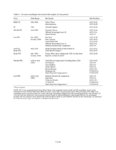
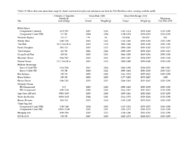
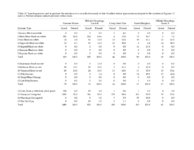
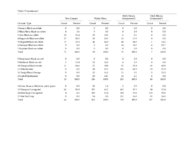
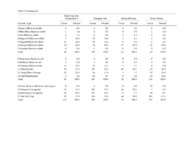
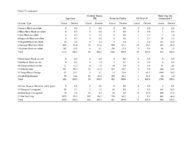
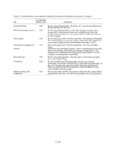
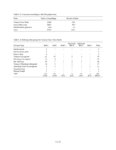
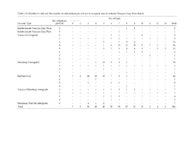
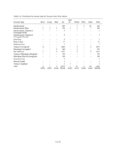
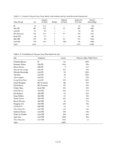
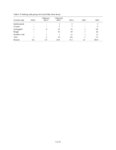
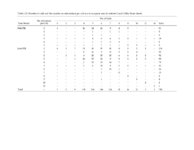
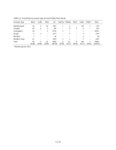
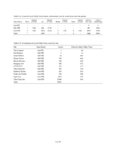
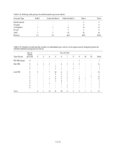
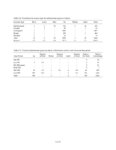
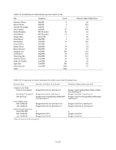
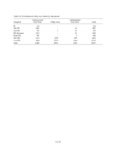
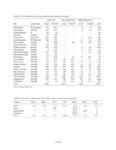
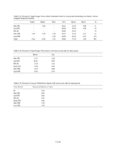
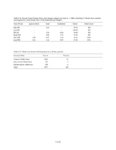
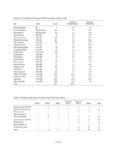
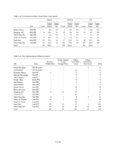
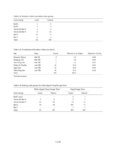
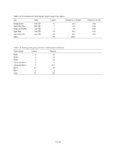
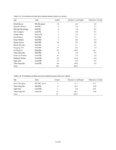
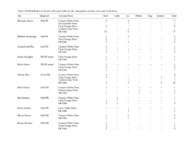
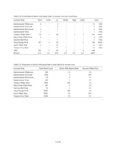
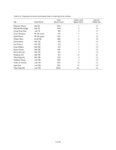
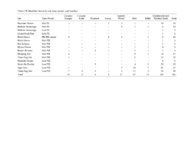
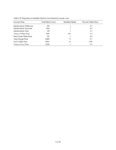
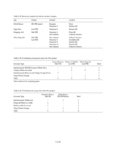
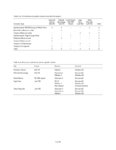
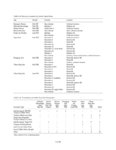
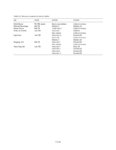
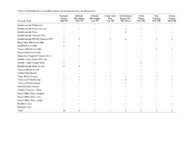
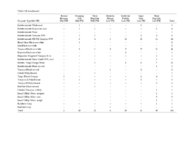
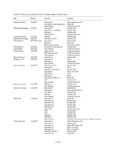
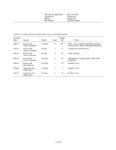
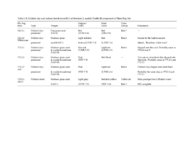
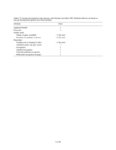
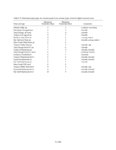
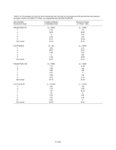
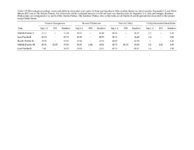
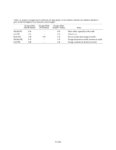
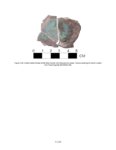
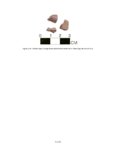
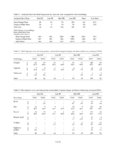
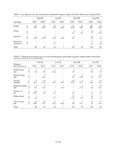
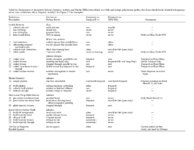
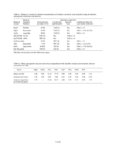
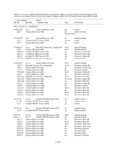
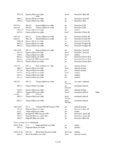
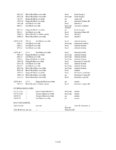
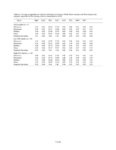
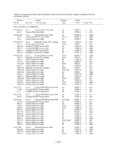
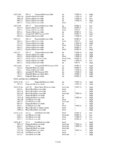
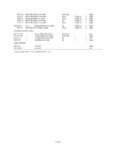
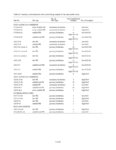
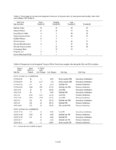
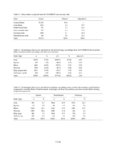
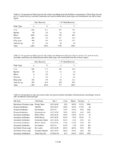
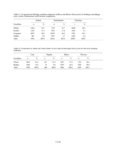
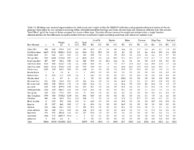
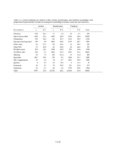
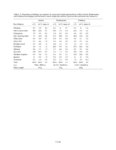
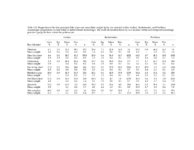
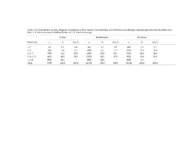
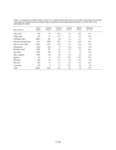
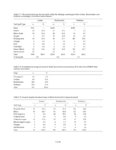
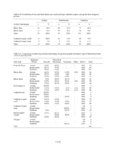
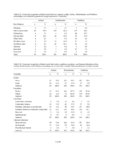
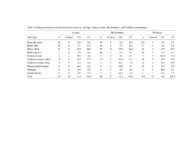
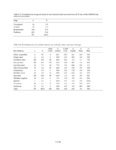
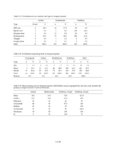
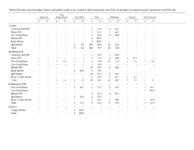
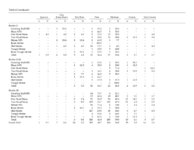
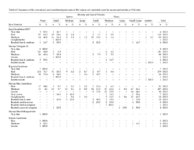
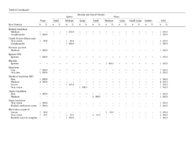
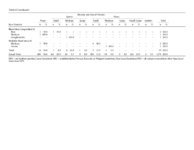
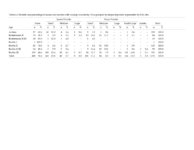
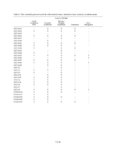
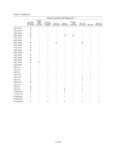
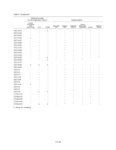
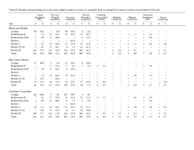
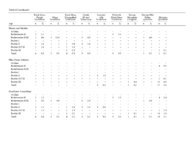
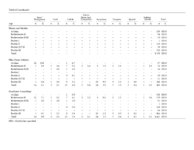
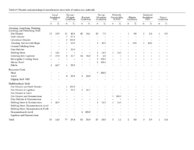
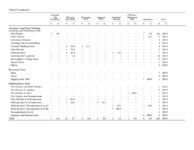
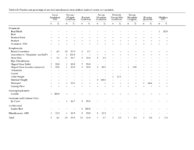
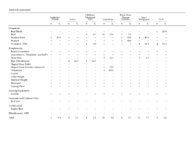
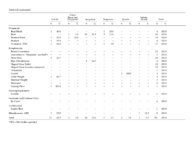
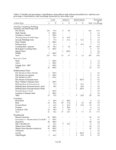
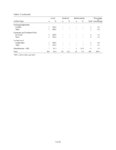
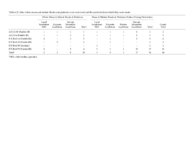
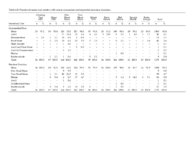
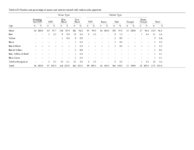
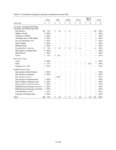
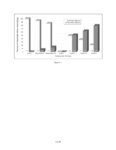
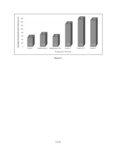
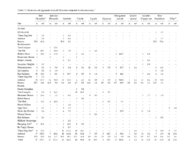
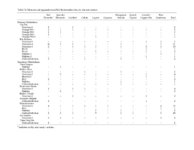
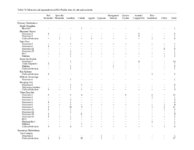
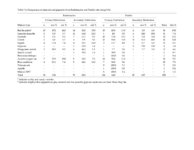
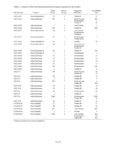
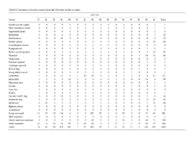
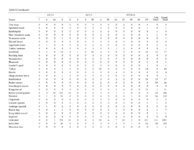
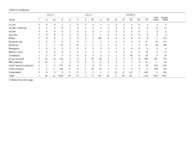
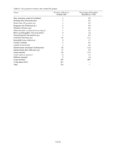
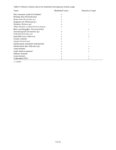
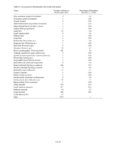
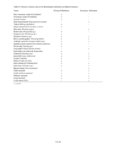
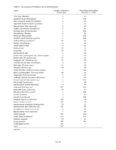
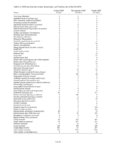
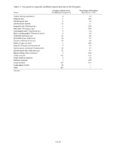
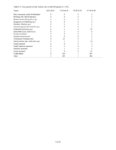
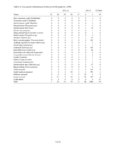
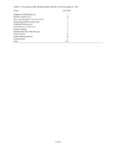
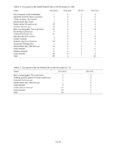
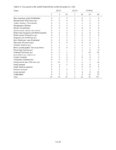
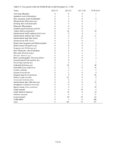
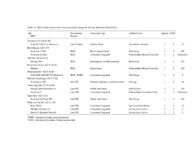
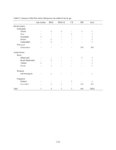
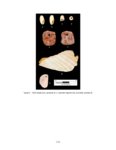
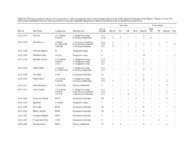
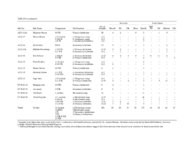
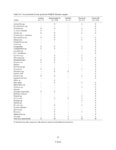
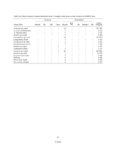
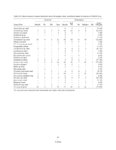
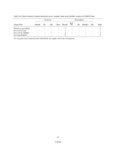
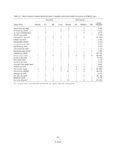
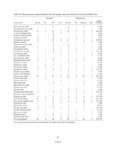
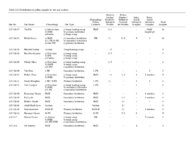
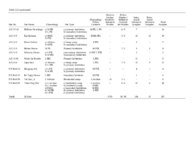
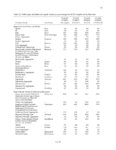
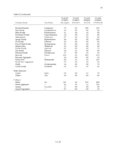
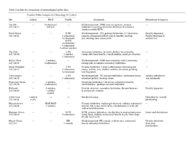
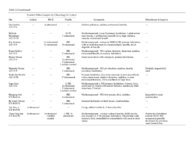
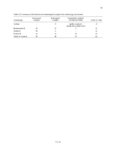
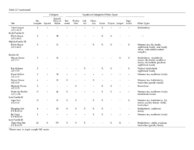
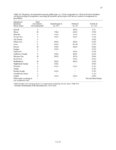
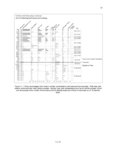
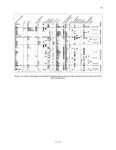
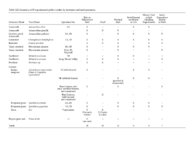
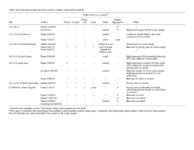
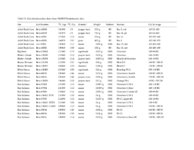
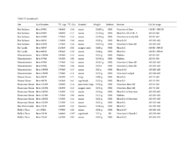
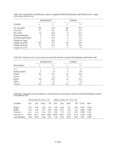
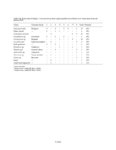
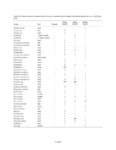
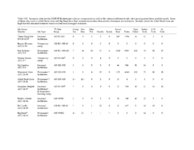
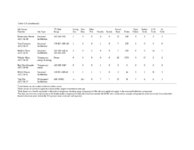
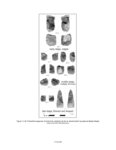
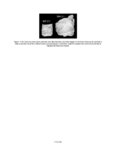
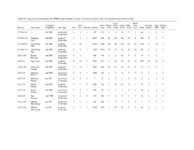
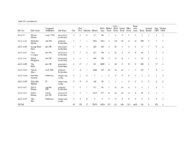
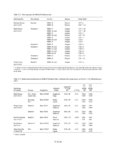
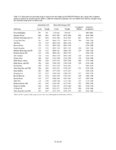
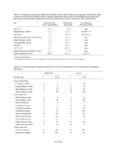
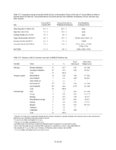
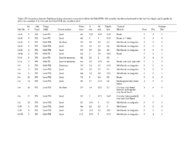
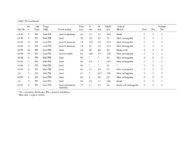
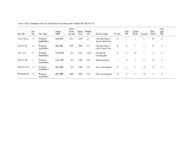
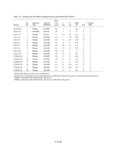
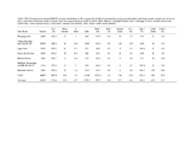
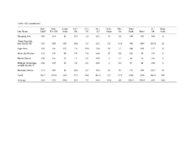
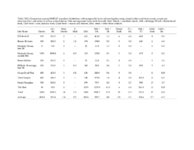
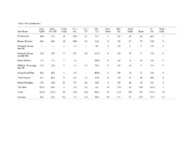
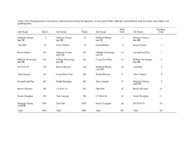
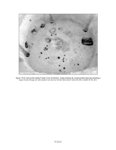
Show pigment or mineral samples. Although the scale of living areas differs, this pattern continues through the Basketmaker and Pueblo periods, during which pigments and minerals were also recovered only from habitation sites. Apparently the Archaic residents of the area were manufacturing primarily ornaments and decorated items at longer-term habitations, just as were the later populations. In comparison, pigment was recovered from both residential and temporary Archaic camps along the N21 road across White Mesa (Spurr 2002). The two largest assemblages, in fact, came from temporary camps with numerous hearths by relatively sparse artifact assemblages. At the N21 sites the pigment was recovered in nearly equal frequencies from cultural strata and from in situ fill of hearths. It may be significant that no Archaic sites on the Shonto or southern Rainbow Plateau produced mineral specimens; all of the samples came from the northern end of the N16 corridor. To a large degree this pattern reflects the natural distribution of iron ores in the area, since they are most prevalent in the Chinle Formation exposed in the lower section of Piute Canyon and other tributaries of the San Juan River. The sandy variety of red hematite may be available from localized areas of Navajo Sandstone, which underlies both the Shonto and Rainbow Plateaus. The small assemblage of minerals from Archaic sites limits interpretation, except that the dearth of material is notable in contrast to the abundant mineral and pigment samples from the Basketmaker and Puebloan sites. This trend may reflect several important differences between the Archaic and later periods. First, the more mobile earlier populations may have produced fewer decorative items because most or all possessions had to be transported frequently, rather than being stored at long-term habitations. Based on evidence from both open and sheltered sites it seems that Archaic populations simply did not use decoration as copiously as later groups. Second, the Archaic populations may have decorated themselves and their possessions less often with mineral paints or ornaments than with organic materials that do not preserve well at open sites. Evidence from cave sites supports this hypothesis to some degree (e.g., Hull 1980), but overall the Archaic cave assemblages contain fewer decorative items than the later Basketmaker collections. Finally, the relatively small number of Archaic residential camps may have biased our sample. There are far more primary and secondary habitations from the later periods within the N16 corridor, whereas most of the Archaic sites along the road were temporary camps. Briefly used locales are less likely to see the types of activities that produce mineral and pigment remains. These explanations also do not account, however, for the general lack of mineral and pigment assemblages from the N16 Archaic sites as contrasted with contemporaneous sites along the N21 corridor to the southwest. Whether the differences among these assemblages reflect various Archaic groups that emphasized distinct material culture traits, differences in availability of raw materials, or some other factor is not clear. Basketmaker Patterns Minerals and pigments from 10 of the Basketmaker components along the N16 corridor comprise 127 items, with nearly one-third of these being red hematite (see Table 7.1). This material exhibits the full range of textures, from dense earthy masses to hard sandy nodules with iron-rich cement. Nearly half of the items have been abraded to extract pigment. Lignite is the next most common mineral, and two-thirds of this material has been ground, probably during ornament production. Blue sandstone and copper ores are also well represented. Only 1 of the 15 pieces of blue sandstone is abraded, while more than a third of the pure copper ore (mainly azurite) exhibits grinding. Goethite is also present in some quantity, and, like hematite, it runs the gamut of texture, from clayey to sandy. Manganese nodules, half of which are abraded, probably represent attempts to produce black pigment. The six small pieces of calcite are likely residue from ornament production, although only four exhibit evidence of grinding. Fourteen pieces of specular hematite, a single quartz crystal, and a piece of gypsum round out the Basketmaker assemblage. All of the Basketmaker specimens were recovered from primary or secondary habitation sites rather than temporary camps, and the sample size is large enough to be confident that this consistent pattern reflects prehistoric behavior rather than sample bias or random chance. The only Basketmaker habitations that did not produce pigment and mineral samples were those that were minimally investigated (Big Bend) or those heavily impacted by the previous road alignment (Ditch House and Ko'Lanhi). In contrast, none of the Basketmaker temporary camps produced minerals or pigments. This is not a particularly surprising pattern, given that a multitude of activities take place at habitation sites, including production of luxury items like ornaments or objects that might need to be decorated. The more restricted range of activities and amount of time spent at camps or processing areas decreases the likelihood that leisure tasks such as ornament manufacture would occur. Minerals and pigments were collected from myriad contexts at the Basketmaker habitations, including structure floors, floor fill and roof layers, interior and exterior pit fill, middens, extramural V.7.6 |