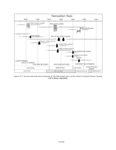
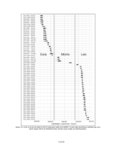
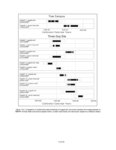
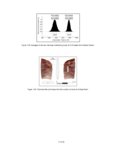
| OCR Text |
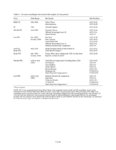
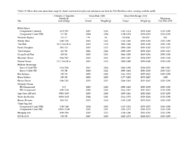
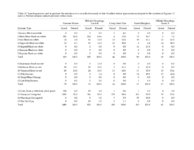
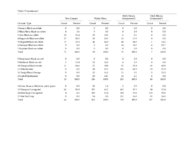
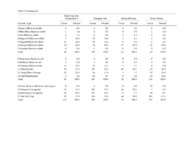
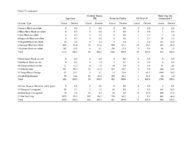
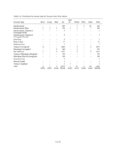
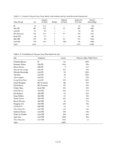
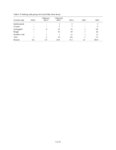
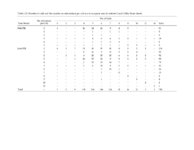
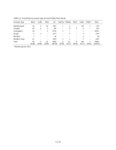
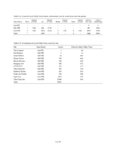
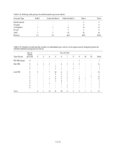
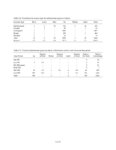
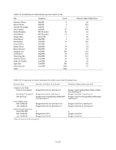
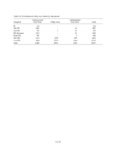
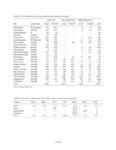
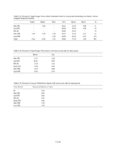
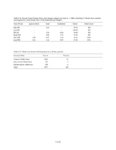
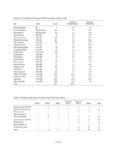
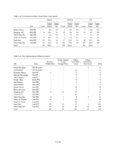
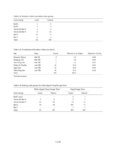
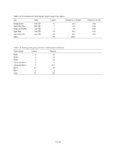
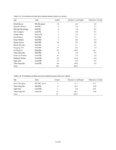
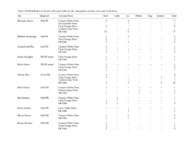
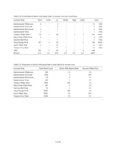
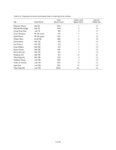
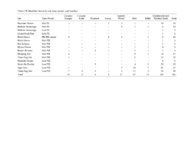
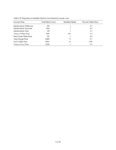
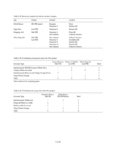
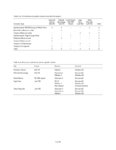
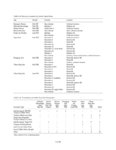
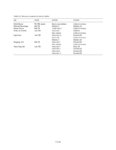
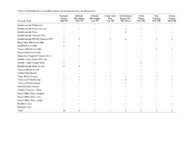
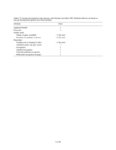
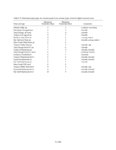
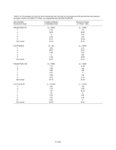
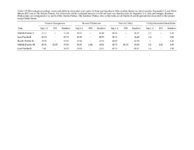
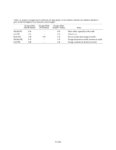
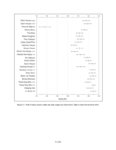
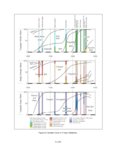
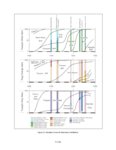
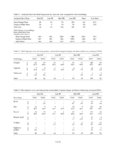
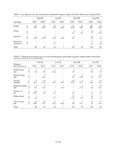
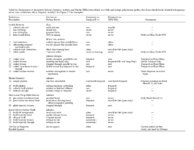
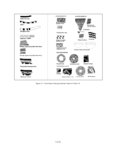
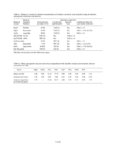
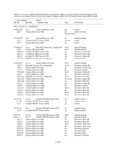
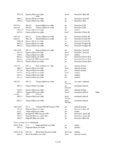
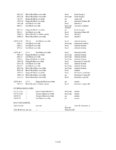
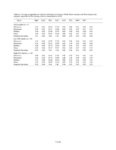
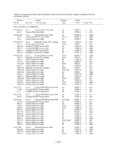
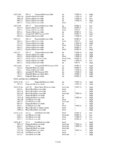
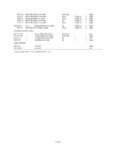
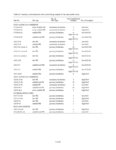
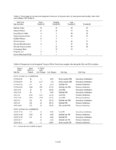
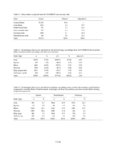
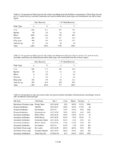
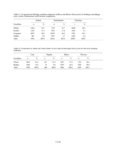
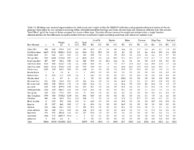
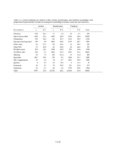
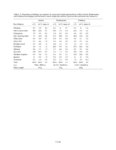
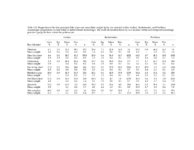
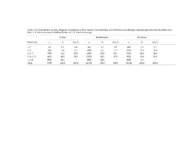
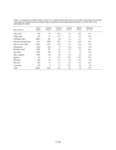
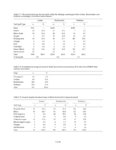
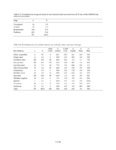
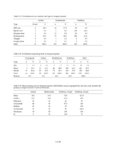
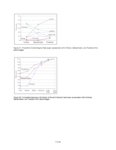
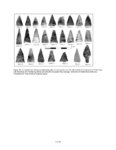
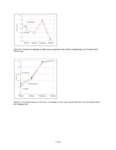
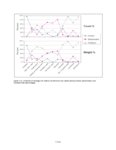
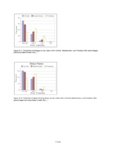
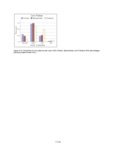
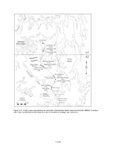
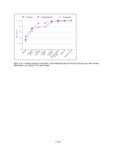
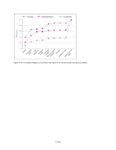
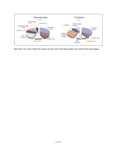
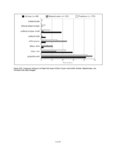
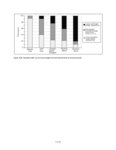
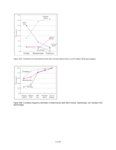
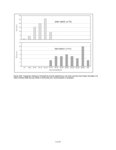
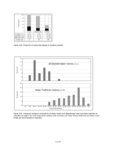
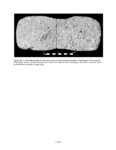
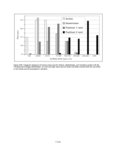
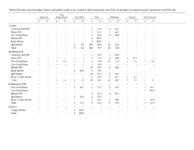
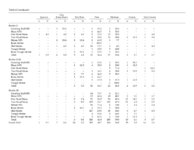
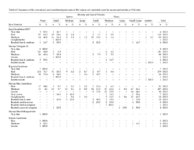
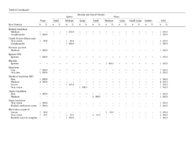
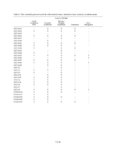
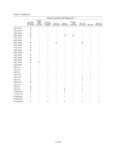
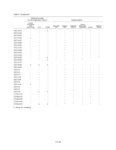
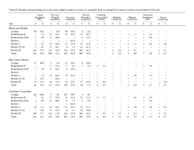
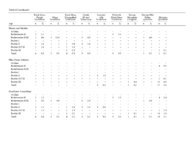
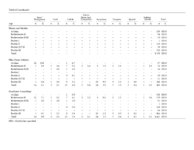
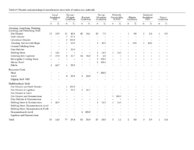
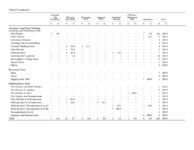
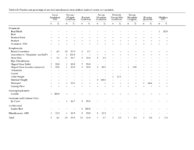
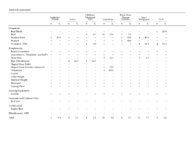
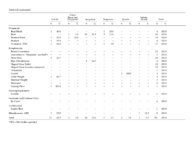
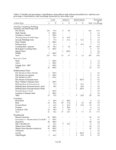
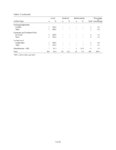
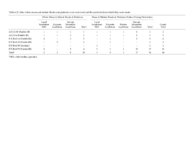
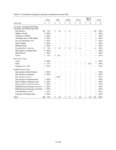
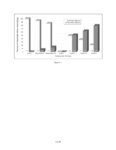
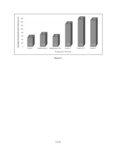
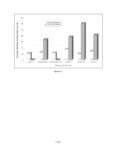
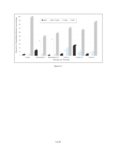
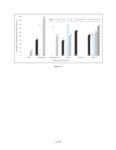
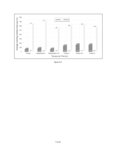
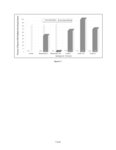
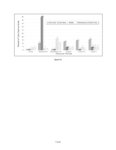
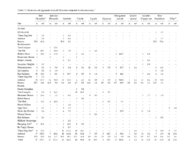
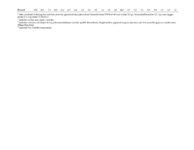
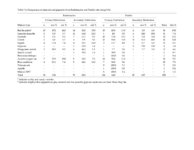
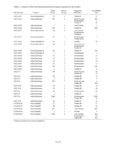
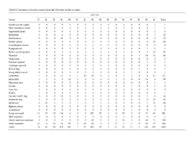
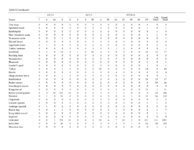
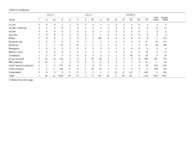
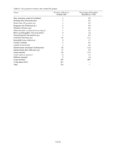
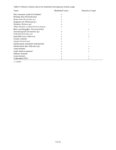
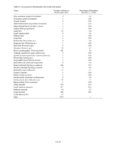
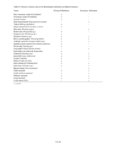
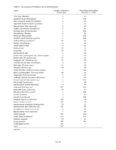
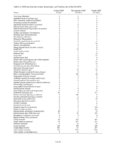
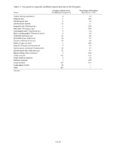
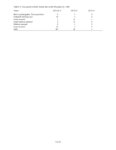
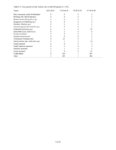
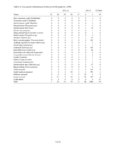
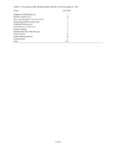
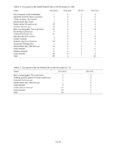
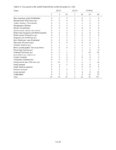
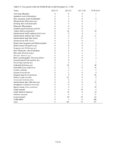
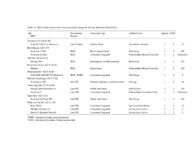
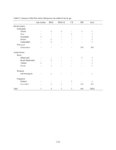
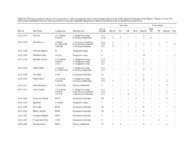
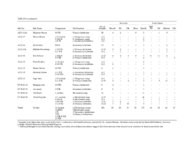
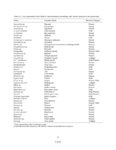
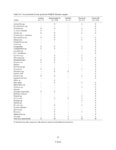
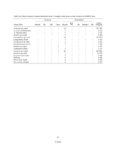
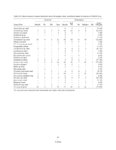
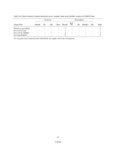
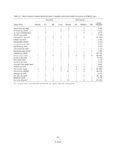
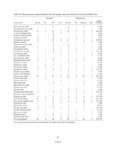
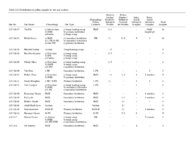
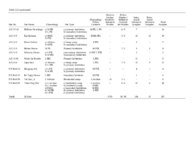
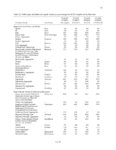
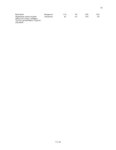
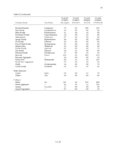
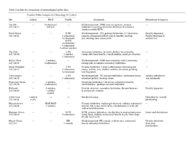
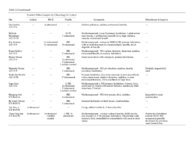
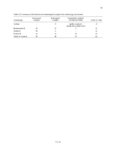
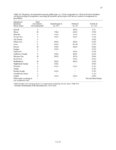
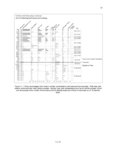
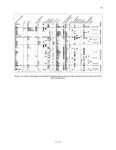
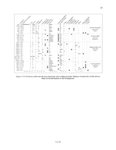
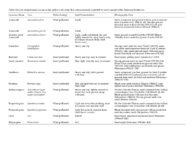
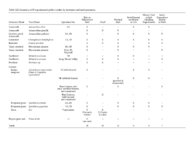
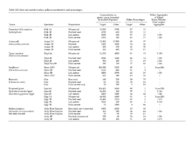
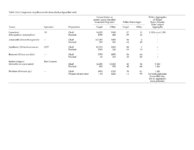
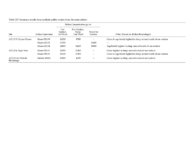
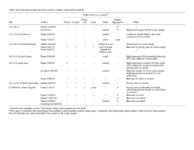
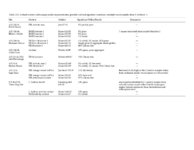
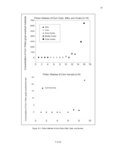
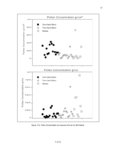
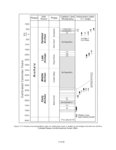
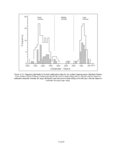
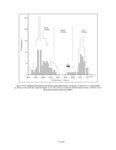
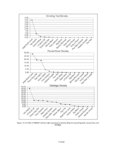
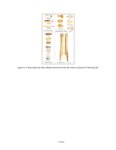
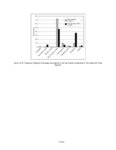
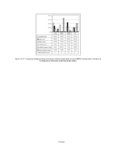
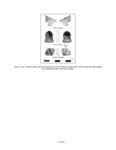
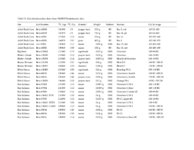
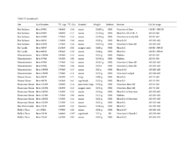
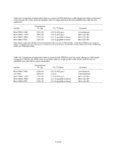
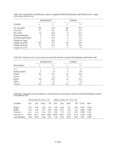
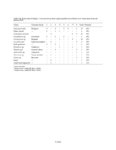
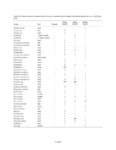
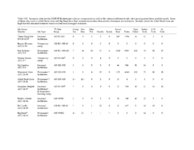
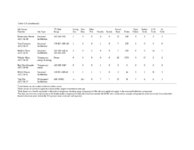
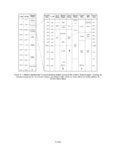
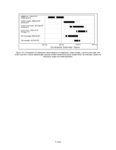
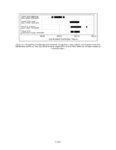
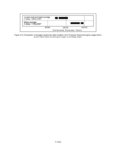
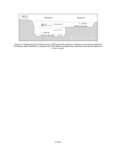
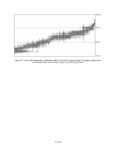
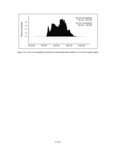
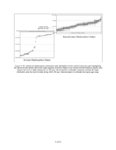
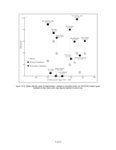
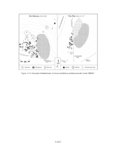
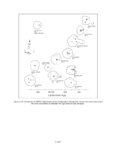
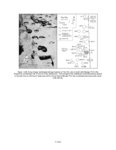
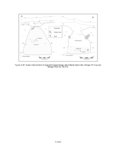
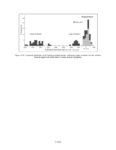
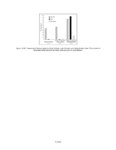
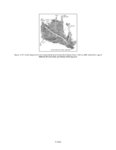
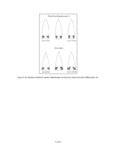
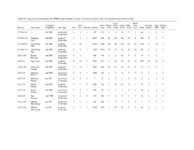
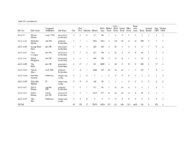
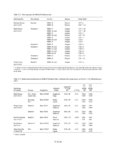
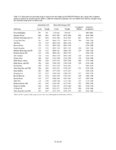
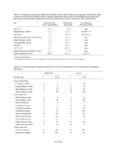
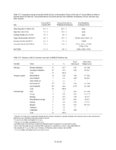
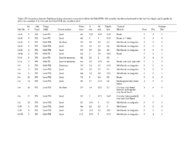
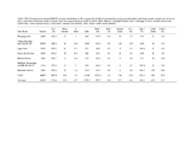
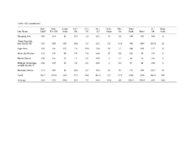
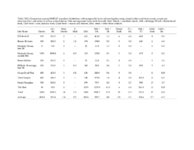
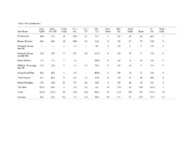
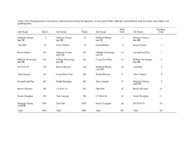
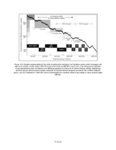
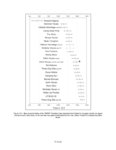
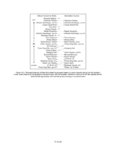
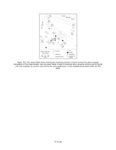
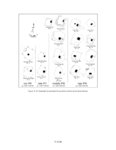
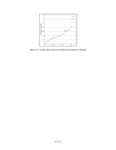
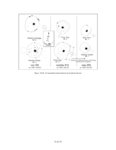
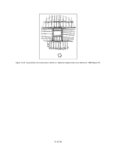
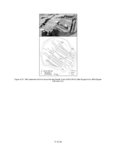
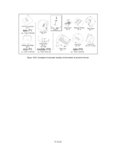
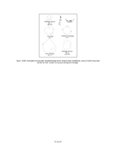
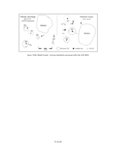
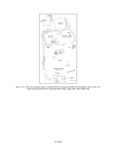
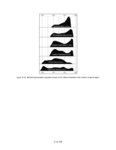
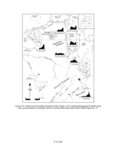
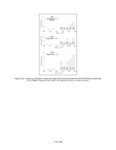
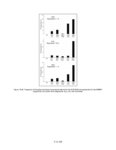
Show (e.g., Ambler 1985; Christenson 1994). With type counts in hand there are several different methods for actually deriving estimates for the occupation of a settlement or a component thereof. All depend on knowing the temporal span for when a given type was manufactured or in common use, information derived from clear associations between pottery types and tree-ring dates (e.g., Breternitz 1966), such as floor assemblages of vessels from burned houses with well-established construction dates and short intervals of use; a good example is AZ I:1:17 (ASM) reported in Sullivan (1987; also Sullivan et al. 1995). With experience, one can make a fairly educated estimate of the time of occupation by examining the relative frequencies of types within each of the three wares of the Kayenta ceramic tradition: Tusayan White Ware, Tsegi Orange Ware, and Tusayan Gray Ware. This is what archaeologists routinely do in survey situations, although usually from mental accounting of frequencies noted rather than actual tabulation. More replicable approaches, some of which provide temporal ranges with confidence intervals, include judgmental seriation (e.g., Ambler 1985), what Schroedl (1989:74-79) termed absolute seriation, mean ceramic dating (e.g., Christenson 1994), and multiple regression (Blinman 1989:58-74). The NMRAP ceramic analysts computed mean ceramic dates and mean ceramic date ranges using both sherd counts and weights; they also plotted assemblages on seriation curves. All Puebloan sites and components were included in the mean ceramic date calculations but only sites or components with 45 or more typable sherds were considered for seriation, which allowed 18 components to be included. The production date ranges of diagnostic types were derived from Breternitz (1996) as amended by recent projects in the Kayenta Anasazi region (Ambler 1985; Christenson 1994; Schroedl and Blinman 1989; Sullivan et al. 1995). Only types with a time span of less than 300 years were used in the calculations. The basics are presented in Table 15.4 and depicted in Figure 15.4. The relative chronological order of each site or component in Table 15.4 is based on the mean date range calculated using sherd count; comparing both count and weight within the same assemblage can help control for factors such as trampling and the influence of partial vessels. That this approach is fallible is indicated by the temporal mean and range of the middle Pueblo III component at Ditch House, which was constructed around AD 1228 (shown in Figure 15.4 with the dot and dashed line to the right indicating the probable occupation span). This site is discussed in greater detail below. NMRAP ceramic analysts also placed sites/components in relative chronological order using Ambler's (1985b) seriation curves for Tusayan White Ware, Tsegi Orange Ware (includes San Juan Red Ware), and Tusayan Gray Ware. This method employs type frequencies calculated as percentages within ware, not as a percentage of the total assemblage. The percentages within each ware for a site or component are plotted on a bar graph, using the same scale as the seriation curve, and these bar graphs are moved along the temporal axis of Ambler's seriation curves until a "best fit" is approximated. Examples for NMRAP primary habitations using Tusayan White Ware and Tsegi Orange Ware are shown in Figure 15.5. Ambler created these curves to date excavated sites at Navajo Mountain (Geib et al. 1985) that all postdated AD 1000. Consequently, his curves begin at about AD 1025. Since he used assemblages from Black Mesa, Klethla Valley, Shonto Plateau, Paiute Mesa, and the Rainbow Plateau, the curves should be applicable throughout the core area of the Kayenta region. Outside of this area, such as in the Hopi Buttes or Grand Canyon, the curves might not give accurate results. Ambler's method defines a point in time called the occupational median "where equal numbers of person-days of occupation are represented on both sides of the median; thus, half of the vessels recovered in sherd form would have been broken prior to that time, and half after" (Ambler 1985b:36). Since sherd frequencies and the relative proportions of ceramic types can change rapidly, the occupational median can be estimated to within a few years. This is especially true when there is a correlation between all three wares and the seriation curve (Ambler 1985b:53). Because only sites or components with 45 or more typable sherds were considered, six NMRAP sites with small assemblages could not be included. These occupation medians are listed in Table 15.4 and they generally correspond to the mean date calculations. The difference in the chronological ordering of the NMRAP Puebloan sites by mean ceramic dating and seriation is shown in Figure 15.5 but not the scale of the change in temporal assignment. It is noteworthy that the seriation method performed much better at representing the occupation of the tree-ring dated middle Pueblo III component of Three Dog Site by providing an occupation median of AD 1220 instead of a mean date of AD 1194. The ceramic analysts provide their reasoning for the occupational medians for each site or component in Tables 2.10 and Table 2.11 of Volume V, discussing which of the three seriation curves was given most weight. In theory the "best fit" takes into account the three different wares, but the more temporally sensitive white and orange/red wares often take precedence. Site Occupation Spans and Use Histories The sample of Anasazi sites excavated within the N16 ROW appears largely representative of the V.15.7 |