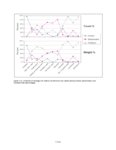
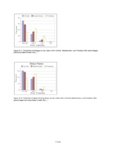
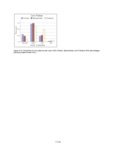
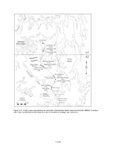
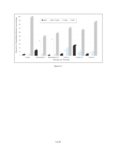
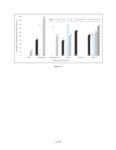
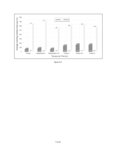
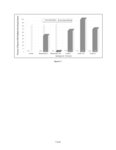
| OCR Text |
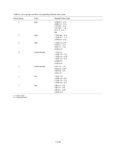
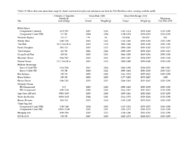
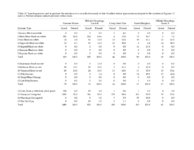
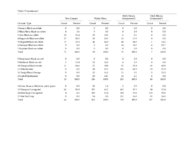
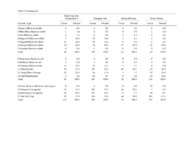
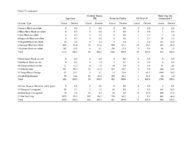
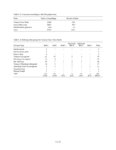
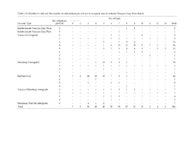
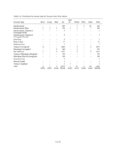
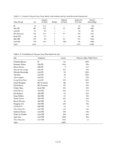
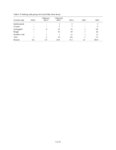
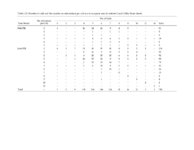
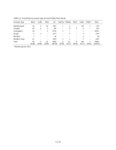
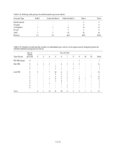
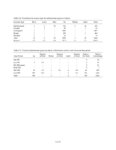
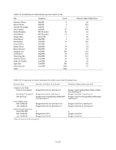
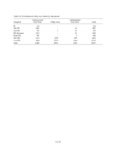
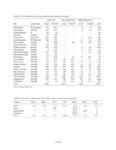
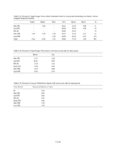
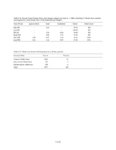
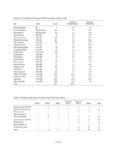
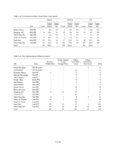
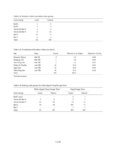
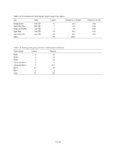
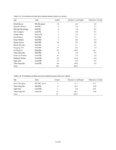
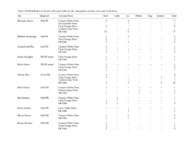
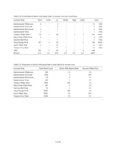
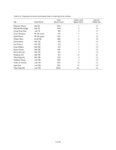
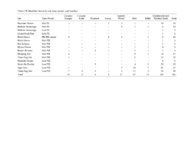
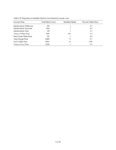
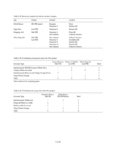
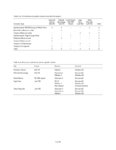
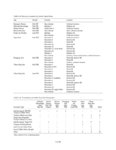
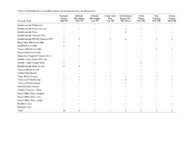
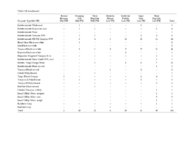
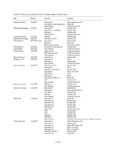
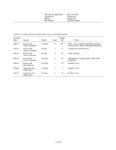
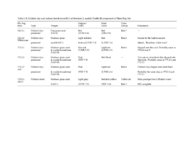
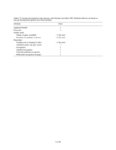
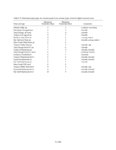
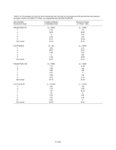
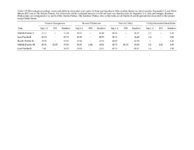
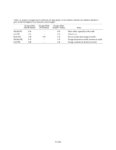
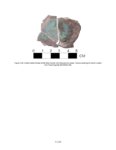
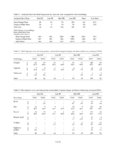
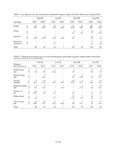
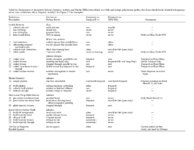
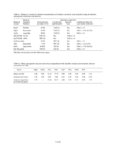
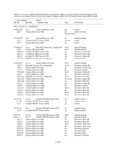
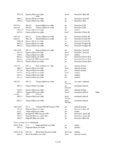
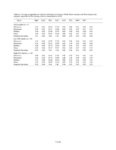
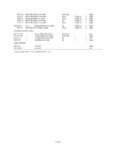
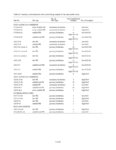
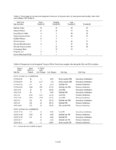
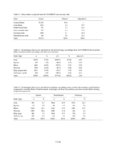
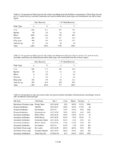
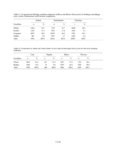
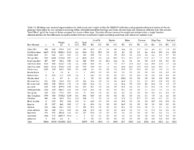
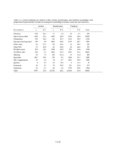
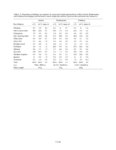
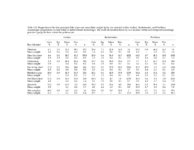
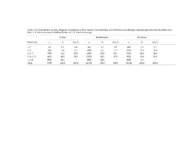
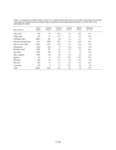
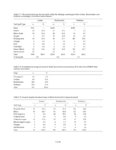
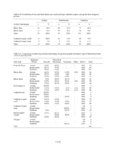
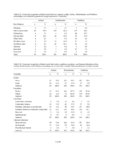
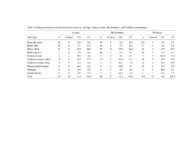
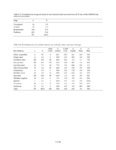
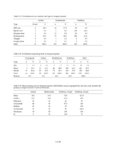
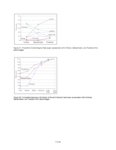
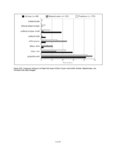
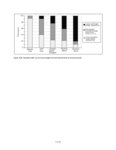
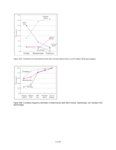
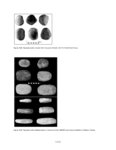
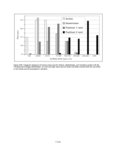
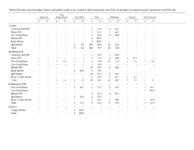
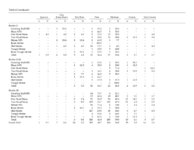
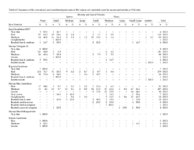
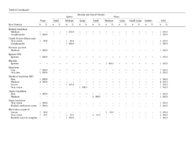
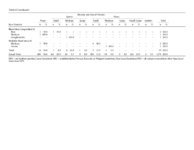
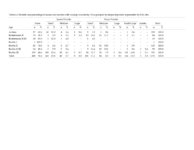
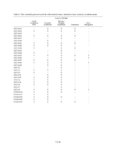
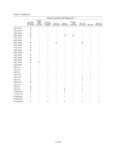
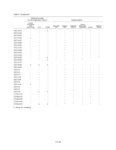
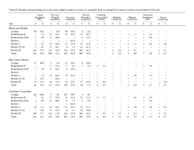
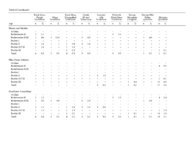
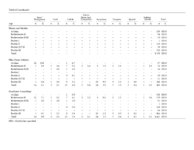
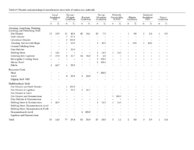
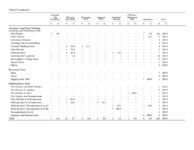
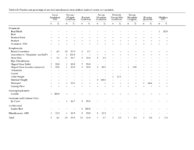
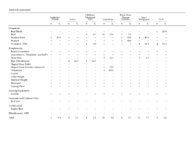
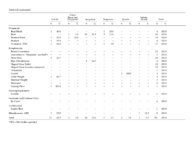
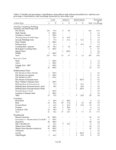
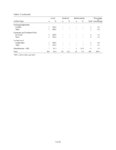
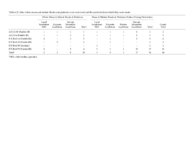
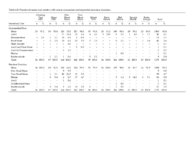
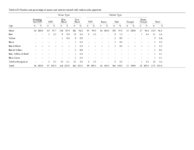
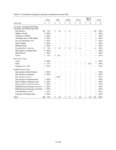
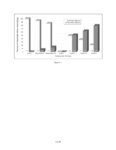
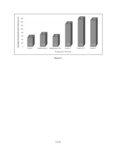
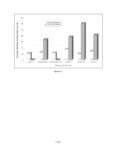
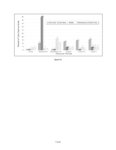
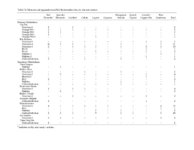
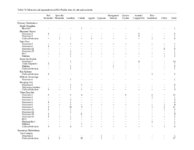
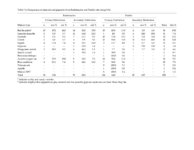
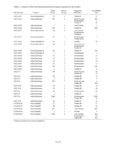
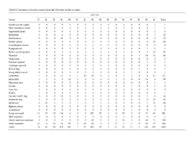
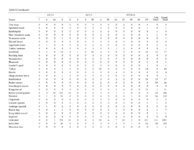
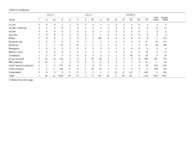
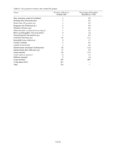
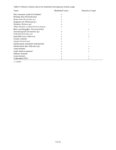
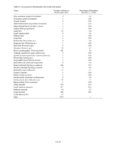
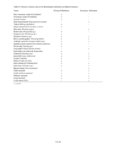
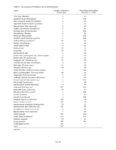
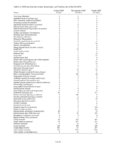
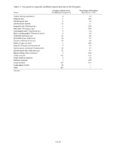
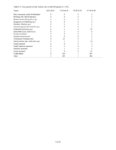
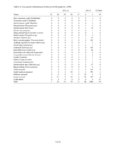
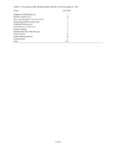
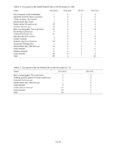
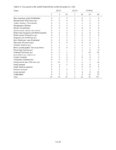
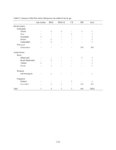
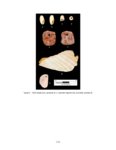
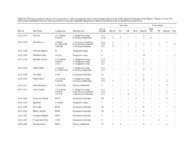
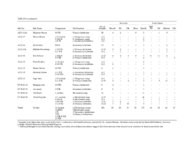
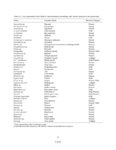
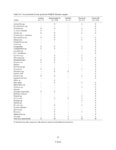
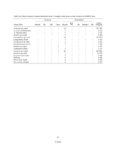
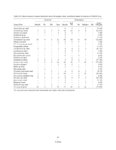
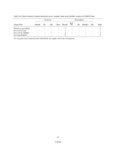
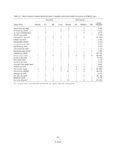
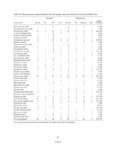
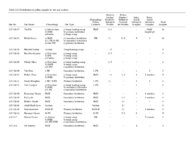
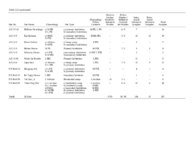
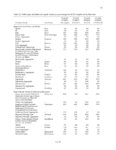
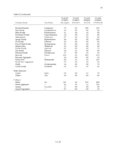
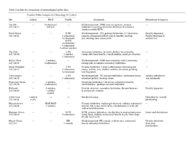
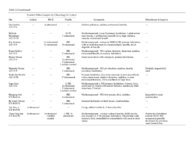
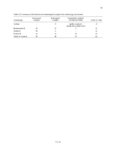
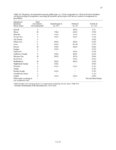
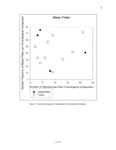
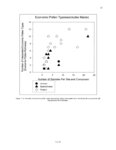
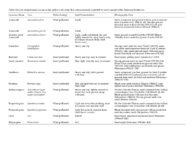
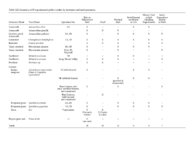
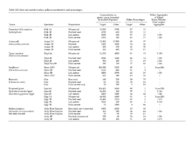
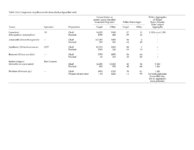
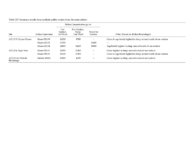
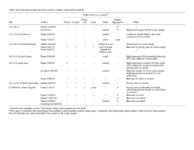
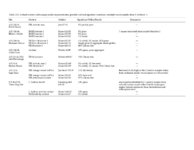
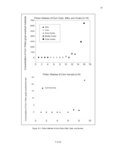
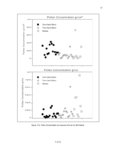
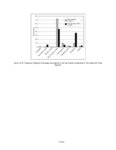
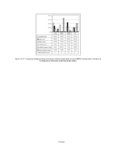
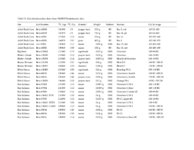
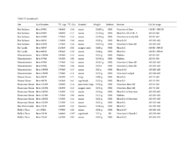
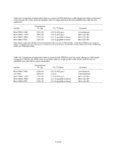
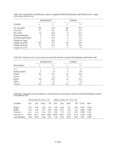
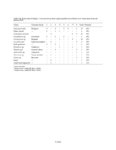
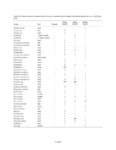
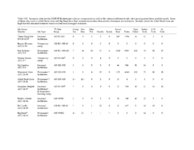
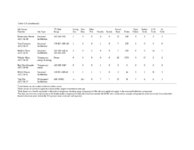
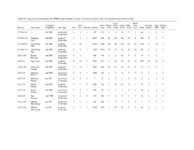
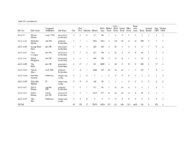
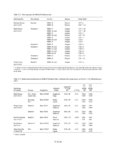
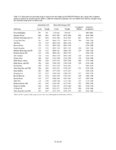
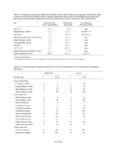
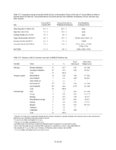
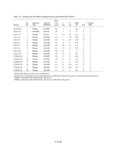
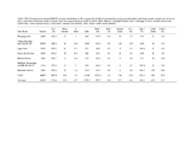
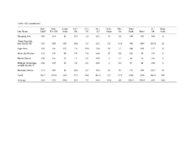
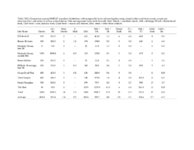
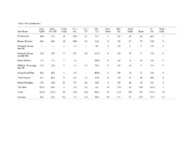
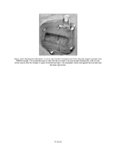
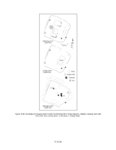
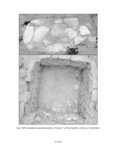
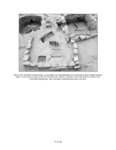
Show cache, as well as two small lumps of goethite. In similar fashion to Water Jar Pueblo, much of the pigment from Three Dog Site came from the trash deposits within Structure 9 (the small kiva), with lesser amounts from Pit 4 in Structure 19 and other interior pits that were filled with trash at various times. Three Dog Site actually produced mineral samples from a wider range of contexts than any other site, although this is at least partially a factor of the massive remodeling and movement of trash that took place at the site during its long occupancy. None of the Puebloan sites show evidence that pigment processing or use was confined to specific structures or areas, as there was no concentrated use in a single room at any site and the concentrations were due to trash disposal. The only exception to this is the concentration of volcanic ash from the floor fill of Structure 12 at Sapo Seco, which may relate to ceramic production. It appears that processing and use of pigment was a widespread activity, and probably not constrained to a specific group of individuals or to a specific context. This pattern is mirrored by the distribution of pigmentstained ground stone tools recovered from the Formative sites (see Chapter 6, this volume). Slightly exceeding the Basketmaker total, the Pueblo habitations produced 156 pigment and mineral samples, dominated by goethite and calcite (see Table 7.1). The preponderance of goethite, comprising nearly a third of the assemblage, probably represents the importance of this material in production of Tsegi Orange Ware ceramics during the Pueblo period. The calcite likely represents ornament manufacture, although only 22 percent of the items exhibit evidence of grinding or shaping, and most of this was from a single site (Tres Campos). Other material types that are well represented in the Pueblo assemblage include red hematite and copper minerals; all other categories contained fewer than 10 samples each. A cache of azurite pieces from Water Jar Pueblo accounts for 85 percent of the copper minerals from the Puebloan sites, so the frequency is somewhat misleading for the assemblage as a whole. None of the Pueblo sites produced all types of mineral, but goethite and red hematite were collected at 57 percent of the sites and calcite was present at just over a third of the sites. The absolute number of items in most material categories is greatest for Three Dog Site, simply due to the significantly larger number of mineral and pigment specimens recovered-nearly four times the next nearest Puebloan assemblage. Looking beyond this skewed distribution, the most notable trends are that 72 percent of the calcite came from Tres Campos and 85 percent of the copper ore came from Water Jar Pueblo. Two-thirds of the specular hematite was collected from The Slots. This unbalanced distribution of several material types suggests that residents of each site may have focused on production of specific items. If true, this makes the lack of identifiable production areas within a given site rather more intriguing but no easier to explain. Two patterns that appear valid are the greater abundance of both goethite and all copper minerals at primary habitations as compared to secondary habitations. The most obvious explanation for the abundance of goethite at long-term habitations is that ceramics were likely to be produced at these locales and the clayey mineral was likely used as a slip colorant. Basketmaker versus Pueblo Patterns The minimal assemblage from Archaic components along the N16 corridor limits the possible interpretations regarding procurement and use of pigments and minerals during that period. In contrast, the Basketmaker and Pueblo sites in the corridor provided a robust sample that includes a range of material types. The most obvious trend is that mineral and pigment samples were recovered only from primary and secondary habitations throughout the occupancy in this area. The Puebloan occupation at Three Dog Site and the Basketmaker use of Kin Kahuna were intensive and of long duration, so it is not surprising that these components produced by far the largest assemblages of mineral and pigment specimens; only the Basketmaker secondary habitation at Mountainview produced a comparable collection. The large number of mineral specimens from Mountainview and the presence of all mineral types except pure copper ore lends credence to the possibility that the site was used as a primary residence rather than a seasonal habitation, despite the lack of storage features (see Chapter 10, Volume III for more discussion). Mountainview yielded a larger variety of mineral types than any other site in the project area, including the large Pueblo habitations. Red hematite was most abundant at Basketmaker primary habitations, followed by Pueblo primary habitations (Table 7.4). This material was present at nearly 60 percent of the sites that produced mineral samples (see Table 7.1) but nearly half of it came from large Basketmaker sites. Red hematite comprises nearly 30 percent of the Basketmaker assemblage, as compared to only 11 percent of the Puebloan sample. The red pigment was obviously much valued by the Basketmaker people, and was used for a wide array of decorative purposes. Goethite shows an even more pronounced trend in being most prevalent at Pueblo primary habitations (Table 7.4). This pattern is attributable to the use of the material V.7.8 |