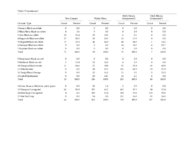
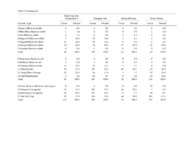
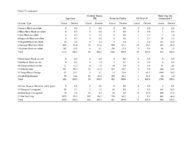
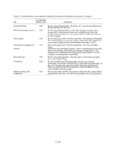
| OCR Text |
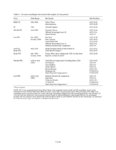
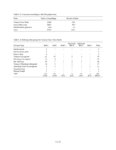
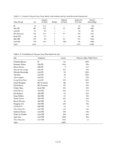
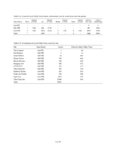
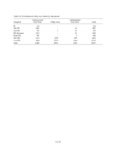
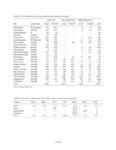
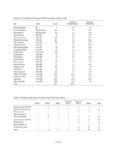
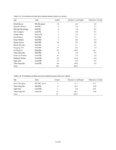
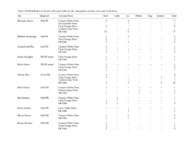
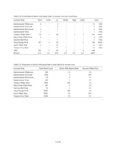
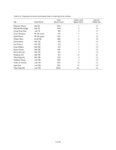
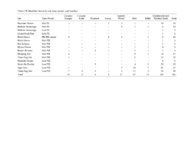
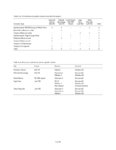
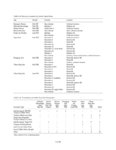
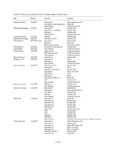
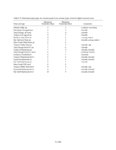
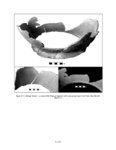
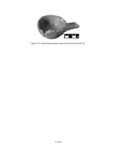
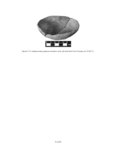
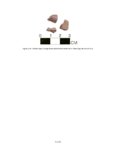
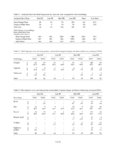
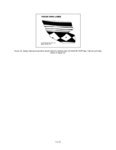
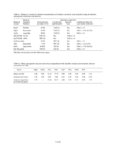
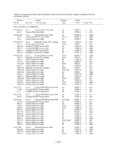
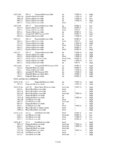
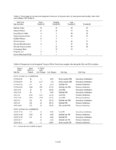
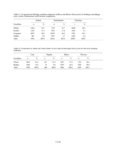
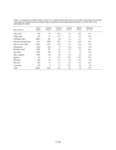
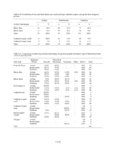
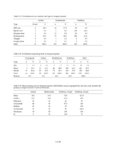
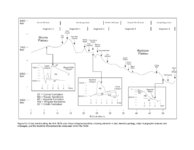
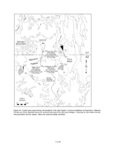
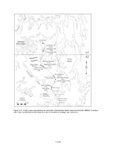
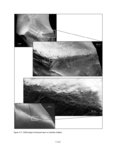
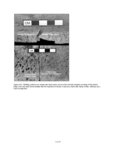
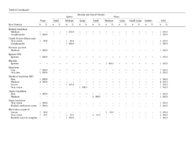
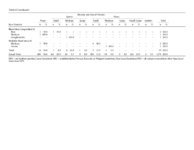
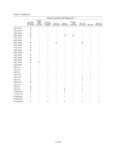
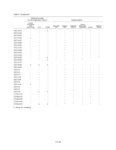
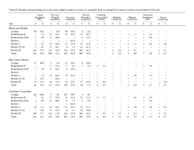
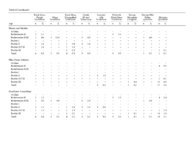
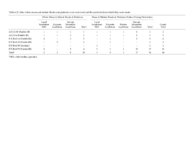
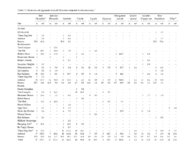
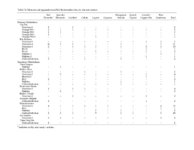
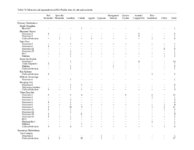
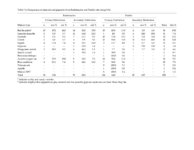
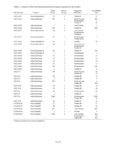
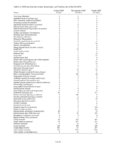
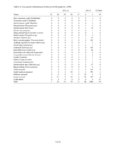
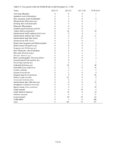
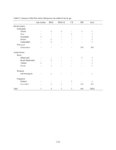
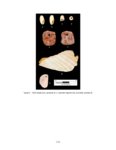
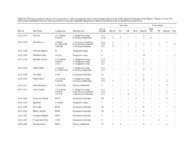
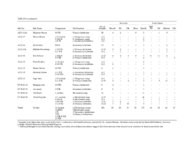
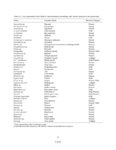
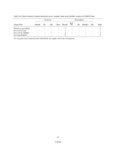
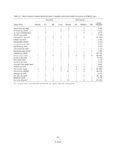
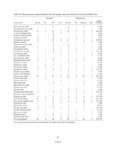
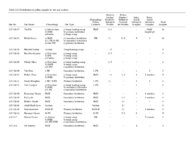
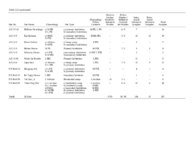
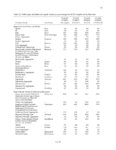
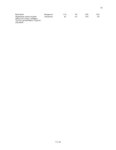
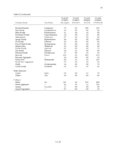
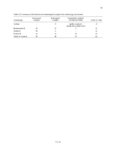
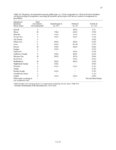
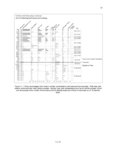
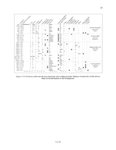
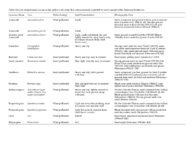
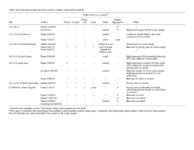
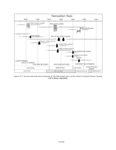
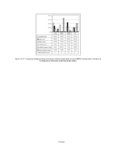
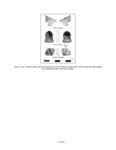
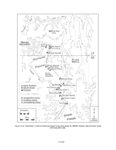
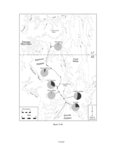
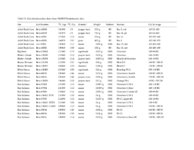
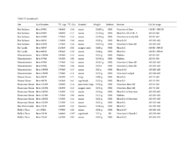
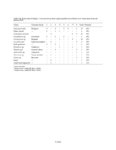
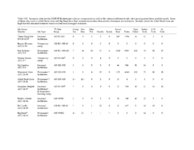
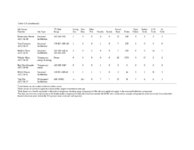
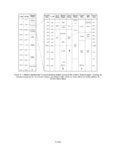
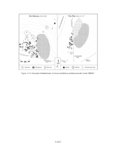
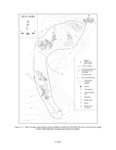
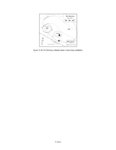
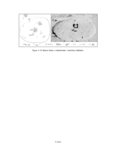
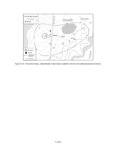
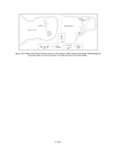
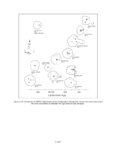
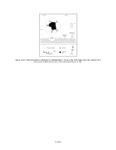
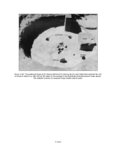
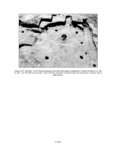
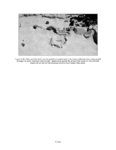
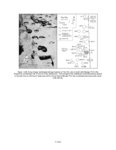
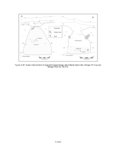
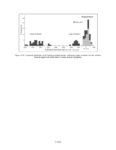
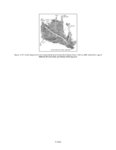
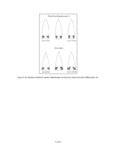
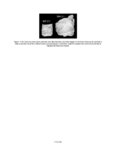
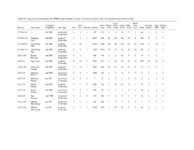
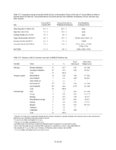
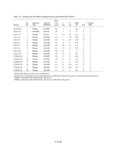
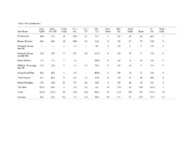
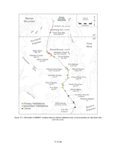
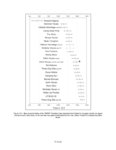
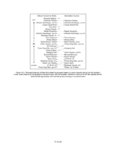
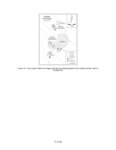
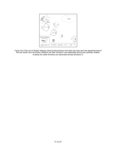
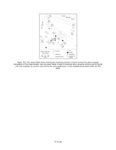
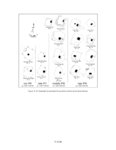
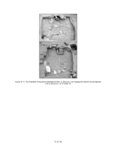
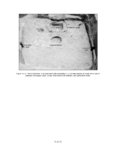
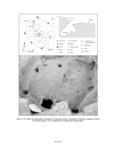
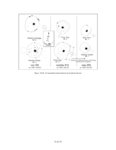
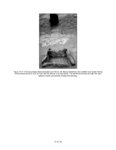
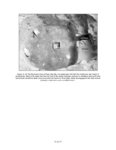
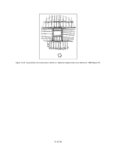
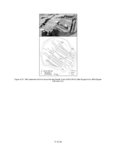
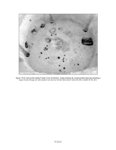
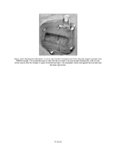
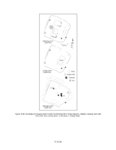
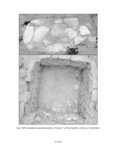
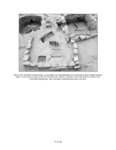
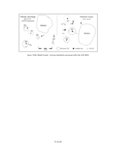
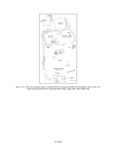
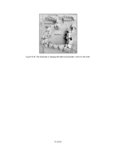
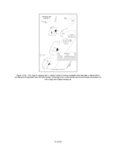
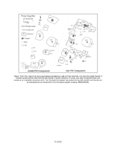
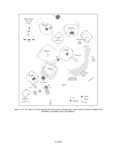
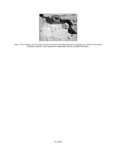
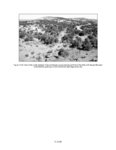
Show by-side metates didn't occur earlier in time, just that formal bins were not constructed for that purpose. A hint of this is seen at Structure 3 at Hammer House, the structure for which the site was named (shown previously in Figure 15.14). The occurrence of more than 50 pecking stones in this structure along with debris from their use and refurbishment gives strong indication of use of the room for mealing activities; moreover, a two-hand mano from the floor perfectly matched a whole trough metate in the floor fill of the adjacent kiva. On the structure floor next to the central basin hearth were two side-by-side shallow, oval depressions in the living surface. These easily could have been the rests for metates, such as the trough example found in the kiva. Hammer House appears to have been occupied slightly before Hillside Hermitage, so the absence of true bins might be a temporal issue. Perhaps also relevant to when the use of mealing bins and formalized mealing rooms began is the issue of residential mobility. If there was a higher degree of residential mobility during middle Pueblo II than later, then it might make far less sense to construct facilities with expensive metates fixed into place, since leaving them risks thievery. Loose metates could be easily moved to a secure hiding place, even to a new settlement. In all but one case, mealing rooms occur on primary habitations. The single exception is the small mealing room appended to a living structure at the late Pueblo II component of Hillside Hermitage, shown in the upper left of Figure 15.23. This may have been a preliminary step towards establishing a primary residential habitation at this location, one that never came to fruition. A single mealing bin was found at two other secondary habitations (Camp Dead Pine and the Puebloan component at Kin Kahuna), but in general this sort of formal processing facility would seem to be unnecessary at a seasonally used site, especially one that wasn't occupied by a full family unit. Two of the mealing rooms listed in Table 5.11 started out in this role but were then transformed, with the mealing bins dismantled and filled in and hearths installed so that the room could be used for living purposes. One of these, Structure 20 at Three Dog Site, was subsequently modified again when its floor was paved with slabs, probably so that it could be used for storage purposes (Figure 15.25). These examples, especially the latter, serve to illustrate the dynamic nature of room function, something that is often difficult to observe in the static archaeological record. There may well have been social issues involved with the appearance of mealing rooms, as some have argued; Mobley-Tanaka (1997:446) suggested that "they represent important aspects of ritual and social integration that surround the importance of corn in Anasazi society, reflecting the importance of the female role in Pueblo II ritual and social integration." Such reasons seem less in play in the Kayenta region since mealing rooms first appear in the context of sites that housed a nuclear or extended family but probably not more than that. Rather than social underpinnings, mealing bins and rooms seem to be efficiency related and tied to a general trend towards specialized use of space and reduced residential mobility; mealing rooms certainly would have helped with mother-daughter training. This does not mean that mealing rooms had no integrative role to play in the multi-family habitations established during the Tsegi Phase, such as the example (Pit House 11) from Neskahi Village (Hobler 1974), ultimately carrying forward and perhaps elaborating during Pueblo IV with the establishment of piki rooms. Granaries Specialized storage rooms were identified only at NMRAP Pueblo III sites but this is not a general pattern for the Kayenta region. Granaries or their equivalent are known to have a much longer span of use in the Kayenta region than this, dating back to Pueblo I where they evidently "evolved" from Basketmaker III cists, which were probably derived from Basketmaker II storage pits. The lack of granaries at the middle Pueblo II habitations excavated within the N16 ROW might relate to issues of residential mobility and the initial spread of Puebloan populations onto the plateaus of the northern Kayenta region. Potential food storage at both of the middle Pueblo II primary habitations was within pits attached to structures. Well-built masonry granaries are typical of Pueblo I and Pueblo II sites on northern Black Mesa where they form the back set of rooms for unit pueblos (see virtually any of the BMAP site reports or the summary of site plans in Ahlstrom 1998e). Granaries are identified by the lack of interior features and by efforts taken in construction to prevent food loss from rodents, other vermin, or spoilage. Lindsay (1969:146-152; Lindsay et al. 1968:5) restricted the granary definition to structures with sufficiently intact walls to allow identification of the entry, which had to be small and capable of being tightly sealed from the outside, such as with grooved door jambs to allow secure placement of slab covers (see Lindsay et al. 1968: Figure 209). Structures that looked like granaries but lacked intact doors, or at least sufficient portions thereof, were classified more generally as storage rooms. As Lindsay (1969:149) observed, the emphasis on wall preservation in this definition can bias the representation of granaries between open and sheltered sites owing to differential preservation of walls. We have opted for a somewhat less restrictive definition of granaries-one that V.15.24 |