| OCR Text |
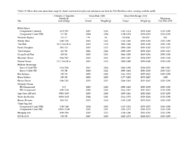
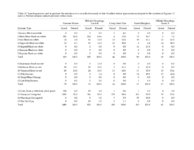
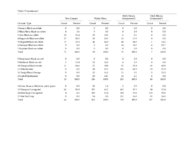
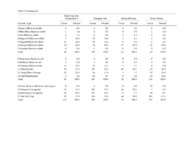
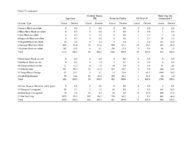
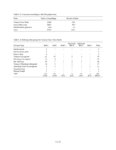
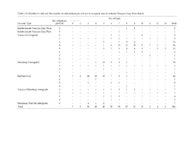
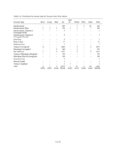
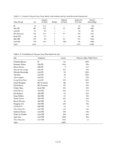
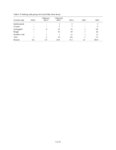
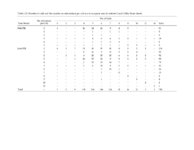
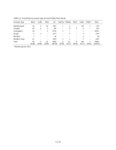
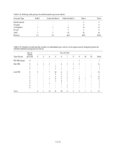
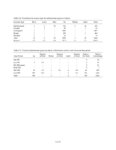
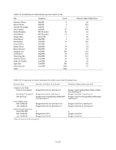
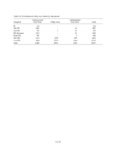
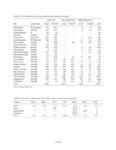
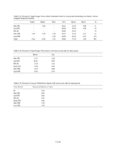
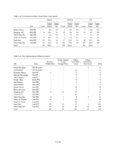
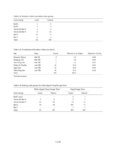
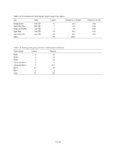
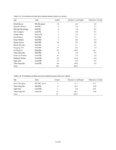
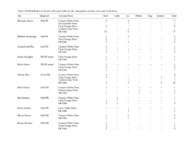
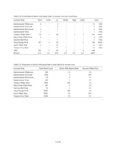
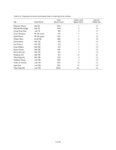
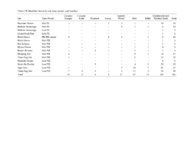
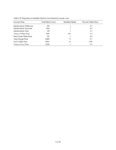
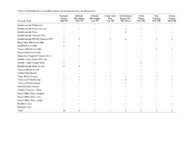
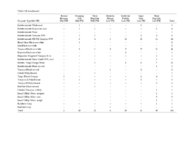
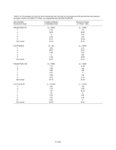
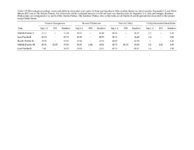
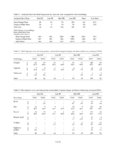
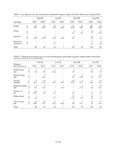
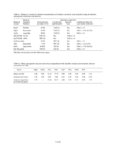
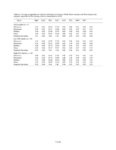
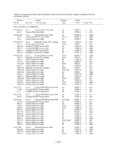
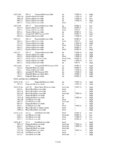
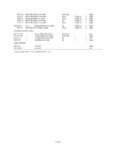
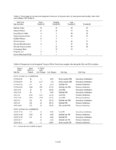
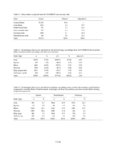
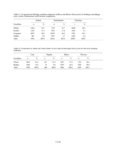
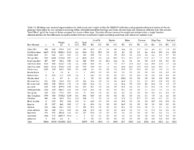
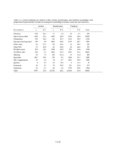
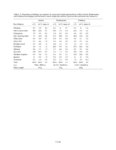
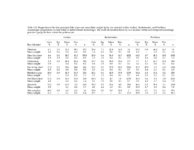
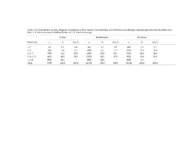
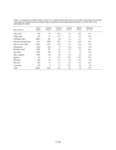
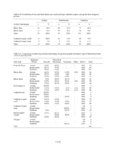
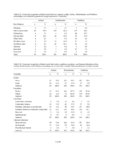
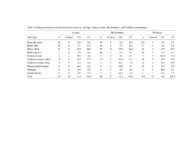
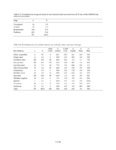
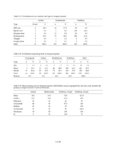
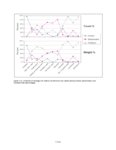
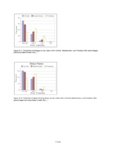
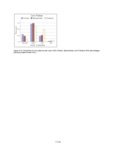
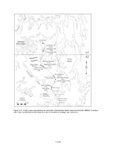
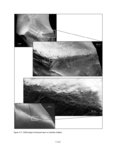
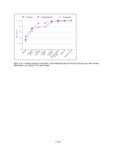
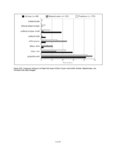
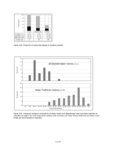
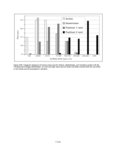
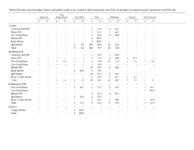
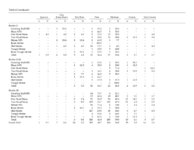
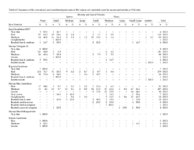
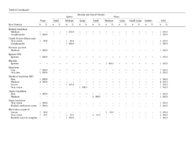
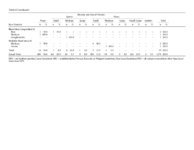
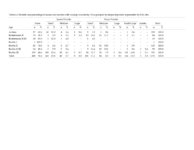
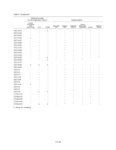
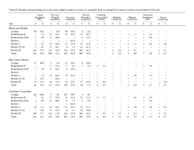
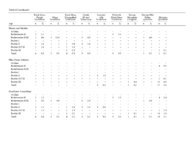
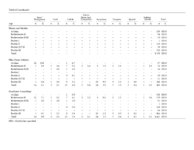
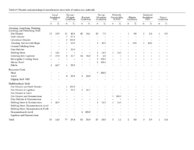
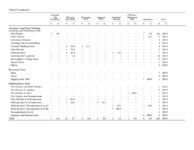
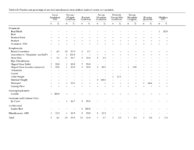
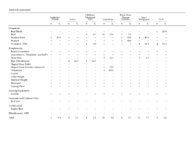
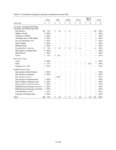
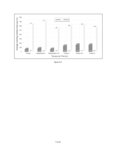
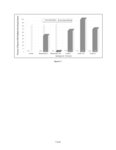
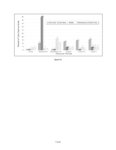
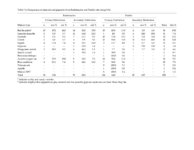
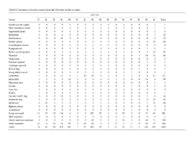
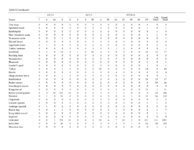
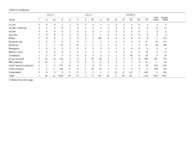
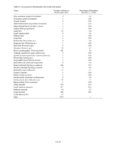
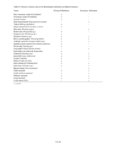
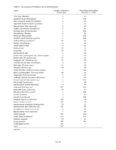
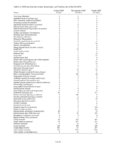
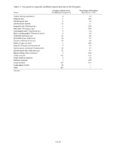
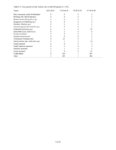
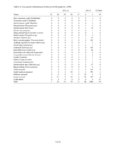
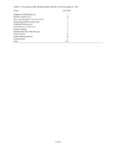
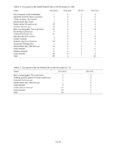
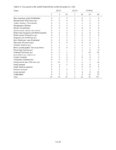
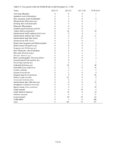
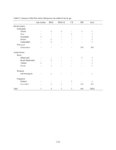
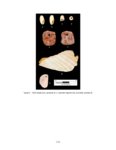
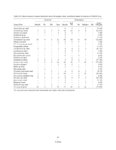
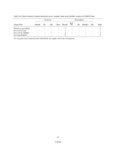
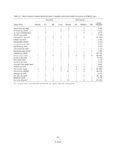
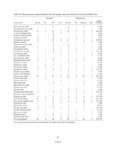
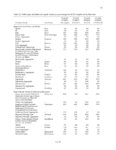
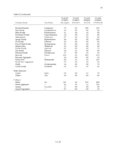
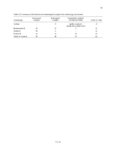
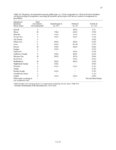
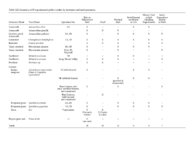
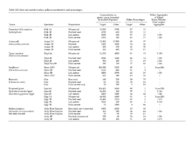
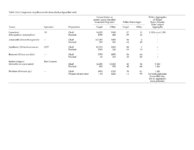
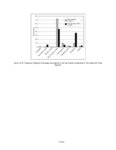
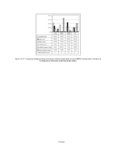
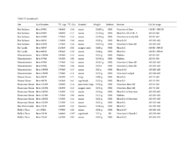
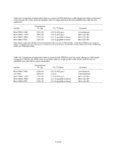
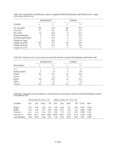
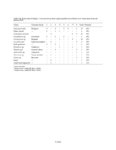
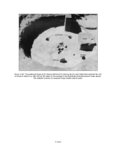
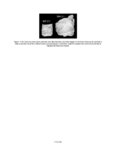
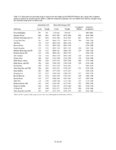
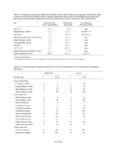
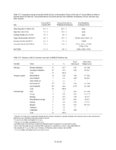
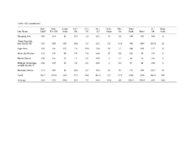
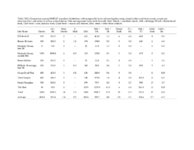
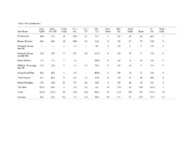
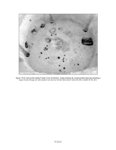
Show material occurs locally (orthoquartzite) in the washes draining the mountain or moderately close to where it can be obtained from the river gravels of the San Juan River. Both Puebloan and Archaic sites were located in this area and they yielded the majority of quartzite debris. Basketmaker sites were concentrated on the southeast edge of the Rainbow Plateau and the high divide that links this plateau to the Shonto Plateau. The preferred Basketmaker II raw material largely reflects this geographic site distribution because Owl Rock chert accounts for more than 42 percent of the Basketmaker assemblage by count and more than 70 percent by weight (Table 5.10); 66 percent of this raw material overall came from the Basketmaker II assemblage, far more than expected by simple proportion to assemblage size. Obtainable from outcrops in Piute Canyon, with its excellent farmland, this material is the closest source of large nodule chert for this portion of the ROW. Another material obtainable from Piute Canyon is petrified wood and this material too exhibits its highest proportion of use during the Basketmaker period. Specialized Production of Grinding Tools? Sandstone provides another marked contrast in raw material use among the three temporal periods. More than 90 percent of all sandstone flakes came from Puebloan sites/components; moreover this material accounts for less than 1 percent of both the Archaic and Basketmaker assemblages but almost 10 percent of the Puebloan assemblage. Virtually all of the sandstone flakes are derived from the production of grinding tools-manos and metates. At Puebloan sites with masonry rooms built of scabbled or otherwise shaped blocks, sandstone flakes from room construction can be common. This is not the case in the study area because few of the blocks are shaped and indeed many of the houses are fully or partially subterranean, built of jacal or of unshaped sandstone pieces when of masonry. Even in regions where scabbled masonry is common it can be possible to separate sandstone debris from masonry block production from grinding tool debris because of differences in sandstone type. Easily worked sandstone (poorly cemented) is most commonly used for masonry blocks whereas manos and metates are more frequently made of well-cemented sandstone in order to limit food grit. Navajo and Kayenta sandstones are mainly used for masonry blocks and slabs in the N16 project area, and while these material types were used for expedient grinding tools that require little or no shaping, the silicified sandstone that accounts for most of the sandstone flaking debris is the preferred material type for formalized manos and metates (also mauls) and was rarely used in house construction. The greater incidence of sandstone flakes in the Puebloan assemblage is doubtless a reflection of at least two things: (1) the larger (two-hand) and more formal manos that were used during the Puebloan period and (2) the more intensified, staged maize processing by Puebloans, which required the use of sandstones with various textures, sandstones that generally occur in forms that required shaping or even thinning to become usable tools. In contrast, stream cobbles could suffice for the small (one-hand) manos used during the Archaic and Basketmaker periods; these cobbles required no production input or shaping by pecking. The same was also generally true for Archaic and Basketmaker metates, which tended to be made of unshaped or minimally plan-shaped slabs. There is also evidence that Puebloan groups living around the foot of Navajo Mountain might have made grinding tools and mauls for exchange, which does not appear to have been the case during Basketmaker or Archaic times, so production beyond local need would add more sandstone debris at some Puebloan sites. Perhaps the earliest mention of the special qualities of the silicified and vesicular sandstone that occurs at Navajo Mountain was by Beals et al. (1945:79). With reference to a dense light-colored sandstone used for mauls at site RB568 in the Kayenta valley, they stated that "the Navajos still prize this stone for manos and say that it is brought in from somewhere near Navajo Mountain." The Navajo workers hired by Beals evidently felt certain about their identification of the stone source even though the tools were found some 40 km away. A Navajo women living at the foot of Navajo Mountain continues to make manos and metates of this sandstone and although she currently uses railroad spikes for her pecking tools, she originally learned by using pecking stones and still uses them on occasion. Anasazi habitations clustered around the base of Navajo Mountain where this stone occurs naturally as talus boulders or in stream deposits contain abundant sandstone debris from this sandstone as well as numerous grinding tools made therefrom. The report by Lindsay et al. (1968) mentions unfinished manos both whole and broken (mano blanks or preforms) from various sites around the north and east foot of Navajo Mountain. The extent of production debris that occurs at sites of this area became evident from the 1981 excavation of a Pueblo II habitation also on the northeast side of Navajo Mountain. At this site (UT-V-13-19) the screening of flotation sample heavy fraction from the midden through graduated sieves revealed that a considerable bulk of the rock fragments in the midden consisted of grinding tool production debris, ranging from tiny chunks up to 15 cm in size (Geib 1985:192, Figure 65). The NMRAP findings further corroborate the finding of grinding tool production at sites clustered V.5.25 |