| OCR Text |
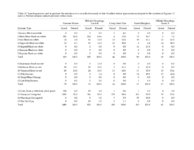
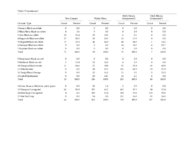
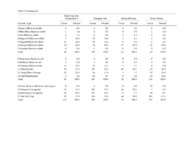
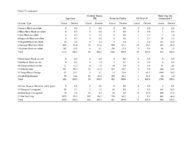
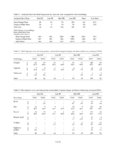
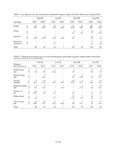
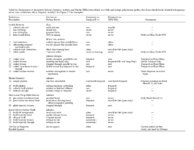
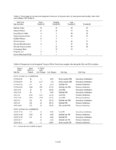
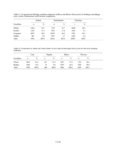
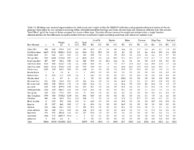
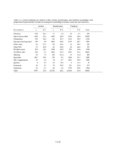
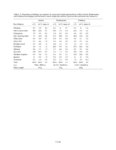
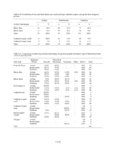
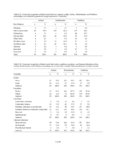
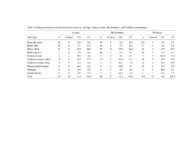
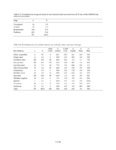
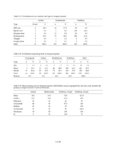
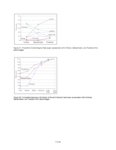
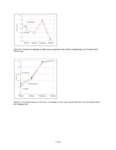
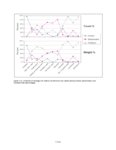
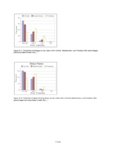
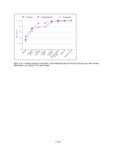
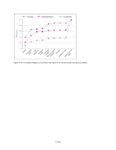
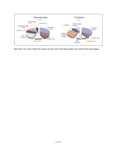
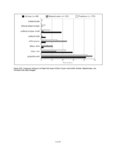
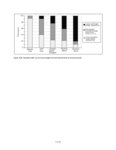
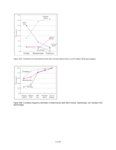
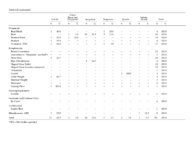
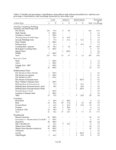
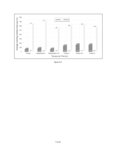
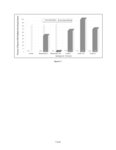
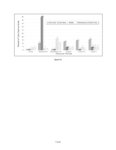
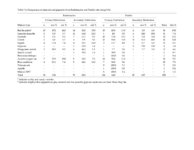
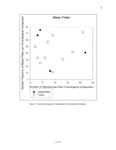
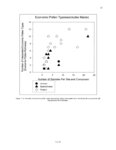
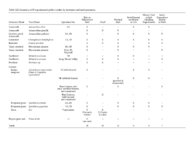
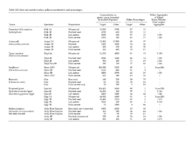
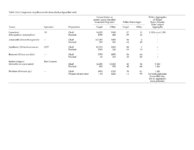
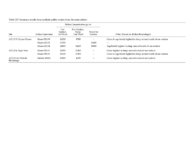
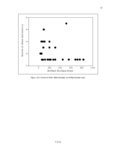
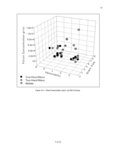
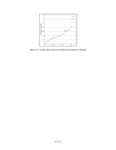
Show over time. One of these was the switch from one-hand manos to two-hand types. If the assumption that two-hand manos used in conjunction with trough and formalized slab metates were primarily used for grinding maize is accurate, then the food-grinding kit of the N16 site inhabitants became more formalized and specialized toward maize processing with each succeeding temporal period. Other changes suggesting increased grinding tool kit formalization were the creation of mealing bins at 11 N16 sites, all of which date to the Pueblo II and Pueblo III periods, and an increase in the types of possible foodprocessing tools during the Pueblo III period. Also, the grain size, vesicularity, and raw material diversity of the stones used to manufacture manos and metates increased over time. All of these changes indicating formalization of the food-grinding tool kit could be the result of increased subsistence specialization and growing agricultural dependence. Agriculture Transition and Subsistence Specialization Conclusion The transition to agriculture and the growing importance of domesticates in the prehistoric diet is observable in the food-grinding tool assemblages from N16. Although not necessarily a reliable measure, comparing the relative abundance of different morphological tool types does show an increase in some tools commonly associated with maize grinding. The percentage of one-hand manos decreases over time as the percentage of two-hand manos increases. Within the N16 assemblages two-hand manos first appeared during the Basketmaker II period, and by Pueblo II times they were more common than onehand types. The earliest "true" trough metate dated to the Pueblo I period, although basin-troughs appeared during the Basketmaker II period. Trough metates never became the most common metate type; this distinction was held by unformalized slab metates, which dominated the assemblages from the Archaic through Pueblo III, although after Pueblo II their frequency began to steadily decline. Changes in mano grinding surface area and the number of use-surfaces on manos might respectively reflect increasing grinding efficiency and grinding intensity. Trends among these two measures paralleled each other very closely, and indicated that reliance on ground food fluctuated but generally increased until Pueblo III times. Although the average area of grinding surfaces on two-hand manos dropped during the Pueblo III period it appeared to be somewhat compensated by a rise in the grinding area of one-hand manos. Likewise, even though the percentage of two-hand manos with multiple grinding surfaces decreased during that period the number of one-hand tools with multiple grinding surfaces rose. Based on a study that found correlations between mean mano length and a group's degree of reliance on agricultural goods (Hard 1990), the average length of whole and reconstructible manos was examined, compiled, and compared to a tentative index of agricultural dependence. Using this data it appears that dependence on agricultural goods at the N16 sites was not very high until the Pueblo II-III period, a trend that continued into the Pueblo III period. Several changes were indicative of increased formalization of the mano and metate tool kit and specialization toward maize processing in the later N16 Puebloan assemblages. Among these were the creation of mealing bins at Pueblo II and Pueblo III periods sites, an increase in the types of possible foodprocessing tools during the Pueblo III period, and use of a larger array of grain sizes (mostly coarsergrained stone) and a wider variety of more vesicular material during the Pueblo III period. Such a change might be due to increasing reliance on maize that necessitated coarser grinding textures better suited for processing the larger kernels. Taken together the rise in mano and metate grinding efficiency, the indications of growing grinding intensity, and the increasing formalization of the food-processing tool kit all point toward growing use of agricultural foodstuffs. By the Pueblo III period the inhabitants of the N16 sites appear to have been heavily dependent on agriculture and the use of maize, relying far less on hunting and gathering than during earlier periods. CRAFT PRODUCTION AND EXCHANGE The acquisition and processing of resources into tools and other crafts was a central aspect of prehistoric economy. Closely tied to craft production is exchange, or the transfer of material or goods between individuals or social groups. Identifying specialized craft production and exchange is important for developing a more complete understanding of prehistoric societies in the Southwest. In this section changes in lithic material preferences and groundstone production loci are examined in order to gain more insight into these topics. Different ratios of grinding tool design and secondary use of local and nonlocal stone might indicate different strategies for procuring and using lithic raw materials. Knowing the locations where artifacts were produced could contribute to determining if craft production or specialization occurred at the individual, household, or community levels, and if it varied from site to site or over time. Similarly, grinding tool design and secondary use of tools can provide information not only V.6.18 |