| OCR Text |
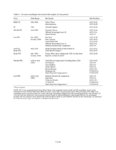
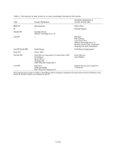
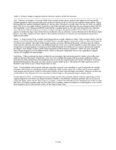
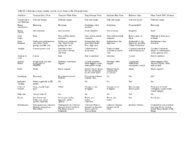
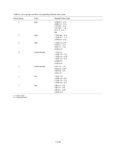
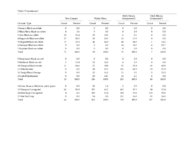
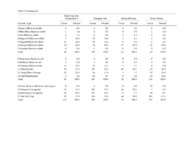
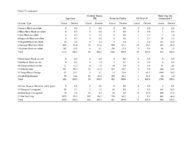
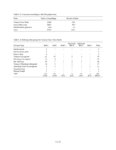
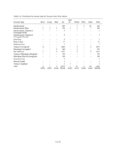
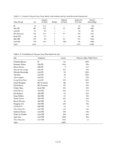
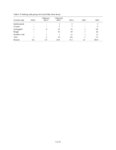
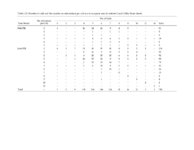
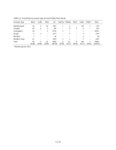
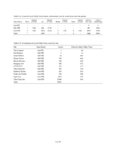
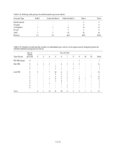
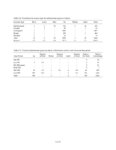
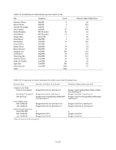
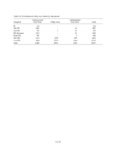
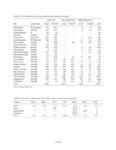
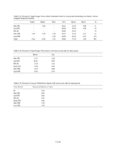
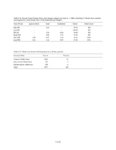
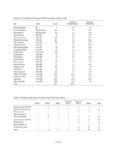
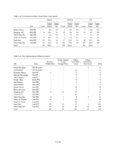
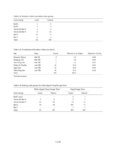
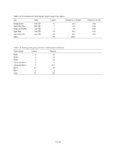
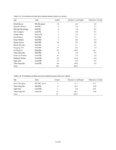
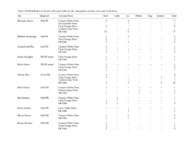
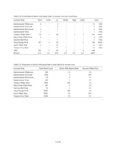
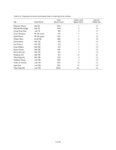
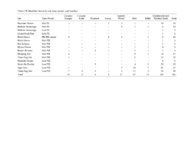
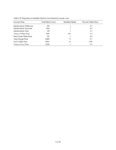
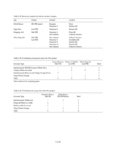
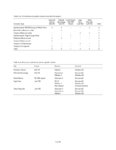
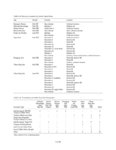
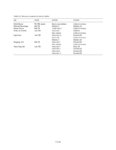
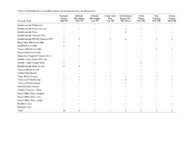
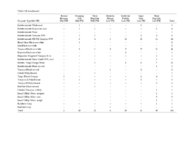
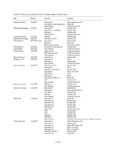
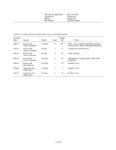
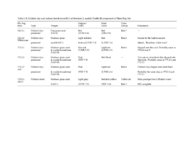
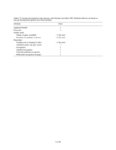
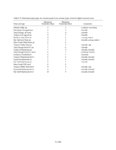
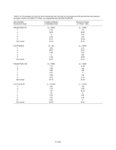
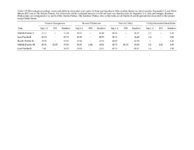
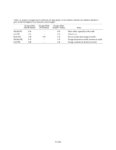
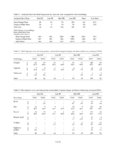
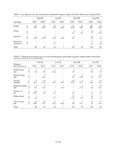
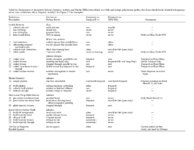
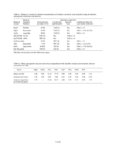
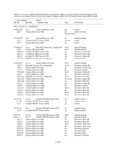
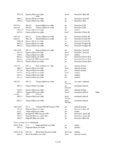
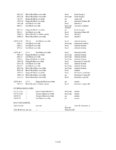
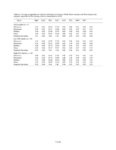
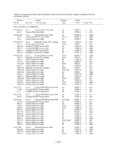
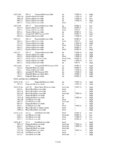
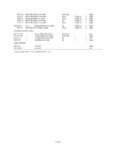
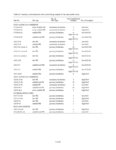
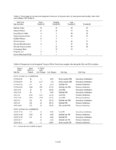
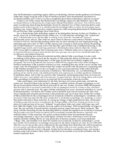
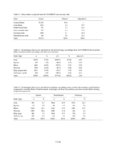
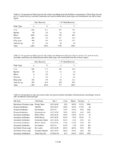
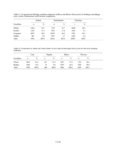
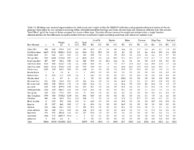
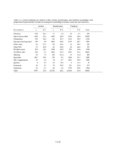
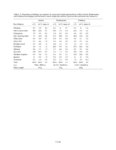
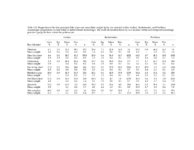
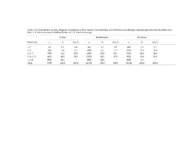
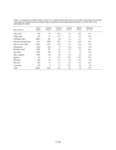
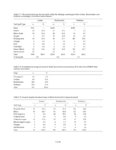
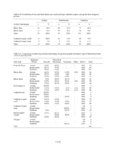
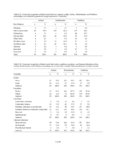
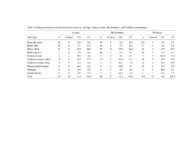
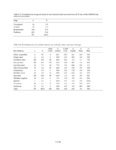
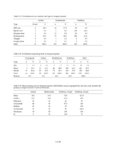
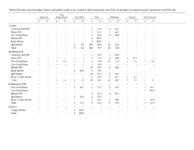
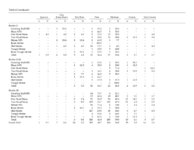
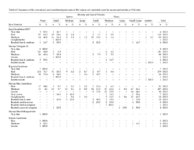
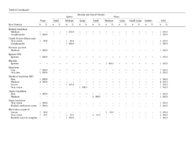
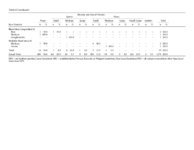
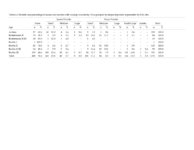
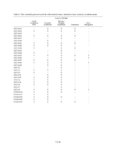
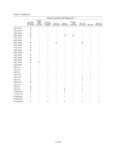
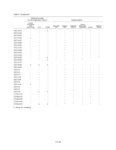
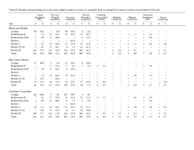
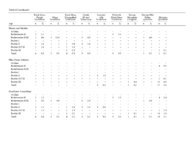
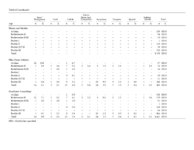
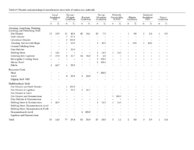
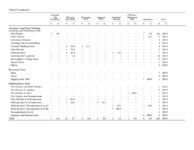
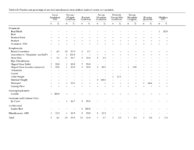
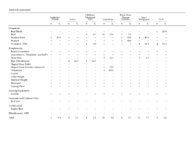
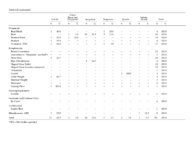
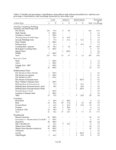
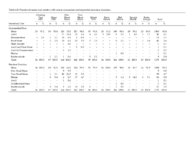
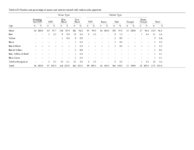
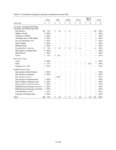
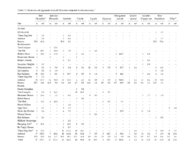
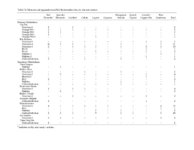
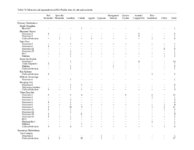
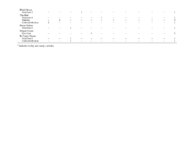
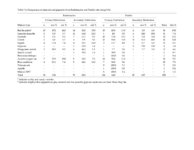
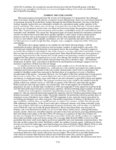
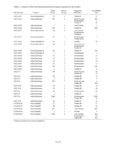
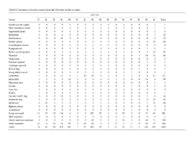
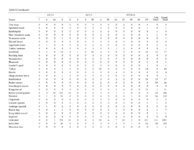
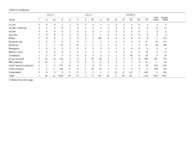
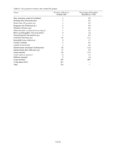
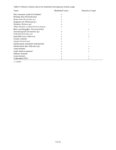
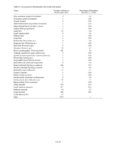
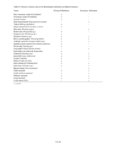
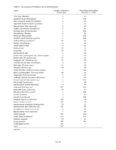
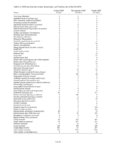
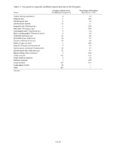
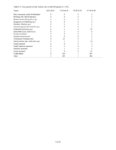
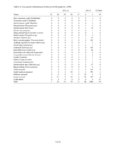
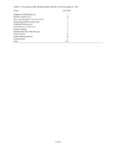
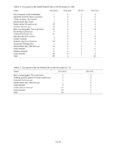
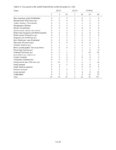
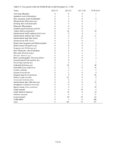
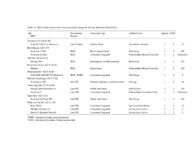
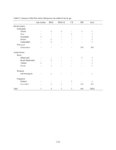
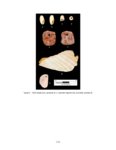
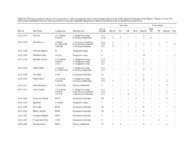
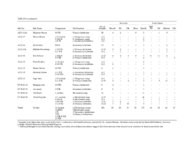
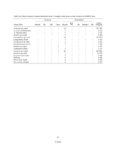
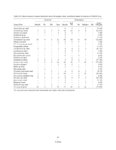
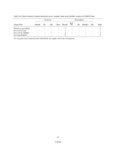
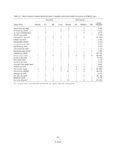
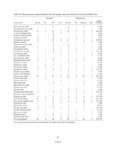
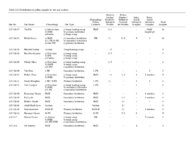
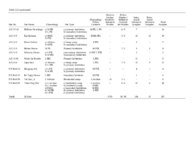
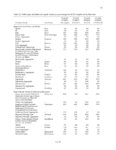
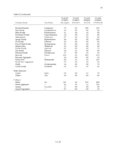
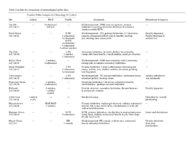
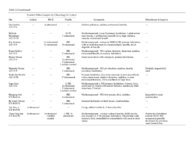
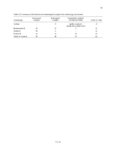
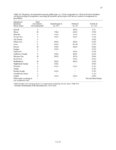
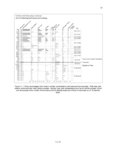
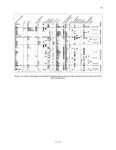
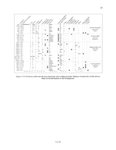
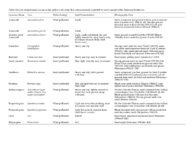
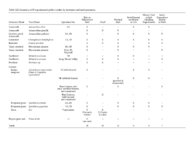
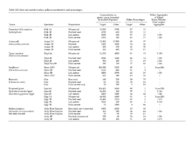
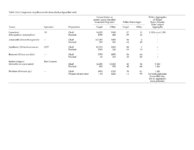
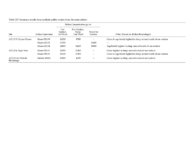
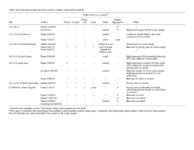
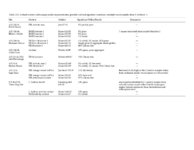
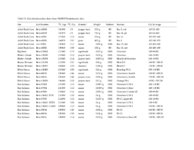
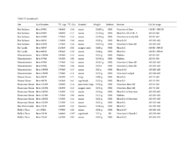
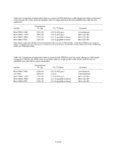
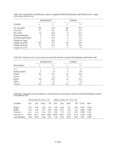
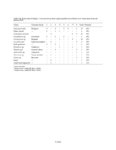
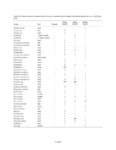
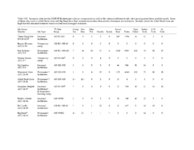
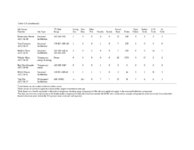
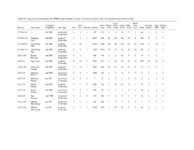
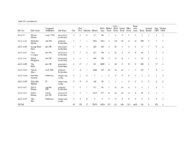
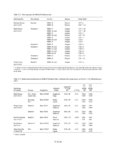
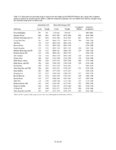
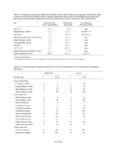
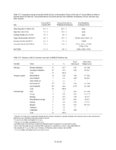
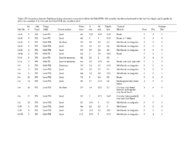
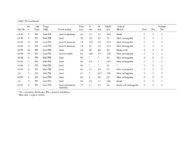
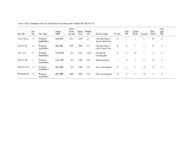
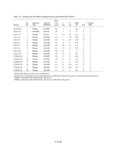
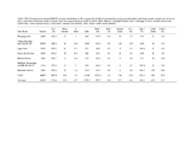
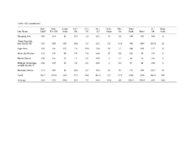
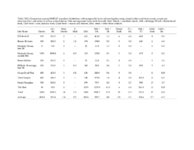
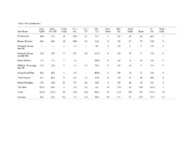
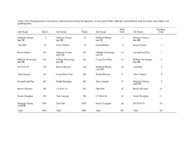
Show As noted, the Pueblo I period is represented by a single site, AZ-J-14-20, a temporary camp. Three taxa were identified in the two samples from the site (Table 10.6). The limited representation of the Pueblo I period within the N16 corridor, and consequently within the macrobotanical database, makes comparing this site to any other time period or site essentially meaningless. Pueblo II Period The macrobotanical assemblage from Pueblo II contexts was derived from 67 flotation samples. Seven Pueblo II components contributed to the assemblage, representing both primary and secondary habitations and a couple of temporary camps. Taxon diversity is almost as high as noted in the Basketmaker II macrobotanical assemblage, although the overall frequency of occurrence is lower for most taxa. There is a consistent representation of maize. There is, however, a noticeable lack of evidence of squash (Cucurbita) or beans (Phaseolus), both of which would be expected if Pueblo II occupants were farming in the area. The lack of evidence for these two cultigens does not necessarily mean they were not being cultivated; these two domesticates have a much lower preservation potential than maize in the archaeological record because of soft tissue structure (Gasser and Adams 1981). Also, the common prehistoric preparation technique of boiling would further decrease the likelihood of recovering evidence of these plant. Squash pollen was present, however, in two of the Pueblo II sites sampled (AZ-J-14-11 and AZ-J-3-14), but on a limited scale (see Chapter 11, this volume). Goosefoot seeds occur in this assemblage in high frequency, but there is a slight decrease in both diversity and frequency of other pioneer plant remains, such as Corispermum, Cycloloma, and Portulaca. If the Pueblo II population was becoming more invested in an agricultural economy, the decrease in weedy plants that are companions in agricultural fields is a bit surprising. Juniper and pinyon wood were still the favored wood resources, with the former appearing to be the preferred fuel source. This preference was apparent in the macrobotanical assemblage from the earlier components as well. Pueblo III Period The Pueblo III macrobotanical assemblage was derived from 136 flotation samples collected from 14 components (Table 10.8). This assemblage increases in both diversity of taxa and overall frequency of occurrence for many taxa. The Pueblo III components included more primary habitations, which provide a better environment for preservation of botanical remains compared to less architecturally formalized site types. Also, primary habitations imply longevity and intensification of occupation, resulting in a greater accumulation of botanical remains and therefore a greater chance for increased representation of plant resources in the archaeobotanical record. The greatest difference between the macrobotanical assemblage from the Pueblo III period and the earlier periods is the evidence of beans (Phaseolus vulgaris) and squash (Cucurbita), with the latter most likely to be the species C. pepo. Fragments of squash rind were recovered from samples collected at AZ-J14-21 (Ditch House) and a single seed was found in a sample from UT-B-63-14, Hanging Ash. Evidence of bottle gourd (Lagenaria siceraria), another domesticate, was also recovered from Ditch House. A fragment of a single seed, possibly Cucurbita foetidissima (buffalo gourd), which is a wild cucurbit that is not usually considered palatable, was recovered from a hearth sample collected at AZ-J-2-6 (Sapo Seco). Squash pollen was also identified from the Pueblo III component of UT-B-63-39, Three Dog Site. This site produced the only evidence from flotation samples of beans, with two cotyledon fragments found in the hearth of a structure. Vegetal material was recovered directly from the field during excavation of the seven sites with Pueblo III components. This material was not sent to the analyst for identification and is therefore not included in the macrobotanical database. These remains, identified in-house by Phil Geib, are described in the individual site reports. The sites are AZ-J-2-3 (Hymn House), AZ-J-2-5 (Modesty House), AZ-J-2-6 (Sapo Seco), AZ-J-2-58 (Water Jar Pueblo), UT-B-63-14 (Hanging Ash), UT-B-63-19, and UT-B-63-39 (Three Dog Site)-the latter site produced the evidence of beans. The vegetal material from these sites mostly consisted of various parts of maize, most notably kernels and cupules, but also cob fragments, shanks, and stalks. Pinyon cone scales and juniper seeds were also collected. At Three Dog Site, vegetal material from the middle Pueblo III component also included a couple of Opuntia (prickly pear cactus) seeds, and the late Pueblo III component yielded a squash seed, a bean cotyledon, and Celtis (hackberry) seeds, although no hackberry remains were found in flotation samples. In addition to corn, a single bean cotyledon, a fragment of Phragmites (common reed), and a possible Gossypium (cotton) seed were found at Water Jar Pueblo. Cultivation of cotton during Pueblo III in the area of Glen Canyon is well documented (Cutler 1966) and coprolite evidence suggests that by Pueblo III times, cotton seeds had become an 7 V.10.7 |