| OCR Text |
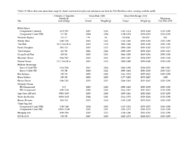
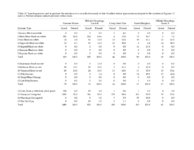
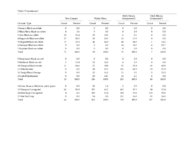
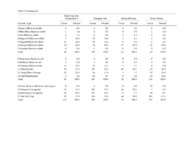
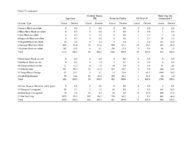
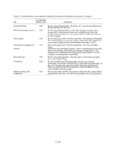
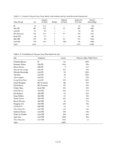
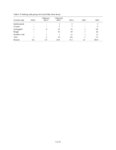
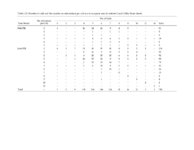
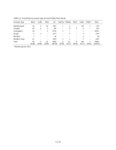
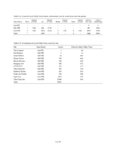
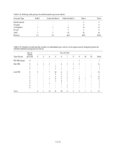
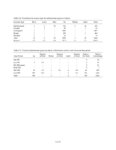
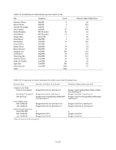
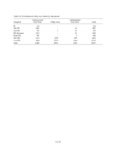
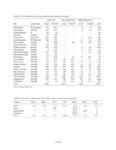
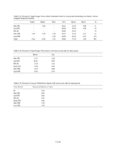
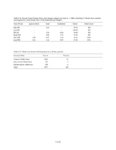
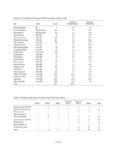
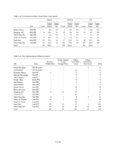
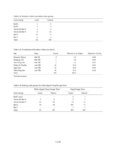
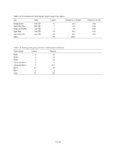
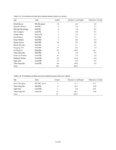
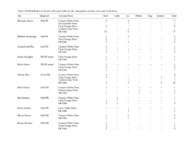
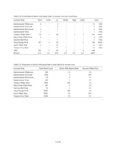
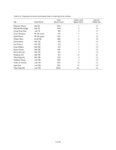
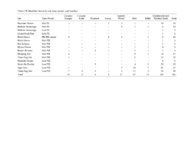
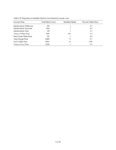
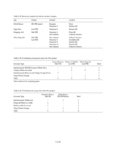
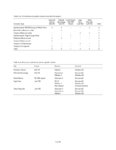
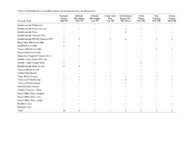
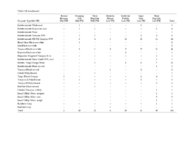
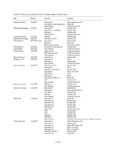
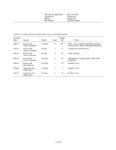
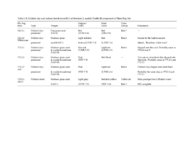
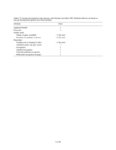
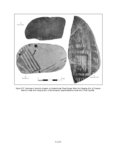
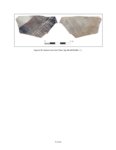
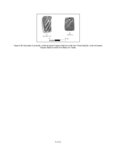
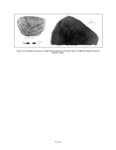
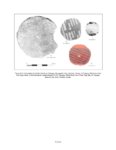
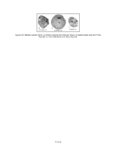
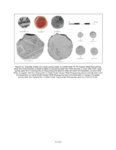
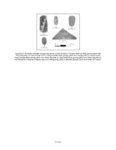
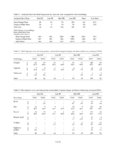
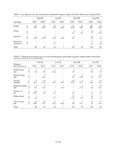
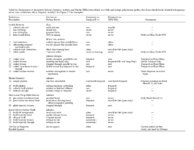
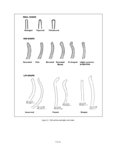
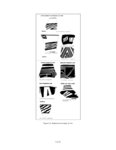
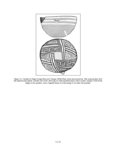
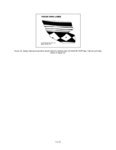
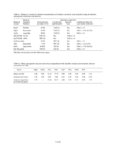
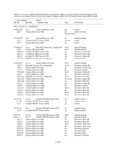
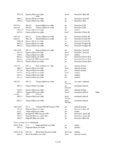
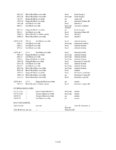
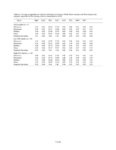
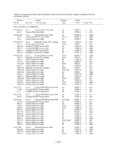
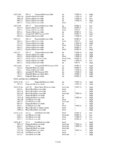
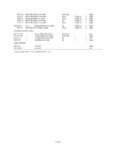
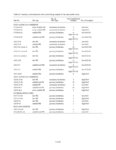
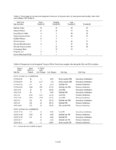
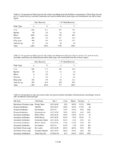
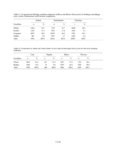
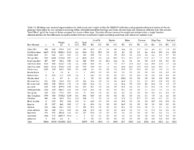
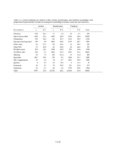
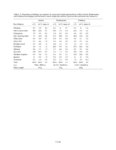
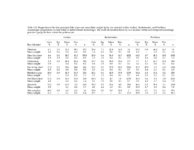
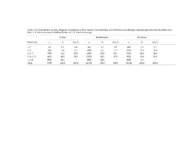
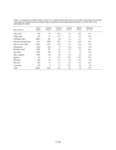
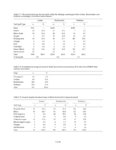
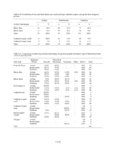
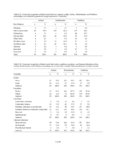
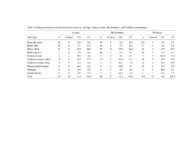
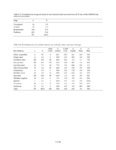
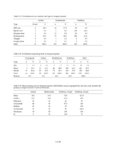
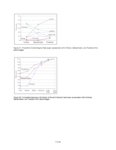
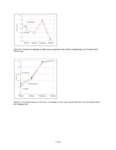
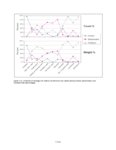
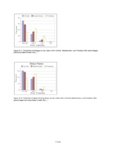
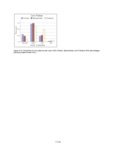
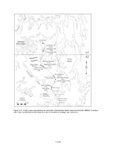
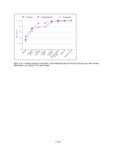
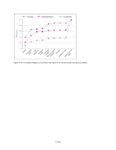
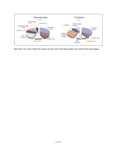
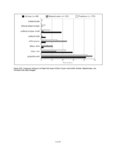
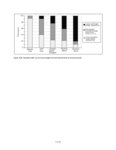
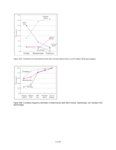
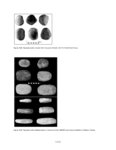
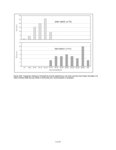
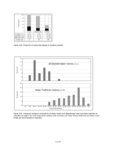
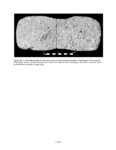
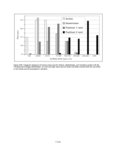
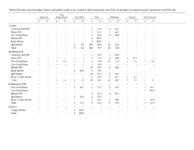
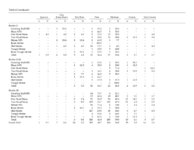
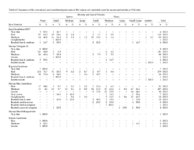
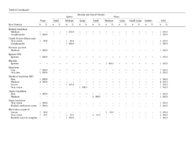
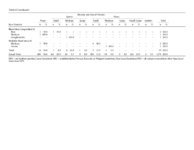
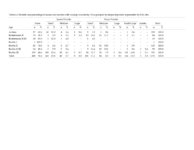
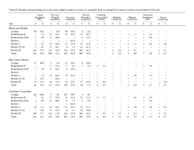
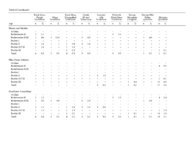
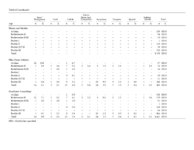
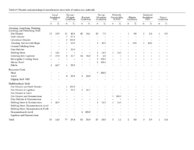
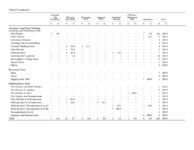
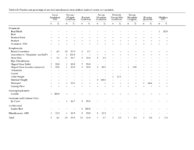
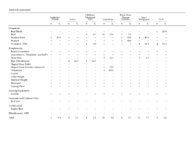
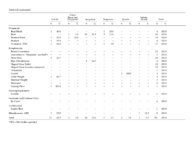
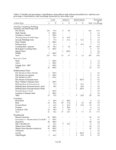
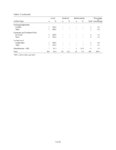
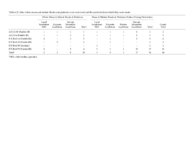
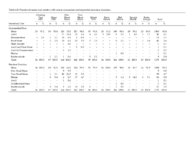
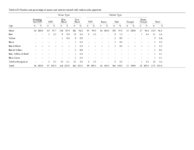
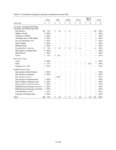
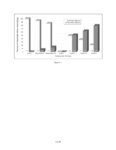
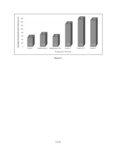
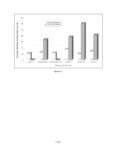
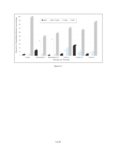
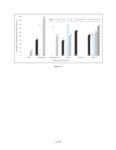
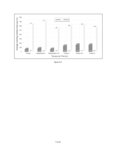
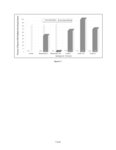
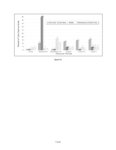
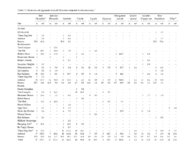
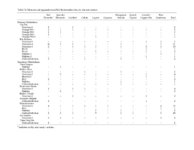
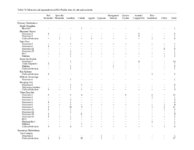
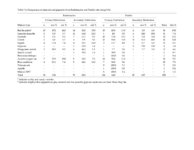
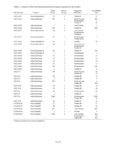
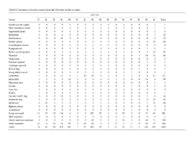
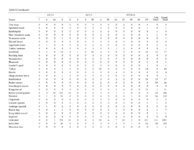
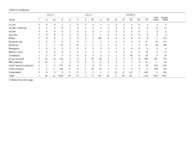
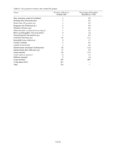
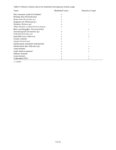
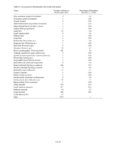
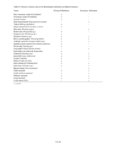
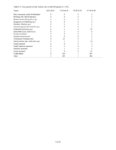
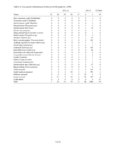
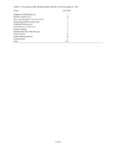
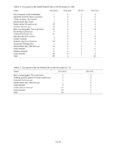
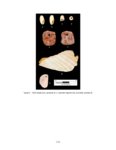
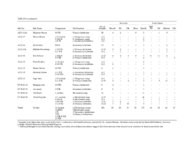
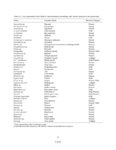
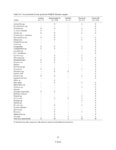
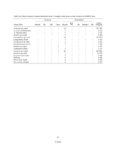
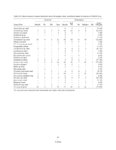
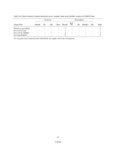
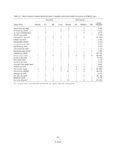
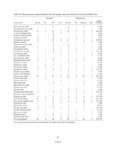
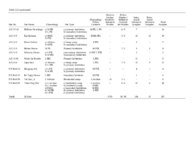
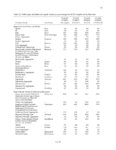
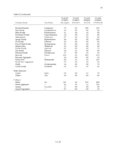
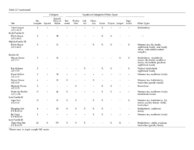
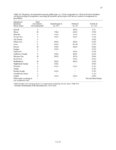
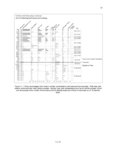
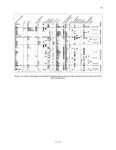
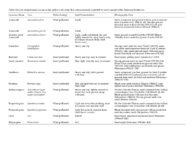
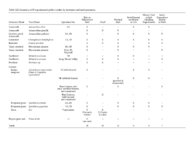
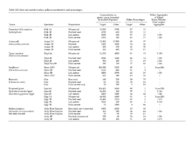
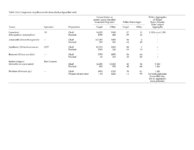
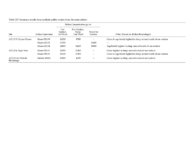
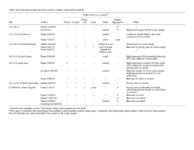
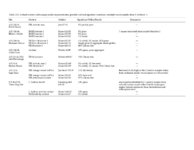
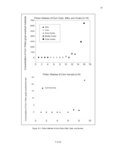
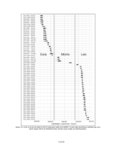
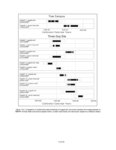
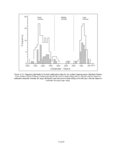
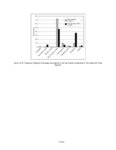
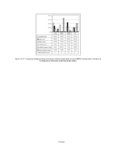
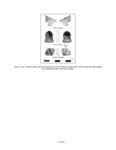
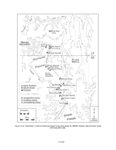
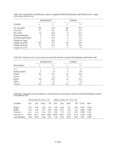
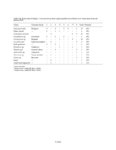
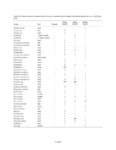
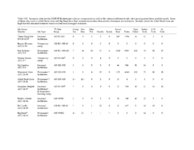
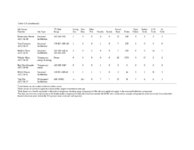
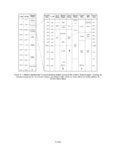
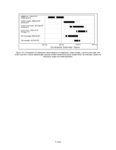
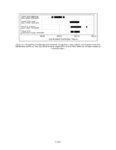
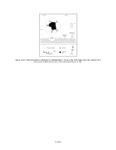
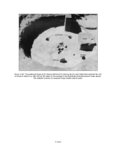
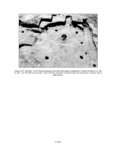
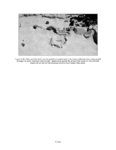
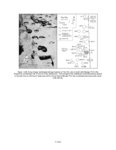
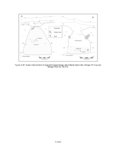
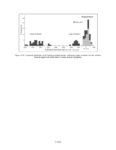
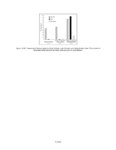
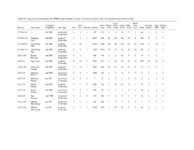
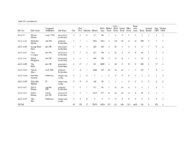
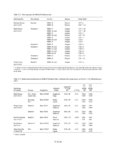
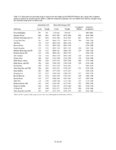
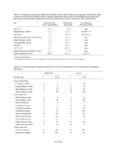
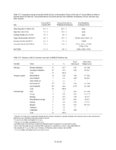
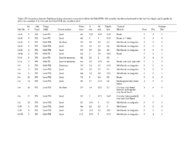
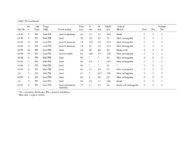
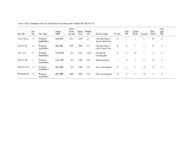
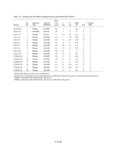
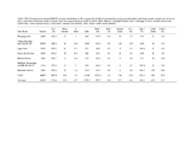
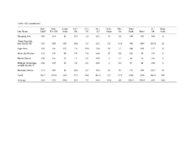
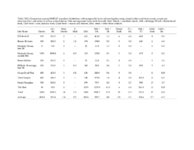
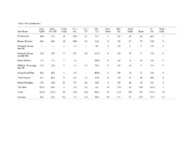
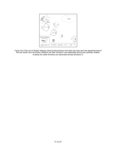
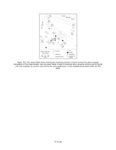
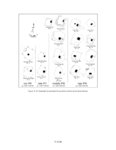
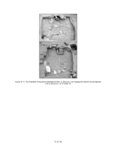
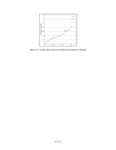
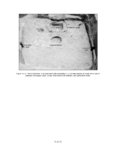
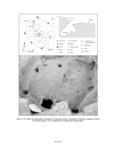
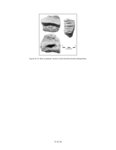
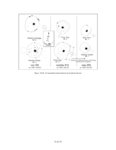
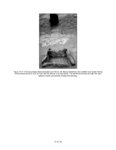
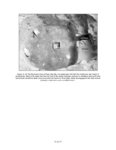
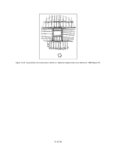
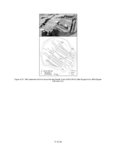
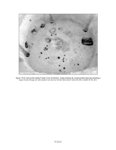
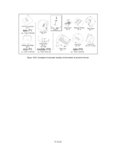
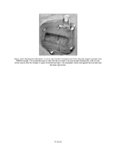
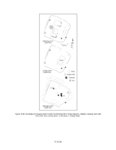
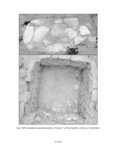
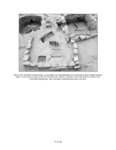
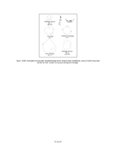
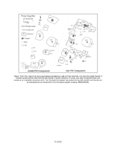
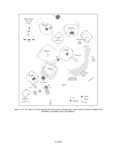
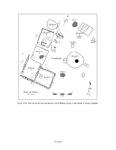
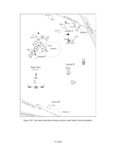
Show Formalization of the Food-Grinding Tool Kit A rise in subsistence specialization and dependence on agriculture should be reflected in increased formalization of the food-grinding tool kit. Such formalization can be measured in a variety of ways. As previously discussed, it frequently has been assumed that one-hand manos and basin metates were associated parts of a grinding tool kit particularly suited for processing wild seeds and nuts. Likewise, the assumption was that two-hand manos used in conjunction with trough and formalized slab metates were primarily used for grinding maize (Bartlett 1933:27; Martin 1940:316, cited in Morris 1990:187; Martin and Plog 1973:216; Rinaldo 1943:177, cited in Woodbury 1954:60; Russell 1989:651). If this correlation were true then examination of the previous tables and figures in this chapter could be interpreted as showing the food-grinding kit of the N16 site inhabitants becoming more formalized and specialized toward maize processing with each succeeding temporal period. The percentage of one-hand manos decreased over time as the percentage of two-hand manos and formalized slab metates increased. However, as previously discussed, correlations made between certain tool forms and the specific plant resources they were used to process have been overly generalized and it would be unreliable to make determinations of the prehistoric diet based solely on grinding tool morphology. For example, at Broken K Pueblo near Snowflake, Arizona, most of the rooms had one or two mealing bins-features often assumed to be used primarily for processing maize (as discussed below)-yet pollen counts and macrobotanical remains indicated that site inhabitants were relying more heavily on wild plants than on domesticates (Hill 1970:90-91). Mealing Bins Another change indicating growing formalization of the food-grinding tool kit was mealing bin construction. These architectural features allowed semi-permanent installation of metates and could be considered formal milling installations. Series of adjacent milling bins have been found at many Puebloan sites throughout the Southwest. Many have been interpreted as being constructed to allow sequential stages of maize grinding, employing two or more metates and manos of increasingly finer textures. Several researchers believe these multistage installations were similar to those ethnographically recorded as being used by Hopi women to grind maize (Bartlett 1933:27-29; Christenson 1987:55-58; Fratt 1991:73- 74; Hill 1970:48; Russell 1989:652; Woodbury 1954:58-59). Nevertheless, Schelberg (1997) noted that sequential changes in grain size (the characteristic most often used to gauge grinding texture coarseness) did not always occur in prehistoric metates used in sideby-side mealing bins. At Chaco Canyon he found that most (usually more than 90%) of the recovered metates had fine or very fine grains. He suggested that a slightly different technique, involving a combination of pecking the grinding surfaces and extended grinding, was used to achieve the same end result of finely ground material. Additionally, ethnographic reports indicate that slab metates were historically used in mealing bins, yet nearly all the metates from Chaco Canyon were trough varieties. Regardless of the degree of similarity between historic and prehistoric mealing bins it is clear that these features represent an increase in specialized use of space (see Cordell 1984:230-237) and therefore an increase in the formalization of the grinding tool kit. Mealing bins were found at 11 N16 sites, all of which date to the Pueblo II and III periods. In all cases the metates had been removed and more often than not the bins themselves had been dismantled to varying degrees. This pattern, which is common at Anasazi sites (Bartlett 1933; Gumerman 1992:109; Schroedl 1989; Schelberg 1997:1016; Woodbury 1954:62-65), may be indicative of certain abandonment strategies when taken into consideration with other factors such as artifact condition, material sources and values, cost of production, and structure roof treatment (Schlanger and Wilshusen 1993). A minimum of 61 mealing bins were documented at the N16 sites, but because many side-by-side bins built in series were so thoroughly disassembled it was not possible to establish their precise number and it is very likely that there were more than 61 bins. In addition, many of the bins were located inside structures designated as mealing rooms-specialized structures that are almost exclusively dedicated to the task of food grinding, presumably maize. Mealing rooms are discussed in greater detail elsewhere in this chapter. Tool kit Diversity Another indication of formalization was an increase in tool kit diversity. Seven miscellaneous stone tools that might have been used for food processing or preparation were identified at the N16 sites. These tools consisted of three rectangular crushing stones, one griddle, one stone bowl/mortar, one multifunctional tool (used as a pestle, rubbing stone, and hammerstone), and one undifferentiated V.6.15 |