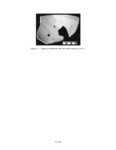
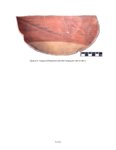
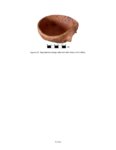
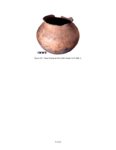
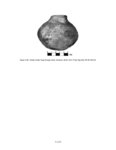
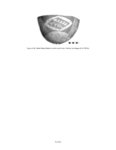
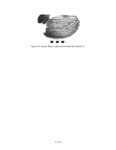
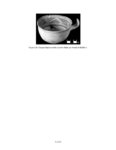
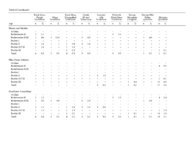
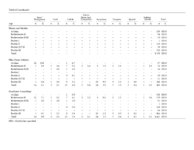
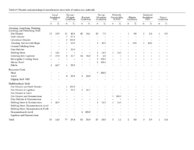
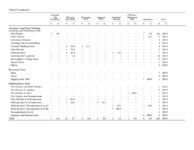
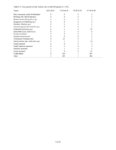
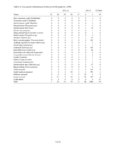
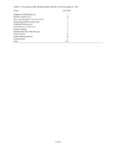
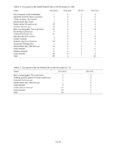
| OCR Text |
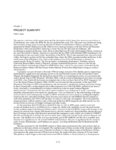
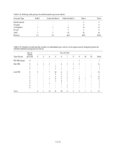
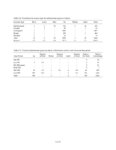
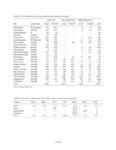
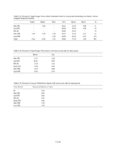
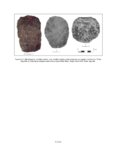
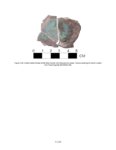
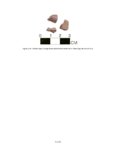
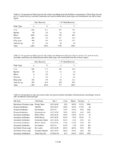
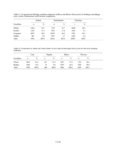
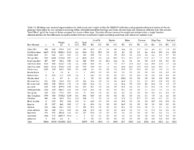
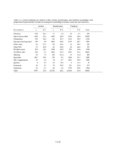
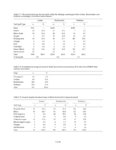
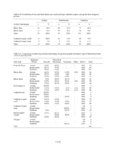
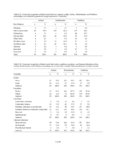
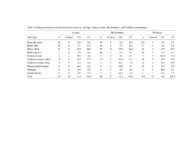
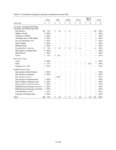
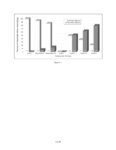
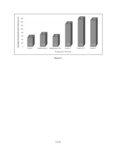
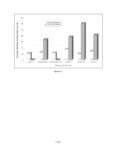
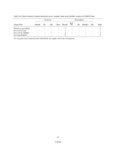
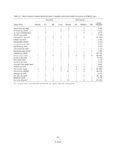
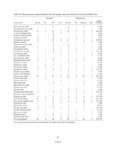
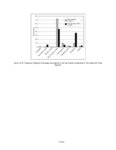
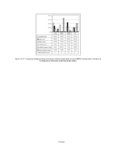
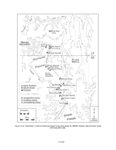
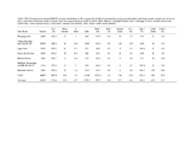
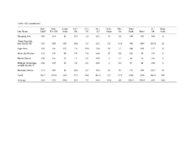
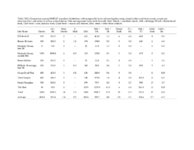
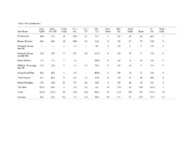
Show policy precluded even simple field examination and description. Intraregional Relationships When local and nonlocal ceramics can be differentiated and dated, ceramics contribute to an understanding of intraregional relationships in several ways. First, many researchers believe that the degree of stylistic diversity within any given time period provides clues about the degree of competition versus economic integration in an area (S. Plog 1980; Braun and S. Plog 1982; Cordell and F. Plog 1979). Second, when production locations can be specified, we may examine the distribution of sourced ceramics to elucidate intraregional trade in ceramics. We suggest here, along the lines of Geib and Callahan (1987), that Pueblo III period whiteware ceramics were produced along the flanks of Black Mesa, south of the study area, and traded north to the Navajo Mountain area. Some (but not all) redware ceramics were probably produced in the Navajo Mountain area. Some may have been traded south, but potters in the Long House Valley and Kayenta areas made at least some redware (Tsegi Orange Ware; Beals et al. 1945; see Chapter 3 in this volume and Chapter 5, Volume I). Some of this may have been traded northward. Similarly, a comparison of where ceramics were produced and where they are found provides information about interregional exchange. For example, ceramic evidence contributes to an understanding of relationships between inhabitants of the Navajo Mountain area and those of the Mesa Verde area. Stylistic comparisons among regions provide information about cultural boundaries. We note, however, that without a thorough study of other decorated objects and of rock art, it is rarely possible to specify what the nature of stylistic boundaries expressed in ceramics might have been (Hays 1992a). Techniques for sourcing ceramics were discussed under "Ceramic Technology." The traditional ware/type system also provides initial useful information about regional interaction, but we must also examine the degree to which N16 ceramics conform to type descriptions formulated outside the study area. To what degree did the inhabitants of the N16 project area conform to our previous descriptions of the Kayenta Anasazi people? For example, to what degree did local practices deviate from the Kayenta norms of pottery production? The distribution of types such as Rainbow Gray, thought to have been produced only in the Navajo Mountain area and not in Kayenta territory to the south, contributes to an understanding of this issue for the Pueblo III period. Questions about intraregional interaction are addressed as follows: 1. The relative proportions of whiteware and redware on sites over time and space, the probable sources of these wares, and their design styles are important. If, as we expect, these wares were produced in different regions, what does trade of these wares signify? Both wares include decorated bowls and jars. Were the functions of the vessels the same, and if so, was trade based more on social and symbolic relationships than on utilitarian needs? 2. The sources and distribution of grayware ceramics, including Rainbow Gray, which had different functions than decorated ware, are also very important. While trade in decorated ware may reflect relationships involving prestige and other symbolic factors, trade in utility vessels is more likely to reflect economic specialization, differential distribution of suitable materials, or procurement of special foods from outside the area that were transported in the pots. Note that there is no evidence for trade of special foods from outside the area. 3. Ceramics are an important line of evidence in understanding the large site/small site dichotomy in late Pueblo III. In addressing this question in the Rainbow City area, Geib and Ambler (1983) found that ceramic assemblages of large pueblos were identical to those found at small sites consisting of a few rooms, a courtyard group, or a pit house village. This may be true in terms of distributions of types, but the question must be asked again in terms of vessel forms, and specific stylistic and iconographic features. METHODS The bulk of ceramic artifacts were collected as unbiased samples; that is, all ceramics from the surface and excavated, screened proveniences were collected, processed, and analyzed regardless of type or size. In the laboratory, however, unmodified sherds smaller than the size of a nickel (about 2 cm) in maximum dimension were not analyzed. Large or unusual sherds, figurines, and worked sherds were collected from unscreened proveniences such as backhoe trenches, but these were not analyzed together with unbiased samples. Such items may be integrated into the project type collection, used in illustrations, or described separately as unusual items. Nonburial whole vessels were bagged with contents intact, so that a pollen wash could precede analysis of the vessel itself. V.2.5 |