| OCR Text |
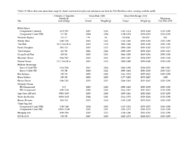
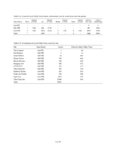
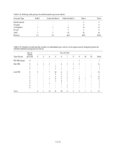
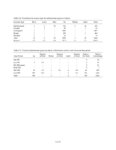
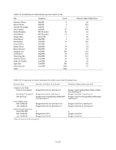
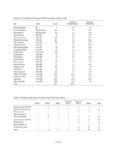
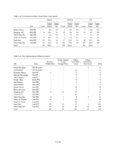
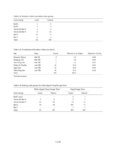
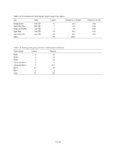
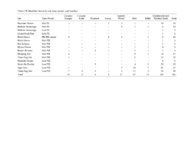
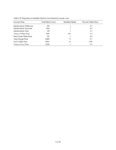
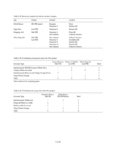
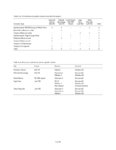
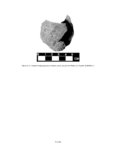
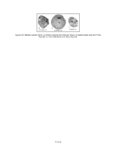
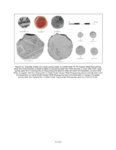
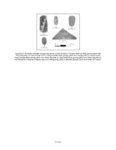
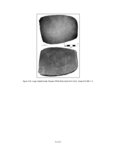
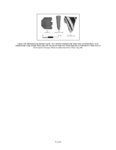
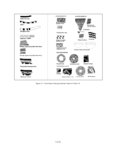
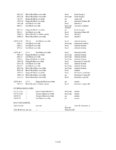
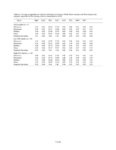
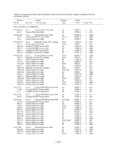
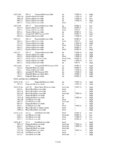
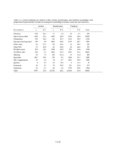
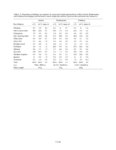
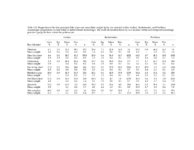
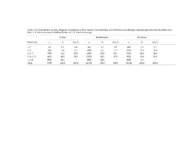
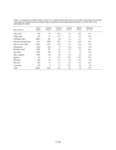
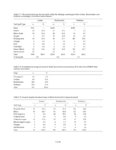
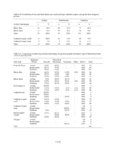
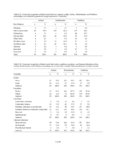
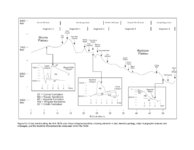
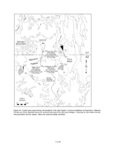
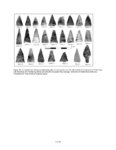
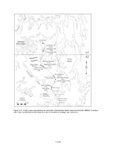
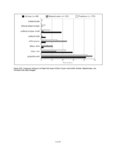
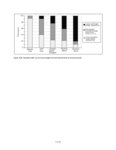
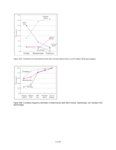
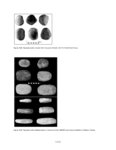
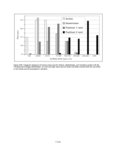
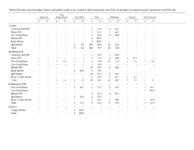
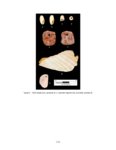
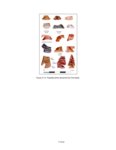
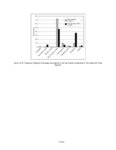
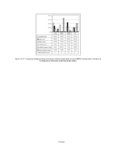
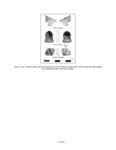
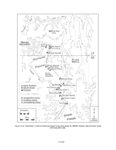
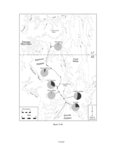
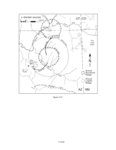
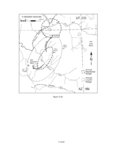
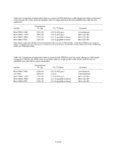
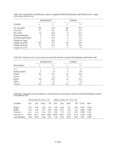
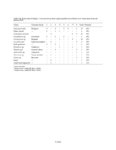
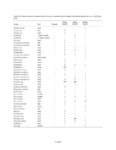
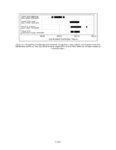
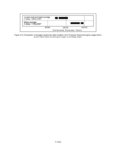
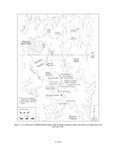
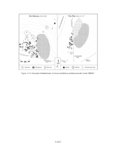
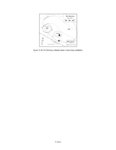
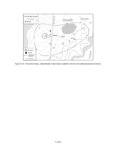
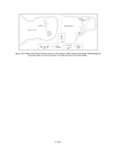
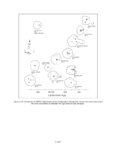
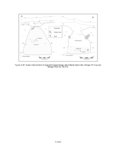
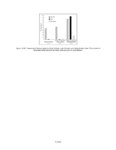
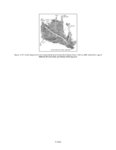
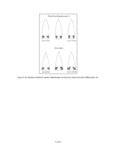
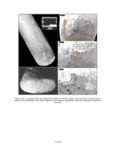
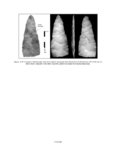
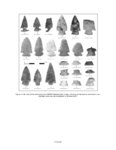
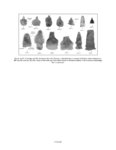
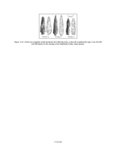
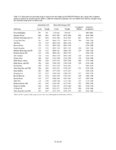
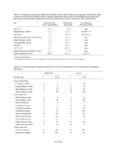
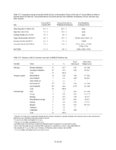
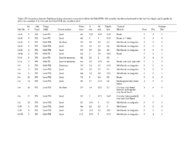
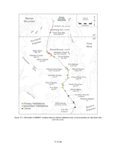
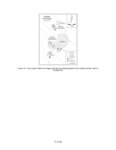
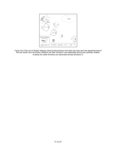
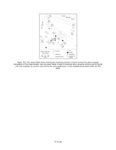
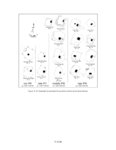
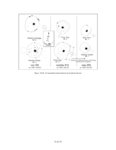
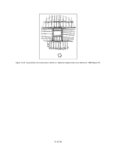
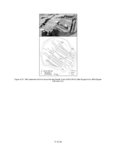
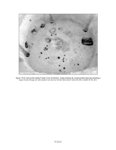
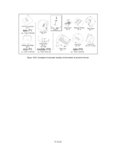
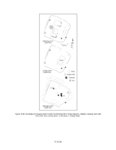
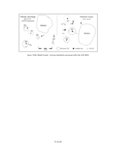
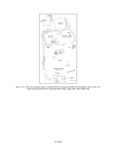
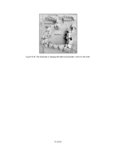
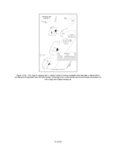
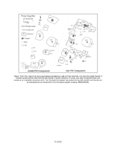
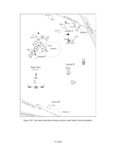
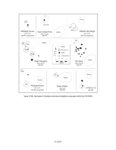
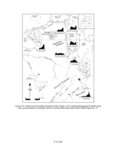
Show modified their obsidian points and knives, resulting in the scatters reported here. As such, the annual logistic hunting range might have measured about 30,000 sq km but the annual foraging range may well have been less than 8000 sq m. Figure 13.22 shows the same general idea, but with the territories configured as ellipses, something that might be more realistic, at least for the specific region, so as to take advantage of elevation gradients. A somewhat circular foraging terrain might still apply to the Navajo Mountain region because of the vast differences in elevation compressed into such a relatively small area (top of Navajo Mountain and the Kaiparowits Plateau to the Colorado River in Glen Canyon). In both this figure and the previous one, a circular foraging area is depicted for bands local to the Navajo Mountain-lower Glen Canyon region, one that partially overlaps with that used by foragers originating from "home bases" farther south. Regardless of the specifics of how the southern-based forager bands organized their procurement of obsidian, it is this sort of situation of overlapping territories that I think best accounts for the N16 Archaic sites with more than trace amounts of obsidian. Foragers local to the Navajo Mountain region might not have had logistic hunting camps within their annual residential range because in most cases such sites probably would have been unnecessary when home was so close at hand. The logistic hunting camps of groups local to Navajo Mountain would be expected to occur outside their annual foraging range, such as on Black Mesa or the Abajo Mountains. In the account just given, the N16 Archaic sites with moderately abundant Government Mountain obsidian are part of the remains of more southerly-focused forager bands who procured this material directly, either embedded within subsistence tasks of one sort or another (through residential or logistic hunting movements) or on specific raw material procurement trips outside of normal annual movement for subsistence resources. Given this, I would expect certain other raw materials to be represented at the lithic assemblages of these sites, materials that would be less likely to be represented in the assemblages of foragers more local to Navajo Mountain. Such expectations provide a means to test my speculative scenario. Forager groups that were more centrally located along the Little Colorado River and adjacent localities would have regular access to raw materials such as Kaibab chert, Tolchaco chert (nodules in Pleistocene gravel of the Little Colorado River), agatized wood and brightly colored chert of the Chinle Formation, Navajo chert, and a brightly colored chert that is local to the Tuba City area. Of these materials, Navajo chert and various materials from the Chinle Formation are available within what might have been the common foraging range of foragers local to the Navajo Mountain area. Moreover, none of these other materials have a point-specific source like obsidian; they have extensive primary and secondary deposits occurring over vast areas. This, coupled with the problematic aspect of visual identification (is a white to pink chert from the Kaibab Formation or some other deposit?), precludes any confident statements. So, for example, lithic analysts did not identify any Kaibab chert or Tolchaco chert in the Tres Campos assemblage that has over 30 percent obsidian debitage, all of which comes from north-central Arizona sources. There are flakes of white chert in the Tres Campos assemblage, several of which might be Kaibab chert, but they were not specifically identified as such because of small size (nearly all were pressure flakes). The lack of Tolchaco chert might also result from an identification failure rather than true absence, but to make this case, sourcing techniques will have to be greatly improved. Windy Mesa presents an interesting case, since the debitage, tools, and faunal bone recovered from there are similar in character to those at the three obsidian-rich hunting sites (The Pits, Hólahéi Scatter, and Tres Campos). The one marked difference between Windy Mesa and these three is with debitage raw material use. First, the former site has less than 1 percent obsidian representation in debitage, plus an exhausted (greatly resharpened) obsidian projectile point (see Figure 13.18). The two flakes at this site include a moderately large flake identified as bipolar that also exhibits traces of use and a small biface thinning flake. The former was chemically sourced to Government Mountain, as was the projectile point, but the latter was too small for XRF analysis, though visually it does not match any of the north-central Arizona sources. Second, unlike at the other hunting camp sites, Navajo chert comprises 60 percent of the debitage at Windy Mesa. The heavy exploitation of Navajo chert could indicate fairly local procurement, but this material is also common across a broad portion of the Kayenta region such that it might also fit the pattern expected for a non-local forager group from the south. For example, Archaic sites on the Kaibito Plateau have a high proportion of Navajo chert (Robins and Warburton 2004). I tend to favor the view that this site is the accumulation of a forager group local to the Kaibito or Shonto Plateaus rather than the Rainbow Plateau, otherwise far more Glen Canyon chert would be represented in the assemblage as is true of the Archaic residential camps near Navajo Mountain, which almost lack Navajo chert. Discarding an exhausted but still somewhat functional obsidian projectile point and large obsidian V.13.47 |