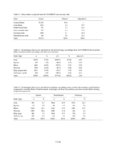
| OCR Text |
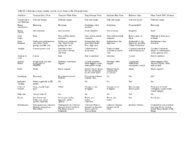
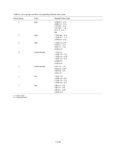
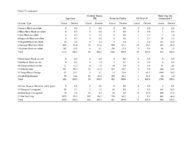
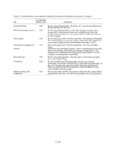
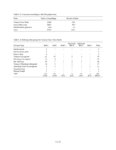
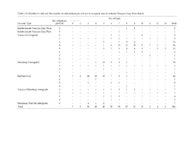
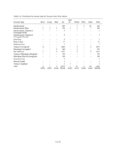
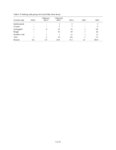
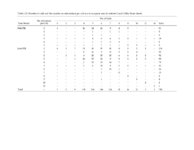
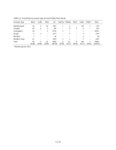
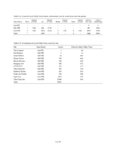
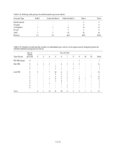
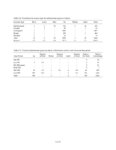
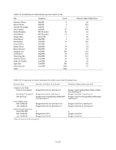
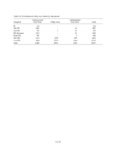
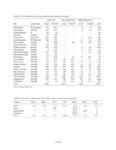
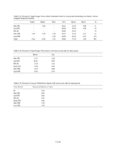
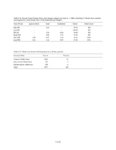
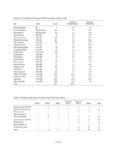
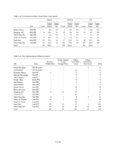
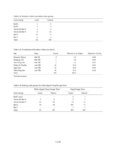
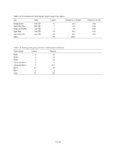
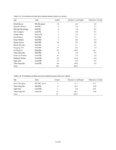
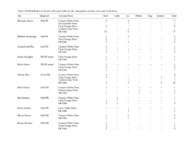
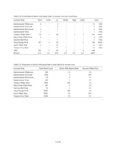
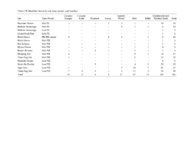
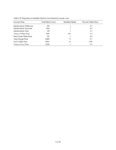
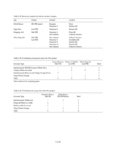
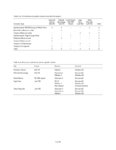
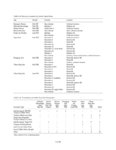
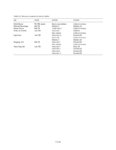
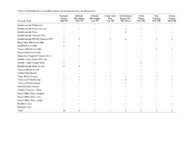
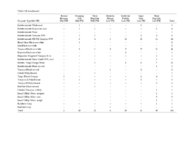
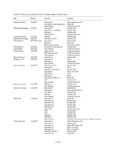
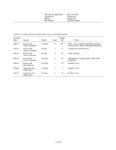
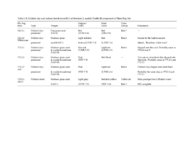
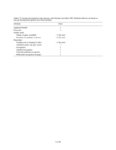
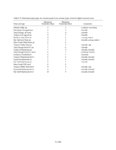
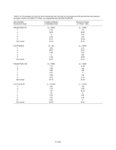
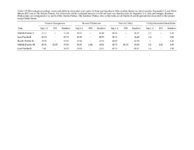
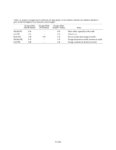
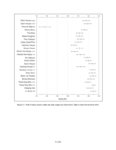
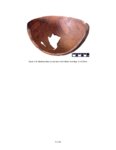
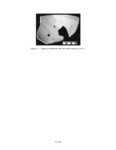
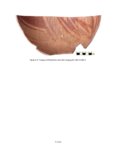
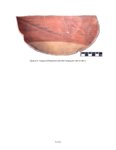
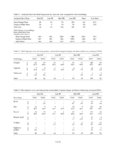
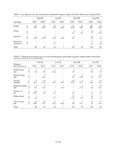
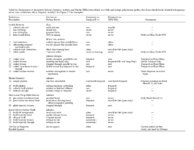
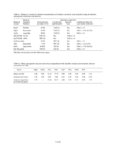
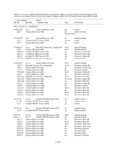
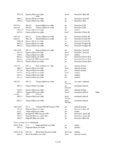
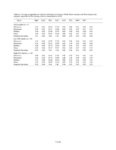
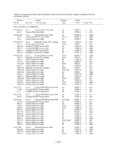
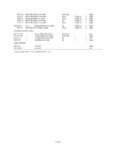
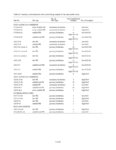
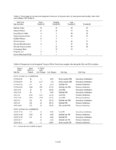
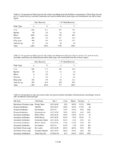
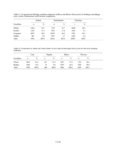
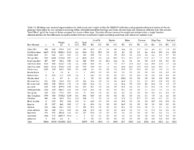
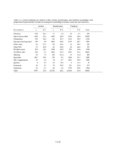
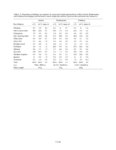
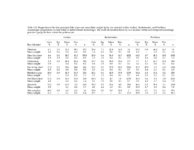
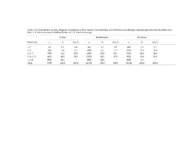
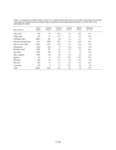
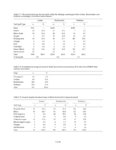
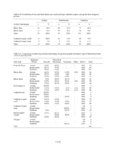
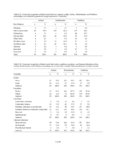
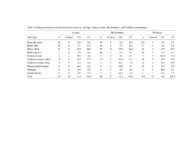
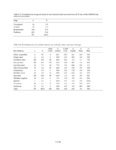
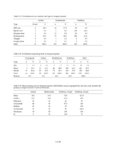
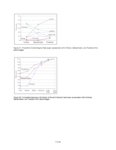
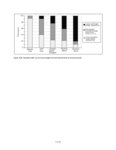
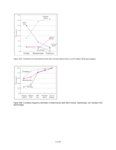
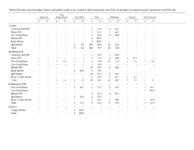
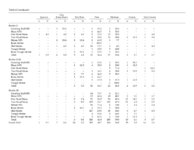
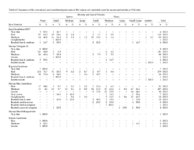
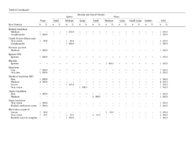
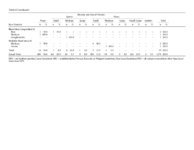
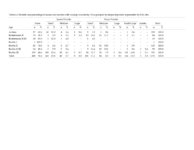
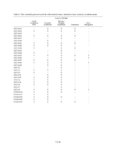
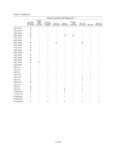
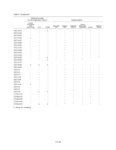
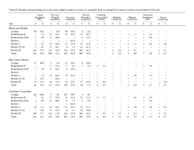
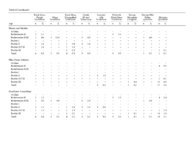
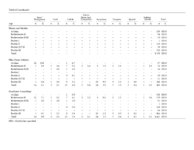
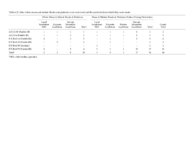
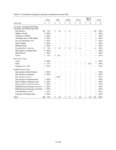
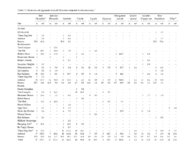
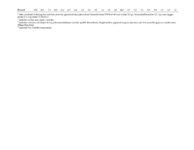
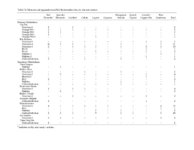
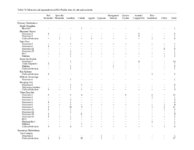
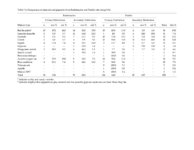
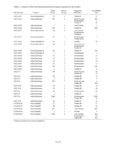
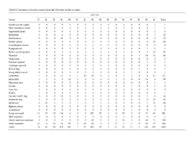
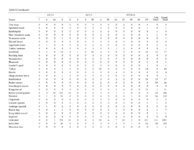
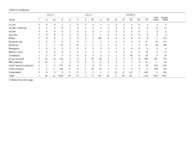
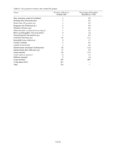
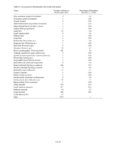
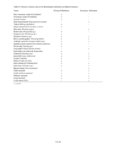
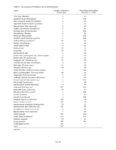
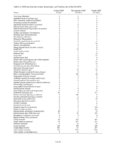
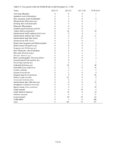
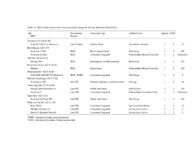
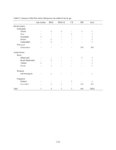
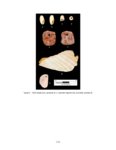
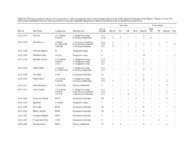
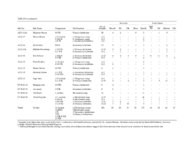
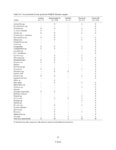
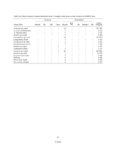
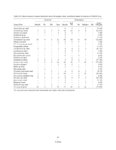
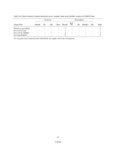
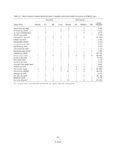
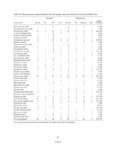
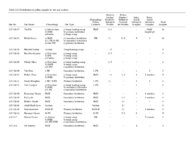
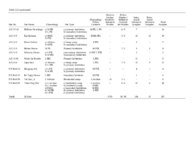
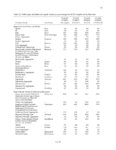
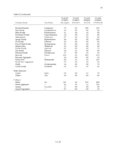
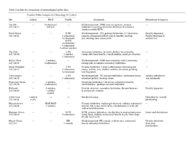
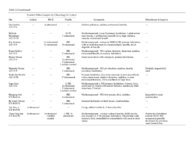
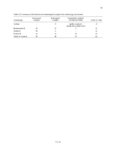
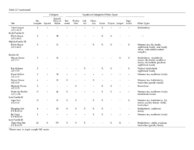
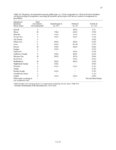
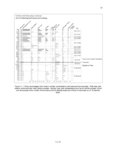
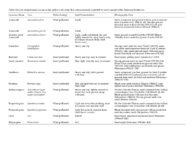
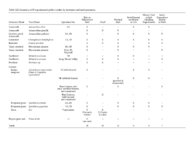
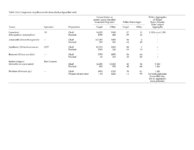
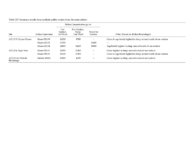
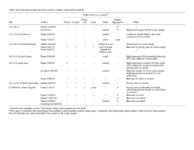
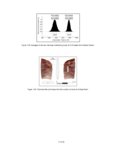
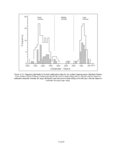
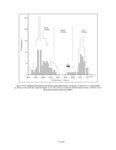
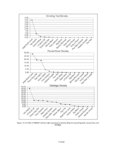
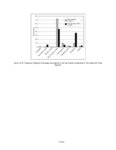
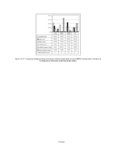
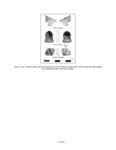
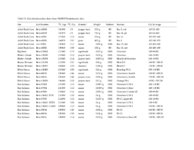
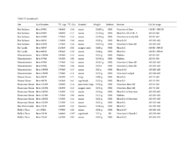
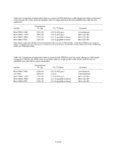
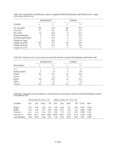
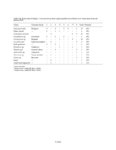
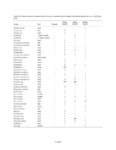
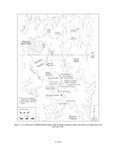
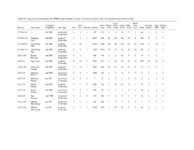
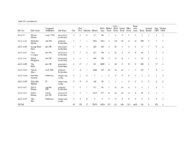
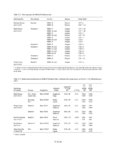
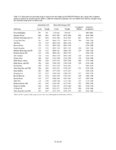
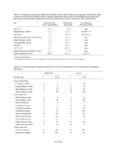
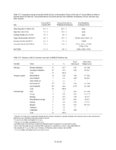
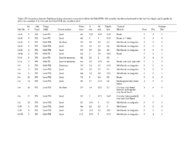
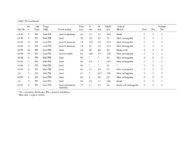
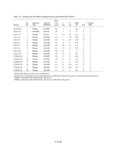
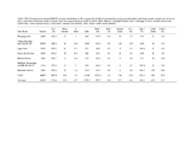
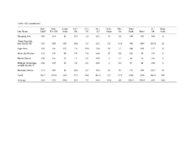
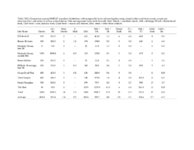
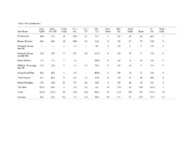
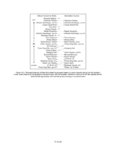
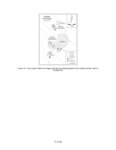
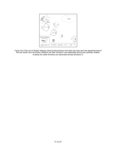
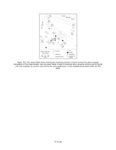
Show of clays with a relatively high iron content. Tsegi Orange Ware sherds refired as part of the oxidation study fired to the same color groups as the white-slipped Tsegi Orange Ware, although in different proportions. For the Tsegi Orange Ware sherds without a white slip, 77 percent refired to the Red 6 color group, 19 percent fired to the Yellowish-Red 5 group, about 2 percent fired to lighter colors, and 2 percent fired to darker colors. In the white-slipped Tsegi Orange Ware sample, more sherds fired to the Yellowish-Red 5 group (38%) and fewer matched the Red 6 group (54%). This suggests that potters intending to make whiteware selected lighter-firing clay. Nevertheless, the overlapping color groups suggest the use of similar clay sources. These "whiteware" sherds were made using a Tsegi Orange Ware paste recipe-high-iron clays and sherd temper-and applying a white slip and organic paint. Crushed white and gray-colored sherds were used as tempering material. Whiteware was fired in a neutral to reducing atmosphere, in contrast to Tsegi Orange Ware, which was fired in an oxidizing atmosphere. White-slipped Tsegi Orange Ware sherds make up about 10 percent of the indeterminate whiteware assemblage, which is in turn only 6 percent of whiteware pottery in the total assemblage. Low numbers in the assemblage suggest that few potters made this variant. Controlling the manufacturing and firing processes to make these vessels was, undoubtedly, not an easy task. Reduction of high-iron clay usually results in a dark gray color; potters intending to make whiteware with high-iron clays need low-iron clays to apply as slip. As indicated earlier, these are rare to nonexistent in the study area and may have been imported to make white-slipped Tsegi Orange Ware and the paint on white-outline polychromes. A slipped and polished surface was used as a foundation for painted decoration executed in organic paint. Potters primarily applied Tusayan style designs to vessels in this group, but a sherd with Dogoszhi style and a sherd with Kayenta style designs were also noted. The few Flagstaff style sherds can be considered late examples of this design style. Two-thirds (66%) of the sherds in this group were from bowls, 28 percent were from jars, and 6 percent were of indeterminate form. The distribution of vessel form does not differ between the middle Pueblo III and late Pueblo III assemblages. Straight-rim and flared bowl forms occur almost equally. Only one incurved-rim bowl was noted. This range of vessel form more closely resembles Tusayan White Ware than Mesa Verde White Ware. All of the jars were represented by body sherds, so the specific form is not known. No reconstructible vessels were recovered. Sooting was rare on these sherds; only two had soot on their exterior surface and seven had soot on both surfaces. Bowls were probably used for serving and jars for storage. White-slipped Tsegi Orange Ware appears only in middle to late Pueblo III sites (Table 2.45). This informal type is found in Pueblo III contexts and has incorporated Pueblo III designs. The variant appeared at sites on the Rainbow Plateau (Table 2.45). After 1200 AD on the Rainbow Plateau, some potters apparently imitated Tusayan White Ware using a combination of Tusayan-like slip and paint and a Tsegi Orange Ware paste. The number of Tusayan White Ware and Gray Ware vessels and sherds in assemblages decreases at the time when white-slipped Tsegi Orange Ware and Rainbow white ware appear. Northern Kayenta potters apparently tried to make a local copy of Tusayan Black-on-white. Was this due to a decreased supply of vessels from the south, to migrants from the south joining northern communities, or to increased aggregation with a consequent need for more pottery vessels? Other Local Indeterminate Whiteware Two hundred eighty-one whiteware sherds did not fit the above categories, but also appeared to have been locally made, based on the appearance of clay, temper, and slip compared to locally available materials. Forty sherds from the local indeterminate whiteware group were refired (Table 2.46). Every color in the color groups was represented, indicating that a wide variety of clays were used to manufacture these vessels. Most of the sherds, however, fired to the red or yellowish red groups, indicating a preference for iron-rich clays. Half the sherds refired to color group Red 6, the dominant color group for Tsegi Orange Ware and Rainbow Gray, also thought to have been produced locally. The most common designs on these sherds were Tusayan style. Late examples of Flagstaff designs were also noted. Painted surfaces can be smoothed, polished, or slipped. Designs were painted with organic paint. More than half the sherds in this group were from jars. Bowls comprised more than a quarter of the sherds in this group. Fragments from two effigy vessels, four ladles, and a miniature were also noted. Sherds whose form could not be determined comprised just over 10 percent. Sooting was infrequent on these sherds, with only 10 having soot on their exterior surface and 34 sooted on both surfaces. No reconstructible vessels were recovered. These jars were probably used for storage, the bowls for serving, and the ladles for dispensing food or liquid. The effigies, one of which was in the form of a bird, were V.2.44 |