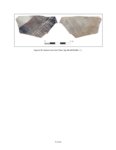
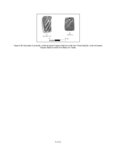
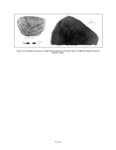
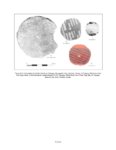
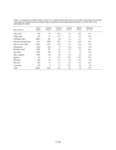
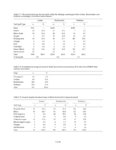
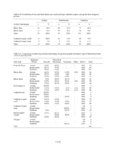
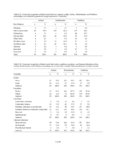
| OCR Text |
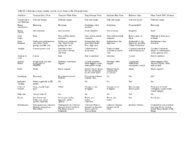
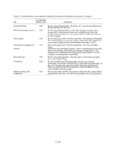
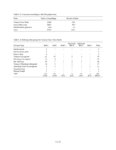
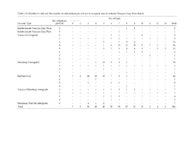
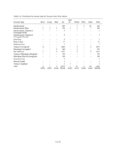
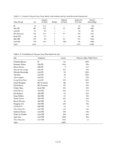
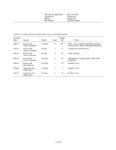
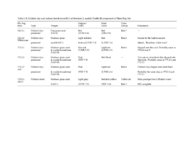
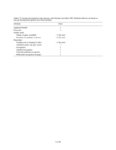
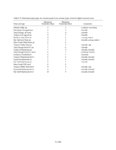
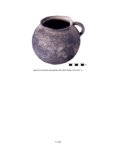
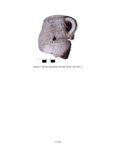
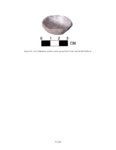
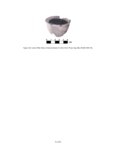
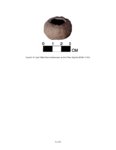
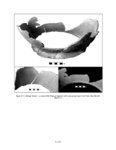
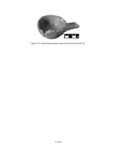
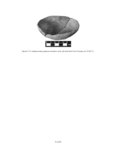
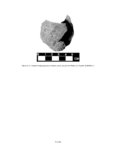
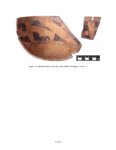
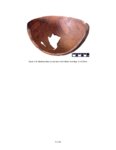
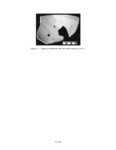
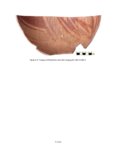
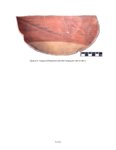
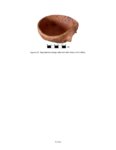
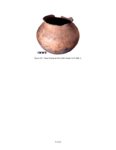
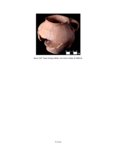
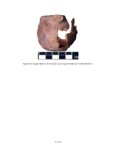
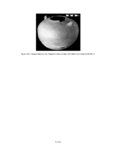
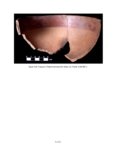
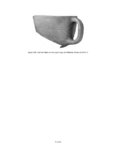
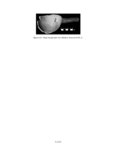
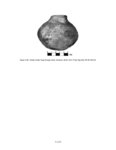
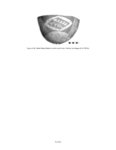
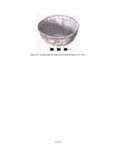
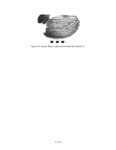
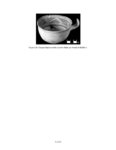
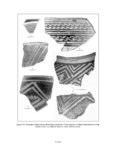
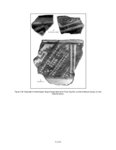
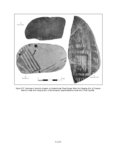
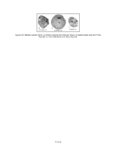
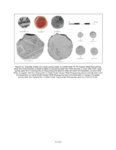
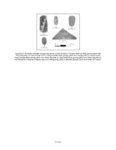
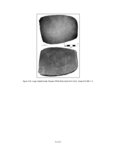
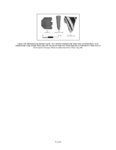
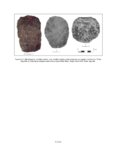
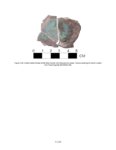
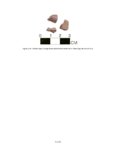
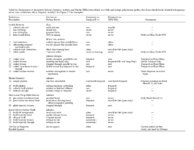
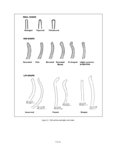
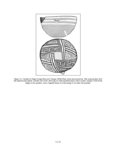
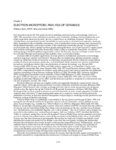
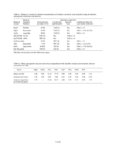
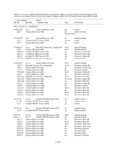
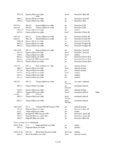
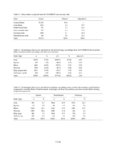
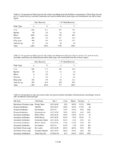
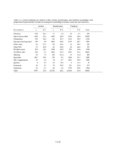
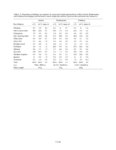
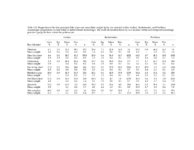
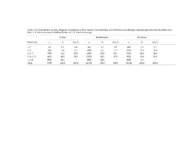
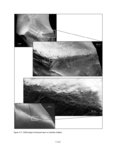
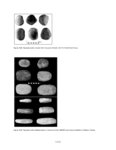
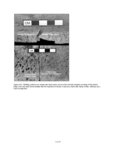
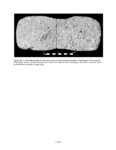
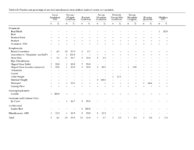
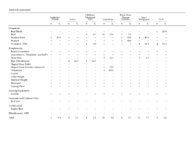
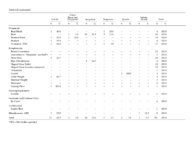
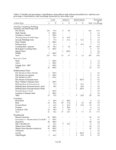
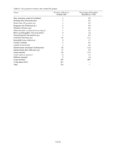
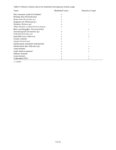
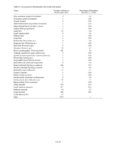
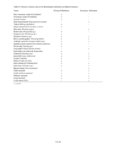
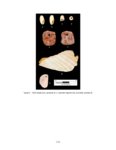
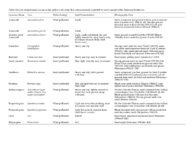
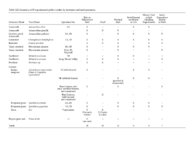
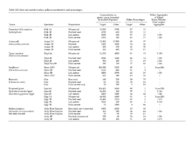
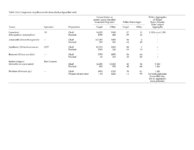
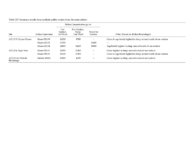
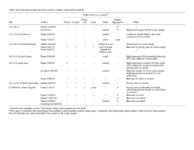
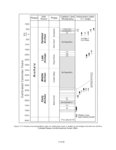
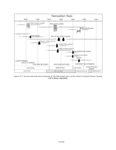
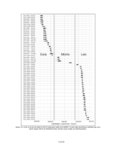
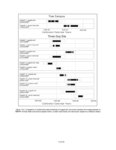
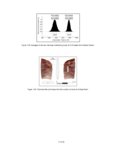
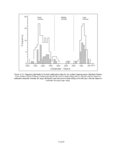
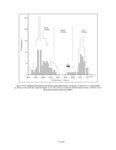
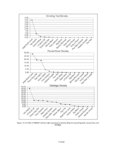
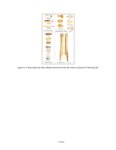
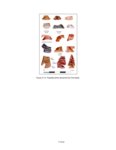
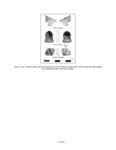
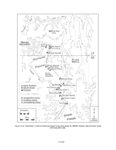
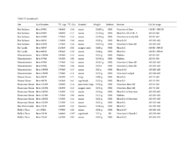
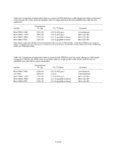
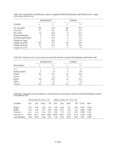
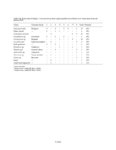
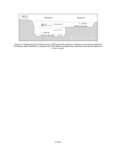
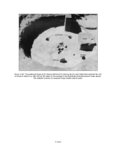
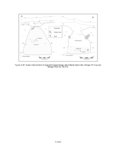
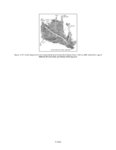
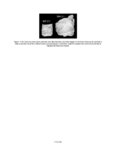
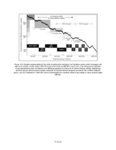
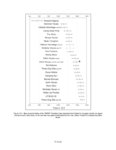
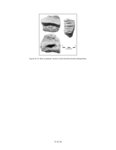
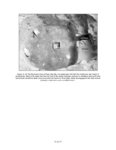
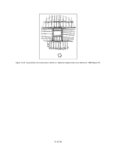
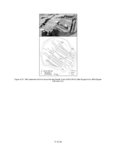
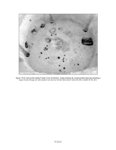
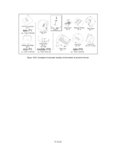
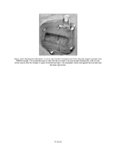
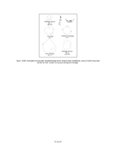
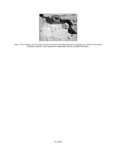
Show report archaeological findings. The term "Sambrito" does not seem appropriate for our ceramics because it describes material from the San Juan Anasazi area rather than the Kayenta area. Therefore, we suggest (1) modifying the Colton terminology to revive the term "Lino Polished" for polished Tusayan Gray Ware, (2) excluding the confusing term "Obelisk Gray," and (3) introducing the term "Obelisk Utility" for early brownware in the Kayenta Anasazi area and the Chuskas, including the type site, Obelisk Cave, near Cove, Arizona. The primary criterion distinguishing this material from later Tusayan Gray Ware is the use of iron-rich clay containing abundant fine sand and other particles, in addition to poorly sorted quartz and multilithic sand. Tusayan Gray Ware usually has iron-poor clay, and almost always lacks the abundant fine colored material between grains of coarse quartz sand. Ceramics recovered from Mountainview closely resemble brownwares from other parts of the Anasazi region, although some potentially important differences exist. Following Wilson and Blinman (1994), we suggest that the polished brownware probably represents an early pan-Anasazi and Mogollon ceramic tradition using self-tempered, alluvial, brown-firing clays, and polished surfaces. Brownware production probably represents an expedient ceramic technology suited to the needs of semi-mobile horticulturalists in the early centuries of the first millennium AD. Grayware technology developed after AD 500 in areas where shale-derived clays were available (Reed et al. 2000). Obelisk Utility Type Description Paste is soft and friable, with a crumbling fracture. Most pieces become powdery when nipped, and sand grains fall out. Burned pieces may crumble into small pieces. Texture varies from fine but gritty to very coarse. Temper is very dense, poorly sorted sand. There are usually sparse, coarse, subrounded quartz grains, either translucent or opaque white, with very abundant very fine quartz sand and colored fragments. Fine-grained sand is very often clear, and subrounded to nearly spherical. Red angular fragments are often present. Pieces of white or red matrix sandstone are sometimes seen. Black sand grains may also appear. Temper varies from fairly pure but poorly sorted quartz sand to a mineralogical mixture that can be dominated by whitish to yellow very fine angular fragments. Color occurs in a very wide range. The most common is a pale orange with a gray to black carbon streak. Tan, buff, gray-brown, chocolate brown, bright orange, yellowish, light to dark gray, and black also appear. Color is often splotchy, suggesting poor control over firing atmosphere. Surface finish varies from a high, shiny polish to smooth and dull with protruding fine temper. Surface irregularities are often poorly smoothed over. Polishing streaks appear, but not frequently. Surfaces are usually fairly uniform, but may be bumpy or dimpled, possibly due to forming by pinching. Flat facets are sometimes visible, possibly due to paddle-and-anvil or pinch-and-draw thinning. Possible anvil dimples are occasionally visible on interior surfaces. Occasionally, a lightly polished exterior jar surface has a light gray residue like a thin slip. This is probably nothing more than fine clay particles that floated to the surface as the vessel was polished. It does not appear to be streaky, or to drip into vessel interiors as one would expect with a thin slip. Jar interiors are usually somewhat smoothed but are often pitted, perhaps from use. Bowl interiors appear to be polished like their exteriors, but examples are rare. Vessel forms could not be determined conclusively because no reconstructible brownware vessels were recovered from Mountainview or other N16 sites. Rim sherds from straight-necked jars and neckless "seed jars" and straight-sided bowls were recovered. All have simple rounded but usually irregular lips. No beveled or flat shapes were seen. One seed jar fragment is large enough to preserve its profile. It has an unusual facet or shoulder at its maximum diameter (Figure 2.5). Jar interiors are often pitted and spalled. One or both surfaces may have soot deposits. Mountainview Chronology The maize from Mountainview submitted for radiocarbon dating came from buried midden deposits and from floor fill of the structure. These features clearly represent the primary use of the site. Six samples of maize kernels and cupules were dated: two samples from the midden, two from floor fill, one from Hearth 11, and one from the ash pit in the structure. The resulting AMS radiocarbon dates, which are statistically equivalent, provide an average with a calibrated two-sigma range of AD 220-350 (see Chapter 10 of Volume III). The tight clustering of dates and the presence of only one structure and midden suggest a single occupation sometime within this period. Few sites from the Basketmaker III period have been documented in the Navajo Mountain area, although this is probably due more to limited survey than an actual lack of sites. There are at least five sites with Obelisk Utility ceramics within several kilometers of Mountainview: Polly's Place, Atlatl Rock Cave, AZ-J-14-54 (NN), AZ-D-2-174, -200, and -355 (NAU; Geib and Spurr 2002). Early ceramic sites have V.2.15 |