| OCR Text |
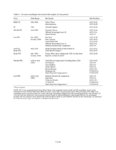
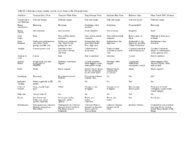
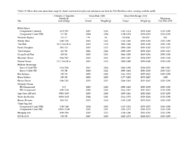
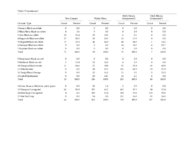
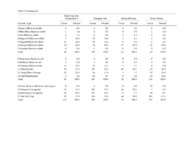
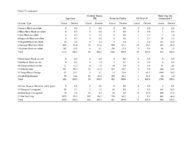
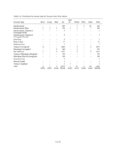
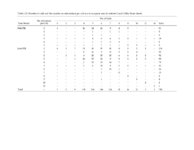
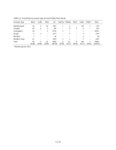
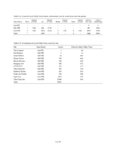
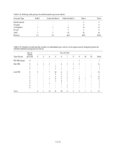
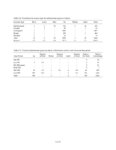
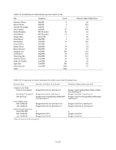
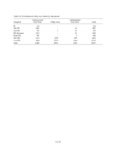
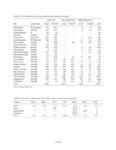
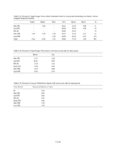
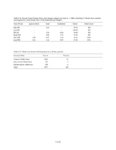
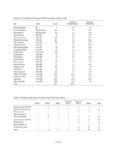
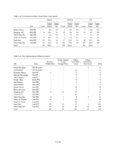
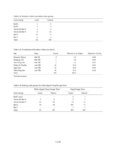
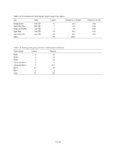
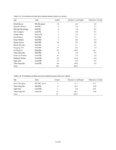
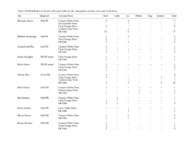
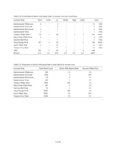
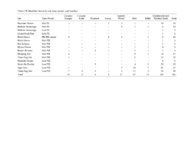
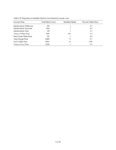
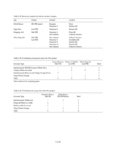
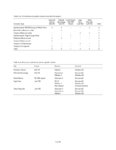
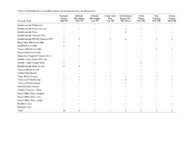
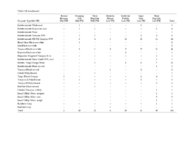
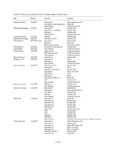
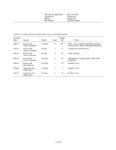
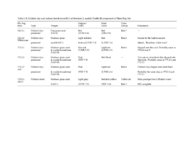
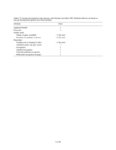
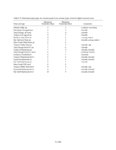
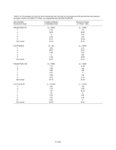
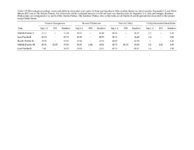
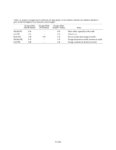
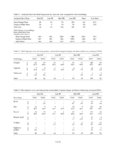
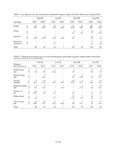
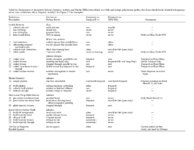
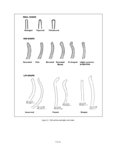
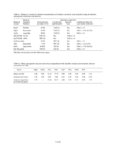
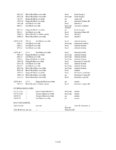
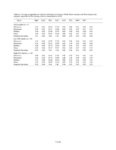
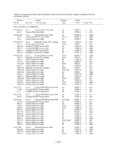
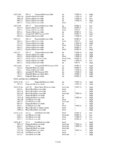
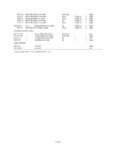
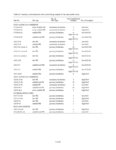
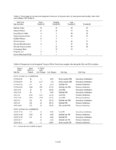
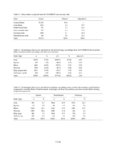
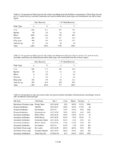
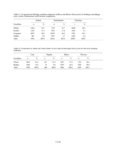
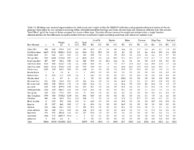
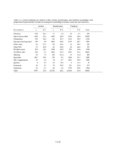
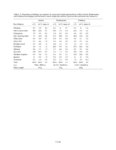
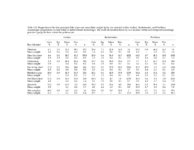
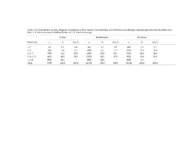
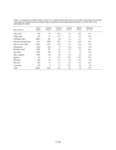
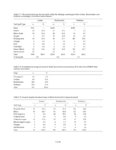
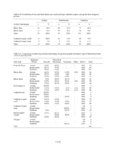
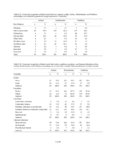
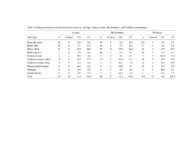
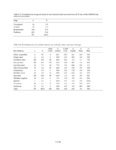
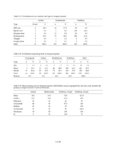
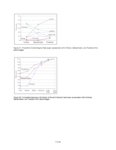
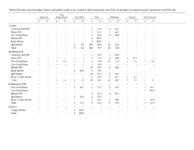
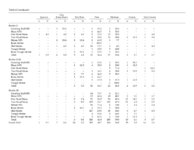
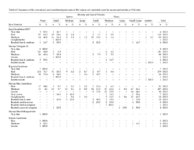
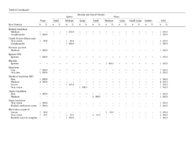
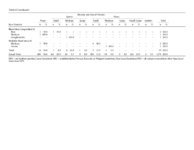
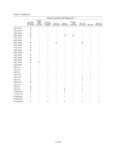
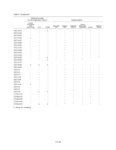
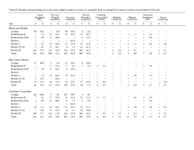
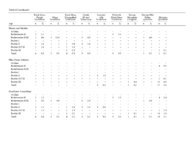
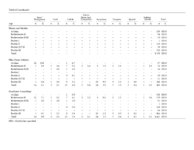
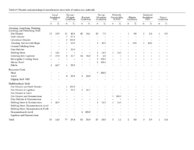
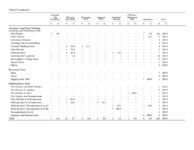
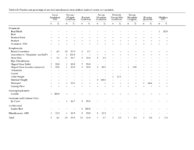
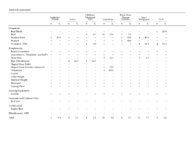
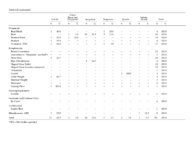
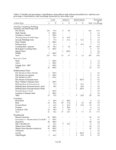
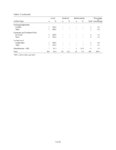
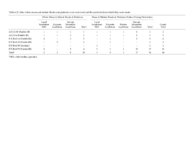
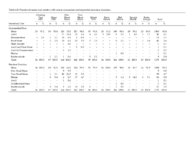
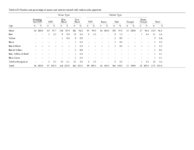
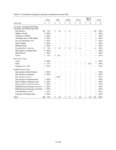
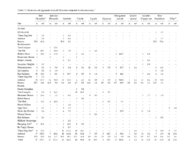
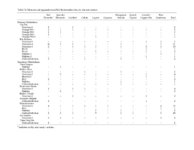
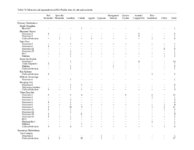
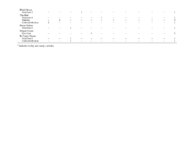
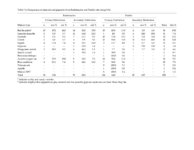
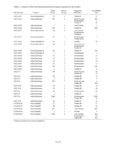
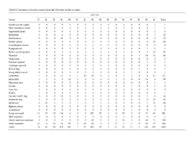
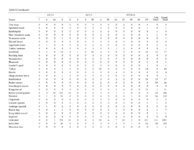
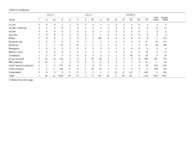
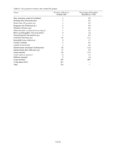
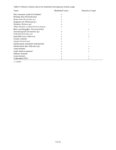
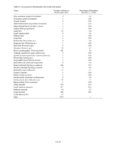
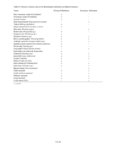
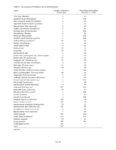
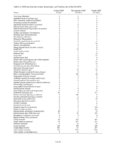
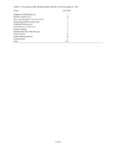
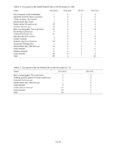
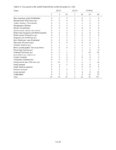
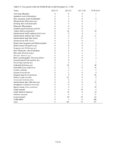
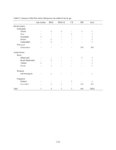
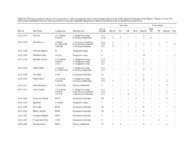
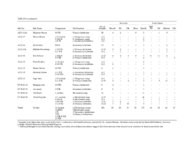
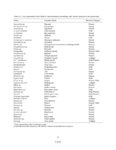
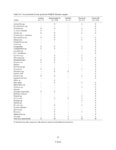
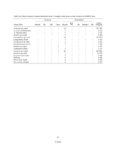
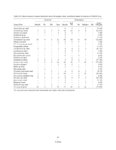
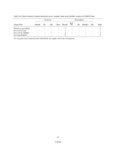
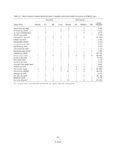
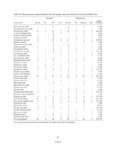
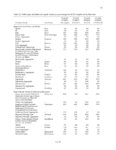
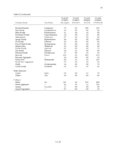
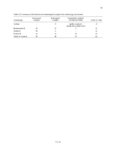
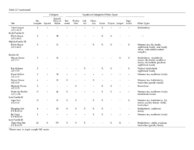
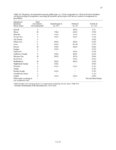
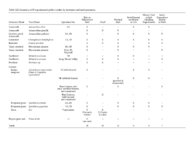
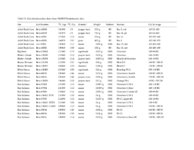
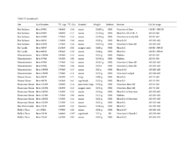
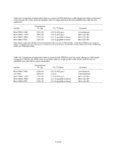
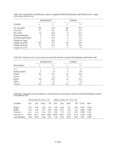
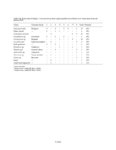
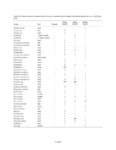
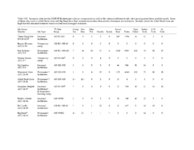
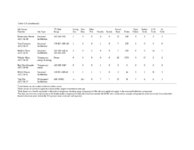
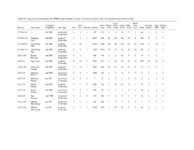
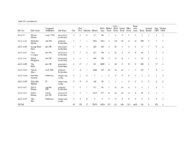
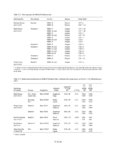
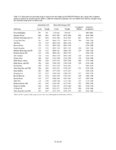
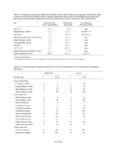
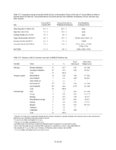
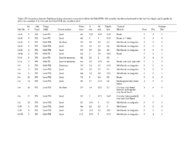
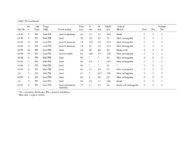
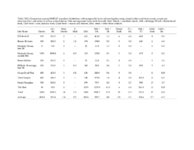
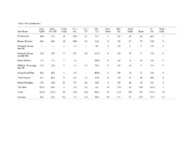
Show important food resource (Stiger 1977). Maize is well represented in the Pueblo III assemblage, as expected, and the ubiquity of maize is substantially greater than for the Basketmaker II and Pueblo II components (Table 10.8). Numerous cob fragments and one whole cob were retrieved in the field from the seven sites noted above. Quite a few of the cob fragments were complete enough to allow a row count; there were 52 8-row, 44 10-row, 20 12-row (one of which is the whole cob), one 14-row, and three 6-row cobs. The 6-row cobs are probably aberrant, possibly stunted. The 12-row and larger possibly represent Chapolote type corn, which hybridized during the Pueblo I-Pueblo II period with immigrant flour corn, Maiz de Ocho, which is 8-rowed. From this cross came a 10-row corn, commonly called Pima/Papago (Toll 1985:260). So earlier sites tend to have smaller cobs with more rows and later sites tend to have larger cobs with fewer rows, but presumably larger kernels as well. Cleome (beeweed), a pioneer plant, and Opuntia make their first appearance in the macrobotanical record during this period. Although Opuntia is essentially a wild plant, there is some indication based on pollen evidence from other areas that this plant was an encouraged resource (see Chapter 11). The majority of pioneer plants noted during the Basketmaker II and Pueblo II periods are also present in the Pueblo III assemblage. It is interesting that Chenopodium is represented less frequently in the Pueblo III assemblage, based on the ubiquity index, than in Basketmaker II and Pueblo II. Corispermum, on the other hand, increases in frequency, as does Descurainia, Helianthus, Oryzopsis, and Plantago. There is an increased representation of Artemisia wood, as well as seeds from two species of Artemisia. The seeds may represent the targeted resource or may be the byproduct of exploiting the wood/leaves of the shrubs. A few new types of wood resources also appear in the Pueblo III assemblage-Amelanchier (serviceberry), Chrysothamnus (rabbitbrush), Fraxinus (ash), Ephedra (Mormon tea), Populus (cottonwood), and Purshia tridentata (bitterbrush). The Ephedra wood may indicate a secondary use of the twigs for tea or other purposes (Rainey and Adams 2005). The increase in woody taxa is probably not a signature of wood resource depletion, as has been noted in other parts of the Colorado Plateau (Kohler and Matthews 1988), because there is still a consistently high frequency of occurrence for juniper and pinyon wood in the Pueblo III assemblage. Introduction of these new genera may be simply the result of Pueblo III sites being closer to some drainages and expedient procurement of nearby resources . SUMMARY The macrobotanical database provides some insights into the plant resources used by the occupants of the NMRAP sites. As noted earlier in this chapter, the preservation potential of the sites relative to botanical remains is not considered to have been very good, for whatever reason. So, although a record of plant use is provided through the archaeobotanical materials, it is considered to be a narrowed version of what plants were actually exploited. Not surprisingly, the Archaic period has a very limited macrobotanical assemblage. As sites were occupied over a longer time, botanical debris increased in the archaeological record, as seen by the increases in diversity and frequency of plant remains through time. Pioneer plants increase in representation with the advent of agriculture, which would be expected. Based on the macrobotanical assemblages from the Basketmaker II, Pueblo II, and Pueblo III periods, Amaranthus, Chenopodium, Corispermum, Helianthus, Portulaca, and various grasses were important plant resources. Other pioneer plants, such as Cleome, Cycloloma, Descurainia, Nicotiana, Physalis, and Plantago, and wild resources such as Opuntia had a lower representation in the macrobotanical assemblages, which may be more the result of poor preservation than low cultural or economic value. Given that there is a steady increase in the presence of cultivated products through time (maize, beans, and cucurbits), it was expected that a similar increase in pioneer resources would also be exhibited. Amplification of environmental disturbance through agricultural intensification should result in increased diversity and abundance of pioneer plants. That is, by expanding the area under cultivation, a larger area would have been opened up for pioneer plant colonization. Studies of pioneer colonization strategies have indicated that the amount of open area increases the diversity of taxa and the density of the standing population (Davis and Cantlon 1969.) The expectation of course is that an increase in the occurrence of pioneer plants would not just be the result of increased disturbance; rather the expectation was that there would be an increase in occurrence as a result of greater procurement and utilization of pioneer resources as a leastcost strategy in an agricultural economic system that was intensified over time concurrent with population growth. As Ford (1968:191) pointed out in his study of agricultural practices of the San Juan Pueblo (New Mexico), pioneer plants considered useful in the subsistence system are left in the fields to be harvested, but those that are not of value are weeded out. Even the ones left in the fields have to be monitored because of the intercrop competition between pioneers and domesticated plants for growth resources 8 V.10.8 |